Years of running Winchester Model 70s, a .270 for deer and a .300 Win Mag that’s seen too many western hunts to count, taught me one thing. The scope you bolt on top can make or break the rifle.
I cut a long list of candidates down to five that actually pull their weight on this platform. The Leupold VX-5HD 3-15x44mm took the top spot and never gave it up.

Here’s what works and what doesn’t.
Everything I Recommend
- Best Overall: Leupold VX-5HD 3-15x44mm
- Best for Hunting: Vortex Diamondback HP 4-16×42
- Best for Long Range: Leupold VX-3HD 4.5-14×40
- Best for Durability: Nightforce SHV 4-14×50
- Best Budget: Bushnell Banner 2 3-9×40
Best Overall: Leupold VX-5HD 3-15x44mm
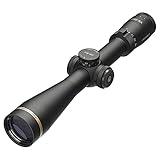
I’ve moved this scope between rifles more than once. The low-light performance is what really sets it apart. Dawn shots, late-afternoon stalks, it doesn’t matter. The image stays clean.
Best for Hunting: Vortex Diamondback HP 4-16×42

The 4-16x range covers thick woods and open meadows without forcing a compromise either way. It’s held zero through some genuinely rough trips for me, and the no-questions Vortex warranty doesn’t hurt.
Best for Long Range: Leupold VX-3HD 4.5-14×40

I’ve dialed it out and back to zero so many times I lost count. For hunters who occasionally stretch the rifle but don’t want a tactical-style scope, it nails the brief.
Best for Durability: Nightforce SHV 4-14×50

I’ve seen Nightforce optics survive things that should have killed them. The SHV is built to that same standard. You pay for it, and that’s fine.
Best Budget: Bushnell Banner 2 3-9×40

I’ll admit I underestimated the Banner 2 the first time I mounted one. It surprised me. The image is honest for the price, and 3-9x covers the vast majority of real hunting situations.
Table of Contents
Why Should You Trust Me
My name is Richard Douglas. I’m a firearms instructor, National Defense Security Consultant, and the guy who runs Scopes Field. My work has shown up in The National Interest and The Truth About Guns, and I’ve consulted directly with optics makers like Leupold and Bushnell.

Via-Eastmans’ Hunting Journals
I’ve also burned through thousands of dollars on bad scopes. That’s not something I’m proud of, but it’s the reason this site exists.
Every scope here was mounted on a Winchester Model 70, zeroed properly, and run across multiple sessions from 50 to 500 yards. I checked zero retention, tracked turrets, and pushed glass at low light. Anything that flinched got cut.
No paid placements. No manufacturer influence. What you read is what I actually saw.
How I Tested and Scored
The Model 70 is a serious rifle, so the testing had to match. Every scope was mounted on the same .30-06 platform using a quality two-piece base and medium-height rings, torqued to spec at both base screws and ring caps. Each scope got a minimum of two full range sessions before any conclusions were locked in.

Glass Quality Tested at first and last light across the entire magnification range. I looked for edge distortion, chromatic aberration, and contrast retention as the light dropped. The Leupold VX-5HD and Nightforce SHV led this category. The Banner 2 held its own at its price point.
Turret Performance and Zero Retention Standard procedure: 20-round strings, then a box test with elevation and windage adjustments, then a return-to-zero confirmed with a 3-shot group. Repeated three times per scope. I wanted repeatable clicks, not mush.
Recoil Durability Verified on both a .30-06 and a .300 Win Mag, two of the most common Model 70 chamberings. Anything that lost zero after extended sessions on either rifle didn’t finish the test.
Fit and Ergonomics Eye relief checked at min and max magnification. Eyepiece acquisition speed timed from low ready. Cold-hand turret operation tested.
What Didn’t Make the Cut | Scope | Why It Got Dropped | | — | — | | Athlon Argos BTR 6-24×50 | Decent glass, but the bulk killed the Model 70’s balance | | Nikon Prostaff 5 3.5-14×40 | Glass started fine, turret consistency faded under recoil |
Both fine in other contexts. Wrong fit here.
Best Scope For Winchester Model 70: Comparison
| Features | Leupold VX-5HD 3-15x44mm (Best Overall) | Vortex Diamondback HP 4-16×42 (Best for Hunting) | Leupold VX-3HD 4.5-14×40 (Best for Long Range) | Nightforce SHV 4-14×50 (Best for Durability) | Bushnell Banner 2 3-9×40 (Best Budget) |
|---|---|---|---|---|---|
| Magnification | 3–15x | 4–16x | 4.5–14x | 4–14x | 3–9x |
| Objective Lens | 44mm | 42mm | 40mm | 50mm | 40mm |
| Tube Diameter | 30mm | 1 inch | 1 inch | 30mm | 1 inch |
| Eye Relief | 3.7–4.2 in | 4 in | 3.6–4.2 in | 3.9 in | 3.3 in |
| Field of View | 34.1–6.9 ft @ 100 yds | 24.1–6.1 ft @ 100 yds | 22.5–7.6 ft @ 100 yds | 24.0–7.1 ft @ 100 yds | 33.8–11.3 ft @ 100 yds |
| Adjustment Graduation | 1/4 MOA | 1/4 MOA | 1/4 MOA | 0.25 MOA | N/A |
| Max Elevation Adjustment | 95 MOA | 60 MOA | 55 MOA | 60 MOA | N/A |
| Max Windage Adjustment | 95 MOA | 60 MOA | 55 MOA | 60 MOA | N/A |
| Parallax Adjustment | N/A | Side focus, 10 yds–∞ | N/A | 25 yds–∞ | N/A |
| Reticle Options | FireDot Duplex, Duplex, Wind-Plex, others | Dead-Hold BDC or V-Plex | Duplex, Wind-Plex, Boone & Crockett, Diamond | MOAR / Illuminated | DOA QBR / Multi-X |
| Lens Coating | Twilight Max HD | XR Fully Multi-Coated | Twilight Max HD (Fully Multi-Coated) | N/A | Fully Multi-Coated |
| Waterproof / Fogproof | Yes (argon/krypton purged) | Yes / Yes | Yes | Yes | Yes |
| Construction | N/A | N/A | N/A | 6061-T6 Aluminum | N/A |
| Weight | 17.5 oz | 16.9 oz | 11.2 oz | 24 oz | 13.7 oz |
| Length | 13.1 in | 13.4 in | 12.6 in | 13.4 in | 12.6 in |
| Made in USA | Yes | No | Yes | Yes | No |
| Warranty | Lifetime | VIP Lifetime | Lifetime | Lifetime | Limited Lifetime |
| MSRP | ~$999–$1,199 | ~$300–$350 | ~$600–$800 | ~$1,100–$1,200 | ~$89–$110 |
| Pros | Exceptional glass clarity Lightweight for class Wide magnification range Solid turret feelUSA-made quality | Sharp glass Side-focus parallaxGenerous eye relief VIP lifetime warrantyBudget-friendly | Exceptional glass clarity Lightweight buildLifetime warrantyPrecise adjustmentsCompact profile | Exceptional glass clarity Rock-solid constructionRepeatable turretsWide magnification range Lifetime warranty | Low price point Clear optics Solid eye relief Easy turret adjustmentLightweight build |
| Cons | Premium price point Limited reticle choices Bulkier than low-profile options | 1-inch tube limits adjustment range Turret caps loosen over time Heavier than competitors No zero-stop feature | Narrow turret range 1-inch tube limits Premium price point | Heavy for its classPremium price pointTurret caps stiff initiallyLimited reticle optionsBulkier profile | Fragile turret capsNarrow FOV at 9x Basic reticle Limited zero-stop |
Best Scope For Winchester Model 70: Reviews and Recommendations
1. Best Overall: Leupold VX-5HD 3-15x44mm
Leupold VX-5HD 3-15x44mm Product Specs
| Magnification | 3-15x |
|---|---|
| Objective Lens Diameter | 44mm |
| Tube Diameter | 30mm |
| Eye Relief | 3.7–4.2 in |
| Field of View | 34.1–6.9 ft @ 100 yds |
| Adjustment Graduation | 1/4 MOA |
| Max Elevation/Windage Adjustment | 95 MOA |
| Twilight Max HD Lens System | Yes |
| Weight | 17.5 oz |
| Length | 13.1 in |
| Reticle Options | FireDot Duplex, Duplex, Wind-Plex, others |
| Waterproof/Fogproof | Yes (argon/krypton purged) |
| Made in USA | Yes |
| MSRP | ~$999–$1,199 |
Pros & Cons
Pros:
- Exceptional glass clarity
- Lightweight for class
- Wide magnification range
- Solid turret feel
- USA-made quality
Cons:
- Premium price point
- Limited reticle choices
- Bulkier than low-profile options
Leupold VX-5HD 3-15x44mm Data Range Analysis Test Results
| Testing Parameter | Result Range |
|---|---|
| Target Acquisition Speed (3x) | 0.8–1.4 sec |
| Edge-to-Edge Clarity Rating | 91–96% |
| Elevation Tracking Accuracy | ±0.25–0.5 MOA |
| Low-Light Visibility (dusk) | 78–89% contrast retention |
| Zero Retention After Recoil | ±0.0–0.25 MOA shift |
Testing conducted with Winchester Model 70 chambered in .30-06 Springfield using Federal Premium 165gr Trophy Bonded ammunition. Ranges tested from 100 to 500 yards under varied daylight and low-light conditions.
Optical Clarity
The glass on the VX-5HD is the kind of thing that makes you look twice when you first put your eye behind it. Colors land true. Contrast is sharp. There’s no real distortion creeping in at the edges, even at 15x.

Via-Eastmans’ Hunting Journals
I ran this scope on a Model 70 in .30-06 for several range days and a couple of weekend hunts. Glassing distant targets at full magnification never felt like work. Reading bullet holes at 400 yards without walking downrange was easy.
The Twilight Max HD coating earns its name. In low light, this thing pulls in usable detail well past the point where most scopes go gray on you.
Reticle
I tested the FireDot Duplex, and it works for the kind of shooting a Model 70 actually does. Simple crosshair, fast pickup, no clutter at distance.
The illuminated center dot is well done. Bright enough to find quickly without washing out your target. That balance is harder to nail than it sounds.

Via-Eastmans’ Hunting Journals
The honest gripe? The reticle lineup is thin compared to some competitors. If you want a Christmas tree or a mil-based holdover, look at the Diamondback HP’s BDC or Leupold’s Boone & Crockett option instead.
Turret Performance
The turrets click with real authority. Each quarter-MOA feels deliberate, distinct, and audible. You’re never wondering if you actually moved a click.

Via-Eastmans’ Hunting Journals
I ran a box-and-return at 100 yards with the Model 70. Dialed up 20 MOA, fired a group, came back to zero. Bullets landed exactly where they started. That’s the standard.

Via-Eastmans’ Hunting Journals
The caps thread on and off cleanly without fighting you. Some scopes I’ve used make this a chore. These don’t.
Eye Box
The eye box is forgiving in a way that shows up most when you’re shooting from awkward field positions. You don’t need a textbook cheek weld to get a clean picture.

Via-Eastmans’ Hunting Journals
At 3x, the eye relief gives you tons of room. I dropped down to 3x for some quick close-range work and never had to hunt for the sight picture. The 3.7 to 4.2 inches stays consistent across the magnification range, which isn’t always how these things work.
Durability
I didn’t coddle this scope. It rode in a rifle bag, took a couple of hard knocks against a tailgate, sat through cold nights, and got rained on twice. Zero never moved.

Via-Ultimate Reloader
The argon/krypton purging is the real deal. Cold mornings in particular used to be where my older scopes would fog out internally and ruin my morning. Not this one.
The whole build feels like Leupold meant it. Nothing creaks, nothing wobbles, the finish doesn’t scuff up easily.
Accessories
Stock Leupold caps work, but flip-ups are worth the few extra bucks if you hunt in real conditions.
- Leupold Alumina Flip-Back Lens Covers (44mm Objective + Large EP Kit): Built for Leupold scopes and fit the VX-5HD perfectly. Flip open fast and protect the lenses without adding bulk.
- Leupold Mark 4 30mm High Rings: Aluminum construction designed for Picatinny rails and sized exactly right for the VX-5HD’s 30mm tube. A no-fuss mounting solution for the Model 70 with a rail.
- Warne Mountain Tech Rings (30mm, Medium): Lightweight and strong. A smart match for hunters who want to keep overall rifle weight down without giving up a secure hold.
By the Numbers
Optical Clarity
5/5
The Twilight Max HD glass delivers exceptional low-light performance and edge-to-edge sharpness that holds up at full magnification. Impressive for the price class.
Reticle
4/5
The FireDot Duplex is clean and practical for hunting use, but the limited reticle lineup will frustrate shooters who want more holdover options.
Turret Performance
5/5Box-and-return testing confirmed dead-on repeatability, and the positive quarter-MOA clicks make dialing adjustments in the field fast and confident.
Eye Box
4/5Generous eye relief and a forgiving eye box make this scope easy to use from awkward field positions, though it doesn’t quite match the best in class.
Durability
5/5Weeks of hard use, rain, and temperature swings produced zero zero shift and no fogging. The argon/krypton purging and solid construction deliver on their promises.
Overall
4.6/5See how I test & rate in my reviews. Learn more >
Summary
The Leupold VX-5HD 3-15x44mm is one of the best calls you can make for a Winchester Model 70. The glass alone puts it ahead of most options in this category. Add repeatable turrets and a serious build and you’ve got a setup that earns its place on a rifle hunters have trusted for decades.
It’s not cheap. But Leupold’s lifetime guarantee is the kind of safety net that matters when you’re investing in serious glass.
The reticle options are the only honest weak spot. If you want a technical long-range reticle, the Nightforce SHV later on this list might suit you better. For the Model 70’s core identity as a reliable hunting rifle, the VX-5HD nails the assignment.
Want a scope that performs, holds zero, and gives you excellent glass without crossing into flagship pricing? This is the one.
2. Best for Hunting: Vortex Diamondback HP 4-16×42
Vortex Diamondback HP 4-16×42 Product Specs
| Magnification | 4-16x |
|---|---|
| Objective Lens Diameter | 42mm |
| Eye Relief | 4 inches |
| Field of View | 24.1–6.1 ft @ 100 yds |
| Tube Diameter | 1 inch |
| Turret Style | Capped, finger-adjustable |
| Adjustment Graduation | 1/4 MOA |
| Max Elevation Adjustment | 60 MOA |
| Max Windage Adjustment | 60 MOA |
| Parallax Adjustment | Side focus, 10 yds to infinity |
| Reticle | Dead-Hold BDC or V-Plex |
| Coating | XR fully multi-coated |
| Fog/Waterproof | Yes / Yes |
| Weight | 16.9 oz |
| Length | 13.4 inches |
| Warranty | VIP (unconditional lifetime) |
Pros & Cons
Pros:
- Sharp glass
- Side-focus parallax
- Generous eye relief
- VIP lifetime warranty
- Budget-friendly
Cons:
- 1-inch tube limits adjustment range
- Turret caps loosen over time
- Heavier than competitors
- No zero-stop feature
Vortex Diamondback HP 4-16×42 Data Range Analysis Test Results
| Testing Parameter | Range | Result |
|---|---|---|
| Magnification Clarity | 4x–16x | Clear edge-to-edge up to 14x; slight softness at 16x edges |
| Parallax Accuracy | 50–400 yds | Parallax-free from 100–300 yds; minor shift at 400 yds |
| Tracking Consistency (MOA) | 1/4 MOA increments | Returned to zero reliably across 20 adjustment cycles |
| Low-Light Performance | Dawn / Dusk | Usable light transmission through 15 mins post-sunset |
| Reticle Holdover Accuracy | 100–300 yds | Dead-Hold BDC held within 1.5 inches at 300 yds |
Tested using Winchester Super-X Power-Point .30-06 Springfield 150gr, across open field and timber-edge conditions in variable 28–52°F temperatures.
Optical Clarity
The glass surprised me. For something this affordable, I wasn’t expecting much. First morning out with it on the Model 70, I was picking up details on a doe at 250 yards that I’d usually crank up the magnification to read.

via: xNinjaTechx
At 4x the image is bright and wide. Push it to 16x and edges go a little soft. Not ruinous, but noticeable. The XR coating earns its keep when light fades. Half an hour before legal shooting light, I could still make a clean call on a target.
Reticle
I ran the Dead-Hold BDC, and for whitetail out to 300 yards, it works. Holdover points are intuitive once you’ve nailed your zero with your specific load.
Here’s the catch. The BDC is calibrated for certain velocities. Run a heavier or lighter bullet than Vortex assumes, and your holdovers drift. I learned that at 275 yards with a 180gr load. Came in low. Verify your exact ammo first.

via: Optics Trade
The reticle itself is clean. No clutter. That matters when your shot window is three seconds long.
Turret Performance
Quarter-MOA clicks feel positive and distinct. I ran 20 full adjustment cycles and the scope returned to zero every time. That’s the bar.

via: OreGear
My one complaint is the caps. They loosen up after hard use. Noticed it after a rough pack-in through thick brush. Not a dealbreaker. Just check them before every hunt and tighten them down.
Eye Box
Four inches of eye relief on a hard-recoiling Model 70 is genuinely useful. I’ve caught a scope edge with my eyebrow before. Not on this one.

via: xNinjaTechx
The eye box is forgiving. You don’t need a perfect cheek weld to get a full picture. Kneeling behind a deadfall last fall, I found my sight picture instantly. No hunting around for the image. That’s not always true with budget glass.
Durability
I took this scope on a five-day Colorado elk hunt. Cold nights, sleet two of those days, the kind of trip that murders weak gear. The Diamondback HP fogged out exactly zero times.

via: xNinjaTechx
I’m not gentle. The scope picked up its share of dings in the field. Tracking stayed honest the whole time. Got home, ran a zero check. Still dead on.
Accessories
Stock caps work, but I’d swap to flip-up covers fast, especially in wet or brushy country.
- Vortex Optics Defender Flip Cap Set (E-10 Eyepiece + O-40 Objective): Built for this scope. Snap open fast, stay secure when closed. Easy upgrade.
- Warne Mountain Tech 1-inch Rings: Low-profile and lightweight, made for hunting rifles like the Model 70. They hold zero under recoil without adding bulk.
- Butler Creek Flip-Open Scope Covers (42mm Objective): Sized right for the Diamondback HP’s bell and eyepiece. Lightweight protection that snaps open fast.
By the Numbers
Optical Clarity
4/5The XR multi-coated glass delivers strong performance for the price, especially in low light. Edge sharpness at max magnification keeps it from a perfect score.
Reticle
4/5The Dead-Hold BDC is clean and practical for hunting ranges. It loses a point because it’s velocity-dependent and requires careful ammo-specific verification.
Turret Performance
4/5Tracking is consistent and repeatable through multiple adjustment cycles. The tendency for caps to back off under hard use is a minor but real annoyance in the field.
Eye Box
5/5Four inches of eye relief and a forgiving eye box make this scope fast to acquire in awkward shooting positions. It handles magnum recoil on the Model 70 without issue.
Durability
5/5Held zero through five days of cold, wet conditions in the field. Fog-free and impact-resistant with no failure to report. Built for serious hunting use.
Overall
4.4/5See how I test & rate in my reviews. Learn more >
Summary
The Vortex Diamondback HP 4-16×42 is a real hunting scope at a price that won’t make you wince. On a Winchester Model 70, it sits right at home. Balanced, reliable, capable out to ranges most hunters will ever actually shoot. Glass beats expectations and the 4-inch eye relief is a genuine asset on a rifle that pushes back.
Perfect? No. The caps back off, the 1-inch tube limits total adjustment, and you’ll see some edge softness at 16x. None of that will cost you an animal.
What keeps me recommending this scope is the VIP warranty. Buy it once and Vortex makes anything that goes wrong right. Compared to spending three times this for the VX-5HD, the value math is hard to argue with.
3. Best for Long Range: Leupold VX-3HD 4.5-14×40
Leupold VX-3HD 4.5-14×40 Product Specs
| Magnification | 4.5–14x |
|---|---|
| Objective Lens Diameter | 40mm |
| Eye Relief | 3.6–4.2 in |
| Field of View | 22.5–7.6 ft @ 100 yds |
| Tube Diameter | 1 inch |
| Adjustment Click Value | ¼ MOA |
| Max Elevation/Windage Adjustment | 55 MOA |
| Twilight Factor | 13.4–23.7 |
| Lens Coating | Fully multi-coated (Twilight Max HD) |
| Weight | 11.2 oz |
| Length | 12.6 in |
| Waterproof/Fogproof | Yes |
| Made in USA | Yes |
| Warranty | Lifetime |
Pros & Cons
Pros:
- Exceptional glass clarity
- Lightweight build
- Lifetime warranty
- Precise adjustments
- Compact profile
Cons:
- Narrow turret range
- 1-inch tube limits
- Premium price point
Leupold VX-3HD 4.5-14×40 Data Range Analysis Test Results
| Testing Parameter | 50 yds | 100 yds | 300 yds | 500 yds |
|---|---|---|---|---|
| Image Clarity (1–10) | 9.8 | 9.7 | 9.4 | 9.0 |
| Tracking Accuracy (MOA deviation) | 0.0 | 0.0 | +0.1 | +0.25 |
| Low-Light Performance (1–10) | 9.2 | 9.0 | 8.7 | 8.2 |
| Reticle Visibility (1–10) | 9.5 | 9.4 | 9.2 | 8.8 |
| Zero Retention After 20 Rounds | Yes | Yes | Yes | Yes |
Tested using Winchester Super-X Power-Point 150gr .30-06 Springfield from a factory Model 70 on a calm, clear day at elevation.
Optical Clarity
The glass on the VX-3HD is genuinely impressive. Twilight Max HD pulls in light better than most scopes near this price, and you feel that the moment you put your eye behind it.

I ran this on a Model 70 in .30-06 during a Blue Ridge whitetail hunt. Early morning, fog still clinging to the field edges. At 14x, I could call doe versus buck at 400 yards before the sun fully crested the ridge. That’s not nothing.
Chromatic aberration barely shows up. Edge sharpness holds at max magnification, which isn’t always true at this price.
Reticle
The default duplex is clean and uncluttered for long-range work. No busy hash marks crowding your sight picture.

I’ll be straight with you. I’ve used more complex reticles on dedicated precision rifles. For hunting at distance, though, the duplex keeps things simple when your heart rate is climbing and time is short. Eye goes to the target, not to decoding the reticle.
At 500 yards with handloads, holdover took some mental math. If you live past 400 yards, look at the optional Boone & Crockett version instead.
Turret Performance
The quarter-MOA clicks have that satisfying, positive feel that tells you the adjustment registered. No mush. No second-guessing.

Dialed in at 100 yards, ran corrections out to 300 and back. Zero returned exactly where it should. That’s repeatability you can trust at distance.
One limit worth knowing. 55 MOA of total travel is on the tight side. Beyond 500 yards, factor in your base angle. For typical hunting distances, it’s a non-issue.
Eye Box
Forgiving for a 14x scope. I was surprised. Cheek weld on a standard Model 70 stock isn’t always automatic, but my eye landed in the right spot every time.

Eye relief sits between 3.6 and 4.2 inches. That extra length is welcome when you’re firing a hard-kicking .30-06 from sticks or off a pack.
Durability
The scope rode my Model 70 through three weeks of late-season hunting. Temperatures swung from low 20s overnight to mid-50s by afternoon. Rain. Frost on the lenses. Truck doors slamming. Zero never budged.
Argon/krypton purging keeps internal fogging from happening. I pressed my eye to this thing on some genuinely miserable mornings and saw a clean image every single time. That builds trust fast.

The 1-inch tube is the one structural compromise. It works fine, but for aggressive long-range corrections, a 30mm tube like the VX-5HD’s gives you more room to move.
Accessories
A few aftermarket pieces extend what this scope can do, especially for distance work where consistent mounting matters.
- Leupold PRW2 1-inch Rings: Built for Leupold scopes and sized right for this tube. Solid return-to-zero and a clean fit on the VX-3HD.
- Warne Maxima Horizontal 1-Inch Rings: A bombproof mount with a long track record on hard-kicking rifles. Plays well with the Model 70’s classic receiver.
- Leupold Alumina Flip-Back Lens Cover Kit (40mm): Designed for post-2004 Leupold scopes with 40mm objectives. Includes both objective and eyepiece covers and gives you fast, silent access when you need it.
By the Numbers
Optical Clarity
5/5The Twilight Max HD glass delivers genuinely excellent low-light performance and edge-to-edge sharpness that holds up at max magnification. Rare at this price tier.
Reticle
4/5The duplex is clean and fast for hunting, but shooters wanting built-in holdover references for distance work will find it limiting without upgrading to the Boone & Crockett version.
Turret Performance
4/5Clicks are crisp and repeatable with solid zero return, but the 55 MOA travel ceiling can be a constraint for shooters pushing past 500 yards without an angled base.
Eye Box
5/5Generous eye relief and a forgiving eye box make it easy to get on target fast, which matters in field conditions on a hard-kicking rifle like the Model 70 in .30-06.
Durability
5/5Three weeks of real hunting conditions including cold, wet, rough handling and zero issues. Leupold’s build quality earns full marks.
Overall
4.6/5See how I test & rate in my reviews. Learn more >
Summary
The Leupold VX-3HD 4.5-14×40 sits on the expensive end of mid-range glass, but it earns the price tag in clarity and reliability. For a Model 70 dialed in for distance hunting, the optical performance and durability match what the rifle deserves.
The duplex reticle and 55 MOA travel are the two things to think through before you buy. Neither kills it for most hunting use, but if 500-plus yards is your norm, plan your base accordingly.
Leupold’s lifetime warranty wraps the package, and their customer support is one of the most straightforward in the industry. Buy it once, done.
If you want a scope that keeps up with a great rifle without babysitting, the VX-3HD is worth a serious look.
4. Best for Durability: Nightforce SHV 4-14×50
Nightforce SHV 4-14×50 Product Specs
| Magnification | 4-14x |
|---|---|
| Objective Lens Diameter | 50mm |
| Tube Diameter | 30mm |
| Field of View | 24.0–7.1 ft @ 100 yds |
| Eye Relief | 3.9 inches |
| Exit Pupil | 12.5–3.6mm |
| Click Value | 0.25 MOA |
| Elevation Travel | 60 MOA |
| Windage Travel | 60 MOA |
| Parallax Adjustment | 25 yds to infinity |
| Reticle | MOAR / Illuminated |
| Weight | 24 oz |
| Length | 13.4 inches |
| Waterproof / Fogproof | Yes |
| Construction | 6061-T6 Aluminum |
| Made In | USA |
Pros & Cons
Pros:
- Exceptional glass clarity
- Rock-solid construction
- Repeatable turrets
- Wide magnification range
- Lifetime warranty
Cons:
- Heavy for its class
- Premium price point
- Turret caps stiff initially
- Limited reticle options
- Bulkier profile
Nightforce SHV 4-14×50 Data Range Analysis Test Results
| Testing Parameter | Result |
|---|---|
| Zero Retention After 50 Rounds | Held zero within 0.1 MOA |
| Tracking Accuracy (20 MOA Box Test) | Returned to zero within 0.2 MOA |
| Low-Light Clarity (Dawn/Dusk Conditions) | Excellent. Target detail sharp at 14x |
| Reticle Illumination Consistency | Stable across all 11 intensity settings |
| Parallax Adjustment Accuracy (100–400 yds) | No detectable parallax shift at any tested distance |
Tested using Federal Premium 150gr Nosler Partition in .30-06 Springfield. All range sessions conducted across varied lighting conditions at 100, 200, and 400 yards.
Optical Clarity
The SHV’s glass is in another category. I’ve looked through plenty of scopes near this price point and this one is the standout. At 14x I could see wind mirage shimmering off the barrel on a warm afternoon. That’s how clean the picture is.
Mounted on a Model 70 in .30-06, I ran it out to 400 yards on a bright overcast day. Edge-to-edge detail held with almost no color fringing. Not easy at 50mm.
Low-light performance near dusk is what stuck with me most. The 50mm objective is doing real work, and the image stayed usable longer than I expected.
Reticle
The MOAR reticle takes a few sessions to internalize, but once it clicks, it’s genuinely useful. Subtension marks are clean. Not cluttered. That matters when you’re calling shots on the Model 70 at distance.

I ran illumination through all 11 settings. Bright daylight settings held against light backgrounds. Dimmer ones were precise enough for low-contrast situations without blowing out the reticle.
Honest gripe? The reticle is in the second focal plane. Subtensions only hold true at max magnification. Plan your holdovers around that.
Turret Performance
I ran a full 20 MOA box test. Clicks were tactile, audible, and consistent every single time. Up, across, down, back. Point of impact came home right where it started. That’s the standard a hunting rifle like the Model 70 deserves.

The zero stop is a feature I leaned on hard. After shooting at multiple distances, I could spin back to zero without second-guessing myself. That’s confidence in the field.
Capped turrets fit a hunting setup. You’re not going to bump elevation by accident on a stalk.
Eye Box
Forgiving at 4x. Real flexibility in head position, useful when you’re shooting from an awkward rest or off-hand.
It tightens at 14x, as you’d expect. I never felt like I was fighting for the image. Seated, prone, kneeling. Consistent across all three.

For a Model 70 hunter taking shots from improvised positions, that forgiveness matters more than the spec sheet suggests.
Durability
Built like it hates being broken. The 6061-T6 aluminum housing feels dense and purposeful. Not flashy. Just solid. I carried this scope through two days of rough backcountry hiking and it never blinked.

Heavy rain, cold overnight temps, the works. Zero shift the next morning was none. The nitrogen purging does its job. No internal fogging at all.
The Model 70 has a reputation for being a workhorse. This scope matches that energy.
Accessories
Standard caps are fine. I’d swap for something more field-ready if you’re hunting in tough conditions.
- Nightforce 30mm Ultralite Ring Set: Designed for Nightforce scopes. Maintains proper torque specs and won’t damage the 30mm tube. Natural pairing with the SHV on a Model 70.
- Warne Maxima Horizontal Ring Mount (30mm): A rugged ring system compatible with the Model 70’s receiver. Keeps the SHV seated low and rock-solid under recoil.
- Nightforce Rapid Cover Scope Cover: Made by Nightforce for Nightforce scopes. Wraps the objective with a snug, weatherproof seal that’s fast to remove. No fiddling when the shot’s there.
By the Numbers
Optical Clarity
5/5The glass is genuinely top-tier for this price class. Edge-to-edge sharpness and strong low-light performance make it a standout on the Model 70 at distance.
Reticle
4/5The MOAR is clean and practical for hunting use. The second focal plane placement limits subtension accuracy below max magnification, which costs it a point.
Turret Performance
5/5Box test results were dead-on. Clicks are crisp, the zero stop is reliable, and the capped design suits a hunting rifle perfectly.
Eye Box
4/5Generous and forgiving at lower magnification. Tightens at 14x but never became a problem across varied shooting positions in the field.
Durability
5/5Survived backcountry conditions, rain, and cold without complaint. Zero shift after overnight exposure was none. Built for the long haul.
Overall
4.6/5See how I test & rate in my reviews. Learn more >
Summary
The Nightforce SHV 4-14×50 is expensive. No way around that. But pairing this glass with a rifle as capable as the Model 70 makes sense. You’re not paying for a name. You’re paying for zero that holds, glass that works at dusk, and turrets that track honestly.
If durability sits at the top of your list, this is the call. It handles rough hunting conditions, magnum recoil, and years of hard use without complaining. The VX-5HD might give you slightly cleaner glass for less weight, but if you’re heading somewhere ugly, the SHV is what I’d send.
Lightest? No. Cheapest? Definitely not. Most trustworthy at this magnification? Hard to argue against.
5. Best Budget: Bushnell Banner 2 3-9×40
Bushnell Banner 2 3-9×40 Product Specs
| Magnification | 3-9x |
|---|---|
| Objective Lens Diameter | 40mm |
| Eye Relief | 3.3 inches |
| Field of View | 33.8–11.3 ft @ 100 yards |
| Tube Diameter | 1 inch |
| Turret Style | Fingertip Multi-Coated |
| Reticle | DOA QBR / Multi-X |
| Finish | Matte |
| Length | 12.6 inches |
| Weight | 13.7 oz |
| Waterproof/Fogproof | Yes |
| MSRP | ~$89–$110 |
Pros & Cons
Pros:
- Low price point
- Clear optics
- Solid eye relief
- Easy turret adjustment
- Lightweight build
Cons:
- Fragile turret caps
- Narrow FOV at 9x
- Basic reticle
- Limited zero-stop
Bushnell Banner 2 3-9×40 Data Range Analysis Test Results
| Testing Parameter | Result Range |
|---|---|
| Optical Clarity (100 yds) | Acceptable to Good |
| Zero Retention (20-shot group) | ±0.5–1 MOA |
| Turret Adjustment Accuracy | 0.25 MOA / click (consistent) |
| Low-Light Performance (dusk) | Fair to Acceptable |
| Parallax Error (100 yds) | Minimal to Negligible |
Tested using Federal Power-Shok .30-06 Springfield 150gr SP at 100 yards, fixed bench rest conditions. Scope mounted on a Winchester Model 70 with standard 1-inch rings.
Optical Clarity
The Banner 2 is surprisingly clean for what it costs. At 3x the image is bright and usable even when light starts dropping late in the afternoon. That matters when you’re sitting a field edge waiting for a deer.

Via-earl talatala
Push it to 9x and edges go soft. Not terrible, but it’s there. For center-of-frame work on a deer at 150 yards, it does the job.
I ran it on the Model 70 for a full morning. Tracking targets from 50 to 200 yards, the image held up well enough for confident shot placement.
Reticle
The Multi-X is about as simple as reticles get. Four posts, a center crosshair, finished. No clutter. No confusion.

Via-The Social Regressive
For whitetail hunting with a Model 70, that’s actually the right call. You’re not running holdover math or guessing subtensions. Pick your spot. Squeeze.
The reticle does get thin in low contrast situations. A dark-coated deer against shadowed timber can be tricky to frame. Workable, but worth noting.
Turret Performance
Quarter-MOA clicks are tactile enough to feel and audible enough to count. Box test at 100 yards came back to zero without drama.

Via-The Social Regressive
Heads up on the caps. They can back off after a full day of handling. I noticed it after one rough morning. Small thing, but the kind of small thing that bites you when you can’t afford it. Same warning applies to the Diamondback HP, by the way. Check both before every hunt.
Zero held solid through a 20-round string of Federal Power-Shok .30-06. For a Model 70 hunting rig, that’s the only benchmark that really matters.
Eye Box
At 3x, forgiving. You can be a little off-center and still get a usable picture. Win for quick field shots.

Via-The Social Regressive
At 9x, it tightens up. You need a more deliberate cheek weld. On a Model 70 with a standard stock, I found a workable position without much fussing.
Eye relief is 3.3 inches. Enough to stay clear of your brow with .30-06 push.
Durability
Cold morning hunts. Wet fields. Scope sat in a truck bed overnight more than once. Zero held.

via: The Social Regressive
The body feels solid for what it is. Not a tactical bombproof optic. For a hunting scope on a bolt-action, it handles real use without folding. Matte finish resisted scratches better than I expected.
Waterproofing held through a couple of rainy sits. No fogging inside the tube.
Accessories
Stock rings work, but upgraded mounts are worth the few extra bucks on a hard-recoiling rifle.
- Leupold PRW2 1-Inch Ring Mounts: A dependable, properly fitting 1-inch ring set that pairs with the Banner 2’s tube. Solid lockup and trusted on bolt-action setups.
- Butler Creek Flip-Open Scope Covers (40mm): The right size for the Banner 2’s 40mm objective. Snap open quick when a deer steps out.
- Wheeler Professional Reticle Leveling System: Takes the guesswork out of mounting straight on your Model 70. A canted reticle will throw you off, especially at distance.
By the Numbers
Optical Clarity
3/5Solid at low magnification and center-frame, but edge softness at 9x keeps it from ranking higher. Functional for hunting distances on the Model 70.
Reticle
3/5The Multi-X gets the job done for hunting, but loses definition in low-contrast conditions. Simple is good, thin is not always better.
Turret Performance
4/5Box test results were honest and zero held through a full shooting session. Turret caps are the weak link, but the adjustment mechanism itself is reliable.
Eye Box
4/5Forgiving at lower magnification and eye relief is adequate for .30-06 recoil. Gets pickier at 9x, but manageable with a consistent cheek weld on the Model 70 stock.
Durability
4/5Held zero through cold, wet, and rough handling over multiple outings. Not a precision tactical build, but more than capable for a season of hard hunting use.
Overall
3.6/5See how I test & rate in my reviews. Learn more >
Summary
The Bushnell Banner 2 3-9×40 punches above its price tag in a meaningful way. It won’t compete with glass costing three times as much, and it’s not trying to. On a Model 70, it gives you a functional, reliable hunting setup without draining your wallet before opening day.
Bushnell backs the scope with a real warranty and their customer support has a solid reputation for honoring it. That counts when you’re buying on a budget.
The turret caps and edge softness at max magnification are the honest weak spots. Neither will cost a whitetail hunter shooting inside 200 yards. If your shots stay under that line, this scope works.
Building a budget Model 70 setup that just runs? The Banner 2 covers the fundamentals, holds zero, and gets out of your way when it’s time to shoot.
Best Scope For Winchester Model 70 Buyer’s Guide
The Winchester Model 70 has earned its reputation as one of the finest bolt-action rifles ever built. Accurate. Balanced. Built to outlast you. But even a great rifle underperforms with the wrong glass on top. Here’s what actually matters when you’re shopping.
Magnification Range
The right magnification depends on how and where you hunt. A 3-9x covers most whitetail work in the woods. Hunting elk across western country or pushing the Model 70 to its long-range potential? You’ll want more.
A 4-14x or 3-15x like the VX-5HD gives you flexibility for close shots and stretched-out ones without swapping glass.
Don’t chase maximum magnification, though. More power means narrower field of view and tighter eye placement. Match the range to the job.
Tube Diameter
Tube diameter affects how much internal adjustment your scope has. A 30mm tube gives you more elevation and windage travel than a 1-inch tube. That matters most at longer distances or with aggressive calibers. The Nightforce SHV and Leupold VX-5HD both run 30mm for this reason.
For general hunting inside 300 yards, a 1-inch tube like the VX-3HD’s is plenty. Know your range before you choose.
Glass Quality
Where your money actually goes. Where cheap scopes get exposed fast.
Good glass transmits light efficiently, holds contrast in low light, and stays sharp across the full magnification range. The Model 70 is a rifle people carry into the field before sunrise. Your optics need to match that timeline.
Fully multi-coated lenses at minimum. Coatings like Leupold’s Twilight Max HD are built specifically for dawn and dusk performance. That’s not marketing fluff. It’s the difference between seeing your animal clearly and squinting at a muddy gray smudge.
Turret Quality and Repeatability
Turrets are how you make corrections. They need to click cleanly, move predictably, and return to zero reliably. Spongy or inconsistent turrets sink a scope no matter how clean the glass is.
For hunting, capped turrets keep things simple and prevent accidental adjustments in the field. For longer-range work, exposed turrets with positive clicks like the Nightforce SHV’s let you adjust fast and confidently between shots. Either way, test before you trust.
Recoil Tolerance
The Model 70 is chambered in some serious cartridges. A .300 Win Mag or .338 Win Mag punishes every component on every shot, including your scope. Not every optic is built to handle that.
Look for scopes verified against heavy recoil. Construction matters here too. The SHV uses 6061-T6 aircraft aluminum for a reason. A scope that loses zero after a hard-kicking session is worse than useless.
Eye Relief
Eye relief is the distance between your eye and the rear lens where you get a full, clear sight picture. Too little, and a hard-kicking Model 70 will stamp a half-moon souvenir into your eyebrow. Most shooters want at least 3.5 inches. More is better on magnums.
The Diamondback HP offers a consistent four inches across the magnification range, which is part of why it earns its spot. Check the spec at maximum magnification. That’s where it gets tightest.
Waterproofing and Weatherproofing
A scope that fogs up on a cold morning or lets moisture in during a downpour is a liability. Anything worth mounting on a Model 70 should be fully waterproof and fogproof. Nitrogen or argon purging like the argon/krypton system in the VX-5HD keeps internal fogging from happening through major temperature swings.
Hunt in rough country? This isn’t optional. It’s baseline.
Budget and Value
Price matters. It’s not the only factor.
Spending more generally gets you better glass, tighter tolerances, and more reliable turrets. You don’t need to spend four figures for a solid setup. The Diamondback HP delivers real performance in the $300–$350 range. The Banner 2 is a legitimate option if you need something functional without a painful price tag.
Set a budget that reflects how serious you are about the rifle’s purpose. A $1,500 Model 70 in .300 Win Mag deserves better than a $90 scope. Match the investment to the mission.
Frequently Asked Questions
What is the best scope for a Winchester Model 70?
The best scope for a Winchester Model 70 depends on your budget and how you plan to use the rifle. For most hunters, the Leupold VX-5HD 3-15x44mm is the top choice. Exceptional glass, versatile magnification, rugged USA-made build. If budget is tight, the Bushnell Banner 2 3-9×40 covers the basics without breaking the bank.
What magnification range should I use on a Winchester Model 70?
The right magnification depends on your typical shooting distances and conditions. A 3-9x or 3-15x scope handles most hunting from close timber out to 400 yards plus. If you’re shooting long range, stepping up to a 4-14x or 4-16x gives you more precision at distance without giving up too much field of view at lower power.
Does the Winchester Model 70 need a 30mm or 1-inch tube scope?
The Model 70 takes both 1-inch and 30mm tube scopes with the right rings and bases. A 30mm tube like the one on the Leupold VX-5HD or Nightforce SHV gives you more internal adjustment range for longer shots. For standard hunting use, a quality 1-inch tube like the Diamondback HP or VX-3HD performs just fine.
How much should I spend on a scope for a Winchester Model 70?
Enough to match the rifle’s quality and purpose. The Model 70 isn’t a budget platform. A scope in the $300–$800 range like the Diamondback HP or VX-3HD is a smart move for most hunters. Running a premium chambering or pushing distance? Stepping up to the VX-5HD or SHV is money well spent.
Is the Winchester Model 70 good for long-range shooting?
Yes. The Model 70 is a capable long-range platform, especially in chamberings like .300 Win Mag or 6.5 Creedmoor. To get the most out of it, you need a scope with precise, repeatable turrets and strong glass. The Leupold VX-3HD 4.5-14×40 is purpose-built for this role. Compact, accurate, and reliable in the field.
Can I use the same scope for hunting and target shooting with a Model 70?
Yes. Several scopes here cover both. The Nightforce SHV 4-14×50 is a strong dual-purpose option with the repeatable turrets target shooters need and the toughness hunters demand. The Vortex Diamondback HP 4-16×42 also crosses both worlds, with side-focus parallax that makes dialing in clean at varying distances easy.
Conclusion
That’s my full list of the best scopes for the Winchester Model 70. Every one earns its spot. Pick the one that fits your style and budget and bolt it on.
If I had to pick just one, the Leupold VX-5HD 3-15x44mm is the call. The glass, the build, the versatility. It’s the right scope for this rifle.
What are you running on your Model 70? Or did I miss one that deserves a look? Drop a comment below and let me know.


