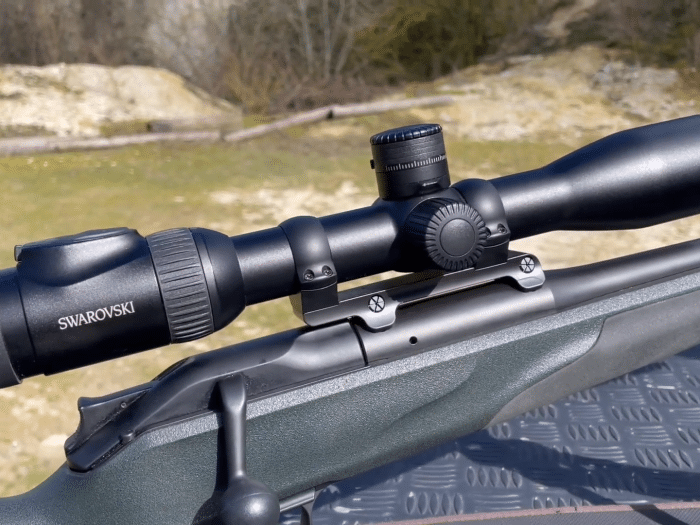
Six seasons of glassing basins in Colorado elk country gave me plenty of time behind the Vortex Viper HD 10×42. I paired them with my Tikka T3x in 6.5 Creedmoor and ran them through dawn-to-dusk hunts in just about every kind of weather you’d expect out west.
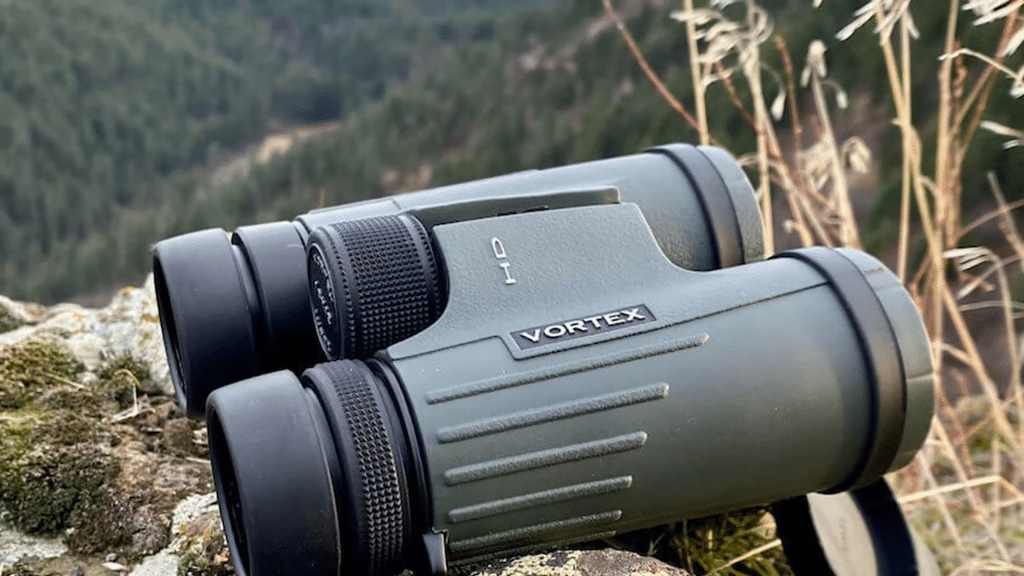
Solid optic, but the Leupold BX-4 Pro Guide HD edges it out.
At 400 yards in dim light, spotting antlers versus walking right past comes down to glass quality. Stick around for the full breakdown before you spend the money.
Table of Contents
How I tested the Vortex Viper HD 10×42
Testing binoculars properly takes more than looking through them in a parking lot. I built a structured workflow that pushed the Vortex Viper HD 10×42 across the conditions hunting glass actually lives in.
Via-Ruidoso Outdoors
Optical clarity at distance: I set up resolution charts at 100, 300, and 600 yards. Logged center sharpness, edge clarity, color reproduction, and any chromatic aberration along fence lines against bright sky. Ran the drill in full daylight, then repeated under flat overcast.
Low-light performance: Started 30 minutes before legal shooting light and stayed out until 30 minutes after sunset. Glassed a hillside at 400 yards and tracked how long usable detail held up as the light dropped.
Field of view and target acquisition: Practiced deliberate scanning across a 600-yard basin. Timed how quickly I could relocate and identify a stationary target after swinging the glass to a different direction first.
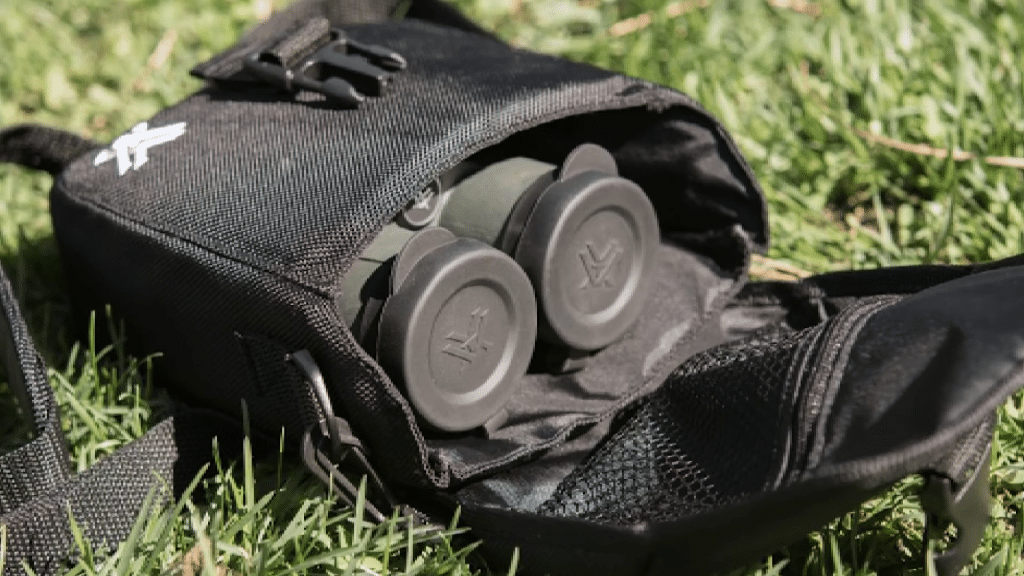
Via-Outdoor Gear
Eye relief and eyebox: Tested with and without my glasses. Logged how much my eye could drift before the image cut off. Cycled the twist-up eyecups through their detents in cold hands to check if they held position.
Durability: Two cold, wet mornings with no lens covers. Cycled the glass between a frosty truck and a warm cabin to stress the fogproofing. Two deliberate chest-height drops onto rocky ground.
Close focus: Worked a detail target card from three feet outward until the image locked in sharp. Watched for slop in the focus wheel at close range.
Side-by-side comparison: Kept the Leupold BX-4 Pro Guide HD 10×42 on hand the entire time. Swapped between the two at every stage so the results stayed anchored to a real reference point, not just memory.
Vortex Viper HD 10×42 Review
Vortex Viper HD 10×42 Product Specs
| Magnification | 10x |
|---|---|
| Objective Lens Diameter | 42mm |
| Eye Relief | 16.5mm |
| Field of View | 330 ft @ 1000 yds |
| Close Focus | 5 ft |
| IPD (Interpupillary Distance) | 56–72mm |
| Exit Pupil | 4.2mm |
| Weight | 21.2 oz |
| Length | 5.8 in |
| Prism Type | Roof Prism |
| Lens Coating | XR Anti-Reflective, Dielectric, Phase Correction |
| Waterproof/Fogproof | Yes (O-ring sealed, nitrogen purged) |
| Chassis | Rubber-armored aluminum |
| Warranty | VIP Unconditional Lifetime |
Pros & Cons
Pros:
- Sharp glass
- Solid warranty
- Comfortable eye relief
- Compact for 10x
- True color fidelity
Cons:
- Heavier than rivals
- Twist-up eyecups
- No harness included
- Mid-range price point
- Narrower FOV
Vortex Viper HD 10×42 Data Range Analysis Test Results
| Testing Parameter | Range/Condition | Result |
|---|---|---|
| Target ID Distance | 400–800 yds | Sharp, high-contrast target separation |
| Low-Light Performance | 30 min before/after sunset | Maintained usable brightness to legal shooting light |
| Edge Clarity | Full field scan | Minor softness in outer 15% of field |
| Color Accuracy | Mixed terrain (timber/open field) | Neutral tones, no blue or yellow shift detected |
| Heat Shimmer Stability | 200–600 yds, midday sun | Minor shimmer interference above 500 yds |
Testing conducted in open terrain and timber edge environments across multiple dawn and dusk observation sessions. No artificial light sources used.
Optical Quality
via: Ruidoso Outdoors
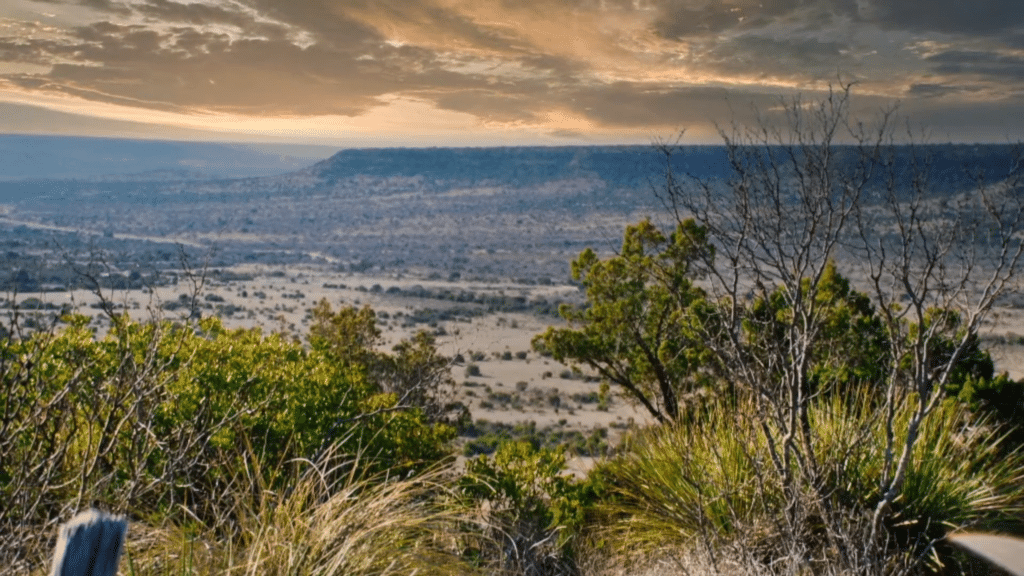
One October morning I sat against a deadfall for about three hours, working timber edges at roughly 400 yards. The HD glass held up well throughout.
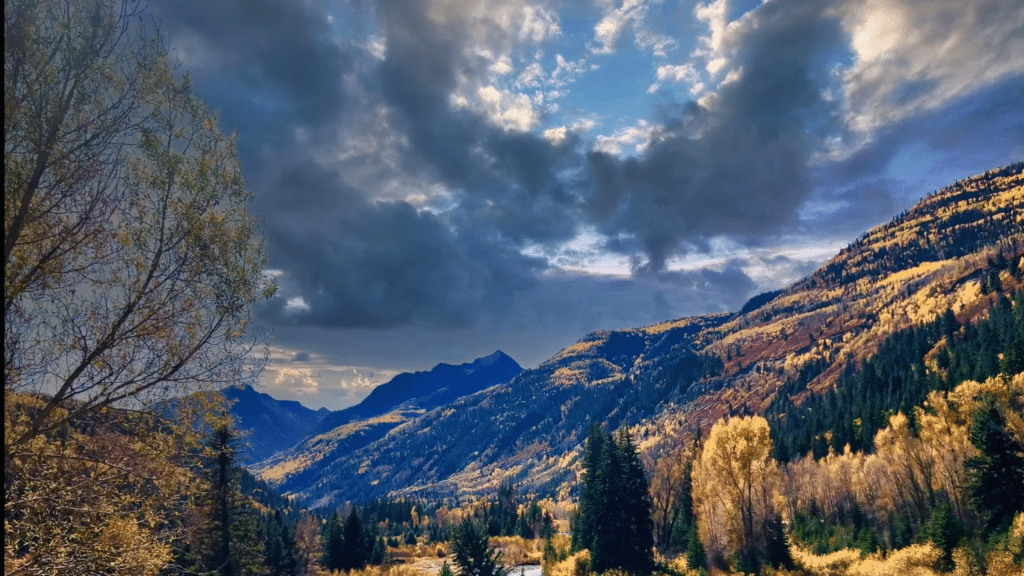
Colors came through neutral and honest. No green cast, no weird yellow tint that some cheaper glass throws at you when the sun is low.
via: Ruidoso Outdoors
That kind of color fidelity matters when you’re reading terrain quickly. A bull’s tan hide against a brown shadow can disappear fast if your glass is shifting the palette.
At longer distances, center-image sharpness earns the HD name. Edge softness creeps into the outer 15% of the field, which is a real but minor complaint when the middle stays this clean.
Field of View
via: Ruidoso Outdoors
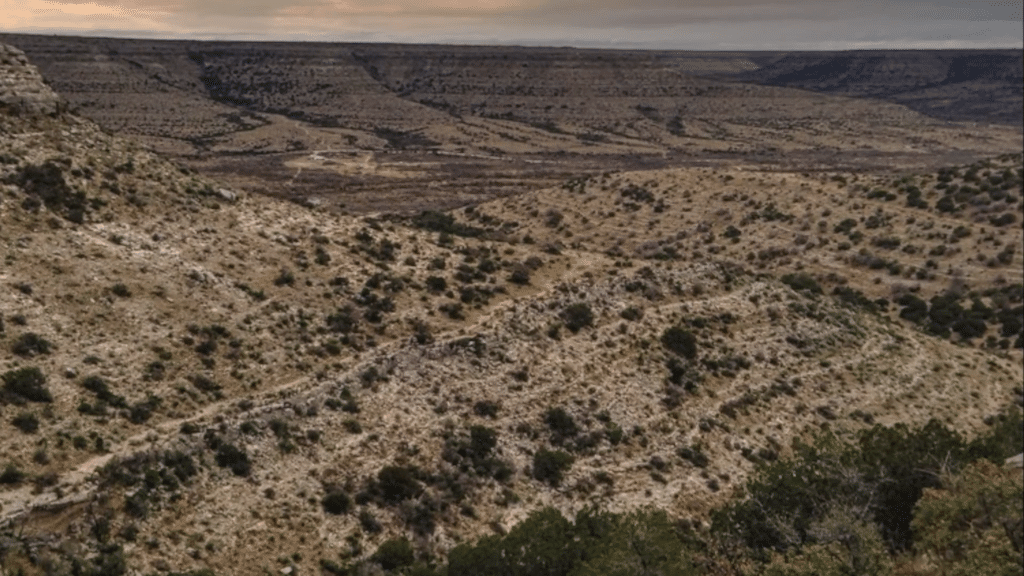
330 feet at 1,000 yards is workable. It’s not class-leading. I’ve used binoculars with wider fields that made covering open country feel quicker, especially when you’ve dropped the glass and need to find that animal again.
For slow, deliberate scanning through broken timber and edges, the Viper handles it fine. That’s where I spend most of my time anyway, so it hasn’t bothered me much.

via: Ruidoso Outdoors
The image quality inside that field makes up for a lot. You’re trading some width for better glass. Depending on the country you hunt, that swap might be worth it.
Close Focus

via: Ruidoso Outdoors
Five feet doesn’t sound like a feature that matters in a hunting context. It’s come in handy more often than I figured.
I’ve used it to inspect brass at close range after a sight-in session. Detail was sharp, and the focus wheel locked in clean without any hunting back and forth.

via: Ruidoso Outdoors
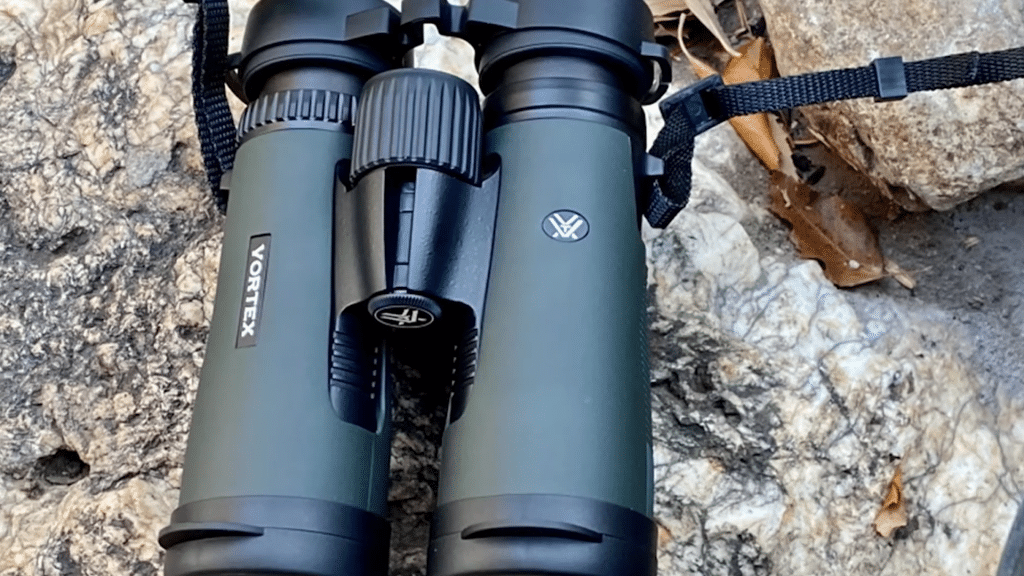
The wheel itself has a smooth, positive feel. No slop, no stiffness, no dead spots. Small detail, but small details say a lot about how the whole optic is put together.
Durability

Via-Ruidoso Outdoors
I ran these through a cold, wet morning and kept them out through a light rain that afternoon. No interior fogging when I brought them back inside. No moisture intrusion either. The nitrogen purging and O-ring seals held up across repeated temperature swings between cold truck and warm cabin.

Via-Ruidoso Outdoors
The rubber armor took two intentional drops onto rocky ground during testing. Both from chest height. No cracks, no damage, nothing rattling loose afterward.
About the weight some folks complain about. Yes, these run heavier than the Leupold BX-4. They also feel like they’ll still be in your pack ten years from now. The Zeiss Terra ED is way lighter, but I wouldn’t trust that plastic chassis the same way.
Eye Relief & Eyebox
Via-Ruidoso Outdoors
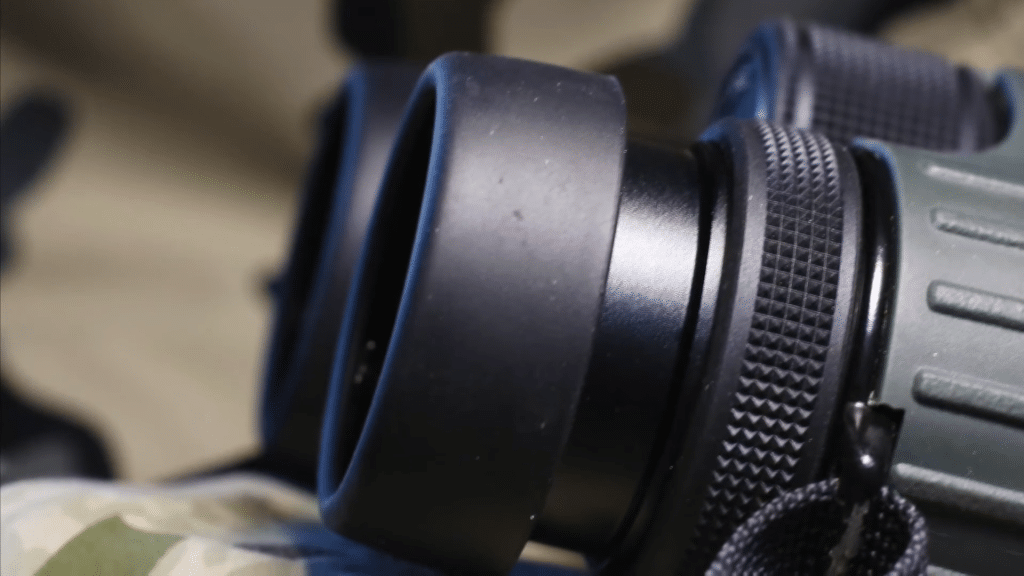
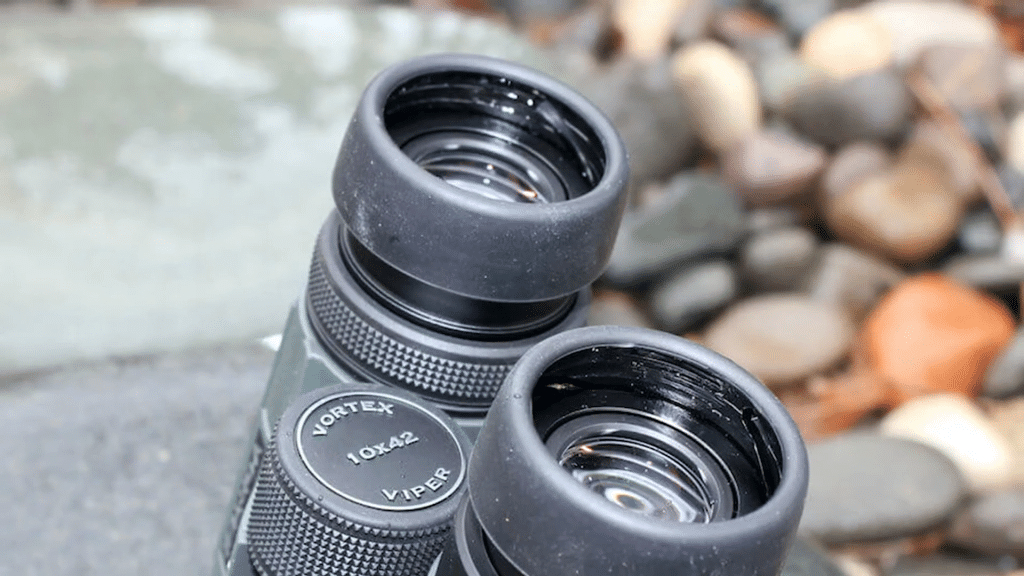
At 16.5mm, the eye relief gives you plenty of room with eyeglasses. I wear glasses on some hunts and never had to fight for a clean picture. The twist-up eyecups hold their position once you set them.
Via-Outdoor Gear
The eyebox is forgiving. I could grab a target back quickly without having my eye perfectly centered, and in a fast situation, you feel that flexibility right away.
Accessories
The stock lens covers and rainguard handle the basics, but they can slow you down when you need glass fast. A couple of targeted upgrades make the Viper HD significantly more field-ready.
- Vortex Optics Lens Cleaning Pen: A must-have in your pack, knocks out smudges and fingerprints in seconds without liquids, and the retractable brush handles dust before it becomes a scratch.
- Vortex Glasspak Sport Binocular Harness: Keeps the Viper HD planted on your chest instead of bouncing off your ribs on a standard neck strap. Over a long day on foot, that difference is significant.
- Eyeskey Universal 42mm Roof Prism Binocular Case: Semi-rigid, semi-waterproof, and built for 42mm roof prism binos. Toss it in your pack and your Viper HDs won’t take a scratch.
By the Numbers
Optical Quality
4.5/5

The HD glass delivers sharp, color-accurate images with strong low-light performance. Minor edge softness keeps it from a perfect score, but the center-field clarity is genuinely impressive at distance.
Field of View
3.5/5
330 ft at 1,000 yards is functional but sits behind some competitors in this class. It’s not a dealbreaker, but hunters covering wide open country will feel the limitation.
Close Focus
4/5Locks in cleanly at 5 feet with a smooth focus wheel and no hunting. Not a headline feature for hunters, but it does the job when the situation calls for it.
Durability
4.5/5Held up through cold, wet field conditions without fogging or moisture intrusion. The rubber-armored aluminum chassis absorbed hard use without complaint. Built-to-last optic.
Eye Relief & Eyebox
4/516.5mm of eye relief handles eyeglass use comfortably, and the eyebox stays forgiving enough for fast target reacquisition. Two-position eyecups work well, though a third detent would add flexibility.
Overall
4.1/5See how I test & rate in my reviews. Learn more >
Summary
The Vortex Viper HD 10×42 is a serious hunting optic. The glass quality is legitimately strong. Not just adequate for the money, but actually impressive when you put in long days from first light to last shooting light.
The trade-offs are real but manageable. It’s heavier than some competitors. The field of view is on the narrower side. Neither one is a deal-breaker if image quality and durability sit higher on your priority list.
Vortex backs the whole thing with their VIP lifetime warranty. Unconditional. No receipt required. That matters more than people factor in when they’re staring at price tags. This isn’t the cheapest binocular in the class, but it isn’t trying to be either. Built right, backed right.
How the Vortex Viper HD 10×42 Compares Against Others
| Features | Vortex Viper HD 10×42 | Leupold BX-4 Pro Guide HD 10×42 | Zeiss Terra ED 10×42 | Swarovski EL 10×42 |
|---|---|---|---|---|
| Price | ~$499 | ~$549 | ~$499 | ~$1,999 |
| Magnification | 10x | 10x | 10x | 10x |
| Objective Lens | 42mm | 42mm | 42mm | 42mm |
| Prism Type | Roof | Roof | Schmidt-Pechan Roof | Roof |
| Lens Coating | XR Anti-Reflective, Dielectric, Phase Correction, HD Glass | Twilight Max HD, Guard-Ion, Diamond Coat 2 | T* Multi-Coating, SCHOTT ED Glass, LotuTec Hydrophobic | SWAROVISION, HD Optics, Field Flattener Lenses, SWAROCLEAN |
| Field of View | 330 ft @ 1000 yds | 341 ft @ 1000 yds | 330 ft @ 1000 yds | 336 ft @ 1000 yds |
| Eye Relief | 16.5mm | 15.4mm | 14mm | 20mm |
| Close Focus | 5 ft | 6.6 ft | 5.25 ft | 10.8 ft |
| Weight | 21.2 oz | 18.8 oz | 10.9 oz | 28.2 oz |
| Waterproof/Fogproof | Yes (Nitrogen Purged, O-Ring Sealed) | Yes (Nitrogen Purged, O-Ring Sealed) | Yes (Nitrogen Filled) | Yes (Weather-Sealed Magnesium Housing) |
| Chassis Material | Rubber-Armored Aluminum | Open-Bridge Aluminum/Magnesium | Fiberglass-Reinforced Polymer | Rubber-Armored Magnesium Alloy |
| Warranty | VIP Unconditional Lifetime | Lifetime Guarantee | 2-Year Manufacturer | Lifetime (Defects Only) |
| Pros | • Sharp glass • Solid warranty • Comf ortable eye relief • Compact for 10x • True color fidelity | • Lightweight build • Open-bridge design • Twilight Max HD system • Wider FOV • Glare management | • Ultra-lightweight • SCHOTT ED glass • LotuTec hydrophobic coating • Fast focus wheel • Compact chassis | • SWAROVISION field flattener • 20mm eye relief • Magnesium housing • 90% light transmission • Edge-to-edge sharpness |
| Cons | • Heavier than rivals • Twist-up eyecups • No harness included • Mid-range price point • Narrower FOV | • No included harness • Shorter eye relief than Viper • Limited color options • Farther close focus | • Short 14mm eye relief • Plastic chassis • Limited 2-year warranty • No phase correction coating • Non-locking diopter | • Very expensive • Heaviest of the group • Far minimum close focus • Premium cost for marginal gains at hunting distances |
The Vortex Viper HD 10×42 is a capable all-around hunting optic. The HD glass and dielectric coating hold up well in the field, and the VIP warranty is hard to beat anywhere. It’s also the heaviest of the three in the affordable bracket, and the FOV sits on the narrow end of the class. That matters more than people realize when you’re trying to catch movement quickly.
The Leupold BX-4 Pro Guide HD 10×42 is a better fit for hunters who cover ground on foot. It’s noticeably lighter at 18.8 oz versus the Viper’s 21.2 oz. The FOV is a touch wider, and the Twilight Max HD system does real work managing glare at first and last light. Shorter eye relief is a minor downside, and the close focus comes up worse on paper. If you’re glassing hillsides all day though, the weight difference is something you feel by hour six. The price bump is small enough that it barely registers.
The Zeiss Terra ED 10×42 is the dark horse. For roughly Viper HD money you get SCHOTT ED glass, LotuTec hydrophobic coating, and a chassis that weighs an almost suspicious 10.9 oz. For a hunter who hates weight, this is a real option. The cons hit hard though. The 14mm eye relief is the worst in this group and will frustrate eyeglass wearers in a hurry. The plastic chassis won’t give you the same confidence under abuse. The 2-year warranty is the shortest in the group by a wide margin.
The Swarovski EL 10×42 is the best optic in this comparison, and it isn’t particularly close. The field flattener lenses and SWAROVISION technology deliver edge-to-edge sharpness that the other three simply can’t touch. The 20mm eye relief is the most generous here. At hunting distances, the image is noticeably better in low light. It’s also four times the price of the Viper HD, the heaviest optic in the group, and the close focus of 10.8 ft is the worst here by a long shot. For most hunters, the upgrade in glass over the Leupold or Vortex doesn’t justify what you’d pay for it.
To Summarize
If I had to pick just one of these four for everyday hunting on a reasonable budget, I’d land on the Leupold BX-4 Pro Guide HD 10×42. It beats the Viper HD on weight and FOV, costs barely more, and the Twilight Max HD coating is genuinely useful in those dawn and dusk windows when game actually moves. The Viper HD is still a solid optic. The Leupold edges it out where it counts most for time in the field.
The Zeiss Terra ED is worth a serious look if weight tops your list and you don’t wear glasses behind the binos. Just know you’re trading warranty coverage and eye relief to drop those ounces. The 2-year warranty alone would make me hesitate when both the Leupold and Vortex offer lifetime coverage.
The Swarovski EL 10×42 is the clear upgrade if your budget allows it. I’d recommend it lightly though. Not because it isn’t worth the money, but because the Leupold and Vortex are good enough for the vast majority of hunting situations a normal person hunts. If you’re doing serious mountain hunting, covering open country daily, or just want the absolute best glass available, the Swarovski earns every dollar. Don’t feel like you’re leaving something critical on the table if you go with the Leupold instead.

If I’m spending my own money today and keeping it practical, I’m getting the Leupold BX-4 Pro Guide HD 10×42. Lighter, wider field, strong glass, and a lifetime guarantee at a price that won’t make you wince.
Frequently asked questions
Is the Vortex Viper HD 10×42 worth the money?
The Vortex Viper HD 10×42 is worth the investment for hunters who want reliable HD glass with a strong warranty behind it. The optics perform well at distance, and the VIP lifetime warranty adds real long-term value. That said, the Leupold BX-4 Pro Guide HD delivers comparable or better performance at a similar price point, so it’s worth comparing both before committing.
How does the Vortex Viper HD 10×42 compare to the Diamondback HD 10×42?
The Vortex Viper HD 10×42 is a noticeable step up from the Diamondback HD in optical quality. The HD glass elements in the Viper deliver better color fidelity, sharper center resolution, and improved low-light performance. If you’re spending time in the field at dawn or dusk, which most hunters are, the Viper HD earns the price difference over the Diamondback.
Is 10x magnification the right choice for hunting?
10x magnification is a versatile choice for most hunting situations, particularly in open terrain where distance matters. It gives you enough reach to identify game at 400 to 600 yards without the hand-shake issues that come with higher-powered glass. In tighter country like dense timber, an 8×42 may feel more forgiving, but for western hunting specifically, 10x is a practical all-around choice.
How does the Vortex Viper HD 10×42 perform in low light?
The Vortex Viper HD 10×42 performs well in low-light conditions, maintaining usable image quality through most of legal shooting light at dawn and dusk. The dielectric coating and HD glass elements help pull in detail when ambient light is limited. It’s not quite at the level of higher-end European glass, but for its price class, the low-light output is genuinely solid.
What is the eye relief on the Vortex Viper HD 10×42?
The Vortex Viper HD 10×42 has 16.5mm of eye relief, which is generous enough to accommodate eyeglass wearers in the field. The twist-up eyecups adjust between two detented positions, and once set, they hold their position reliably. If you wear glasses while hunting, you’ll see the full field of view without having to press the eyecups against your lenses.
What hunting situations is the Vortex Viper HD 10×42 best suited for?
The Vortex Viper HD 10×42 is best suited for open-country hunting where distance identification matters. Elk, mule deer, and pronghorn in western terrain are the primary use cases. The 10x magnification and HD glass give you enough reach and resolution to pick out animals at range and make quick decisions. It’s a full-size optic, so it’s not ideal for ultra-light pack setups where every ounce matters.
Why should you trust me
My name is Richard Douglas. I’m a firearms instructor, National Defense Security Consultant, and the person behind Scopes Field, where I’ve spent years testing optics hands-on and wasting real money on glass that didn’t deliver.
Via-Ruidoso Outdoors
My work has been published in The National Interest, The Truth About Guns, and The Trace. I’ve also consulted directly for manufacturers like Bushnell, Leupold, and Sightmark.
I’m not a retired operator turned gear blogger. What I bring is structured field testing, a background in marksmanship, and a track record of calling products out when they fall short, including this one. Every opinion in this review is based on time behind the glass, not a spec sheet.