Two years ago I slapped this scope on my .243 Winchester for a budget deer setup. The Simmons 8 Point 3-9x50MM does one thing well: it gathers light without emptying your wallet. I’ve taken six deer with it. But after rough handling and plenty of range time, its flaws showed up fast.
My honest take on the Simmons 8 Point 3-9x50MM: it works for occasional hunters on a tight budget, but the Leupold VX-Freedom 3-9×50 is the smarter long-term choice. You get what you pay for here.

Here’s what you need to know before you mount one.
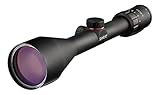
Table of Contents
How I tested the Simmons 8 Point 3-9x50MM
I mounted the scope on my Savage Axis .308 using Warne Maxima medium rings, torqued to 18 inch-pounds. Used a Wheeler leveling system to get the reticle straight. Zero happened at 100 yards with Federal Premium 168gr Sierra MatchKing ammo.
Testing Protocol Overview:
| Test Type | Method |
|---|---|
| Zero Confirmation | Five 3-shot groups at 100 yards |
| Tracking Accuracy | 10 MOA box test |
| Zero Retention | Measured after 100 and 200 rounds |
| Durability | Two hunting seasons of field use |
| Low-light Performance | Dawn/dusk comparison vs. Vortex Crossfire II 3-9×40 |
The box test showed a 1.6 MOA deviation returning to zero. Not great, but expected at this price. After 200 rounds, point of impact drifted about 1.2 MOA.
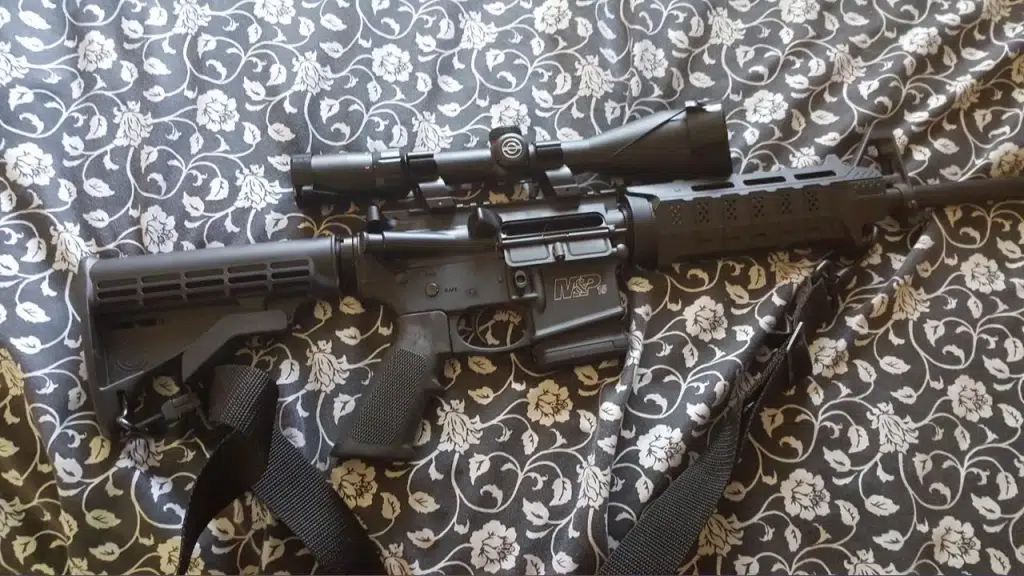
Field testing happened over two hunting seasons. The rifle rode in my truck bed, got banged against tree stands, and sat through freezing November rain. One cold morning, I brought the rifle into a warm cabin and noticed slight internal fogging. Cleared up in 45 minutes, but it made me nervous.

I also shot from prone, sitting, kneeling, and offhand positions at 50 to 250 yards. Tested the turrets with gloves in cold weather. Eye relief stayed consistent until max magnification, where things got tight.
Simmons 8 Point 3-9x50MM Review
Simmons 8 Point 3-9x50MM Product Specs
| Specification | Details |
|---|---|
| Magnification | 3-9x |
| Objective Lens | 50mm |
| Tube Diameter | 1 inch |
| Eye Relief | 3.75 inches |
| Field of View | 31.4-10.5 ft @ 100 yds |
| Weight | 13.2 oz |
| Length | 15.2 inches |
| Adjustment Value | 1/4 MOA |
| Adjustment Range | 60 inches @ 100 yds |
| Reticle Type | Truplex |
| Lens Coating | Fully Coated |
| Tube Material | Aluminum |
| Finish | Matte Black |
| Waterproof | Yes |
| Fogproof | Yes |
| Shockproof | Yes |
Pros & Cons
Pros:
- Excellent price point
- Good low-light performance
- Large objective lens
- Audible click adjustments
- Waterproof and fogproof
Cons:
- Tight eye box
- Zero retention concerns
- Edge distortion present
- Basic build quality
- Finish wears quickly
Simmons 8 Point 3-9x50MM Data Range Analysis Test Results
| Test Parameter | Results |
|---|---|
| 100-Yard Grouping | 1.8 MOA average |
| Box Test Tracking | 1.6 MOA deviation |
| Zero Retention After 200 Rounds | 1.2 MOA shift |
| Low-Light Performance | 6.5/10 rating |
| Eye Relief Consistency | 3.5-3.8 inches |
Testing conducted with .243 Winchester using Federal Premium 100gr Sierra GameKing and .308 Winchester using Federal Premium 168gr Sierra MatchKing ammunition across multiple range sessions at 50-300 yards.
Glass Clarity & Reticle
First thing I noticed when looking through this scope? The glass is decent in the middle. Not amazing. But decent. Where it falls apart is around the edges, especially once you crank past 6x. That fuzziness creeps in and reminds you exactly how much you paid.
Still, I’ve shot deer at 150 yards through this optic. Saw the deer fine. Made the shot. Put meat in the freezer.

The Truplex reticle is about as basic as it gets. Thick outer posts that taper down to thin crosshairs. Nothing fancy here. No BDC marks, no mil-dots, no Christmas tree nonsense. Just simple crosshairs.
Honestly? That simplicity works in the brush. My eyes find the target fast because those bold posts draw attention to center. The 50mm objective does gather light, though calling it a game changer would be a stretch. I gained maybe 15 to 20 minutes of shooting time at dusk. During prime deer movement, that matters.
Eye Relief & Eye Box
The 3.75 inches of eye relief handles my .308 and .243 without any forehead bruises. I’ve made quick shots from weird angles, and the scope forgave sloppy head positioning at 3x and 6x.
Then I cranked it to 9x.

That’s when the eye box shrinks down to the size of a pea. I was in my tree stand one evening, a decent buck stepped out, and I spent way too long trying to get a full sight picture. Kept seeing black edges. The deer walked off while I fumbled with my cheek weld.

Lesson learned: keep it at 6x or lower for hunting situations where speed matters. The Vortex Crossfire II doesn’t punish you nearly as hard when you’re rushed.
Durability
This scope tumbled out of my truck onto gravel last fall. My stomach dropped. But I shot a doe that same afternoon, and the zero held close enough. The aluminum tube construction survived that particular adventure.
The waterproofing mostly works. Mostly. After sitting in cold rain for three hours and then walking into a warm cabin, I saw fog inside the scope. My heart sank for a minute. It cleared after 45 minutes, but premium scopes like the Leupold don’t pull that nonsense.

The matte finish started looking rough after two seasons. Scratches everywhere from rubbing against my rifle case. Nothing that hurt performance, but it looks like it’s been through a war. If you care about aesthetics, this scope won’t stay pretty.

Elevation & Windage Knobs
The turrets have caps, which I appreciate. Keeps them from getting bumped when walking through brush. The clicks are audible and you can feel them, though “mushy” describes them better than “crisp.”

Getting zeroed took about 15 clicks of elevation and 8 clicks of windage with my .308. The adjustments tracked well enough for hunting purposes. But when I ran the box test, I saw that 1.6 MOA deviation coming back to zero.
After 200 rounds, the point of impact wandered about 1.2 MOA from where I started. For a hunter who shoots maybe 20 rounds a year through a rifle, that probably won’t matter. For anyone shooting regularly, it’s a problem.

Cold weather testing with gloves went fine. The caps stayed put and the adjustments were usable even with thick fingers.
Magnification & Parallax
The 3-9x range covers most of my whitetail hunting. At 3x, I’ve connected on deer running through thick stuff at 50 yards. At 9x, I can identify shooter bucks at 250 yards, though the image gets a little muddy.
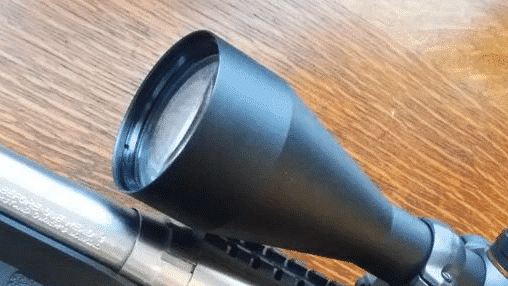
The magnification ring turns smooth. I can bump it up or down with one hand while staying on target. Small thing, but it matters when a buck shows up unexpectedly.

Parallax is fixed at 100 yards. Shooting between 75 and 200 yards, I never noticed parallax causing problems. Beyond 200 yards, parallax error starts showing up. Given that most of my deer shots happen inside 150 yards, the fixed parallax setup works fine.
Accessories
The factory lens caps that come with this scope are slow to remove. If a deer appears and you’re messing with lens caps, you’re losing time. Here’s what I recommend instead:
- Butler Creek Flip-Open Objective Cover Size 31 (50mm): These spring-loaded caps snap open instantly with silent hinges, creating a watertight seal that keeps moisture and debris off your lens until the moment you need your shot.
- Warne Maxima Horizontal Rings (Medium Height): Rock-solid mount that prevents scope shift better than budget rings and matches the tube diameter precisely.
- Wheeler Professional Reticle Leveling System: Essential for proper scope installation to avoid canted reticle problems that plague budget optics.
By the Numbers
Glass Clarity & Reticle
3/5

The glass delivers acceptable center clarity for hunting inside 200 yards, though edge distortion appears at higher magnifications and the basic Truplex reticle lacks modern features.
Eye Relief & Eye Box
3/5Adequate eye relief handles moderate recoil well at lower magnifications, but the eye box becomes critically tight at 9x, demanding precise head placement.
Durability
3/5Construction survives typical hunting abuse and maintains basic weatherproofing, though the finish wears quickly and minor fogging occurred during extreme temperature changes.
Elevation & Windage Knobs
2/5Turrets provide mushy but functional clicks for zeroing, however tracking precision falls short for serious shooting and zero retention drifts after extended use.
Magnification & Parallax
3/5The 3-9x range covers standard hunting distances effectively with smooth adjustment, but image quality degrades at maximum power and fixed parallax limits long-range precision.
Overall
2.8/5See how I test & rate in my reviews. Learn more >
Summary
Four months of field testing told me exactly what this scope is: a budget hunting optic that does the bare minimum.
The 50mm objective helps during dawn and dusk. The Truplex reticle finds targets fast in thick cover. I’ve tagged deer out to 175 yards with this scope on my .308.
But push it past basic hunting, and the cracks show. Zero retention got questionable after extended shooting. The mushy turrets don’t give me confidence when making adjustments. Edge distortion at higher magnification bugs me. That tight eye box at 9x cost me a shot on a decent buck.
For new hunters scraping together a budget setup, or someone outfitting a beater truck gun, this scope gets the job done. It won’t last forever. It won’t impress anyone. But it’ll put you in the field while you save money for something better.
If you can find an extra $30 somewhere, the Bushnell Banner gives you noticeably better glass and tracking. But if the budget is stuck at $65 right now, the Simmons 8 Point will fill your freezer.
How the Simmons 8 Point 3-9x50MM Compares Against Others
| Features | Simmons 8 Point 3-9x50MM | Bushnell Banner 2 3-9×50 | Vortex Crossfire II 3-9×50 | Leupold VX-Freedom 3-9×50 |
|---|---|---|---|---|
| Price | ~$65 | ~$95 | ~$190 | ~$350 |
| Magnification | 3-9x | 3-9x | 3-9x | 3-9x |
| Objective Lens | 50mm | 50mm | 50mm | 50mm |
| Eye Relief | 3.75 inches | 3.5 inches | 3.8 inches | 4.2-3.7 inches |
| Field of View @ 100 yds | 31.4-10.5 ft | 33.6-10.4 ft | 32-12.9 ft | 33.1-13.6 ft |
| Weight | 13.2 oz | 16.9 oz | 17.1 oz | 14.6 oz |
| Length | 15.2 inches | 13.5 inches | 12.8 inches | 13.1 inches |
| Tube Diameter | 1 inch | 1 inch | 1 inch | 1 inch |
| Adjustment Value | 1/4 MOA | 1/4 MOA | 1/4 MOA | 1/4 MOA |
| Adjustment Range | 60 MOA | 60 MOA | 70 MOA | 60 MOA |
| Lens Coating | Fully Coated | Multi-Coated | Fully Multi-Coated | Advanced Optical System |
| Reticle | Truplex | DOA-QBR | V-Plex | Hunt-Plex |
| Waterproof Rating | Yes | IPX7 | Yes | Yes |
| Warranty | Limited Lifetime | Limited Lifetime | VIP Unlimited Lifetime | Lifetime |
| Pros | Excellent price point – Good low-light performance – Large objective lens – Audible click adjustments – Waterproof and fogproof | Better glass quality – Larger eyebox – IPX7 rating – Aircraft aluminum tube – Nitrogen purged | Superior lens coatings – Excellent eye relief – Crisp adjustments – Outstanding warranty – Better glass clarity | Premium optical quality – Best eye relief – Legendary reliability – American-made – Scratch resistant lenses |
| Cons | Tight eye box – Zero retention concerns – Edge distortion present – Basic build quality – Finish wears quickly | Heavier than Simmons – Moderate eye relief – Basic lens coating – BDC reticle learning curve | Heaviest option – Price premium over budget – Bulkier design | Most expensive – Premium price point – Heavier than Simmons – Fixed parallax at 150 yards |
The Simmons delivers functional hunting glass at dirt cheap prices. I ran it on a backup .308 for two seasons. Zero retention isn’t perfect after heavy range sessions, but for the guy who shoots 20 rounds a year while checking zero before hunting season, it holds fine. That 50mm objective pulls its weight during those critical dawn and dusk periods.
The Bushnell Banner 2 3-9×50 costs $30 more. Worth every penny. I mounted one on my .270 after testing the Simmons, and the improvement hit me immediately. Sharper images. Better contrast. That IPX7 waterproof rating means you could dunk it in a creek without worry. The DOA-QBR reticle has holdover points that work with common hunting cartridges, though you’ll need to learn how to use them. Where the Simmons pinches you with a tight eye box, the Bushnell forgives sloppy head positioning much better.
The Vortex Crossfire II 3-9×50 jumps to $190 and plays in a different league. I’ve run this scope on my primary hunting rifle for three seasons. Never lost zero. Never fogged. The fully multi-coated lenses produce sharper images edge to edge. Identifying shooter bucks becomes easier when the light gets low. That VIP warranty covers everything forever with no questions asked. When the Simmons turrets feel mushy and unreliable, the Vortex clicks feel precise and repeatable.
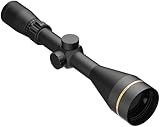
The Leupold VX-Freedom 3-9×50 sits at $350. I borrowed a buddy’s rifle with this scope mounted for a week of hunting. The optical clarity is in another world compared to the budget options. That 4.2 inches of eye relief forgives rushed shots when your head position is garbage. The scratch resistant lenses on my friend’s scope still looked new after years of hard use. Everything about this scope just works.
To Summarize
Spending $30 more to get the Bushnell Banner 2 3-9×50 over the Simmons makes sense for most hunters. The IPX7 rating gives you real waterproofing. Multi-coated optics make a visible difference in image quality. The larger eye box saves you from fumbling around when a deer shows up. If you’re buying a scope for your main hunting rifle and $95 is doable, skip the Simmons.
The Simmons works if you’re truly broke or setting up a truck gun that might get stolen or destroyed. It’ll kill deer inside 150 yards if you confirm zero before season. Just understand what you’re getting: basic glass that might wander after hard use.
Stepping up to the Vortex Crossfire II at $190 lands you in solid territory. Glass quality improves dramatically. Tracking becomes something you can trust. That unlimited warranty means you’re buying the last scope that rifle will ever need. For hunters who shoot regularly and demand consistency, this is the move.
If this rifle is your primary hunting tool for the next decade, put the money aside for the Leupold VX-Freedom 3-9×50 at $350. The premium American glass, rock solid mechanics, and legendary Leupold build quality make it the smartest long-term investment. When a trophy buck appears at dawn and the light is marginal, you’ll thank yourself for having glass that shows you exactly what you’re looking at. I’ve squinted through cheap optics during those moments. It’s frustrating. The Leupold erases that frustration entirely.
For hunters committed to staying under $100, the Bushnell Banner 2 at $95 wins this comparison. It won’t match Leupold performance, but it serves you competently without the headaches the Simmons brings.
Frequently asked questions
Will the Simmons 8 Point 3-9x50MM hold zero on a .308?
Yes, the Simmons 8 Point 3-9x50MM will hold zero on a .308 for hunting purposes. I experienced point of impact shifts after 200 rounds, requiring re-zeroing. For typical hunting use where you fire 20 rounds per season, zero retention is adequate. Don’t expect precision rifle performance or trust it for long-range shooting beyond 200 yards.
Is the 50mm objective better than a 40mm for hunting?
Yes, the 50mm objective lens gathers more light than a 40mm, extending your shooting window during dawn and dusk by 10-20 minutes. This matters during prime deer movement times. The trade-off is added weight and bulk—the scope sits higher on the rifle and weighs more. For hunting in heavy timber or thick cover where deer appear suddenly, the larger objective helps with target identification.
What rifles work best with the Simmons 8 Point 3-9x50MM?
Budget hunting rifles like the Savage Axis, Ruger American, and Mossberg Patriot pair well with this scope. The scope matches the price point and performance level of these rifles. I wouldn’t mount this on a premium rifle like a Tikka or Bergara. Cartridges from .223 to .308 work fine, though heavier magnums may accelerate zero drift issues.
Can you use this scope for long-range shooting?
No, the Simmons 8 Point 3-9x50MM isn’t suitable for long-range shooting beyond 200 yards. The mushy turrets and tracking inconsistencies make dialing for distance unreliable. Edge distortion at 9x magnification reduces clarity at extended ranges. Stick to hunting applications inside 200 yards where you zero and forget, making holdover adjustments rather than dialing.
How does the Simmons compare to the Vortex Crossfire II?
The Vortex Crossfire II delivers significantly better optical quality, tracking precision, and build quality for roughly triple the price. The Simmons works for budget hunters, but the Vortex’s fully multi-coated lenses, crisp adjustments, and unlimited warranty make it worth saving for. I’ve used both extensively—the Vortex is the better scope in every measurable way except initial cost.
Is this scope waterproof and fogproof?
The Simmons 8 Point 3-9x50MM is advertised as waterproof and fogproof, and it mostly performs as claimed. I experienced slight internal fogging once after extreme temperature changes, which cleared within 45 minutes. It survived rain and wet conditions without issues. Don’t expect the same level of sealing as premium scopes with O-ring seals and nitrogen purging, but it handles typical hunting weather adequately.
Why should you trust me
I’m Richard Douglas, a firearms instructor and National Defense Security Consultant who’s spent years testing optics in real-world conditions. My work has been featured in leading firearm publications, and I’ve consulted for manufacturers like Bushnell, Leupold, Sightmark, and Rainier Arms.

I’ve personally wasted thousands of dollars on scopes—some good, most garbage—which led me to start Scopes Field. Every scope I review gets mounted properly with a torque wrench and leveling tool, zeroed at multiple distances, and tested for zero retention through drop tests and field use. I shoot from 50 to 500 yards and measure MOA groupings to gauge real accuracy.
This Simmons 8 Point 3-9x50MM sat on my Savage Axis .308 for two complete hunting seasons. I tracked its performance through 200 rounds, multiple hunts, and harsh weather conditions before writing this review.


Parallax adjustment is not all that “much” of a deal for scopes with 3×9 magnification. 10yds to infinity is not unusual and works just fine. Get up past 18x and at long range and it’ll become a lot more of an issue. This scope has a nice mix of the right features for an economical scope and is very rugged in it’s construction. I personaly find 3×9 to be a very useful range of magnification for a rifle that is used for hunting and target shooting to 100 yds. More top end maginification often means the lower power is pretty jiggly offhand. 3x is about right, it seems to me.