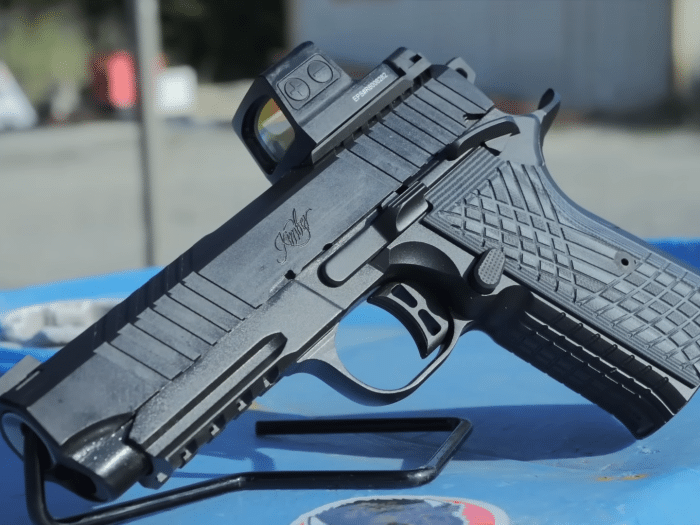
I’ve had this budget red dot on my Ruger 10/22 for over two years now. It keeps target acquisition fast without destroying your wallet. Works best for rimfire builds, casual plinking, and airsoft setups where you need a simple dot to get on target quick.
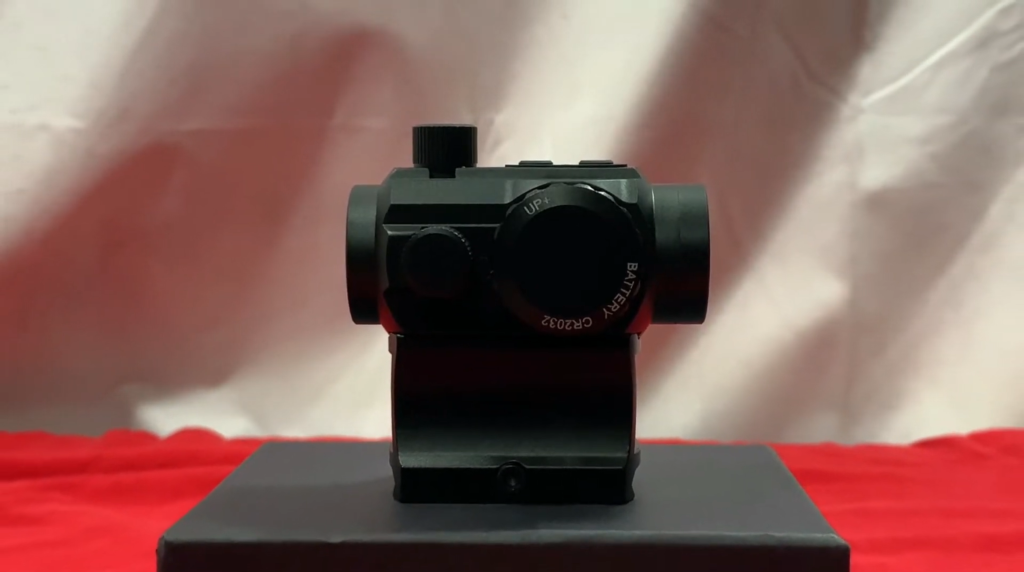
Skip it for a serious defensive build — the Sig Sauer Romeo5 is the smarter upgrade.
Here’s everything you need to know before buying.
Table of Contents
How I tested the Pinty 1×20 Red Dot
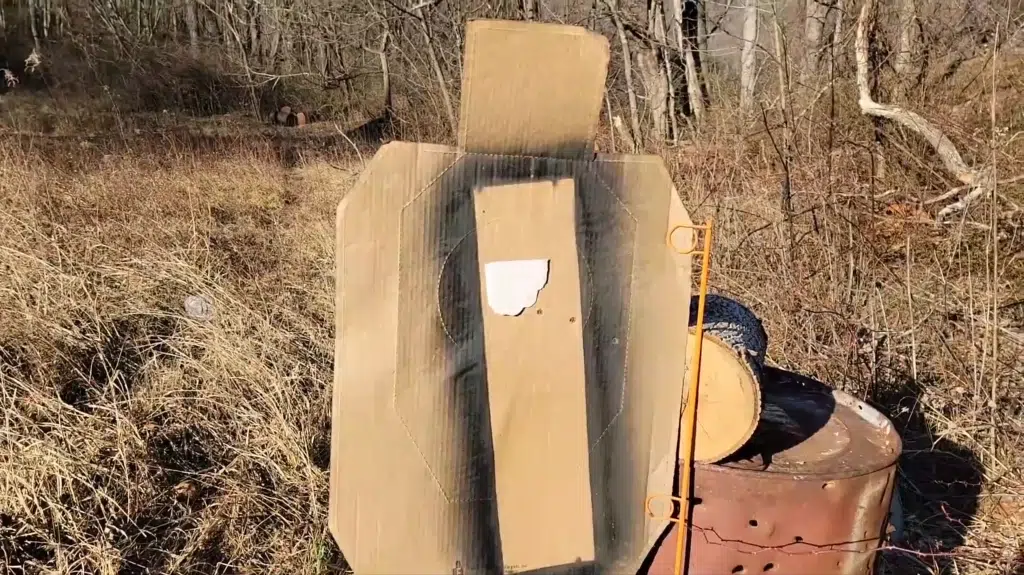
via: ProCaliberShooting
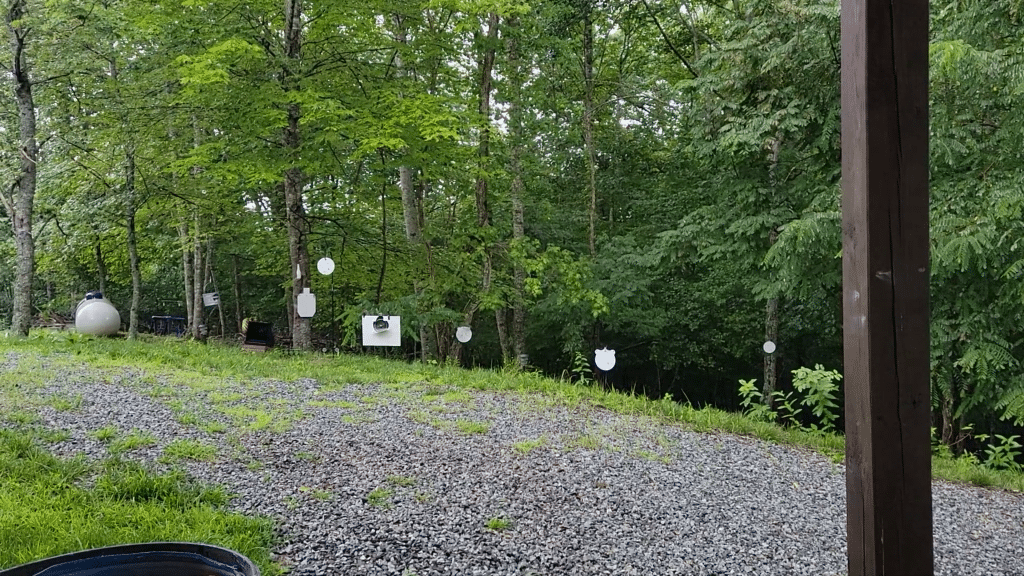
I ran this optic on two platforms: my Ruger 10/22 takedown and a Smith & Wesson M&P 15-22. Both use standard Picatinny rails, so mounting took about thirty seconds.

Testing Protocol:
- Zeroed at 25 yards, confirmed at 50 yards
- Box drill at 25 yards (four MOA adjustments in each direction)
- Round count stages: 50, 100, 150, and 200 rounds with zero checks after each
- Dot clarity tested at 10, 25, 50, and 100 yards
- Brightness evaluated under full shade, partial sun, and direct midday sun
- Low light session at dusk using settings 1 through 4
- Weather exposure: temperature swings, rain, and light drizzle
I used CCI Mini-Mag 40gr .22 LR for consistency, adding Federal American Eagle .22 LR when switching platforms.
via: D.K. Spencer-No FFL Required
For durability, the Pinty stayed in my range bag between sessions. I checked for internal fogging after wet range days and monitored mount screws for any loosening. Battery life was tracked at brightness setting 4 across multiple sessions.
The goal was simple: find out where this optic holds up and where it falls apart.
Pinty 1×20 Red Dot Review
Pinty 1×20 Red Dot Product Specs
| Feature | Details |
|---|---|
| Magnification | 1x |
| Objective Lens Diameter | 20mm |
| Reticle | Red/Green Dot |
| Dot Size | 4 MOA |
| Brightness Settings | 4 Red / 4 Green |
| Battery | CR2032 |
| Battery Life | Up to 1,000 hours |
| Finish | Matte Black |
| Mounting | Weaver/Picatinny Rail |
| Eye Relief | Unlimited |
| Water Resistance | Limited splash resistance |
| Weight | 3.5 oz |
| Length | 2.8 inches |
Pros & Cons
Pros:
- Budget-friendly
- Lightweight
- Dual illumination
- Easy mounting
- Unlimited eye relief
Cons:
- Fragile construction
- Limited weather resistance
- Blurry dot edges
- Loose adjustments
- Short battery contacts
Pinty 1×20 Red Dot Data Range Analysis Test Results
| Testing Parameter | Range | Result |
|---|---|---|
| Dot Clarity | 10–50 yards | Acceptable at 10–25 yds; degraded beyond 30 yds |
| Zero Retention | 50–100 yards | Held zero at 50 yds; shifted 1.5–2 MOA at 100 yds |
| Brightness Usability | Indoor / Outdoor | Settings 1–2 washed out outdoors; 3–4 usable in shade |
| Adjustment Tracking | 25–100 yards | Inconsistent; average 0.5–1 MOA tracking error |
| Durability Under Recoil | 50–200 rounds | Zero shift noted after 150+ rounds on .223 |
Tested using Federal .223 Rem 55gr FMJ on an AR-15 platform across multiple range sessions. All evaluations conducted under standard daylight and low light indoor conditions.
Optical Clarity
via: ProCaliberShooting
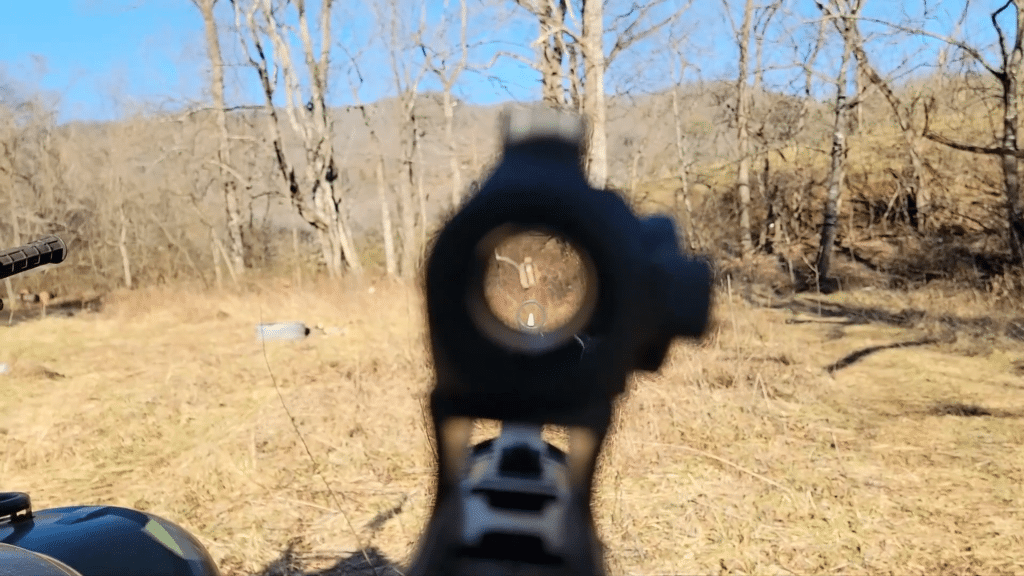
The Pinty 1×20 does best inside 50 yards. That’s its comfort zone.
At 10 to 15 yards, the dot looks clear enough. I could pick up targets fast during drills. No complaints there.
via: Jesse B Outdoors
Past 25 yards, things get fuzzy. The dot edges start to blur and you lose that crisp definition. Not terrible for what this optic costs, but you’ll notice it.

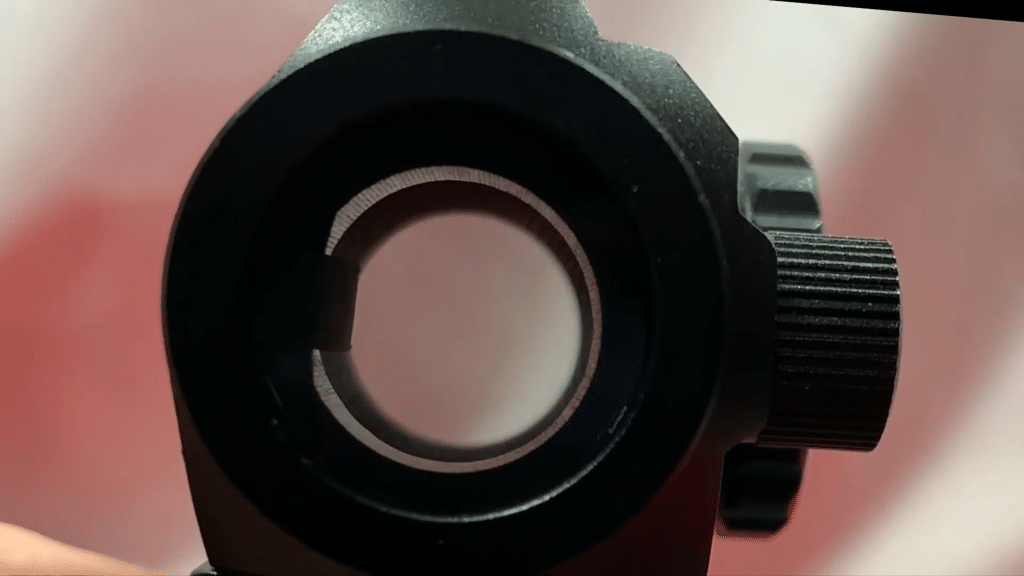
Bright sunlight exposes the basic lens coating. Glare builds up and messes with your sight picture. Cranking brightness to setting 3 or 4 helps some, but it’s more of a band-aid than a fix.
Reticle & Illumination
via: AFRO SNIPER X
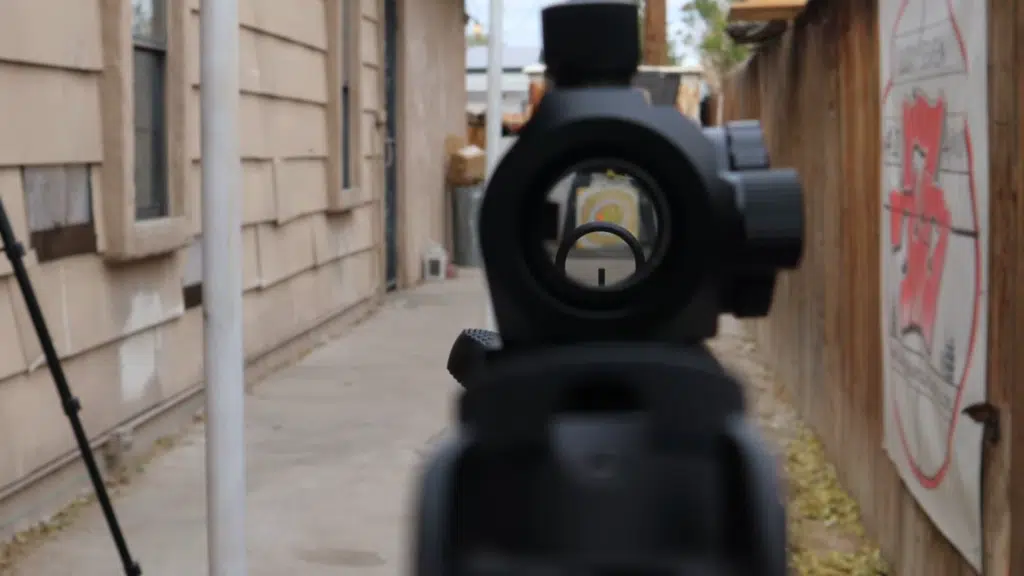
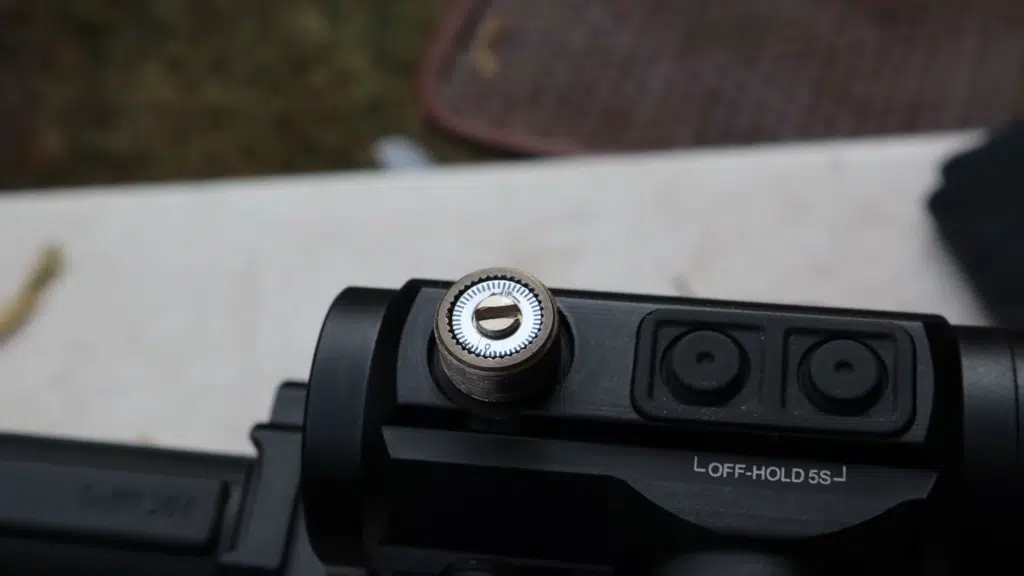
The 4 MOA dot works great for close quarters. I ran some quick drills at 15 yards and the dot showed up fast every time. This is where the Pinty actually earns its price tag.
via: AFRO SNIPER X
You get eight brightness settings total. Four red, four green. Green worked better for me when the light got low. Red gave more contrast outdoors in the shade.
Neither punched through direct sunlight at max brightness. Indoor ranges and shaded outdoor spots? Totally fine.
Zero Retention

via: GunsGearN Freedom
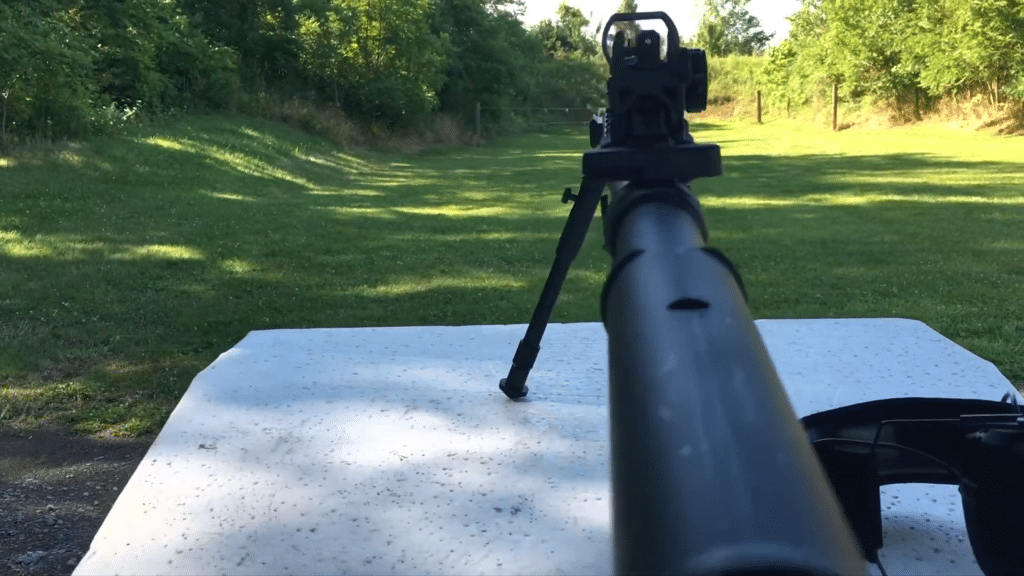
I zeroed at 50 yards and felt pretty good about it. The first 100 rounds of .223 went fine. Zero stayed put.
Then I pushed past 150 rounds. Started seeing drift at 100 yards. Maybe 1.5 to 2 MOA. Not huge, but noticeable.
via: Steve Goff
If you’re running light loads on a rimfire, you probably won’t have issues. Put serious round counts through a centerfire rifle? Plan to recheck zero more often than you’d like.
Durability
via: ProCaliberShooting
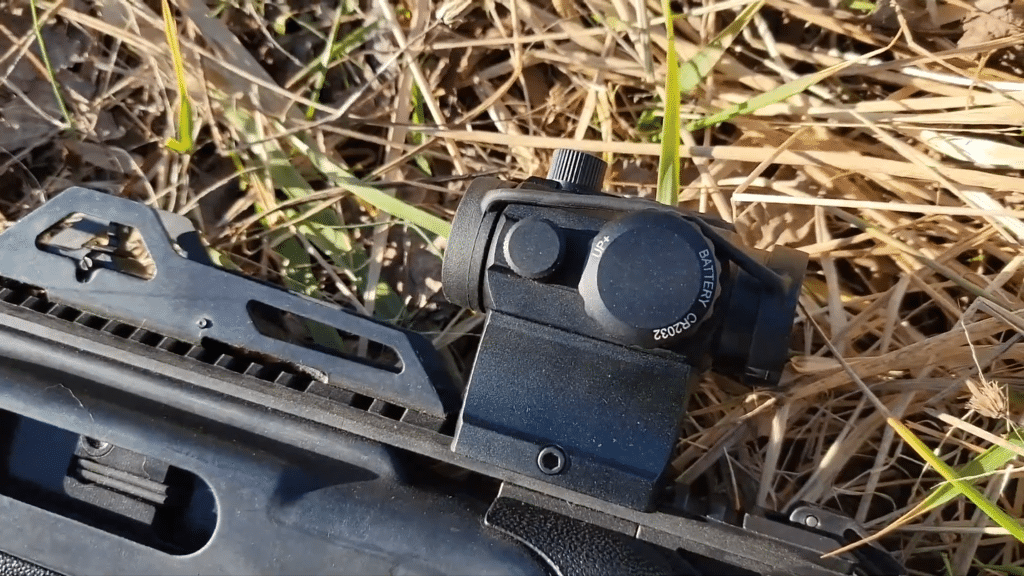
I won’t sugarcoat this. The Pinty isn’t built for abuse.
The housing is light, which is nice for weight. But it feels like it would crack if you dropped it wrong. I never tested that theory on purpose.
Good news: it survived a rainy afternoon at the range without fogging up inside. Credit where it’s due.
via: ProCaliberShooting
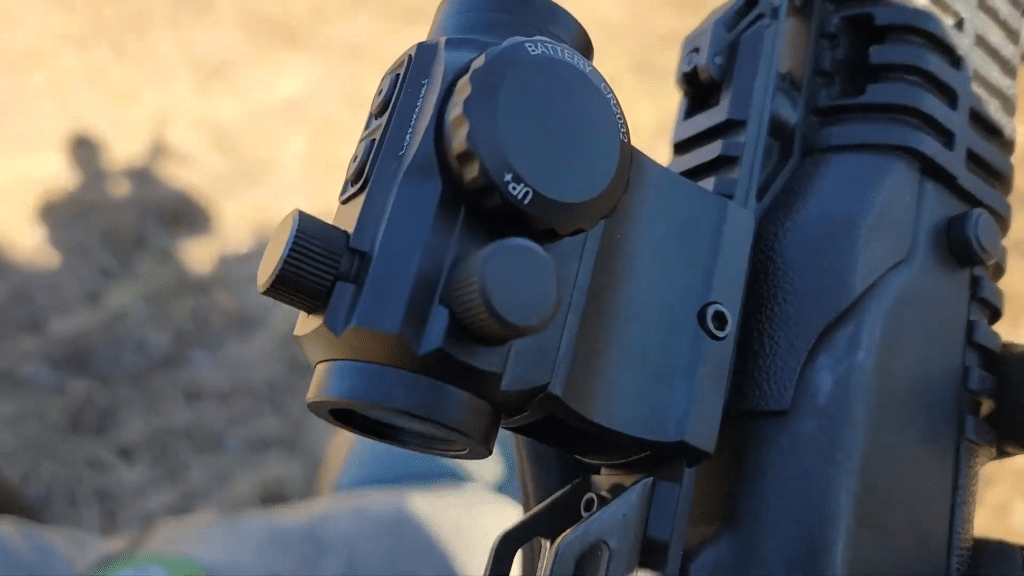
Bad news: the turrets feel cheap and loose. They don’t click with confidence. Any bump or knock, and your zero might be suspect. The Romeo5 I compare it against later? Night and day difference in turret feel.
Ergonomics
via: D.K. Spencer-No FFL Required
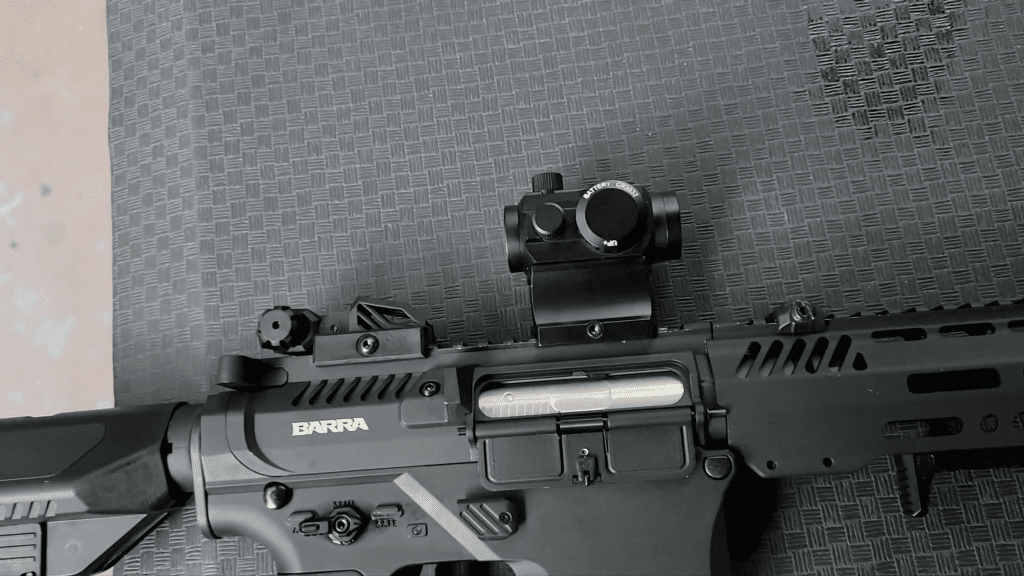
At 3.5 ounces, you barely notice the Pinty on your rifle. That matters if you’re building something lightweight.
It sits low on a standard Picatinny rail. I got a solid cheek weld on my AR without needing a riser. Small thing, but I appreciated not having to buy extra hardware.
via: GunsGearN Freedom
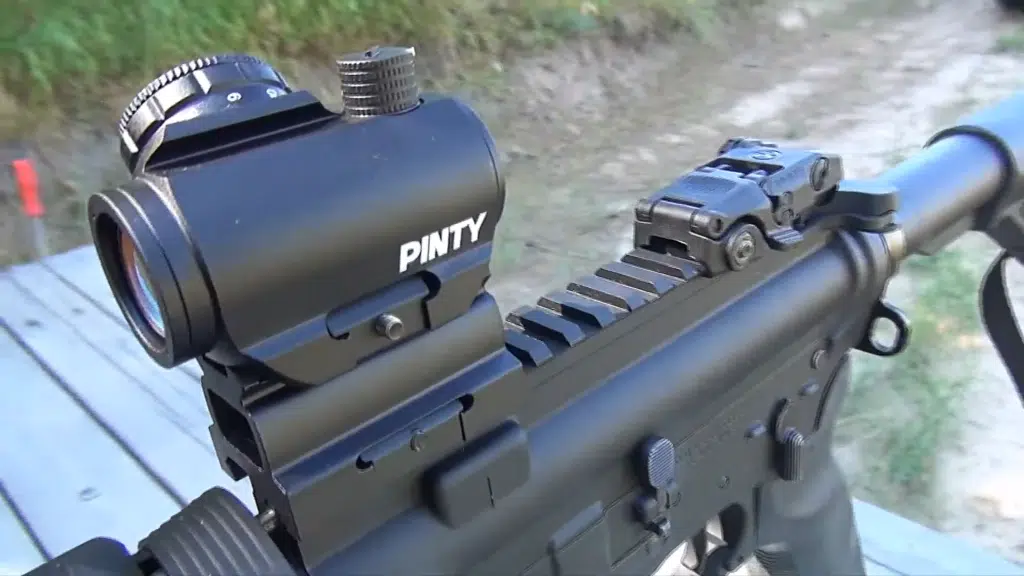
Controls couldn’t be simpler. One button cycles through brightness. Nothing fancy, nothing confusing. For a budget optic meant for close range work, that simplicity is actually a plus.
Accessories
The stock mount gets the job done. But if you want more confidence in your zero, an upgrade helps. Especially with the Pinty’s loose turrets, anything that adds stability is worth considering.
- Feyachi Picatinny Rail Riser Mount: Raises the Pinty to a more natural height on standard AR stocks. Solid fit, no wobble, and a noticeable improvement over the included hardware.
- Vortex Optics Lens Cleaning Pen: The Pinty’s lenses show every fingerprint and smudge. This pen lives in my range bag and keeps the glass clear in seconds without any liquids or risk of scratching.
- ACDelco CR2032 Lithium Batteries (24-Count): The rated 1,000 hour battery life is optimistic at higher brightness settings. Keeping a stash of CR2032s in your range bag is just smart practice with any red dot at this price tier.
By the Numbers
Optical Clarity
2/5

Serviceable at 10–25 yards for its intended close-range role, but clarity degrades noticeably beyond that. Lens glare in direct sunlight adds to the limitation.
Reticle & Illumination
3/5Four red and four green settings offer workable options across most lighting conditions. Solid in low light and shade, but falls short in full sun.
Zero Retention
2/5Held zero acceptably through moderate use, but shifted after 150-plus rounds of .223. Reliable enough for light-use builds, but not for sustained or high-volume shooting.
Durability
2/5Lightweight housing and imprecise turrets make this feel fragile in demanding conditions. Survived light rain without issue, but it’s not built for hard field use.
Ergonomics
4/5Low-profile, lightweight, and easy to mount without extra hardware on standard AR platforms. Simple one-button controls are a genuine strong point for this optic.
Overall
2.6/5See how I test & rate in my reviews. Learn more >
Summary
The Pinty 1×20 costs around thirty bucks, and it performs like a thirty dollar optic. That’s fine if your expectations match the price.
For a first AR build, a .22 plinker, or something you leave at the range, it does the job. Close range, moderate round counts, no drama.
Push harder and you’ll find the limits. Zero drift shows up after heavier shooting sessions. Those squishy turrets never inspire confidence. The housing feels like one bad drop away from problems.
Warranty support from Pinty? Don’t hold your breath. I’ve heard mixed results from folks who needed help.
Think of this as a starter optic. Something to learn on before you save up for something better. The Pinty gets you shooting now. Just don’t expect it to be your forever glass.
How the Pinty 1×20 Red Dot Compares Against Others
| Features | Pinty 1×20 Red Dot | MidTen 2MOA 1x25mm | Bushnell TRS-25 | Sig Sauer Romeo5 |
|---|---|---|---|---|
| Price | ~$30 | ~$32 | ~$55 | ~$109 |
| Magnification | 1x | 1x | 1x | 1x |
| Objective Lens | 20mm | 25mm | 20mm | 20mm |
| Dot Size | 4 MOA | 2 MOA | 3 MOA | 2 MOA |
| Dot Color | Red & Green | Red only | Red only | Red only |
| Brightness Settings | 8 (4R/4G) | 11 | 11 | 10 (8 day + 2 NV) |
| Night Vision Compatible | No | No | No | Yes |
| Auto Shutoff (MOTAC) | No | No | No | Yes |
| Battery | CR2032 | CR2032 | CR2032 | CR2032 (side-load) |
| Battery Life | ~1,000 hrs | ~1,500 hrs | ~5,000 hrs | ~40,000 hrs |
| Water Resistance | Splash only | Nitrogen purged / O-ring sealed | Nitrogen purged / O-ring / IPX5 | IPX-7 (full immersion) |
| Weight | 3.5 oz | 3.8 oz | 3.7 oz | 3.5 oz |
| Mount Included | Weaver/Picatinny riser | 1″ riser mount | Picatinny | Low M1913 Picatinny |
| Eye Relief | Unlimited | Unlimited | Unlimited | Unlimited |
| Zero Retention | Acceptable (moderate use) | Decent (rimfire/light use) | Good (.223 tested) | Excellent (multi-platform) |
| Build Quality | Basic aluminum | Aluminum, nitrogen purged | Aircraft aluminum, shockproof | CNC aircraft aluminum |
| Best Use Case | Budget plinking, .22 LR, airsoft | Budget plinking, rimfire | .22 LR, AR-15, shotguns | AR-15, carbines, defensive use |
| Warranty | 12 months | Limited | Limited | Lifetime |
| Pros | • Budget-friendly • Lightweight • Dual illumination • Easy mounting • Unlimited eye relief | • Budget-friendly • Lightweight • Dual illumination • Easy mounting • Unlimited eye relief | • Trusted brand • Solid zero • Nitrogen purged • 5,000hr battery | • MOTAC auto-off • 40,000hr battery • IPX-7 waterproof • NV compatible • Rock-solid zero |
| Cons | • Fragile construction • Limited weather resistance • Blurry dot edges • Loose adjustments • Short battery contacts | • Red-only dot • No auto-off • No NV • Blurry edges past 30 yds • Basic mount quality | • No auto-off • No NV settings • No green option • No riser included | • Premium price • Red-only dot • Side-load battery awkward • Overkill for casual plinking |
The Pinty 1×20 sits at the bottom of this group price wise. And you can tell. Fine for a .22 or quick plinking inside 25 yards. But zero drift past 150 rounds and those mushy turrets become problems fast on anything centerfire.
The MidTen 2MOA 1x25mm costs about the same and surprised me a little. The 2 MOA dot is tighter than the Pinty’s 4 MOA. Nitrogen purging adds weather protection. Better lens coatings too. Still a budget optic with budget limitations, but a solid alternative if you’re shopping around.
The Bushnell TRS-25 bumps up to around $55 and earns that price. Real weather sealing with nitrogen purging and IPX5 rating. The 5,000 hour battery means fewer swaps. Zero held better on .223 during my testing. It’s missing auto shutoff and night vision settings, but for an everyday carbine optic, this one delivers.
The Sig Sauer Romeo5 plays in a different league entirely. MOTAC auto shutoff alone changes the game. Forty thousand hours of battery life. IPX7 waterproofing means full immersion, not just splash resistance. CNC aircraft aluminum construction. This is the optic you buy when you actually need it to work every single time.
To Summarize
The Pinty 1×20 is cheap and simple. That’s about it.
First optic on a .22? Casual plinker? Airsoft setup? It works fine. Just know what you’re getting.
Put real round counts through a centerfire rifle and you’ll start chasing zero. Those loose turrets will annoy you. The housing feels rickety after a while.
I’ve seen people start with budget optics like this and learn a lot before upgrading. Nothing wrong with that approach. The Pinty fills that role okay.
But if you’re ready to spend a bit more, get the Sig Sauer Romeo5. The MOTAC auto shutoff, IPX7 waterproofing, and 40,000 hour battery life make it the optic I’d actually trust on something I might need to depend on. More expensive, sure. But it’s a genuine upgrade in durability, zero retention, and long term reliability. The Pinty works for now. The Romeo5 is the one you won’t outgrow.

Frequently asked questions
Is the Pinty 1×20 Red Dot good for an AR-15?
Not really, at least not a standard 5.56 AR you shoot often. It can hold zero through light use, but those imprecise turrets and zero shift past 150 rounds of .223 add up. On a .22 LR conversion kit or an M&P 15-22? Reasonable fit. For regular centerfire AR shooting, grab something more durable.
What is the effective range of the Pinty 1×20 Red Dot?
Keep it inside 50 yards and you’ll be happy. The dot stays clear from 10 to 25 yards, covering close range plinking and rimfire target practice. Past 30 yards the edges blur. At 100 yards you’re fighting the optic more than using it.
Does the Pinty 1×20 hold zero?
For rimfire and light use, yes. On my Ruger 10/22, it stayed consistent through moderate shooting sessions. Centerfire platforms tell a different story. Zero shift becomes noticeable after 150 plus rounds. If maintaining zero matters to you, expect to recheck often.
What battery does the Pinty 1×20 Red Dot use?
A CR2032 lithium coin battery. Easy to find anywhere. Battery life claims 1,000 hours, but higher brightness settings drain faster. The battery contacts are a weak point and can get finicky. Keep spares in your range bag.
Can the Pinty 1×20 be used for home defense?
Technically yes, but I wouldn’t stake much on it. The dot picks up fast at indoor distances. Green illumination works okay in low light. Problem is durability and zero retention. For a dedicated home defense rifle, the Sig Sauer Romeo5 is worth the extra money. The reliability gap matters when it counts.
Is the Pinty 1×20 waterproof?
Splash resistant, not waterproof. It handled light rain during my range sessions without fogging inside. But it’s not nitrogen purged or O-ring sealed like pricier optics. Don’t trust it in sustained rain or wet field conditions. The Bushnell TRS-25 or Sig Sauer Romeo5 both seal up much better.
Why should you trust me
I’m Richard Douglas. Firearms Instructor, National Defense Security Consultant, and the guy running Scopes Field. I’ve tested optics for years and buy everything myself. No freebies from manufacturers.
My writing has shown up in The National Interest, The Truth About Guns, and The Trace. I’ve worked directly with companies like Bushnell and Leupold on product feedback.
I’m not some former military operator. What I am is someone who wasted thousands of dollars on bad optics over the years. That frustration is why this site exists.
Every optic gets the same structured testing on real guns at real distances. When I say something holds zero or falls apart after 150 rounds, that comes from trigger time. Not a spec sheet.