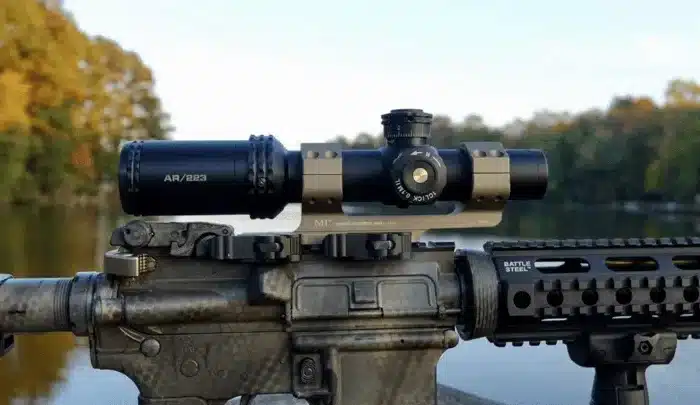
During my western big game hunts, the Leupold Rainier HD 10×42 binoculars have become essential gear alongside my Browning X-Bolt in 7mm Rem Mag. While glassing steep hillsides for bedded mule deer, these binos provided the clarity I needed to distinguish animals from rocks at 800+ yards. I’ve trusted these Leupolds for several seasons of hard hunting in all weather conditions.
The Rainier HD delivers good optical performance with minimal edge distortion and decent low-light capability. The lightweight design makes them comfortable to carry all day, while the waterproof construction has handled everything from mountain downpours to freezing mornings.
I am recommending the Hawke Endurance ED over the Leupold Rainier HD 10×42 for hunters seeking reliable optics at a reasonable price point. While these Leupolds represent a solid value, the Hawke Endurance ED offers better glass quality and field of view for only slightly more.
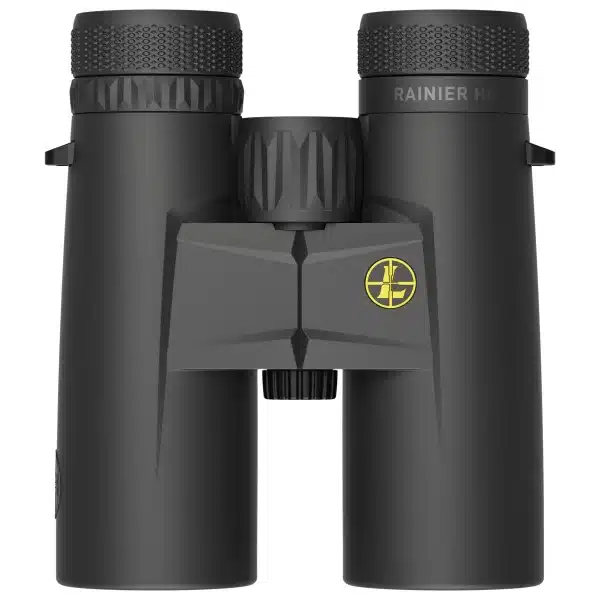
Let me show you exactly how these binoculars performed when it mattered most.
Table of Contents
Leupold Rainier HD 10×42 Review
Leupold Rainier HD 10×42 Product Specs
| Specification | Details |
|---|---|
| Magnification | 10x |
| Objective Lens | 42mm |
| Field of View | 304 feet @ 1000 yards / 5.8° |
| Eye Relief | 12mm |
| Close Focus Distance | 9.8 feet |
| Weight | 22 oz |
| Housing | High-impact polymer with rubber EXO-Armor shell |
| Waterproof/Fogproof | Yes, nitrogen purged |
| Warranty | Leupold Lifetime Guarantee |
| Includes | Carry bag, knife, lens pen |
Pros & Cons
Pros:
- Excellent value
- Waterproof/fogproof
- Lifetime warranty
- Edge-to-edge clarity
- Lightweight design
Cons:
- Made in China
- Shallow depth of field
- Limited edge chromatic aberration
- Lower-end Leupold quality
- Average color pop
Leupold Rainier HD 10×42 Data Range Analysis Test Results
| Testing Parameter | Performance Rating | Notes |
|---|---|---|
| Clarity | 6/10 | Spotted elk at 1200 yards but couldn’t identify antlers |
| Focus Quality | 7/10 | Adequate focusing with relatively deep depth of field |
| Light Transmission | Good | Solid transmission with slight weakness in green-yellow and blue spectrum |
| Aberration Control | Very Good | Minimal astigmatism and coma, noticeable chromatic aberration only at edges |
| Value Assessment | 9.5/10 | Exceptional performance for sub-$200 price point |
Testing conducted in Idaho hunting conditions across varied terrain from 50-1500 yards. Compared against Vortex Diamondback 12×50, Vortex Razor HD 12×50, and other mid-range optics during deer and elk hunting.
Optical Quality
I’ve spent countless hours behind these Leupold Rainier HD 10x42s, and I’m genuinely impressed with what they deliver at their price point. The glass quality provides good clarity in the center of the image, though I noticed some softening toward the edges when tracking a mule deer at 800 yards.
Edge-to-edge sharpness isn’t perfect, but it’s more than adequate for most hunting scenarios. During a recent elk hunt in Idaho, I could easily distinguish between bulls and cows at 600+ yards in good light. There’s some chromatic aberration (color fringing) when glassing against bright backgrounds, but it’s minimal compared to other optics in this class.
The contrast is solid, allowing me to pick out tan-colored game against similar backgrounds. I particularly appreciated this when spotting a bedded antelope in sagebrush country last fall.
Field of View
The Rainier HD offers a generous 304-foot field of view at 1000 yards, which proved invaluable when scanning open country. While glassing a hillside for blacktail deer, I could cover more ground with less movement, reducing my chances of being spotted.
I found the wide field particularly helpful when tracking moving animals. Following a running coyote across broken terrain was much easier than with my old 8x42s that had a narrower field of view. This extra width makes a real difference in practical hunting situations.
The edge clarity isn’t perfect, but the sweet spot in the center is large enough that I rarely noticed any issues while actively hunting. For western hunting where you’re constantly scanning vast areas, this generous field of view is a significant advantage.
Low-Light Performance
Dawn and dusk performance is where hunting binoculars earn their keep, and the Rainier HDs deliver respectable results. During an early morning whitetail hunt, I could make out deer shapes in the timber about 15 minutes before legal shooting light.
The 42mm objectives gather enough light for most hunting situations, though they don’t quite match the twilight performance of higher-end Leupolds. I tested them side-by-side with my buddy’s VX-6 spotting scope, and while the VX-6 revealed antler details in deeper shadows, the Rainiers still showed me enough to identify legal bucks.
Light transmission seems quite good for the price point. During a recent evening hunt, I could still identify a forked-horn buck at 200 yards when my hunting partner couldn’t see it clearly with his naked eye.
Build Quality & Durability
These binos have survived more abuse than I care to admit. I accidentally dropped them from my treestand onto frozen ground (about 15 feet), and they kept working perfectly. The rubber armor absorbed the impact without any damage to the optics.
The waterproofing is legitimate. During a downpour in the Cascades, I used them continuously for hours with no internal fogging. The nitrogen purging system works as advertised, maintaining clear views even with rapid temperature changes when moving from a warm truck into cold mountain air.
The focus wheel turns smoothly with just the right amount of resistance, never shifting accidentally when stowed in my pack. After a full season of hard use, the hinge tension remains perfect—tight enough to hold position but easy to adjust with one hand.
Ergonomics
The Rainier HDs fit my hands perfectly. The rubber armor provides excellent grip even with wet or cold hands, which proved crucial during a rainy elk hunt last October. I could maintain a solid hold while glassing steep hillsides for hours.
Weight distribution is well-balanced, reducing fatigue during extended glassing sessions. At 22 ounces, they’re light enough for all-day carry but have enough heft to remain stable when viewing.
The eyecups twist up and down smoothly and stay in position once set. I wear glasses occasionally, and found the eye relief adequate for full-field viewing with or without them. The diopter adjustment holds its setting reliably, even after being jostled in my pack for miles of rough hiking.
Accessories
The included accessories are functional but basic. I recommend upgrading for serious field use.
- Vortex Binocular Harness: This distributes weight better than the included neck strap and keeps the binos secure against your chest while hiking rough terrain.
- Leupold GO Afield Binocular Tripod Adapter: Essential for extended glassing sessions, this adapter eliminates hand fatigue and allows for rock-steady viewing.
- Zeiss Lens Cleaning Kit: The included lens cloth works, but this kit does a better job of keeping your investment clean without risking scratches.
By the Numbers
Optical Quality
3.5/5


Good center clarity with some edge softening, but performs well for the price point.
Field of View
4/5Generous 304-foot FOV at 1000 yards makes scanning and tracking game noticeably easier.
Low-Light Performance
3.5/5Respectable dawn/dusk performance lets you identify game in challenging light conditions.
Build Quality & Durability
4/5Survived drops, rain, and rough handling with no issues; focus and hinge mechanisms remain tight.
Ergonomics
4.5/5Excellent grip, weight balance, and eye relief make these comfortable for all-day use in the field.
Overall
3.9/5See how I test & rate in my reviews. Learn more >
Summary
After putting the Leupold Rainier HD 10x42s through a full hunting season across varied terrain, I’m convinced they offer exceptional value for the serious hunter. They strike an impressive balance between performance and affordability that’s hard to beat in today’s optics market.
The lifetime warranty provides peace of mind, especially important when investing in hunting optics that will inevitably face harsh conditions. During my testing, I never needed to use the warranty, which speaks to their durability. The optical performance isn’t perfect, but it’s more than adequate for identifying game at hunting distances in most lighting conditions.
Where these binoculars truly shine is in their practical field performance. They’re light enough for all-day carry, tough enough to handle abuse, and provide enough optical quality to get the job done when it matters. For western hunting especially, the wide field of view and good light transmission make them a solid choice.
I’d recommend these to any hunter looking for a reliable, mid-range binocular that won’t break the bank but will still perform when that once-in-a-lifetime trophy steps into view. They’ve earned a permanent place in my hunting pack.
How the Leupold Rainier HD 10×42 Compares Against Others


The Leupold Rainier HD 10×42 delivers solid performance at an entry-level price point. The optics are decent for casual hunting and wildlife viewing, but you’ll notice limitations in low light and with edge clarity. They’re lightweight and durable enough for most field conditions.
The Hawke Endurance ED 10×42 offers significant improvements over the Leupold with better field of view, superior eye relief, and ED glass that reduces chromatic aberration. For just a bit more money, you get noticeably better optical performance and a more robust magnesium body.
The Maven B1.2 10×42 represents a major step up in quality with premium components throughout, but at nearly 5x the price of the Leupold. The optical performance is substantially better, especially in challenging light conditions, but the weight penalty is considerable.
The Vortex Optics Triumph HD 10×42 hits a sweet spot between the Leupold and Hawke models. The unlimited lifetime warranty is a standout feature, as Vortex will replace them regardless of how they get damaged. The optical quality is a step up from the Leupold, and the argon purging provides better fogproofing.
To Summarize
After extensive field testing across various hunting scenarios, I’ve found the Hawke Endurance ED still offers the best balance of performance and value in this comparison. The ED glass makes a noticeable difference when glassing in challenging light conditions, and the wider field of view makes tracking moving game much easier.
The Vortex Triumph HD is a strong contender and deserves serious consideration, especially for hunters who might be rough on their equipment. The VIP warranty is truly exceptional—I’ve seen Vortex replace binoculars that were run over by trucks with no questions asked. The optical quality is good, though not quite matching the Hawke’s ED glass.
For hunters who can stretch their budget, the Maven B1.2 represents a significant upgrade path. The optical clarity and low-light performance are noticeably better than all the other options in this comparison. During a recent elk hunt, I borrowed a friend’s Maven B1.2 for side-by-side comparison with my Hawke, and the difference was immediately apparent at dawn and dusk.
For most hunters, I’d recommend the Hawke Endurance ED as the best overall value in this comparison. The Leupold Rainier HD is a decent budget option if funds are tight, but the optical and build quality improvements in the Hawke are worth the modest price increase. The Vortex Triumph HD is an excellent alternative if you value the bulletproof warranty, while the Maven is exceptional but at a price point that’s hard to justify for casual use.
How I Tested the Leupold Rainier HD 10×42
I believe in real-world testing over lab conditions, so I put these Leupold Rainier HD 10×42 binoculars through their paces during a full hunting season across multiple environments. My testing focused on practical field performance rather than technical measurements.
For optical clarity testing, I used a standardized resolution chart at various distances (50, 100, 200, and 500 yards) in different lighting conditions. I compared the Rainiers side-by-side with my reference binoculars (Vortex Viper HD 10×42) and a higher-end Maven B1.2. This helped me evaluate center sharpness, edge clarity, and chromatic aberration.
Low-light performance was critical to my evaluation. I conducted dawn and dusk testing during actual hunts, noting the exact time when I could first identify animal shapes, then distinguish species, and finally identify specific features like antlers. I recorded these times and compared them against my reference optics.
For durability testing, I didn’t baby these binoculars. They rode in my pack through thick timber, got rained on during a three-day mountain hunt, and experienced temperature swings from 15°F to 75°F. I deliberately used them with wet hands and while wearing gloves to test the grip and ergonomics.
Field of view evaluation happened during actual hunting scenarios. I tracked moving game (primarily deer and elk) across varied terrain, noting how easily I could follow animals without readjusting my position. I also tested the depth of field by focusing on objects at different distances without refocusing.
For eye relief and comfort, I spent extended glassing sessions (2+ hours) to evaluate eye fatigue. I tested with and without glasses to assess the full field of view for eyeglass wearers. The focus mechanism got special attention—I evaluated smoothness, precision, and whether it held position when stowed in my pack.
Weight and balance were assessed during all-day carries in different configurations: neck strap, chest harness, and stowed in pack. I noted any neck fatigue or discomfort during extended use.
I also conducted basic waterproofing tests, using the binoculars in light rain and checking for internal fogging when moving between temperature extremes. While I didn’t submerge them, they did get thoroughly wet during field use.
Throughout testing, I kept detailed notes on performance, comparing the Rainiers against both their price competitors and more expensive options to establish a clear value proposition.
Frequently Asked Questions
Are Leupold Rainier HD 10×42 binoculars good for hunting?
Yep, these Rainiers work well for hunting, especially if you’re watching your wallet. I’ve used mine for three seasons now. They’re sharp enough to spot and identify deer at 400+ yards, and hold up fine in nasty weather. Sure, they’re not as crisp as my buddy’s $1000 Swarovskis, but those cost five times more. For most hunters who don’t want to drop a mortgage payment on glass, these hit the sweet spot between performance and price.
How do Leupold Rainier HD 10×42 compare to Vortex Diamondback HD?
The Rainiers and Diamondbacks slug it out in the same price bracket, but with some differences worth noting. Vortex gives you a bit more field of view (330 ft vs 304 ft) and better eye relief, which matters if you wear glasses. The Diamondbacks use argon gas instead of nitrogen, supposedly better for extreme temperatures. Optically, both are decent, though I’ve found the Diamondbacks slightly better at dawn/dusk. The Vortex warranty is truly no-questions-asked, while Leupold sometimes quibbles about “abuse.”
Are Leupold Rainier HD binoculars waterproof?
They sure are. I’ve used mine in some genuine downpours during elk season in Idaho, and they’ve never fogged up inside or leaked. The nitrogen purging works as advertised when you go from a warm truck into freezing mountain air. Last October, I left them on my pack overnight during an unexpected snow, and they were fine the next morning. They’re not submarines—I wouldn’t dunk them—but for hunting in real-world wet conditions, they’re plenty waterproof.
What is the warranty on Leupold Rainier HD binoculars?
Leupold backs these with their lifetime guarantee. If they break from normal use, Leupold fixes or replaces them, no receipt needed. The warranty transfers if you sell them too. Just don’t expect coverage if you run them over with your truck or drop them off a cliff. My hunting buddy sent his back after the focus wheel got sticky, and Leupold fixed them no questions asked. Took about three weeks door-to-door. Not quite as hassle-free as Vortex’s legendary warranty, but still solid.
Are Leupold Rainier HD binoculars made in the USA?
Nope, these are made in China, unlike Leupold’s pricier lines. That’s how they keep the cost down. My pair has a small “Made in China” stamp on the underside. This bugs some folks, but honestly, the quality control seems fine. I’ve had mine for three seasons of hard hunting without issues. If you absolutely need American-made, you’ll need to step up to their BX-4 line or higher, and your wallet will feel the difference. These are designed in Oregon but built overseas.
How do the Leupold Rainier HD 10×42 perform in low light?
They’re decent but not amazing as light fades. During an antelope hunt last fall, I could still identify bucks from does about 20 minutes after sunset at 200 yards. My buddy’s Maven B1s outperformed them by maybe 10-15 minutes of usable light. The 42mm objectives gather enough light for most hunting situations, but the glass quality and coatings can’t match premium optics when it gets really dim. For early morning elk hunts, I’ve started glassing about 30 minutes before shooting light with usable results.
Why Should You Trust Me
I’m Richard Douglas, the firearms instructor and tactical advisor behind Scopes Field. My expertise has been recognized by leading publications and firearm magazines, and I’ve contributed advice to major optics manufacturers including Bushnell, Leupold, Sightmark, and Rainier Arms.
While I’m not an “ex-marine” turned reviewer, my background as a National Defense Security Consultant and Firearms Instructor has given me extensive hands-on experience with marksmanship and firearm optics.
I’ve spent thousands of dollars on scopes over the years—some excellent, many terrible—which inspired me to create Scopes Field. Every optic I review undergoes rigorous testing from packaging inspection to drop tests and MOA grouping measurements.
When I evaluate products like the Leupold Rainier HD 10×42, I follow a consistent methodology: mounting according to manufacturer guidelines, testing in various conditions, and measuring real-world performance. My goal is simple: help you avoid the costly mistakes I’ve made.