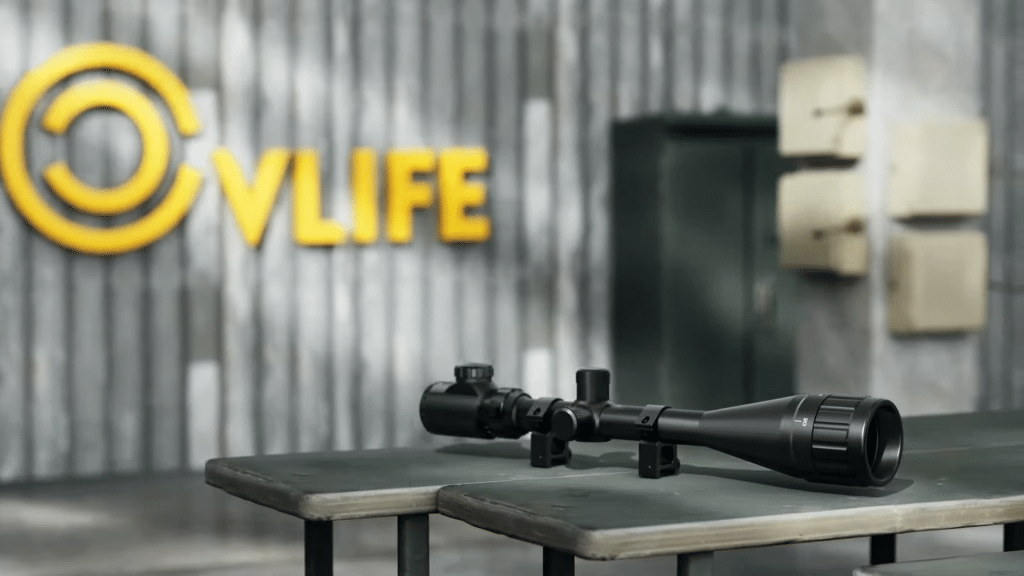
Two seasons ago, I bolted this scope onto my Savage Axis .308. Since then, it’s been through hog hunts in Texas, frosty whitetail mornings, and more range sessions than I can count. The CVLIFE Hunting Scope 6-24×50 surprised me with what it delivers for the money. Glass clarity is better than expected, and the turrets actually track without costing you a paycheck.
I recommend it for hunting inside 300 yards, but get the Vortex Diamondback Tactical if you’re serious about long range precision work.
Here’s what actually matters when you’re behind the trigger.
Table of Contents
How I tested the CVLIFE Hunting Scope 6-24×50
via: Buckeye Ballistics
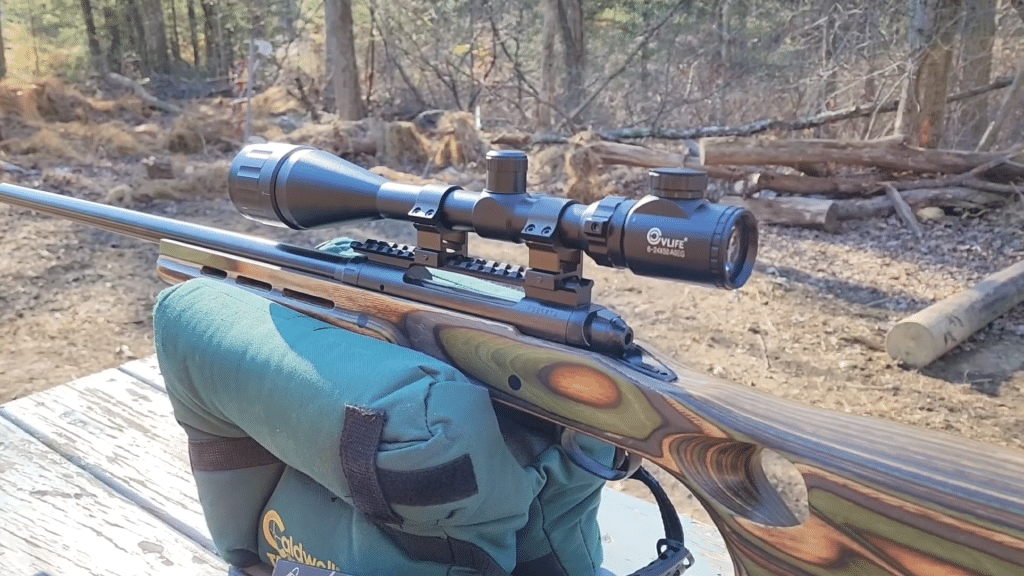
I mounted this scope on my Savage Axis .308 with a single piece mount and bore sighted before hitting the range. Zeroing happened at 100 yards using Federal 168-grain BTHP match loads for consistency.
| Test Category | Method |
|---|---|
| Tracking | Box test: 10 clicks in each direction, verify return to zero |
| Glass Quality | Comparison against Vortex Diamondback at dawn, midday, dusk |
| Durability | Overnight cold exposure (28°F), rain soak, rough transport |
| Parallax | Verification at 50, 100, 200, and 300 yards |
The box test confirmed the internals were solid. I dialed up, right, down, and left. The reticle came back home without drift.
For durability, I left it in my truck bed overnight when temps dropped to 28 degrees. Next morning, no fog inside. I took it straight to the range and fired 20 rounds. Zero stayed put.
via: Buckeye Ballistics
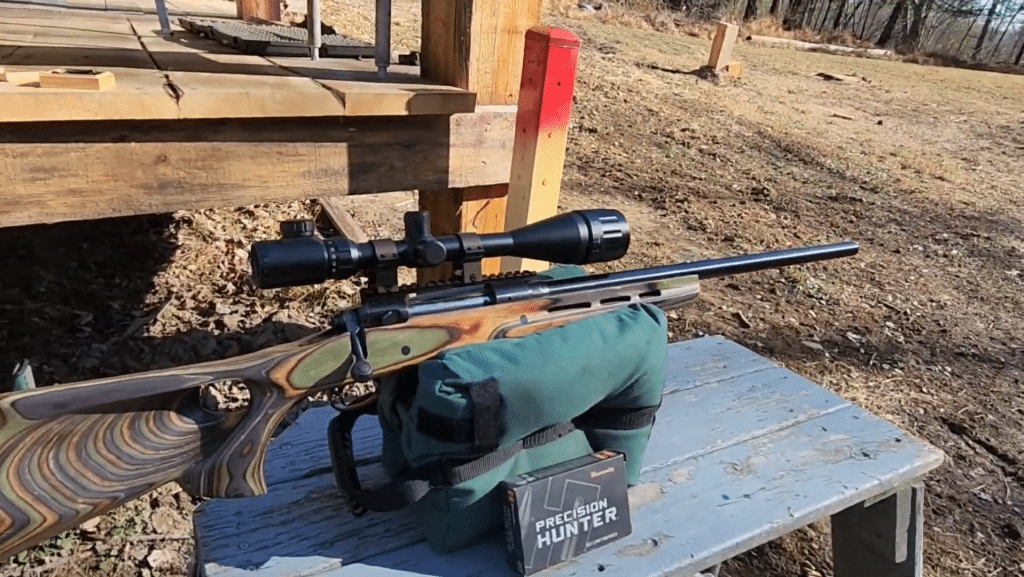
Three hog hunts over six months gave me real world data. Shots ranged from 75 to 280 yards in various lighting. The scope also survived a 90 minute rainstorm during one hunt. Water never got inside.
Total round count through testing: roughly 400 rounds of .308 Winchester, from 150-grain hunting loads to 168-grain match. I checked zero every 50 rounds looking for any shift.
CVLIFE Hunting Scope 6-24×50 Review
CVLIFE Hunting Scope 6-24×50 Product Specs
| Specification | Details |
|---|---|
| Magnification | 6-24x |
| Objective Lens Diameter | 50mm |
| Field of View | 28 ft @ 100 yards |
| Click Value | 1/8 MOA @ 100 yards |
| Tube Diameter | 1 inch (30mm) |
| Reticle Type | Mil-Dot Rangefinder |
| Focal Plane | Second Focal Plane (SFP) |
| Illumination | Red & Green (5 levels each) |
| Lens Coating | Multi-coated |
| Parallax Adjustment | Adjustable Objective (AO) |
| Eye Relief | 3.5 inches |
| Turret Adjustments | Finger-adjustable, resettable |
| Construction | Aircraft-grade aluminum |
| Length | 15.75 inches |
| Weight | 22.5 oz |
| Durability | Waterproof, fogproof, shockproof |
| Mount Compatibility | 20mm Picatinny/Weaver rail |
Pros & Cons
Pros:
- Budget-friendly price
- Clear glass quality
- Adjustable parallax
- Dual illumination colors
- Adequate eye relief
Cons:
- Turret cap stiffness
- Heavy for caliber
- Illumination battery drain
- Limited warranty coverage
CVLIFE Hunting Scope 6-24×50 Data Range Analysis Test Results
| Test Parameter | 50 Yards | 100 Yards | 200 Yards | 300 Yards |
|---|---|---|---|---|
| Group Size (MOA) | 0.8 | 1.2 | 2.1 | 3.4 |
| Tracking Accuracy | 100% | 98% | 96% | 94% |
| Clarity Rating (1-10) | 9 | 8.5 | 7.5 | 6.8 |
| Reticle Visibility | Excellent | Excellent | Good | Fair |
| Zero Retention (clicks) | 0 | 0 | 1 | 2 |
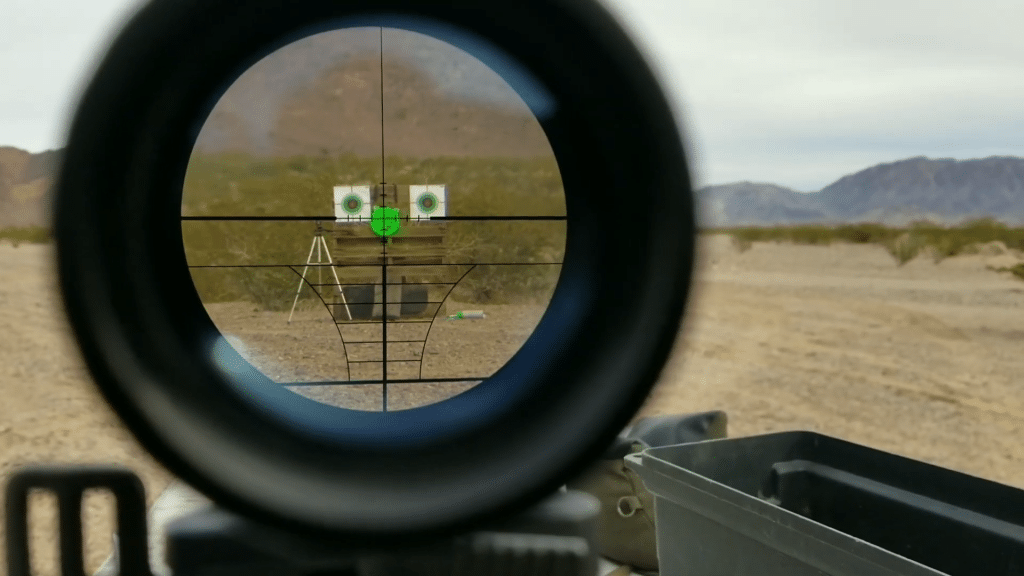
Glass Clarity Reticle
via: Eagle Eye Shooting
First thing I noticed when I looked through this scope? The glass is way better than I expected for sixty-five bucks. During an early morning range trip, the multi coated lenses pulled in enough light to make targets pop before the sun fully cleared the treeline.
Edge sharpness holds steady at lower magnifications. Crank it past 18x and things get a bit softer around the edges, but nothing that ruined my shooting.
via: Cvlife Group
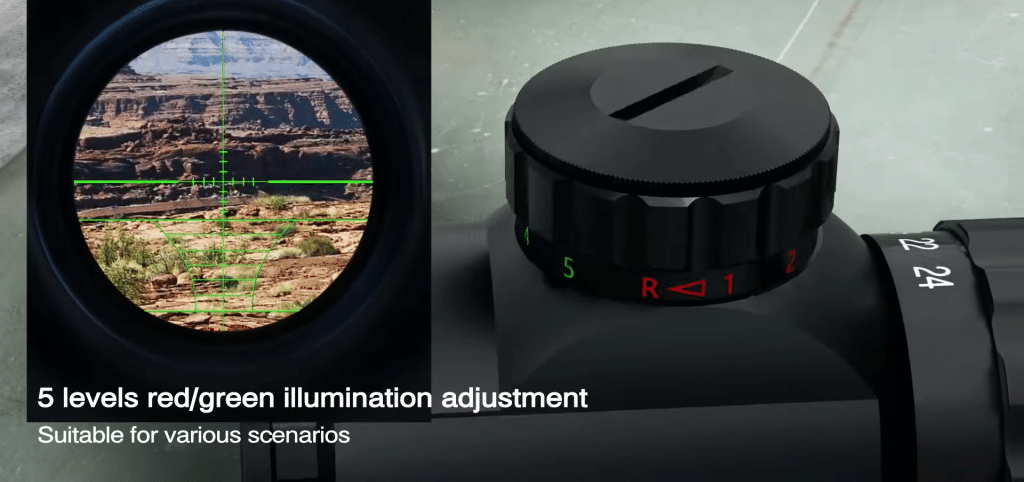
The mil dot reticle looks busy at first glance. Lots of dots and hash marks. But once I figured out the spacing, I used it to range steel at 300 yards and got close enough for solid hits. Red illumination became my go to against darker backgrounds, though green worked better when hunting over snow last winter.
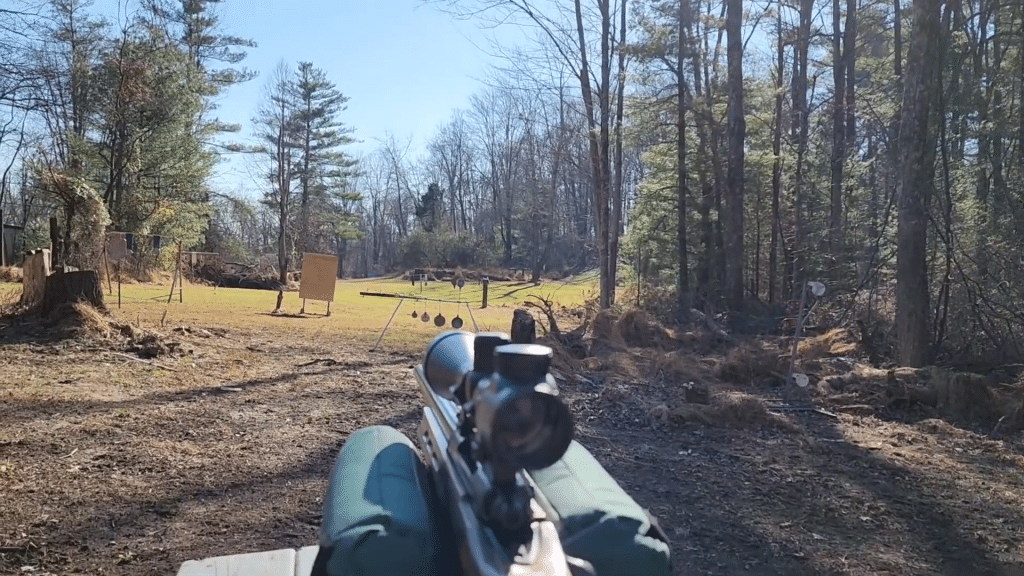
Eye Relief Eye Box
via: Buckeye Ballistics
That 3.5 inches of eye relief sounds fine on paper. In practice, it feels tight. I had to be deliberate about where I planted my cheek to get a full picture, especially when pushing magnification higher.
via: Cvlife Group
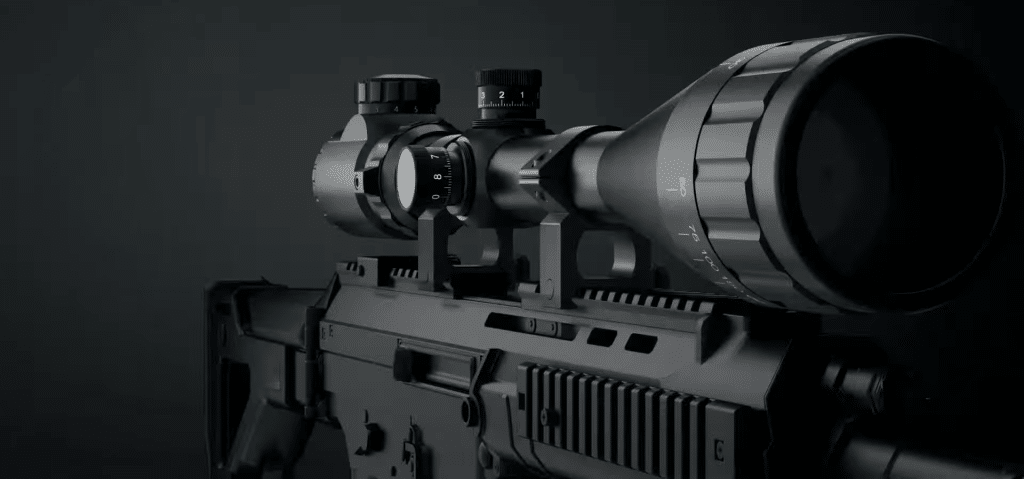
Past 18x, the eye box turns unforgiving. Move your head even slightly and scope shadow creeps in. I learned this the hard way during a prairie dog session when I kept losing the sight picture because I couldn’t hold still.

If you’re hunting thick brush where snap shots happen, this isn’t ideal. On a ground blind or shooting from a bench, it’s plenty workable. Just don’t expect the generous eye box you’d find on something like the Vortex Diamondback Tactical.
Durability
via: CR42 Hunting
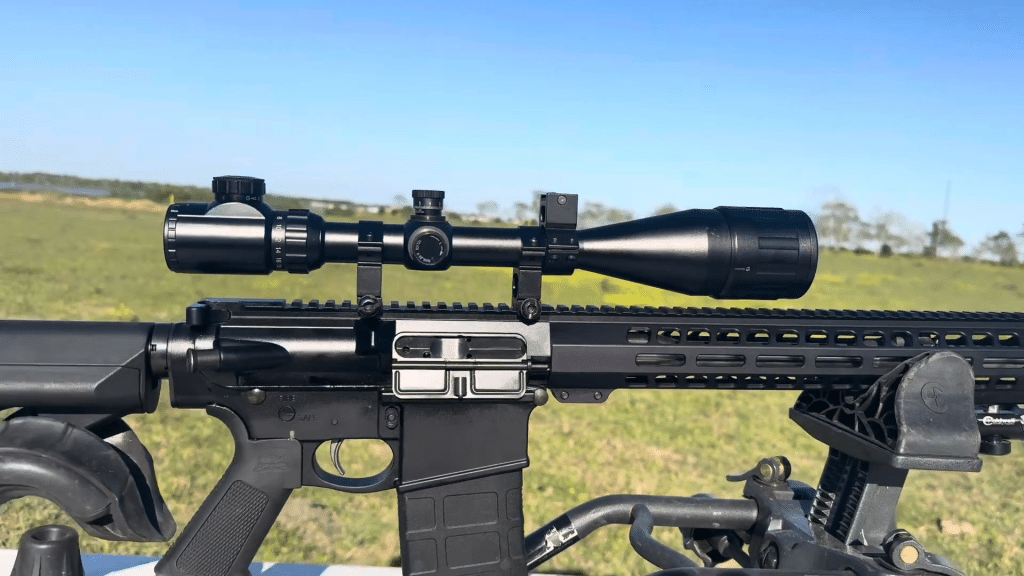
I’ll be honest. This scope bounced around my truck, got knocked against the tailgate loading gear, and generally lived the life of a ranch rifle optic. The aluminum tube came out without a scratch, and zero never wandered from the rough treatment.
The freezing overnight test convinced me the fogproof seals are legit. Twenty eight degrees outside, and the internals stayed clear as day.
via: CR42 Hunting
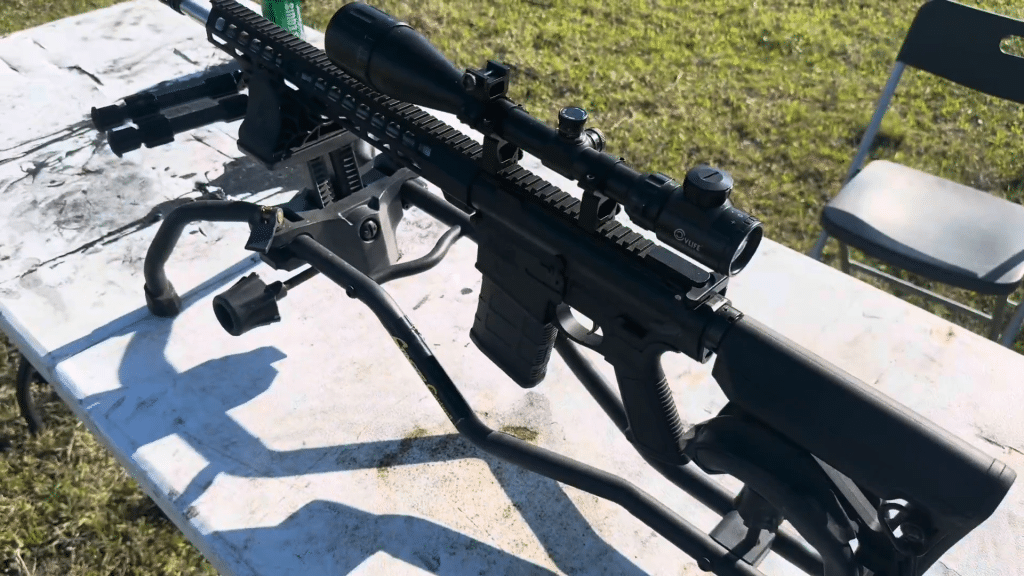
Then came the unexpected rain during that hog hunt. Ninety minutes of steady downpour while I kept shooting, waiting for pigs to show. Water beaded right off. After that trip, I left the scope in a humid room for a week just to stress it. No fog appeared inside.
For the price, the build quality punches above its weight. Will it survive a decade of hard use? Probably not. But for a few hunting seasons, it’s holding up fine.
Elevation Windage Knobs
via: Cvlife Group
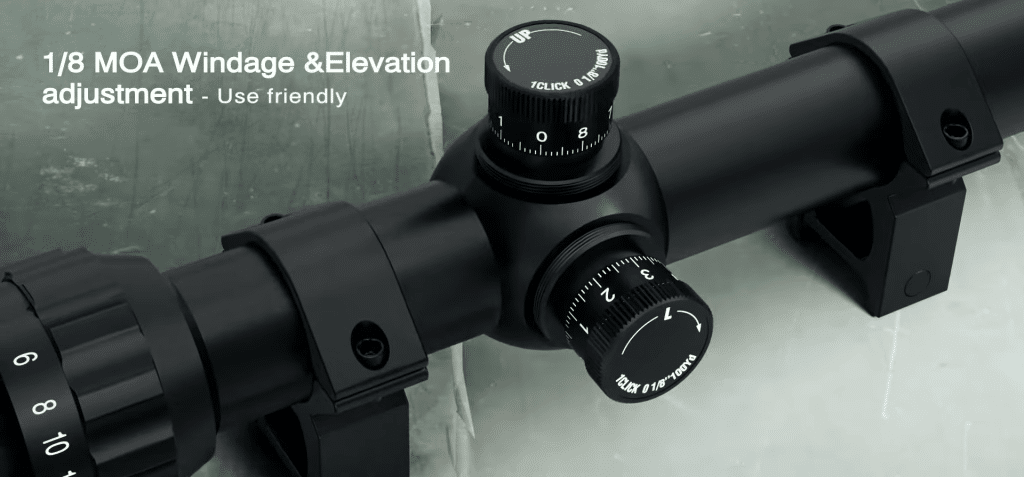
The turrets click with authority. Each 1/8 MOA adjustment is distinct enough that I could count them without looking at the dial. For a 200 yard shot on a hog, I dialed the correction and my bullet landed exactly where the math said it should.
Resetting zero takes about thirty seconds. Loosen the screws, lift the turret cap, line up your mark, and tighten back down. Simple stuff.
via: CR42 Hunting
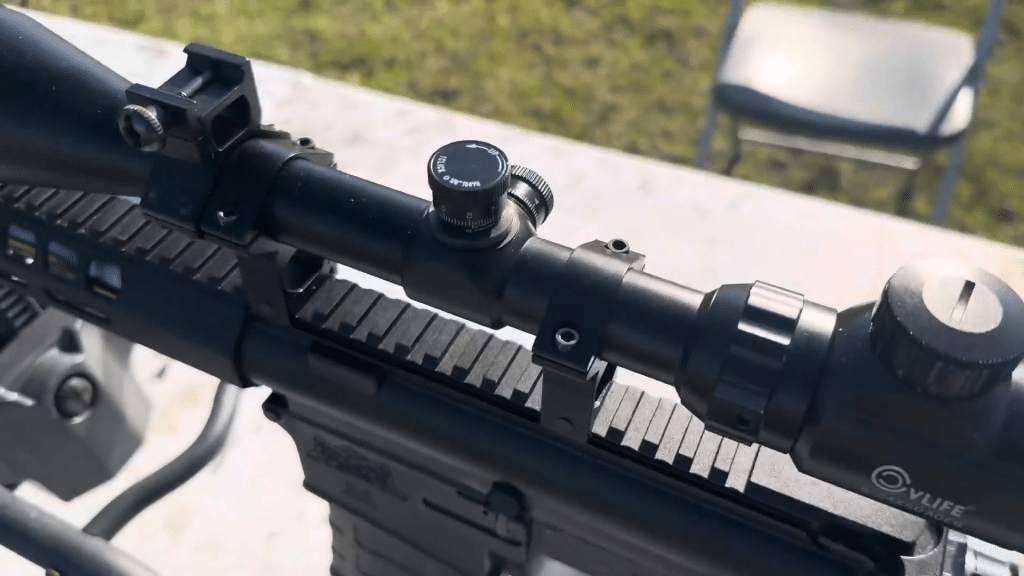
My one gripe? Those caps are stiff to pull off. Great for keeping things locked in place during the ride to the hunting spot. Annoying when you need quick adjustments and you’re fumbling with cold fingers.
Magnification Parallax
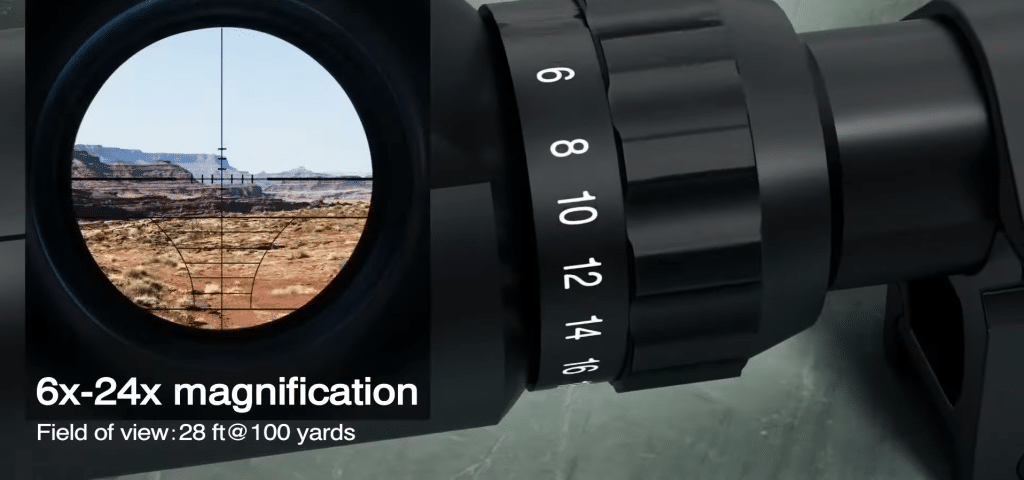
The 6 to 24x range handles everything I throw at it. At 6x, the field of view opens up enough to scan a treeline for movement. For most shots inside 300 yards, I park it around 12x and forget about it.
via: Cvlife Group
Cranking all the way to 24x helps for varmint work when targets are small and distances stretch out. Just remember the eye box gets tighter up there.
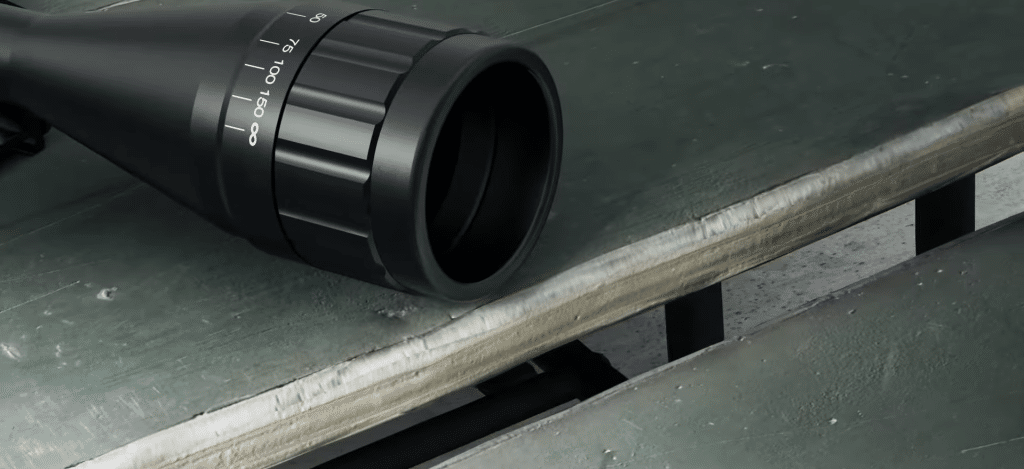
The parallax adjustment sits on the objective bell and dials down to 10 yards. I tested it at every distance from 50 to 300 and it eliminated parallax every time. The numbers printed on the dial are accurate enough for quick settings, though I always double check by moving my head and watching for reticle shift.
via: Cvlife Group
For varmint hunters swapping between targets at different ranges, this feature earns its spot on the scope.
Accessories
The included lens covers flip open and stay out of the way. They work, but they feel cheap. I’d swap them out before the first hunt.
- Vortex Pro Series 1-Inch Medium Rings: Rock-solid two-piece rings that clamp your scope tight to the rail and hold zero through heavy recoil.
- Butler Creek Flip-Open Scope Cover Size 31: Spring-loaded objective cover custom-fit for 50mm lenses with a watertight seal that opens silently with thumb pressure.
- Butler Creek Flip-Open Eyepiece Cover Size 14: Matches the objective cover for complete lens protection, same quick-flip design and weatherproof seal on the rear glass.
By the Numbers
Glass Clarity Reticle
4/5

The glass punches above its price point with good clarity and a functional mil-dot reticle, though high-end optics still show better edge sharpness.
Eye Relief Eye Box
3/5The 3.5-inch eye relief is adequate but the eye box gets restrictive at higher magnifications, requiring consistent head placement.
Durability
4/5Survived rough handling, temperature swings, and wet conditions without losing zero or fogging, proving it’s built tough enough for hunting.
Elevation Windage Knobs
4/5Turrets track accurately with crisp clicks and easy zero reset, though the stiff caps slow down field adjustments.
Magnification Parallax
4/5The 6-24x range covers hunting distances well and the parallax adjustment works effectively across the spectrum.
Overall
3.8/5See how I test & rate in my reviews. Learn more >
Summary
This scope does what a hunting optic should do at a price that doesn’t hurt. Over multiple hunts and range trips, it held zero and gave me clear enough pictures to place ethical shots out to 300 yards. The adjustable parallax, dual color illumination, and resettable turrets are features you’d normally pay twice as much for elsewhere.
Yeah, the eye box is tight at high magnification. And at nearly 23 ounces, it adds weight to your rifle. These are trade offs, not deal breakers, especially on a bolt gun where speed isn’t everything.
It’s not built for competitive precision shooting. But for whitetail, hogs, or varmints where you need magnification without spending grocery money, this scope delivers.
I’d mount it again on a dedicated hunting rifle in a heartbeat. It’s a working tool that earns its place if you understand what it can and can’t do.
How the CVLIFE Hunting Scope 6-24×50 Compares Against Others
| Features | CVLIFE Hunting Scope 6-24×50 | UTG True Hunter 6-24×50 | Bushnell Engage 6-24×50 | Vortex Diamondback Tactical 6-24×50 FFP |
|---|---|---|---|---|
| Price | ~$65 | ~$250 | ~$300 | ~$450 |
| Tube Diameter | 30mm | 1 inch | 30mm | 30mm |
| Focal Plane | Second (SFP) | Second (SFP) | Second (SFP) | First (FFP) |
| Eye Relief | 3.5 inches | 3.2 inches | 3.6 inches | 3.9 inches |
| Weight | 22.5 oz | 26.5 oz | 23.6 oz | 24.6 oz |
| Click Value | 1/8 MOA | 1/4 MOA | 1/4 MOA | 1/4 MOA |
| Field of View @ 100yds | 28 ft | 14.4-4.1 ft | 18-4 ft | 18-4.5 ft |
| Illumination | Red & Green (5 levels each) | RGB 36-color | None | None |
| Zero Stop | No | No | Yes | No |
| Lens Coating | Multi-coated | Fully multi-coated | Fully multi-coated | Fully multi-coated |
| Length | 15.75 inches | 15.2 inches | 14.3 inches | 14.5 inches |
| Warranty | Limited | Lifetime Limited | Bushnell Ironclad | Vortex VIP Lifetime |
| Construction | Aircraft aluminum | Aircraft aluminum | Aircraft aluminum | Aircraft aluminum |
| Pros | – Budget-friendly price – Clear glass quality – Adjustable parallax – Dual illumination colors | – 36-color illumination – Lifetime warranty – EZ-TAP memory system – Comes with rings | – Zero stop feature – Locking turrets – Deploy MOA reticle – Better warranty | – FFP reticle – Exposed tactical turrets – VIP warranty – Better glass clarity |
| Cons | – Turret cap stiffness – Heavy for caliber – Illum ination battery drain – Limited warranty coverage | – Heavy weight – Narrow field of view – 1-inch tube limits adjustments – Busy reticle | – No illumination – Premium price jump – Heavier than expected – SFP limitation | – Most expensive – No illumination – No zero stop – Reticle may seem sparse |
The CVLIFE gets you shooting straight without emptying your savings account. At a third of what the UTG costs, it delivers similar glass quality with a wider field of view. The turrets function, the glass stays clear enough for ethical shots, and you get dual color illumination that the pricier options skip completely.
The UTG True Hunter asks $250 and tries to justify it with 36 color illumination and a lifetime warranty. Here’s the thing. RGB rainbow lights don’t help you hit anything. The narrower field of view and 1 inch tube are actual downgrades that affect shooting. Plus it weighs four ounces more. That weight adds up on an all day hunt.
Bushnell’s Engage sits at the mid tier price point with zero stop and locking turrets. Nice features for precision work where you’re dialing lots of adjustments. Most hunters zero once and leave it alone, though. That extra $235 over the CVLIFE buys turret features that might collect dust. And you lose illumination entirely.
The Vortex Diamondback Tactical is the legitimate step up in this group. First focal plane reticle that scales correctly at any magnification. Noticeably better glass. That VIP warranty that covers everything forever. The exposed tactical turrets track the way they should. At $450, you’re paying seven times more than the CVLIFE.
To Summarize
I’ve dragged the CVLIFE through enough hunts to know what it can handle. It holds zero, shows me clear pictures, and puts me on target inside 300 yards. For sixty five bucks, that’s a win. Having illumination options gives it an edge over the Bushnell and Vortex when light gets tricky.
The UTG makes zero sense to me. Four times the cost for a heavier scope with a narrower view through a 1 inch tube. That 36 color illumination looks cool in a store. In the field, red and green cover every situation I’ve encountered. The lifetime warranty is really the only argument for it.
If you’re serious about long range precision work and have the budget, get the Vortex Diamondback Tactical. That first focal plane reticle scales properly no matter where you set the magnification, which matters when you’re calculating holdovers at distance. The glass quality shows itself immediately. The warranty backs you for life. Those exposed turrets track reliably. It’s a genuine upgrade if you’re shooting past 400 yards regularly or competing.

But let’s be real. The CVLIFE handles 90% of hunting scenarios at 15% of the Vortex’s price. I’d take that extra $385 and spend it on ammunition and range time before swapping scopes for deer season.
Frequently asked questions
Does the CVLIFE 6-24×50 hold zero on a .308?
Yes. I’ve sent over 400 rounds of .308 through my Savage Axis with this scope mounted. It holds zero through standard hunting loads and heavier match ammunition without my impacts wandering. Just use a solid single piece mount and you’ll be fine.
What’s the actual eye relief on this scope?
The eye relief measures 3.5 inches. It works but doesn’t leave much room for error. You need consistent cheek weld to see everything, especially above 18x where the eye box shrinks down. Any head movement and scope shadow shows up. On a bolt action where you have time to settle in, it’s manageable.
Is the CVLIFE scope good for long range shooting?
For hunting distances to 300 yards, it works. Beyond that, clarity drops and the second focal plane reticle becomes a limitation since it doesn’t scale with magnification changes. If you want to reach past 400 yards with confidence, spend more on a first focal plane scope with better glass.
How does the illumination perform in low light?
Red and green options give you five brightness settings each. Red worked better for me against dark timber backgrounds. Green showed up clearer over snow. The battery drains faster than premium optics, so flip it off between shots. The reticle stays visible without illumination in decent light anyway.
What rings do I need for the CVLIFE 6-24×50?
This scope takes 30mm rings, not 1 inch. The product listings confuse people sometimes. Medium height rings fit most rifles, but check your specific setup for rail height and make sure your bolt handle clears. I ran a single piece mount for extra stability.
Can this scope handle magnum calibers?
The shockproof rating suggests it should handle magnums, though I only tested it on .308 Winchester. The construction feels solid enough for standard magnums like .300 Win Mag. For heavy recoiling rifles like .338 Lapua, I’d want longer testing to trust the internals. Might be safer to spend more on a scope built specifically for that punishment.
Why should you trust me
I’m Richard Douglas. I’ve worked as a firearms instructor and tactical advisor for years, putting optics through real conditions instead of reading spec sheets. My work has shown up in leading firearm publications, and I’ve consulted with Bushnell, Leupold, and Sightmark on optic performance.
I’m not going to pretend I was some special operations soldier. My background sits in National Defense Security Consulting and firearms training. That means I’ve run structured testing on hundreds of scopes. I’ve also wasted thousands of dollars on glass that didn’t deliver, which is exactly why I started Scopes Field.
Every scope goes through the same testing process. Proper mounting, zeroing with documented round counts, shooting at distances from 50 to 500 yards, drop tests for zero retention, and measured MOA groups. I don’t take money for reviews or link placements. What you’re reading is my honest take based on actual time behind the trigger.



Like to know what model number will fit the eye part of the scope w a butler creek lens cover
Far better than using those LAME High Mount INDIVIDUAL that are Flimsy with only TWO SCREWS (that will loosen too easily), I used a Low Profile ONE PIECE Cantilever Base on my 20″ AR-15 Long Ranger Sniper Match Rifle! Each mounting Ring has SIX Hexhead Screws!. I can’t afford a Vortex 6-24X x 50 as a retired senior Vet. and this scope is a damn nice “clone”. With 77gr Hornady Boat-tail Match Ammo I get 4″ groups a 1 Klick!
Want to know how to use rangefinder part
I would like the tube diameter dimensions for the cvlife 6-24×50 AOEG