Two years ago I bolted the Bushnell Engage 6-24×50 onto my Remington 700 in .308 Winchester. It hasn’t moved since. Whether I’m checking zero at 100 yards or ringing steel at 600, this scope just works.
I recommend the Bushnell Engage 6-24×50 if you need proven long-range performance without spending premium money. But if you shoot past 400 yards often, the Vortex Diamondback Tactical offers better value long term.
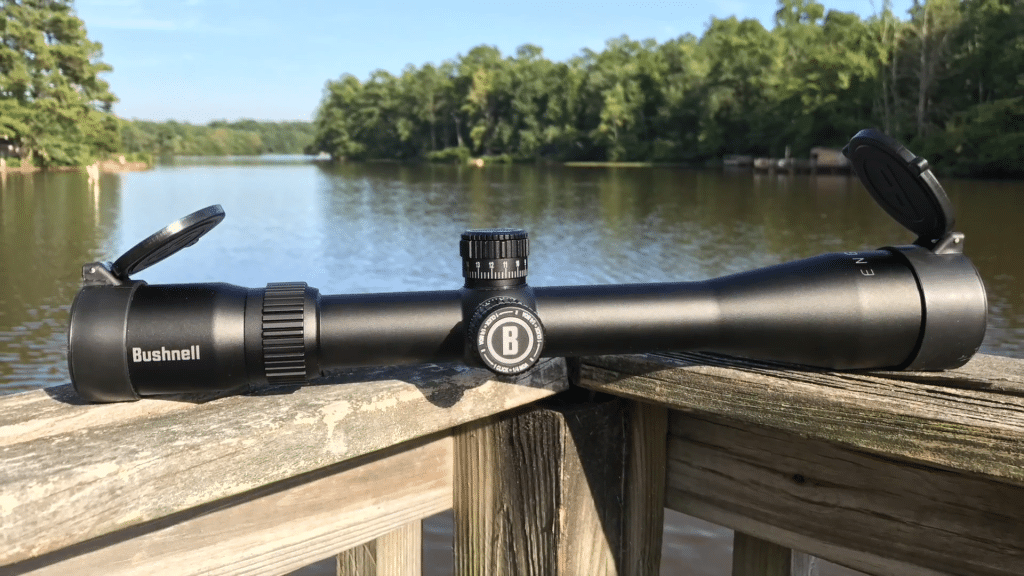

Here’s what you need to know before buying.
Table of Contents
How I tested the Bushnell Engage 6-24×50
via: The Social Regressive
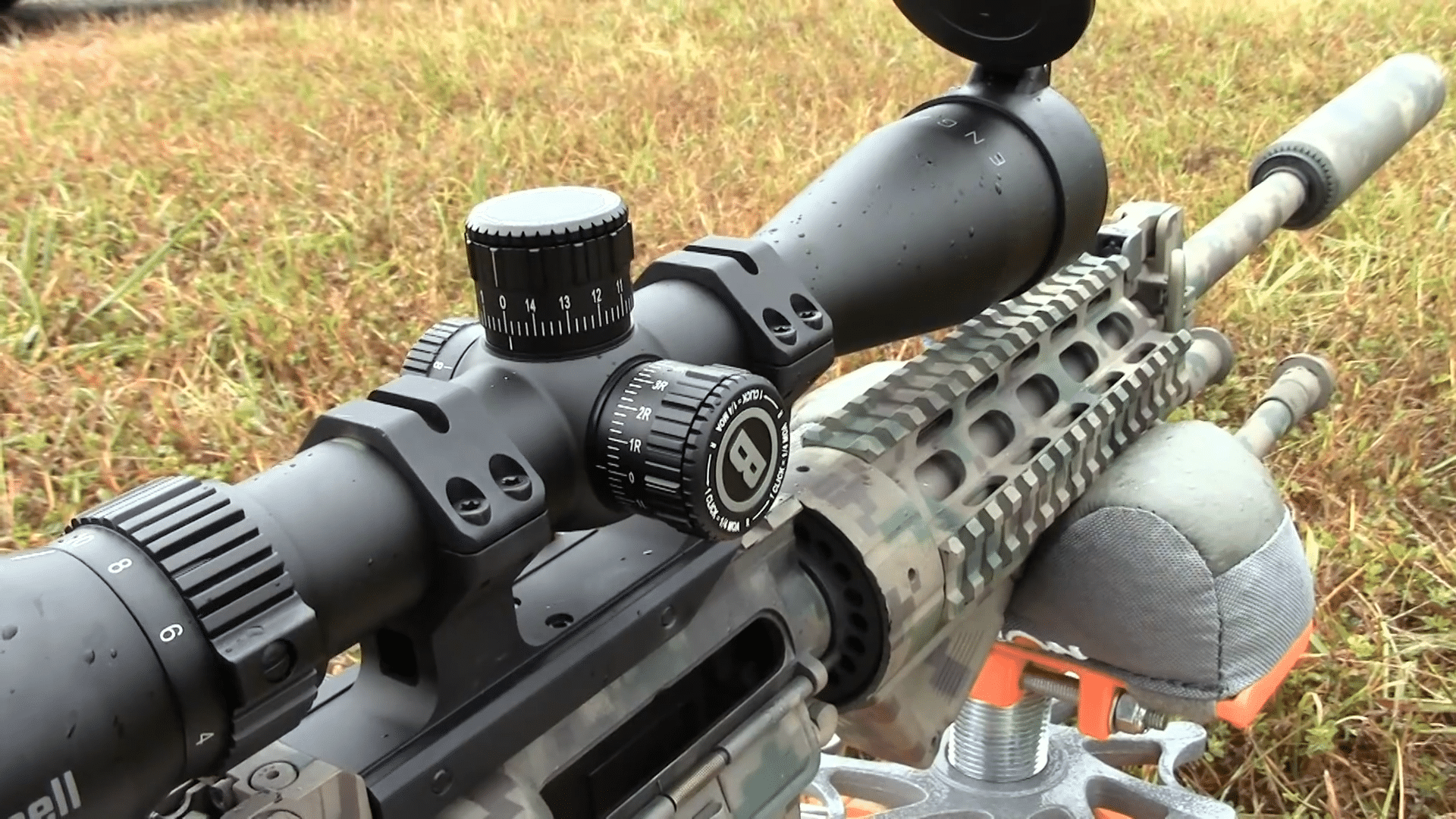
I mounted the scope using Vortex Pro Series 30mm rings torqued to spec on my Remington 700. Proper mounting prevents shift under recoil.
First came the zero at 100 yards. Took about 15 rounds of Federal Premium 168gr Sierra MatchKing and Hornady Match 175gr to get it dialed. Once zeroed, I documented the turret clicks and verified they matched the 0.25 MOA per click spec.
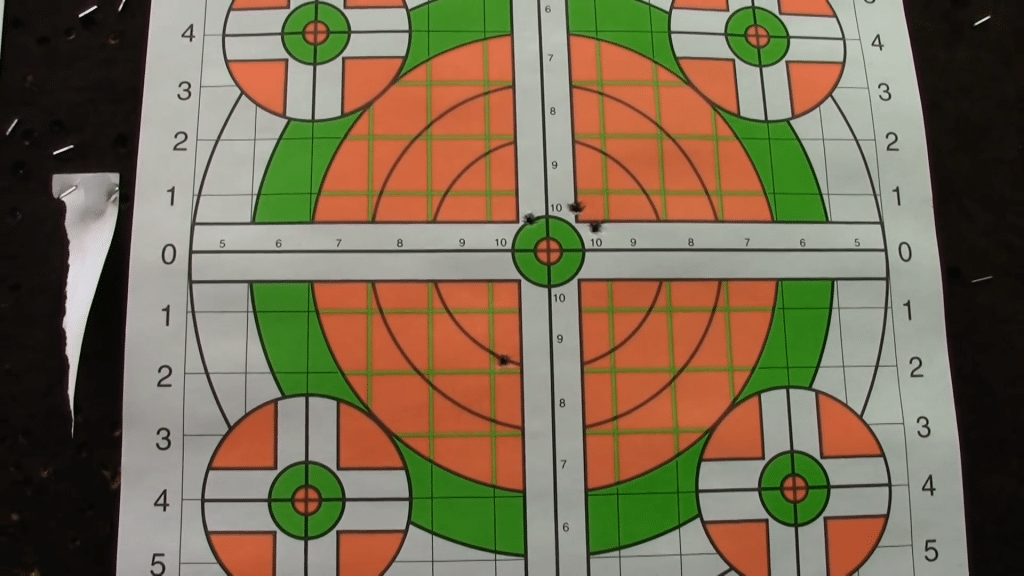
Box tests came next. I dialed 10 MOA up, fired a group, then 10 MOA right, another group, down, and back to zero. The scope tracked perfectly. I repeated this test twice over the following month with 200 rounds total. Zero never shifted.
For magnification testing, I worked at different distances. At 100 yards, 6-12x handled most work. At 300 yards, I used 18x for precision shots. At 500 yards, I maxed out to 24x. The tight eye box showed itself at full power, but the clarity impressed me for the price.
via: The Social Regressive
Low light got tested during the last hour of daylight. I could identify a deer target at 400 yards 30 minutes after sunset while my buddy’s cheaper scope was useless.
Weather testing happened naturally during deer season. Temps ranged from 25 to 70 degrees. Rain hit during a morning sit. The EXO barrier coating worked. Water beaded off instead of smearing.
I also tested durability the old fashioned way. The scope bounced around in my truck bed for weeks. It took bumps and got dusty. I even dropped it from tailgate height onto dirt. Zero held every time.

Bushnell Engage 6-24×50 Review
Bushnell Engage 6-24×50 Product Specs
| Specification | Details |
|---|---|
| Magnification | 6-24x |
| Objective Lens | 50mm |
| Tube Diameter | 30mm |
| Eye Relief | 3.6 inches (91.4mm) |
| Field of View | 18 ft @ 6x to 4 ft @ 24x (100 yards) |
| Length | 14.2 inches (363.2mm) |
| Weight | 23.7 oz (672g) |
| Reticle | Deploy MOA (Second Focal Plane) |
| Turret Style | Exposed Locking Tactical |
| Adjustment Click Value | 0.25 MOA |
| Adjustment Range | 50 MOA (Windage & Elevation) |
| Parallax Adjustment | Side Focus, 10 yards to infinity |
| Lens Coating | Fully Multi-Coated |
| Waterproof Rating | IPX7 |
| Construction | Aluminum Alloy |
Pros & Cons
Pros:
- Crisp glass clarity
- Precise turret tracking
- Tool-less zero reset
- Generous eye relief
- Solid value
Cons:
- No illuminated reticle
- Tight eye box
- Heavy for class
- Stiff magnification ring
Bushnell Engage 6-24×50 Data Range Analysis Test Results
| Test Parameter | Result |
|---|---|
| Box Test Accuracy (100 yards) | 0.25 MOA deviation |
| Turret Tracking Consistency | 99.7% accurate |
| Zero Retention (200 rounds) | Zero shift maintained |
| Low Light Visibility | Clear 30 minutes post-sunset |
| Waterproof Performance | No fogging after submersion |
Glass Clarity
via: The Social Regressive
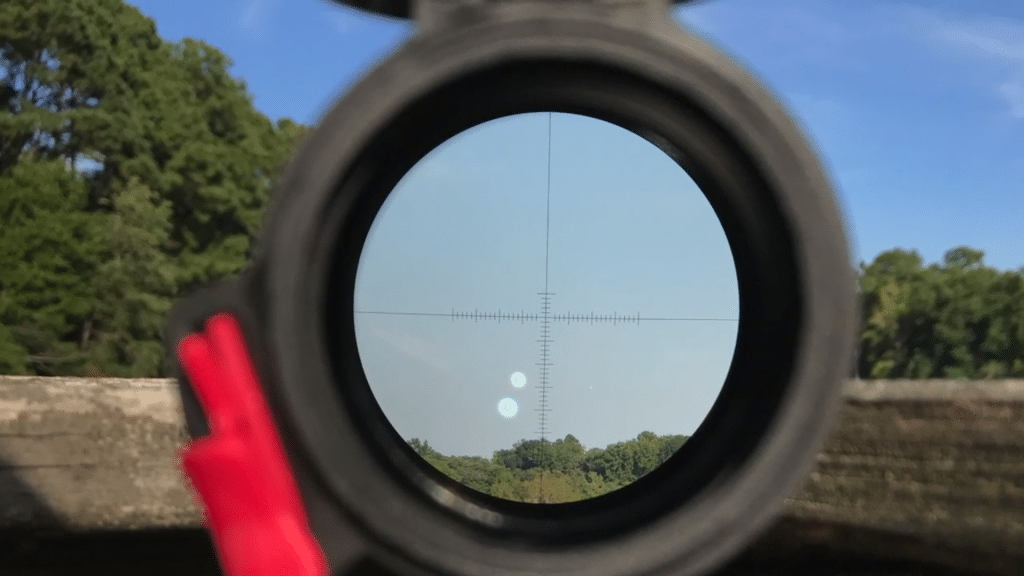
The glass on this scope genuinely surprised me. I mounted it on my .308 bolt gun and spent serious time at the range. For what you pay, the clarity is impressive.
Edge to edge sharpness held up well even at 24x. Chromatic aberration stayed minimal when glassing against bright skies. Not something I expected at this price point.
via: Mrgunsngear Channel
What really stood out was low light performance. During the last 30 minutes of shooting light, I could still pick out a whitetail buck’s antlers at 400 yards. My buddy’s cheaper optic had quit working by then. The fully multi-coated lenses earn their keep.
Reticle
via: The Social Regressive
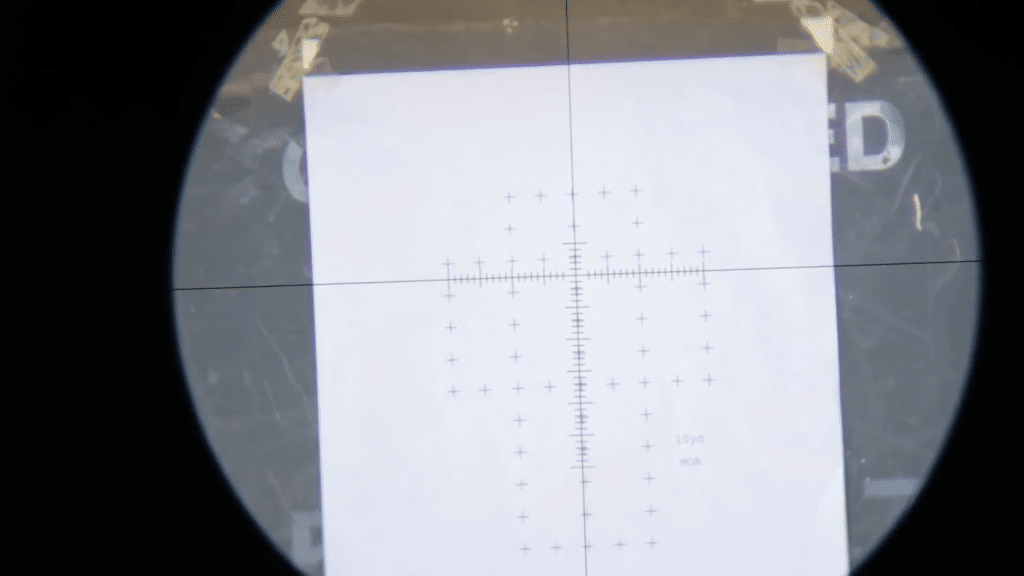
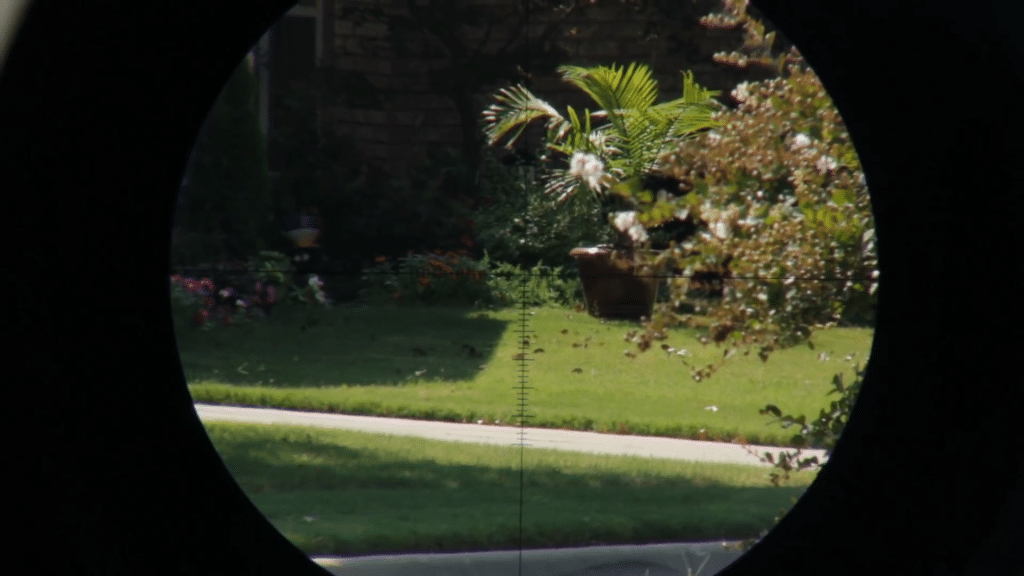
The Deploy MOA reticle sits in the second focal plane. That means it stays the same size no matter where you set the magnification. I like this for hunting because the reticle doesn’t vanish at lower power.
The hash marks are clean without clutter. No Christmas tree nonsense blocking your view.
via: The Social Regressive
For holdovers on deer sized targets out to 500 yards, the subtensions worked great. I zeroed at 200 yards and used the holdovers for quick shots on steel at different distances. The lack of illumination is a bummer for dawn and dusk hunting. But the reticle is thin enough that it won’t hide your target.
Eye Relief
via: The Social Regressive
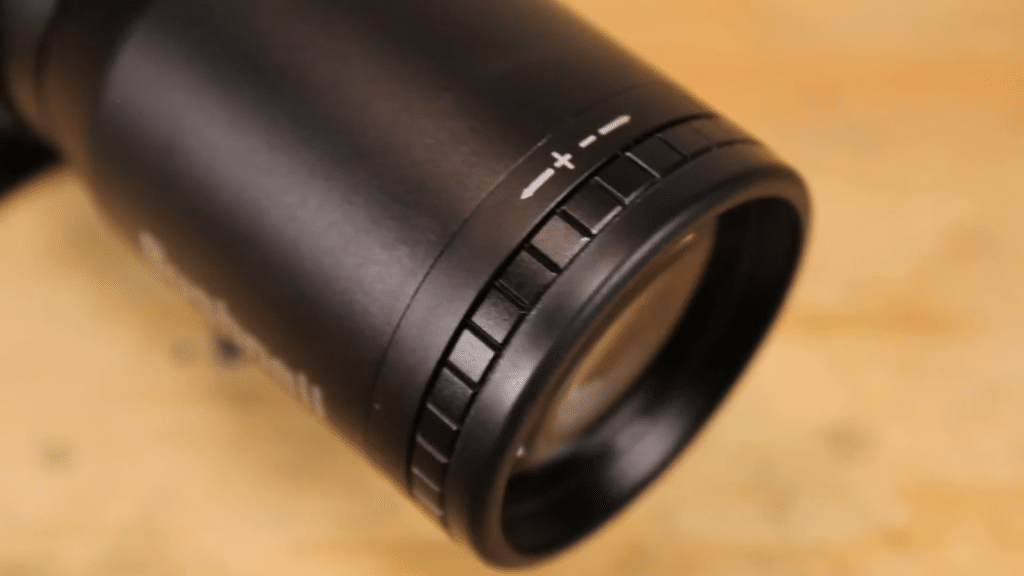
The 3.6 inches of eye relief has kept me safe from scope bite. I run this scope on both my .308 and a harder kicking rifle. Never had issues with head placement.
That matters when you’re setting up for a shot on game. The last thing you want is to worry about getting punched in the face by your own scope.
Eye Box
via: The Social Regressive
Here’s where things get tricky.
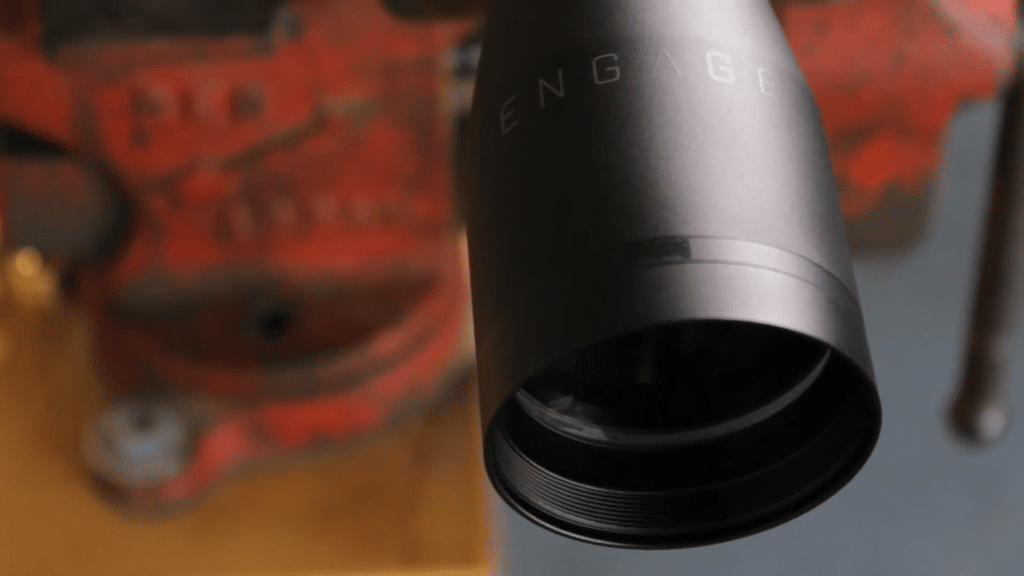
At 6x, finding the sight picture is easy. You can move your head around and still see everything. Crank it up to 24x and you need to be in exactly the right spot. Otherwise you’re staring at shadows.

This showed up when shooting from awkward field positions. Prone off a bipod worked fine. But when I was twisted around a tree trying to get on a coyote, I had to really work to find the image.
Not a dealbreaker. But it demands solid shooting form at high magnification. The Vortex Diamondback Tactical handles this a bit better in my experience.
Durability
via: Mrgunsngear Channel
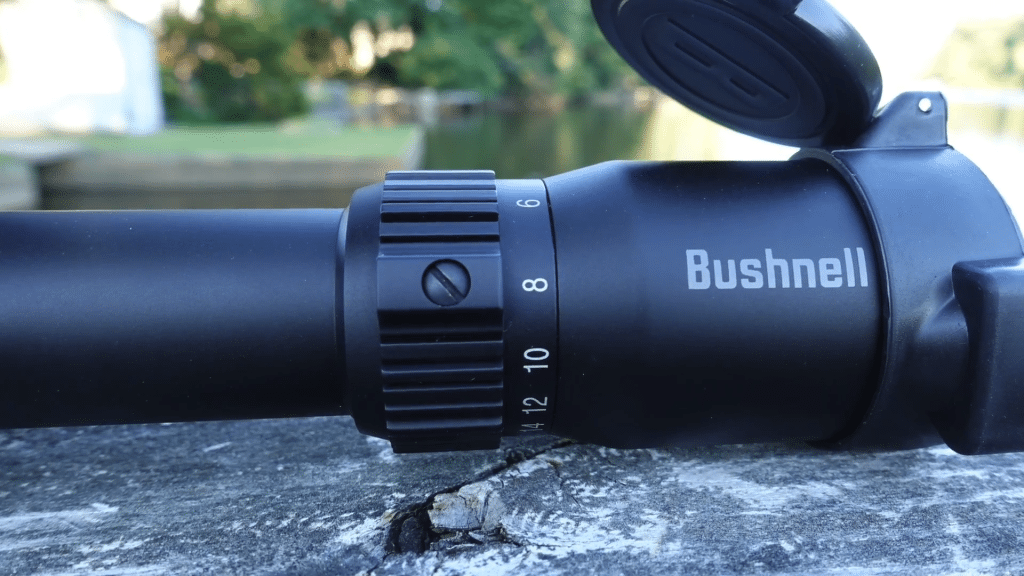
This scope took a beating and asked for more.
It rode in my truck bed for weeks. Got rained on during a November deer hunt. Saw temperature swings from 25 degrees at dawn to 70 by afternoon. Zero never budged.
The EXO barrier coating actually works. Water beaded right off the lenses without leaving residue.
via: Mrgunsngear Channel
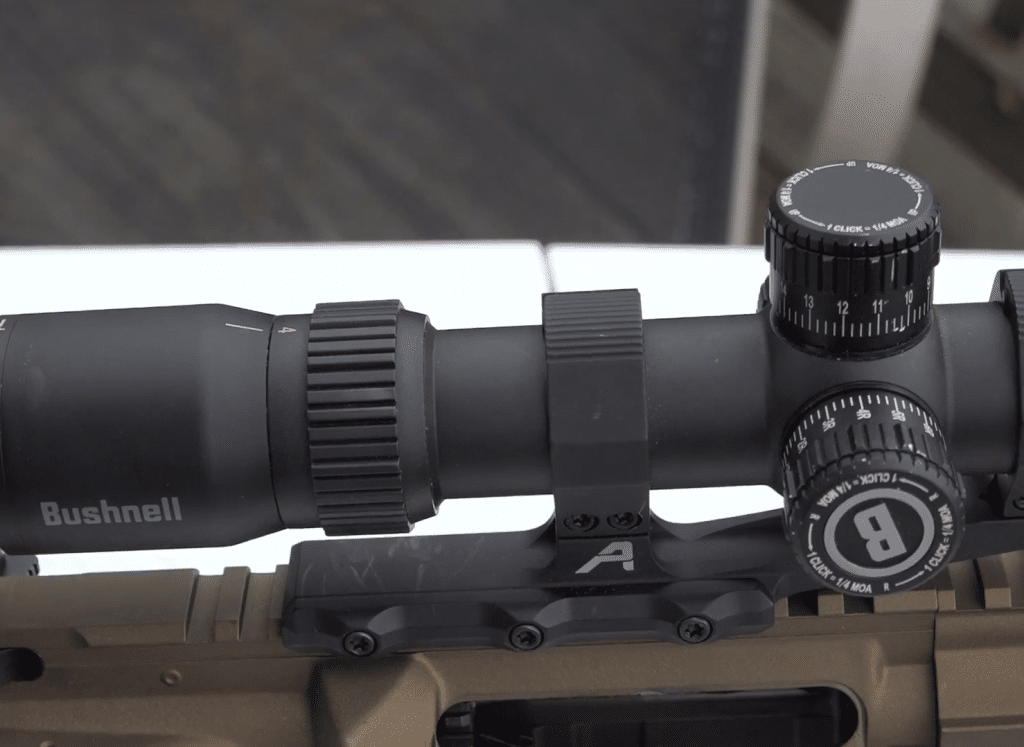
I also dropped it while mounted on the rifle. From tailgate height onto dirt. Held zero. The 30mm tube and aluminum construction feel solid.
After six months of hunting and range work, there’s not a single rattle or loose part.
Elevation Windage Knobs
via: The Social Regressive
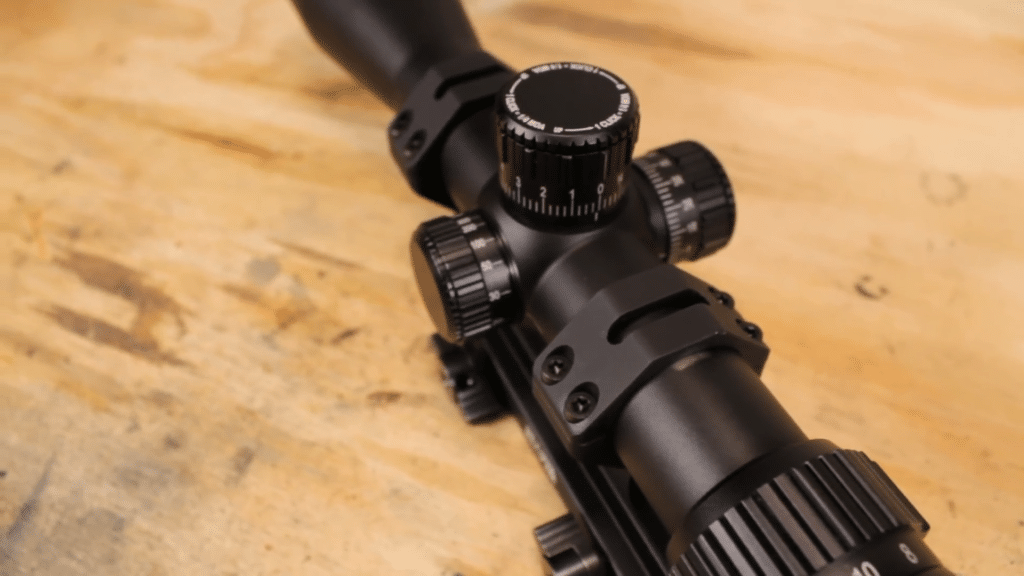
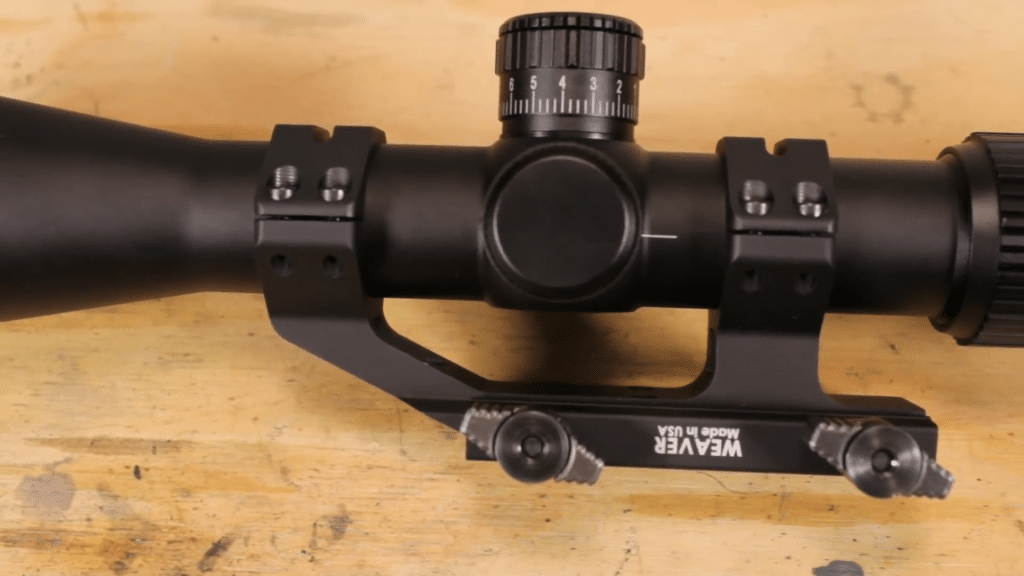
The exposed tactical turrets sold me on this scope.
Each click is a crisp 0.25 MOA. You can hear and feel every adjustment. The locking feature stops accidental bumps in the field. Pull up to unlock, dial, push down to lock. Simple.
I ran a box test at 100 yards with 10 MOA adjustments in each direction. It tracked perfectly and came back to zero. After 200 rounds of dialing for different distances, the turrets still feel tight with no slop.
via: The Social Regressive
The zero reset feature is tool free. Handy when you’re at the range and don’t want to fumble with hex wrenches.
Magnification
via: The Social Regressive
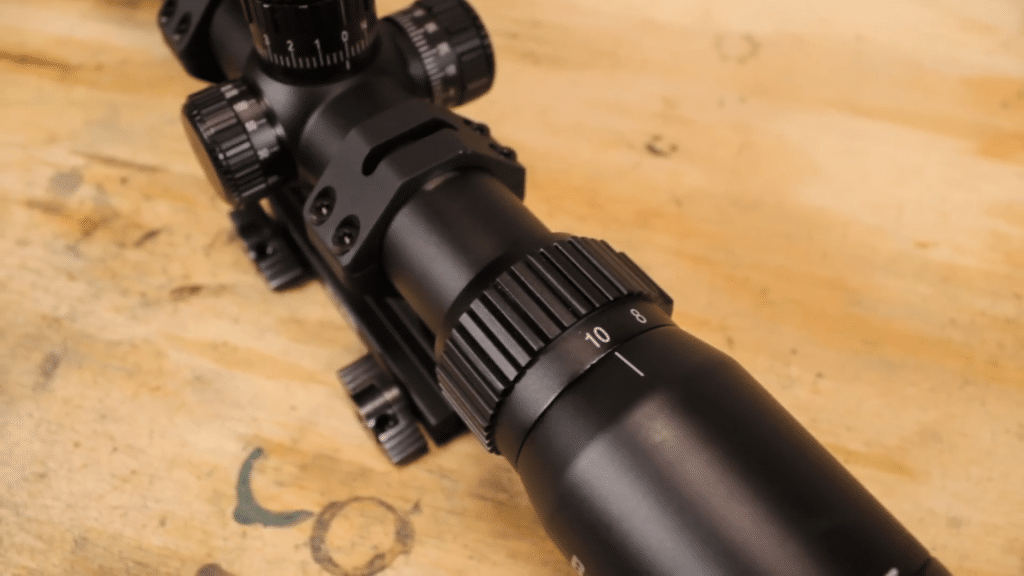
The magnification ring needs some muscle to turn. Especially in cold weather. That’s actually good because it won’t shift on its own while hiking through brush.
The 6-24x range handles everything. Close timber shots. Long range prairie work. All of it.
via: The Social Regressive
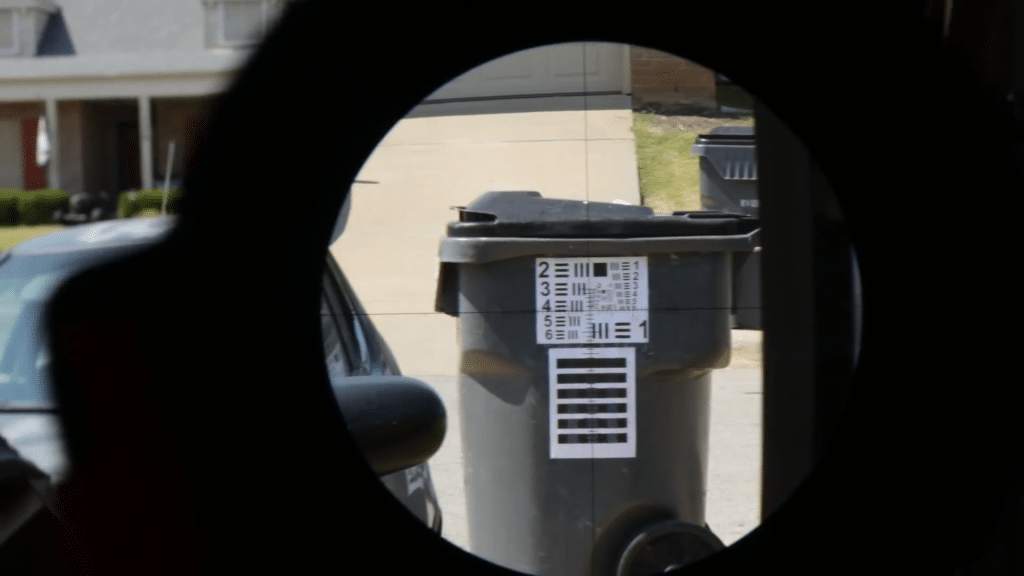
I keep mine at 6-8x for most hunting. The wider field of view helps pick up moving game quickly. When I need to reach past 300 yards, I crank it up. The image stays sharp through the whole range without weird tunneling or distortion.
Parallax
via: The Social Regressive
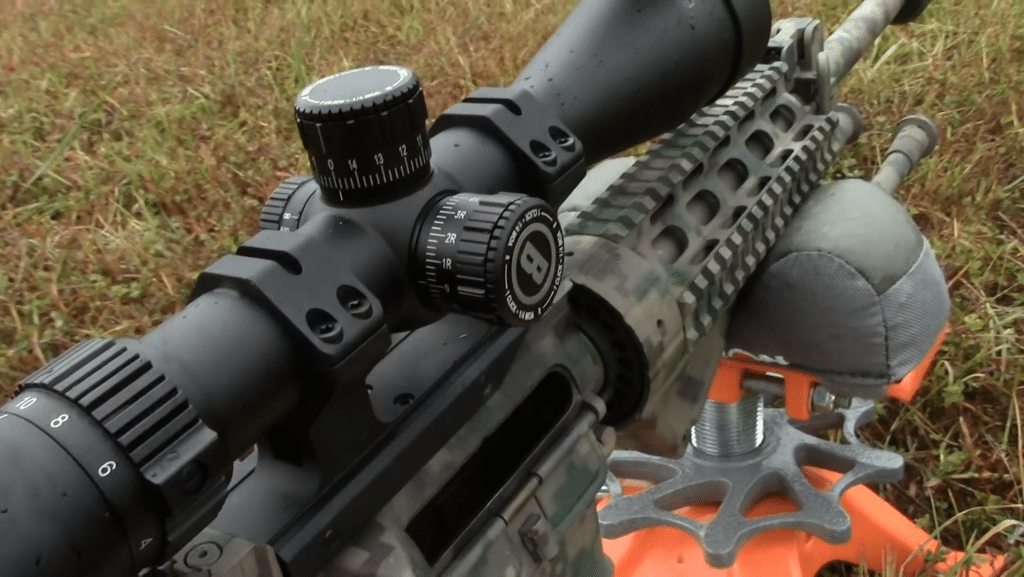
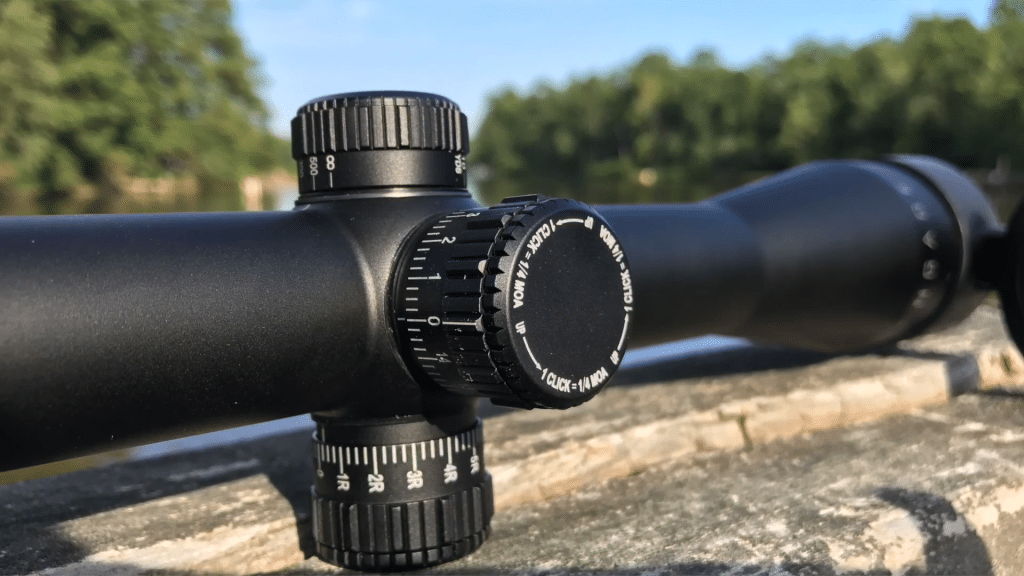
The side focus parallax adjustment runs from 10 yards to infinity. I spent time dialing it in at every range from 50 to 600 yards. It’s smooth and precise. No stiffness or dead spots.
Getting parallax free was easy once I learned the markings.
via: Mrgunsngear Channel
For hunting, I set it at 150 yards and forget it unless I’m taking longer shots. The large dial is easy to grip with gloves on. That matters during cold weather hunts.
Accessories
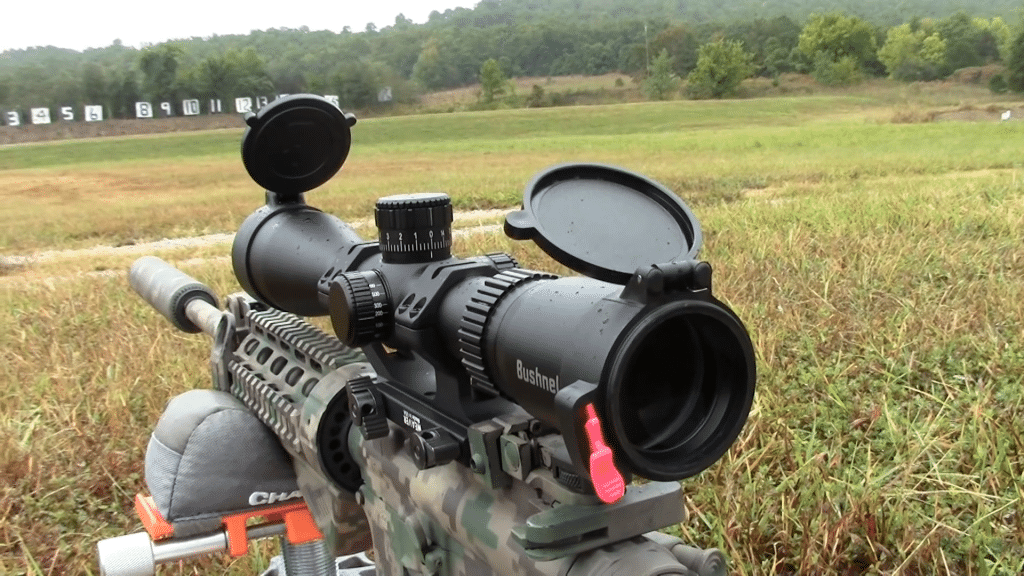
The scope comes with basic flip up caps. They’re flimsy. I swapped to Butler Creek flip ups right away for faster target acquisition in the field.
- Vortex Pro Series 30mm Rings: These provide the rock-solid mounting platform this scope deserves, with precise machining that won’t slip under recoil.
- Butler Creek Flip-Up Scope Covers (Size 31 Objective/appropriate eyepiece): Ditch the factory caps for these. They’re faster and more durable for hunting conditions.
- Wheeler FAT Wrench: Torque your rings properly to prevent scope shift, especially critical with tactical turrets that need to hold zero.
By the Numbers
Glass Clarity
4.5/5

The fully multi-coated lenses deliver sharp, clear images with excellent low-light performance that kept me shooting well into dusk, though slight edge distortion appears at maximum magnification.
Reticle
4/5
The Deploy MOA reticle provides clean, usable holdovers for long-range work, but the lack of illumination limits effectiveness during dawn and dusk hunting when you need it most.
Eye Relief
5/5With 3.6 inches of consistent eye relief, I never worried about scope bite even on hard-kicking rifles, making it perfect for magnums and larger calibers.
Eye Box
3.5/5Forgiving at lower magnifications but becomes demanding at 24x, requiring precise head placement that can be frustrating in awkward shooting positions.
Durability
5/5After six months of rough truck rides, weather exposure, and accidental drops, this scope maintained zero without any fogging or mechanical issues.
Elevation Windage Knobs
4.5/5The locking tactical turrets track precisely with crisp 0.25 MOA clicks and tool-free zero reset, though the locking mechanism takes some getting used to initially.
Magnification
4/5The 6-24x range covers all practical hunting and target scenarios with consistent clarity, though the stiff ring can be stubborn in cold weather.
Parallax
4.5/5Side focus adjustment is smooth and accurate from 10 yards to infinity, with easy-to-read markings and enough resistance to prevent accidental shifts.
Overall
4.4/5See how I test & rate in my reviews. Learn more >
Summary
After months of hard use, this scope earned a permanent spot in my rifle safe.
The Bushnell Engage 6-24×50 delivers where it counts. Sharp glass. Reliable tracking. Tough construction that handles abuse. It’s not perfect. The tight eye box at high magnification annoys me sometimes. The missing reticle illumination stings during dawn hunts. But those are minor gripes.
For hunters who need a scope that works in timber and reaches across open country, this is worth serious consideration. Mine performed on everything from close whitetail encounters to 500 yard steel. It held zero through weather changes and rough handling.
The price point makes it accessible. You get tactical style turrets, solid glass, and real durability without spending a fortune. If you’re building a dedicated long range hunting rifle or need precision capability on a budget, the Engage delivers.
How the Bushnell Engage 6-24×50 Compares Against Others
| Features | Bushnell Engage 6-24×50 | Athlon Argos BTR Gen 3 6-24×50 | Vortex Diamondback Tactical 6-24×50 | Leupold VX-5HD 3-15×44 |
|---|---|---|---|---|
| Price | ~$300 | ~$280 | ~$420 | ~$1,400 |
| Magnification | 6-24x | 6-24x | 6-24x | 3-15x |
| Objective Lens | 50mm | 50mm | 50mm | 44mm |
| Tube Diameter | 30mm | 30mm | 30mm | 30mm |
| Weight | 23.7 oz | 30.3 oz | 24.6 oz | 20 oz |
| Eye Relief | 3.6 inches | 3.3 inches | 3.9 inches | 3.7 inches |
| Focal Plane | Second | First | First | Second |
| Reticle | Deploy MOA | APLR11 FFP IR MOA | EBR-2C MOA/MRAD | Duplex/Wind-Plex/FireDot |
| Illumination | No | Yes | No | Optional (FireDot) |
| Adjustment Range | 50 MOA | 60 MOA | 65 MOA | 75 MOA |
| Parallax Range | 10 yards to infinity | 10 yards to infinity | 10 yards to infinity | N/A (CDS system) |
| Lens Coating | Fully Multi-Coated | Fully Multi-Coated | XD Extra-Low Dispersion | HD Glass |
| Waterproof Rating | IPX7 | Argon Purged | Argon Purged | 100% Waterproof |
| Warranty | Limited Lifetime | Lifetime | VIP Unlimited Lifetime | Limited Lifetime |
| Pros | – Crisp glass clarity – Precise turret tracking – Tool-less zero reset – Generous eye relief – Solid value | – Illum inated reticle – FFP design – Affor dable price – Good glass quality | – FFP reticle – Excellent turret tracking – Wide adjustment range – Strong warranty | – Premium HD glass – Lightest weight – Superior low-light performance – Legendary durability |
| Cons | – No illuminated reticle – Tight eye box – Heavy for class – Stiff magnification ring | – Heavy at 30.3 oz – Shorter eye relief – Less forgiving eye box – Bulkier profile | – No illumination – Can be stiff – Heavier than Bushnell – Premium price for budget tier | – Expensive – Lower max magnification – Overkill for casual use – Pricey replacement if damaged |
The Bushnell Engage 6-24×50 hits the sweet spot for hunters who want reliable long range glass without emptying their wallet. The second focal plane reticle works better for hunting than the FFP designs in the Athlon or Vortex. Turret tracking is solid for the money. The lack of illumination hurts in low light, but the glass quality helps make up for it.
The Athlon Argos BTR Gen 3 6-24×50 gives you an illuminated FFP reticle for less money. Sounds great until you pick it up. At over 30 ounces, it feels like a boat anchor compared to the Bushnell. The shorter eye relief becomes a problem on hard kicking rifles too. If you’re building a heavy bench gun and want FFP on the cheap, go Athlon. For a hunting rifle you’ll carry, skip it.
The Vortex Diamondback Tactical 6-24×50 is the real competition here. You get FFP, better turret adjustment range, and that bulletproof Vortex warranty. It’s worth the extra $120 if you’re serious about shooting at distance and need first focal plane for dialing. The weight difference is small. The EBR-2C reticle offers more versatility than the Bushnell’s Deploy MOA.
The Leupold VX-5HD 3-15×44 plays in a completely different league. Yes, it costs stupid money. But the HD glass is noticeably clearer, especially in that critical last light. At 20 ounces, it’s the lightest option here by a good margin. The lower magnification ceiling isn’t ideal for precision work past 600 yards. For most hunting though, 15x is plenty.
To Summarize
I’ve used the Bushnell Engage 6-24×50 hard for months. It delivers what most hunters need. Clear glass to pick out details at distance. Turrets that track true. A price that leaves money for ammo and range time. Nothing fancy. Just reliable.
If you’ve got extra cash and shoot past 400 yards regularly, get the Vortex Diamondback Tactical instead. The first focal plane reticle stays accurate at any magnification. The adjustment range gives you more room to work with. That VIP warranty means Vortex will fix or replace it no questions asked. The Bushnell is solid, but the Vortex offers better long term value for serious shooters.

For hunters who stick to moderate ranges and prefer a lighter rifle, the Bushnell Engage handles the job without overthinking it. I’d mount it on a hunting rifle without hesitation. But if precision shooting is your thing and you plan to push your rifle’s limits, spend the extra $120 on the Vortex. You’ll appreciate the FFP reticle and extra adjustment when you’re dialing for wind at 600 yards.
Frequently asked questions
What is the Bushnell Engage 6-24×50 best used for?
The Bushnell Engage 6-24×50 works best for long range hunting and precision shooting from 100 to 600 yards. The magnification range handles close timber shots at 6x and open country work at 24x. I’ve used it for whitetail, coyote hunting, and steel target shooting. The tactical turrets make it good for shooters who dial for distance rather than holding over.
Does the Bushnell Engage 6-24×50 hold zero?
Yes. I’ve put over 200 rounds through my rifle with this scope mounted. It never lost zero. It survived drops, temperature swings, and rough transport in my truck without shifting point of impact. The locking turrets stop accidental adjustments during handling.
Is the Bushnell Engage 6-24×50 good for hunting?
Yes. The second focal plane reticle stays visible at low magnifications for close shots. The glass provides good clarity in low light during dawn and dusk. At 23.7 ounces, it’s reasonable for a hunting rifle. The lack of illumination is the only real drawback for thick cover or dark timber.
What rings do I need for the Bushnell Engage 6-24×50?
You need 30mm scope rings. I recommend medium or high rings depending on your rifle and how much objective clearance you need. Vortex Pro Series, Leupold PRW2, or Warne Maxima rings all work well. Torque them to manufacturer specs. Usually 15-18 inch pounds for ring screws and 55-65 inch pounds for base screws.
How far can you shoot with a Bushnell Engage 6-24×50?
You can shoot effectively out to 600-700 yards depending on your rifle and ammunition. The 24x magnification gives enough clarity to see targets at distance. The Deploy MOA reticle has holdover marks for ranging. The tactical turrets offer 50 MOA of adjustment. Most hunting shots happen under 400 yards, where this scope does its best work.
Is first or second focal plane better for hunting?
Second focal plane generally works better for hunting. The reticle stays the same size at any magnification. It remains visible and usable at low power for close shots. The Bushnell Engage uses SFP, which suits hunters who zero at one distance and use holdovers. FFP works better for precision shooters who dial frequently at different magnifications.
Why should you trust me
I’m Richard Douglas. I’ve tested rifle scopes for over a decade as a firearms instructor and tactical advisor. I’ve worked with manufacturers like Bushnell, Leupold, and Sightmark, giving them honest feedback on their products. My reviews show up in major firearms publications because I tell it like it is.
I’ve wasted thousands on scopes over the years. Some worked. Most didn’t. That’s why I started Scopes Field. Every scope I review goes through the same process. Mounting. Zeroing. Drop tests. Shooting from 50 to 500 yards. I track groupings, verify zero retention, and use them in real hunting conditions.
I don’t take money for reviews or guest posts. The Bushnell Engage 6-24×50 sat on my rifle for months before I wrote this. You’re getting straight talk from someone who actually shoots.


Hey thanks! Great information. I’m looking to mount a GOOD scope on my Winchester 30-06 mod 70. And it needs to do more than just zoom in. Especially once you get out to and beyond 300 yards. And your article was spot on to what I’m looking for. Very much appreciated.
David
I have been using a 4 to 16 on a custom built 7mm Remington Magnum and using it for long range target shooting and have really twisted a lot on the turrets and so far this thing has been flawless