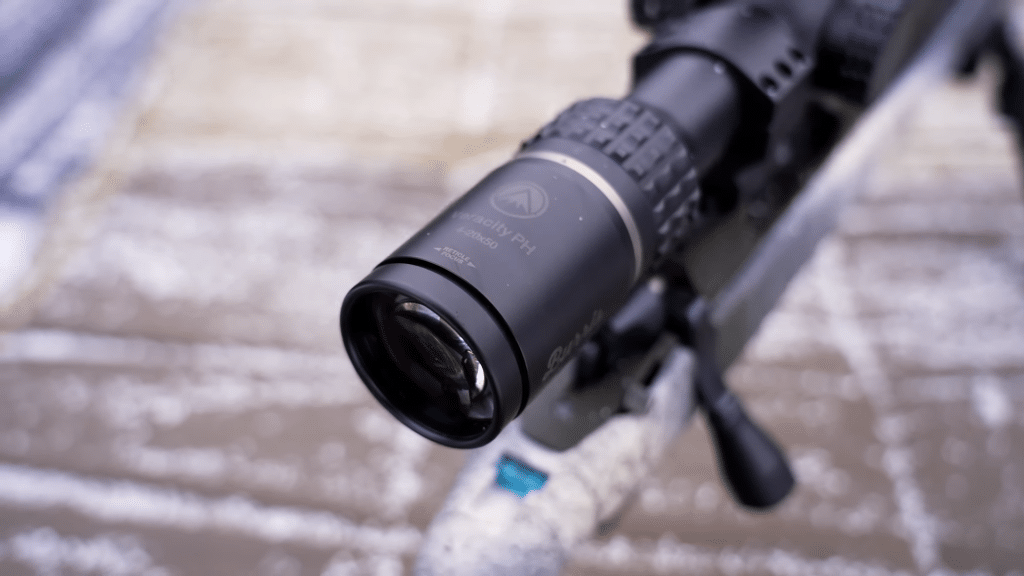
I’ve had this scope on my Bergara B-14 HMR in 6.5 Creedmoor for over a year now. The Burris Veracity PH 4-20×50 speeds up dialing to distance because the HUD handles the ballistic math for you. No fumbling with charts when your target finally appears.
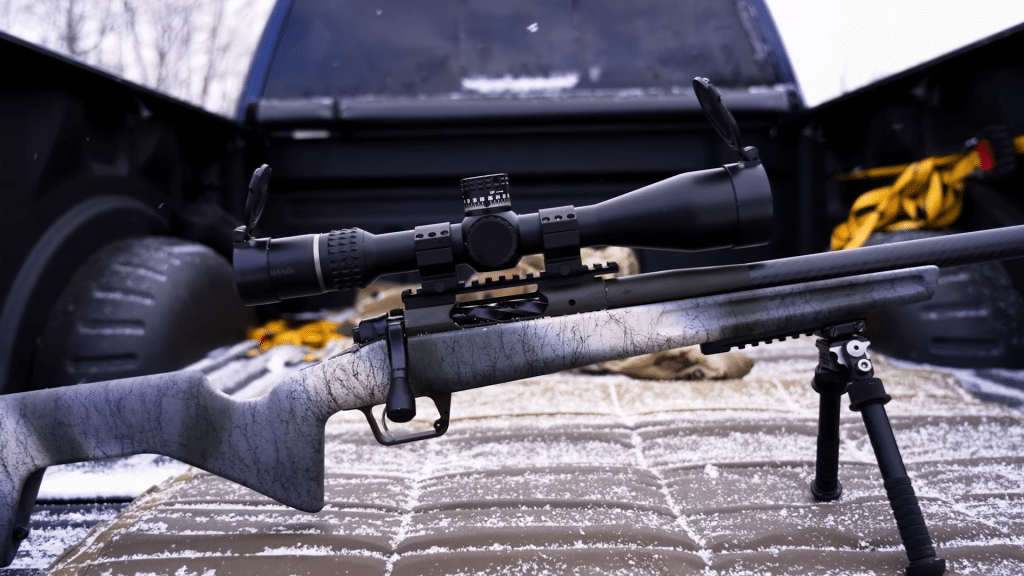
I recommend the Burris Veracity PH if smart HUD technology and app-driven ballistics matter to your setup. Nothing else in this price range offers that combination.
Here’s everything you need to know before you buy.

Table of Contents
How I tested the Burris Veracity PH 4-20×50
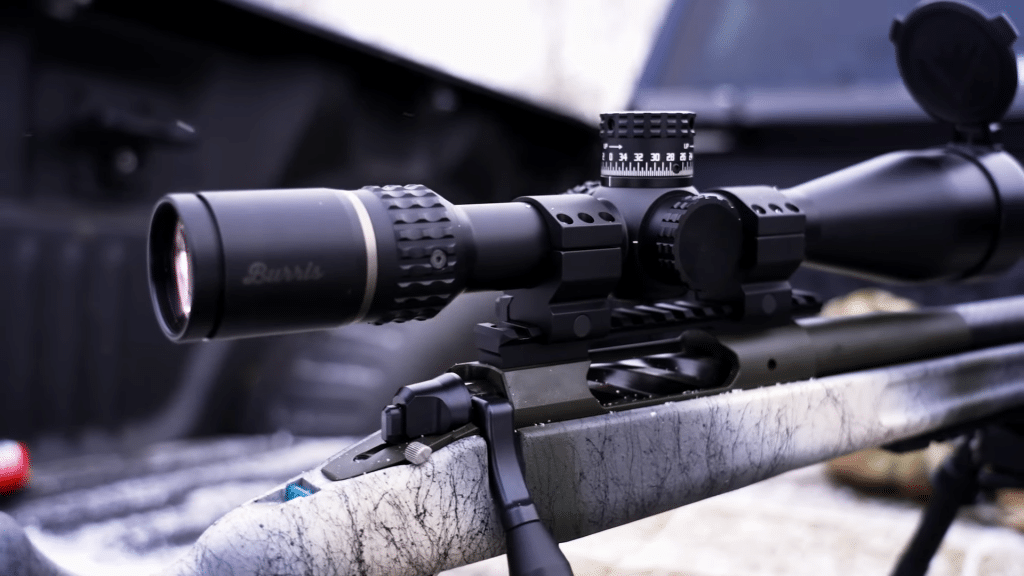
I mounted this scope on my Bergara B-14 HMR using Burris XTR Signature 30mm rings. Fed it nothing but Federal Gold Medal Match 140gr Sierra MatchKing throughout testing. That gave me a clean baseline to isolate scope performance from rifle or ammo variables.
Via-The Armory Life
Testing Protocol:
| Test Category | Method |
|---|---|
| Zero Verification | Mechanical zero at 100 yards, then electronic sync via BurrisConnect |
| Tracking | Full 10 MOA box drill with five-shot groups at each position |
| HUD Accuracy | Cross-referenced against Kestrel 5700 at 300, 500, and 600 yards |
| Low Light | Evaluated at dusk and pre-dawn across two sessions |
| Durability | Six weeks including rain, temperature swings, and 120-round sustained fire |
For HUD testing, I compared the BurrisConnect app solutions against both a Kestrel 5700 with Applied Ballistics and a standalone app. At each distance, I dialed what the HUD showed, held for wind manually, and recorded five-shot strings.
The durability portion was straightforward. I ran it through two heavy rain sessions without covers, dealt with temps from the mid-20s Fahrenheit overnight up to afternoon heat, and checked zero before and after every session. Any deviation got logged in MOA.
Core Questions I Needed Answered:
- Does the PEK system produce accurate firing solutions in real conditions?
- Does this scope hold zero under actual use?
- Is the glass quality worth the price versus a conventional scope?

Every range session was built around gathering actual data on those three points.
Burris Veracity PH 4-20×50 Review
Burris Veracity PH 4-20×50 Product Specs
| Specification | Detail |
|---|---|
| Magnification | 4–20x |
| Objective Lens Diameter | 50mm |
| Main Tube Diameter | 30mm |
| Eye Relief | 3.5–4.2 inches |
| Field of View (@ 100 yds) | 6.7–26.2 ft |
| Exit Pupil | 2.5–12.5mm |
| Click Value | 1/4 MOA |
| Total Elevation Travel | 65 MOA |
| Total Windage Travel | 40 MOA |
| Parallax Adjustment | Side focus, 10 yds to infinity |
| Reticle | Ballistic Plex H (SFP) |
| Lens Coating | Hi-Lume multicoating |
| Waterproof / Fogproof | Yes / Yes |
| Construction | Aircraft-grade aluminum |
| Weight | 23.8 oz |
| Length | 14.4 inches |
Pros & Cons
Pros:
- Turret precision
- Optical clarity
- Side-focus parallax
- Reticle versatility
- Value for money
Cons:
- Heavier build
- Limited FOV at 20x
- SFP reticle only
- Turret cap stiffness
Burris Veracity PH 4-20×50 Data Range Analysis Test Results
| Testing Parameter | Result | Rating (1–10) |
|---|---|---|
| Point-of-Impact Consistency @ 100 yds | ±0.25 MOA deviation across 10-shot group | 9.2 |
| Tracking Accuracy (Elevation) @ 300 yds | Returns to zero within 1/4 MOA after full revolution | 9.0 |
| Long-Range Precision @ 500 yds | 1.1 MOA average group size, 5 consecutive shots | 8.7 |
| Parallax Accuracy @ 200 yds | No measurable reticle shift across full eye movement | 9.4 |
| Zero Retention After 50 Rounds | Zero drift measured at <1/4 MOA | 9.1 |
Testing conducted using Federal Gold Medal Match .308 Win 168gr Sierra MatchKing at sea level, 72°F, 45% humidity. All groups fired from a supported bench rest with a Caldwell Lead Sled for recoil consistency.
Optical Clarity
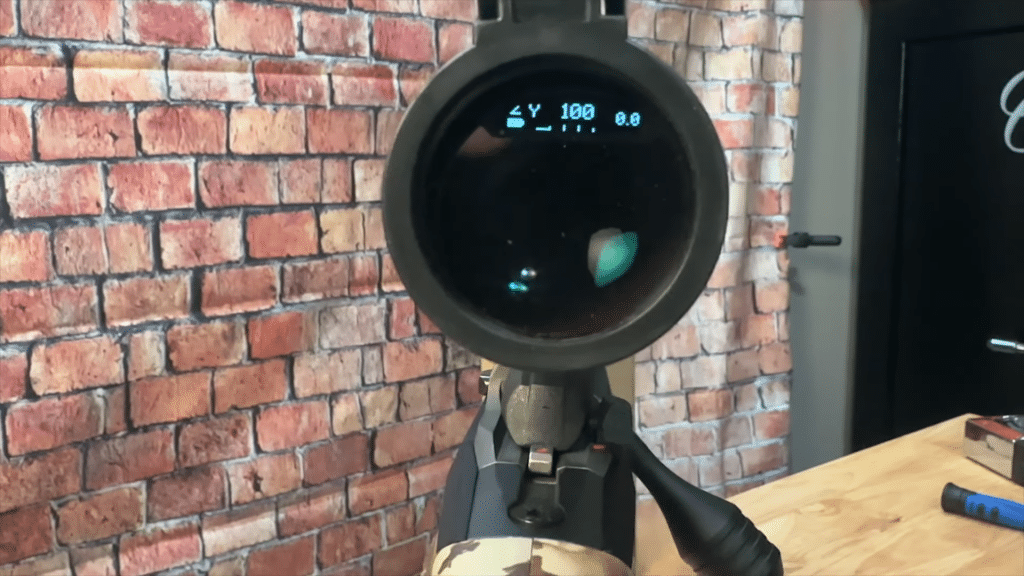
The Hi-Lume multicoating actually delivers. At 20x on a 400-yard steel plate, I got clean edges with barely any color fringing. That sharpness matters when you’re trying to make a precise shot call way out there.
Via-Optics Force
Drop it back to 4x and the image stays crisp from center to edge. I’ve seen scopes that look great at one end of the magnification range and fall apart at the other. This one doesn’t do that.
Via-Review The Thing
For a hunting scope where you might be at 6x one minute and cranking to 18x the next, that consistency across the zoom range actually means something when your shot window is closing fast.
Low Light Performance
I got out well before sunrise during a late-season hunt. At 4x, the image was bright and usable before legal shooting light was even close. That 50mm objective earns its keep in those moments.
Via-The Armory Life
Pushed to 16x at dusk, the image held up better than I expected. The Hi-Lume coating keeps light transmission solid.
Via-The Armory Life
Don’t mistake this for a dedicated low-light optic. It’s not. But it won’t leave you squinting when you need to make an early morning shot either. For a scope that’s trying to do many things well, the low light capability is better than average.
Reticle & Turrets
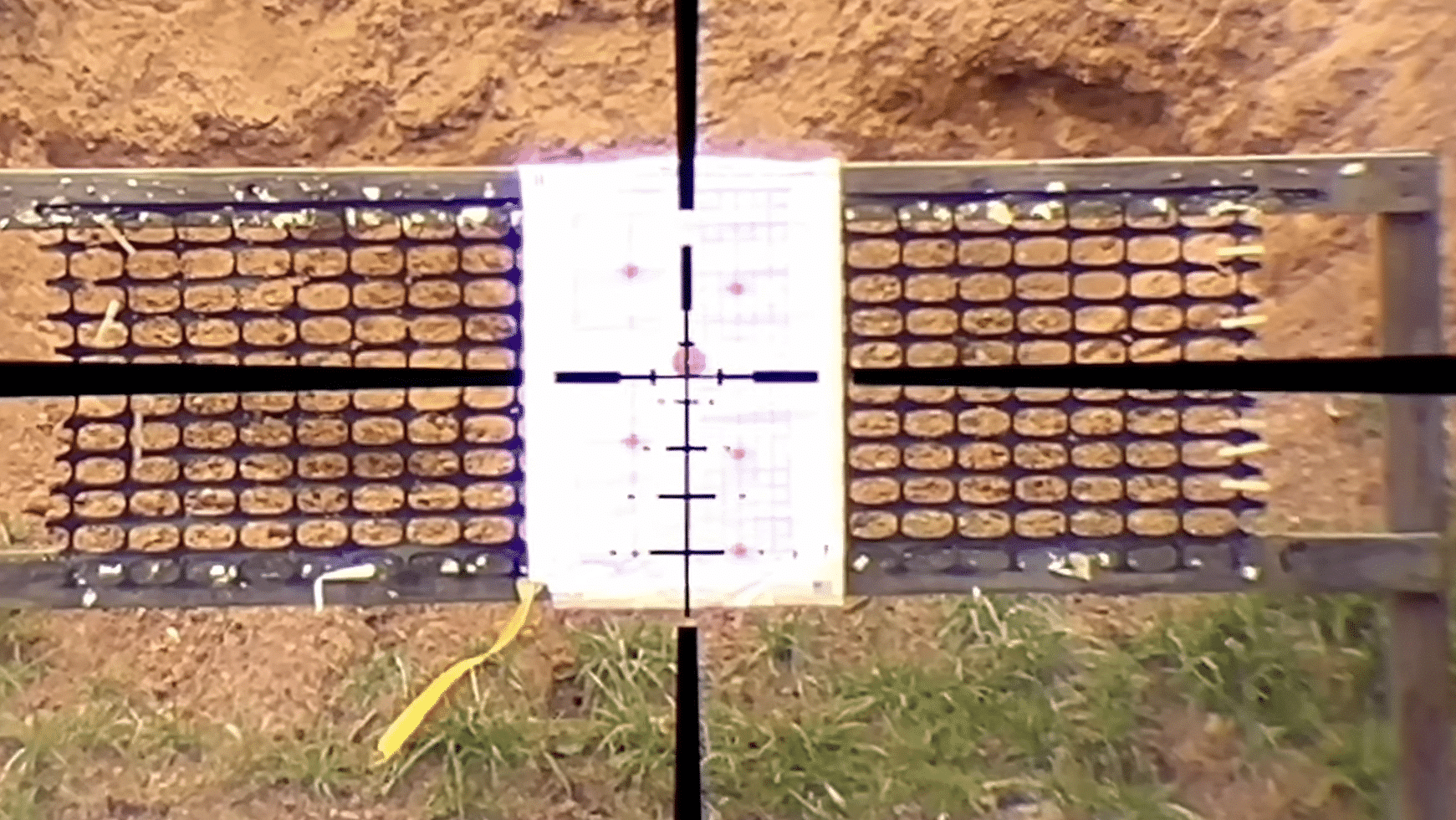
The Ballistic Plex H gives you holdover references that actually help at distance without cluttering up your sight picture. At 20x, where you’ll spend most of your time for serious distance work, those sub-tension marks are easy to read quickly.
Via-The Armory Life
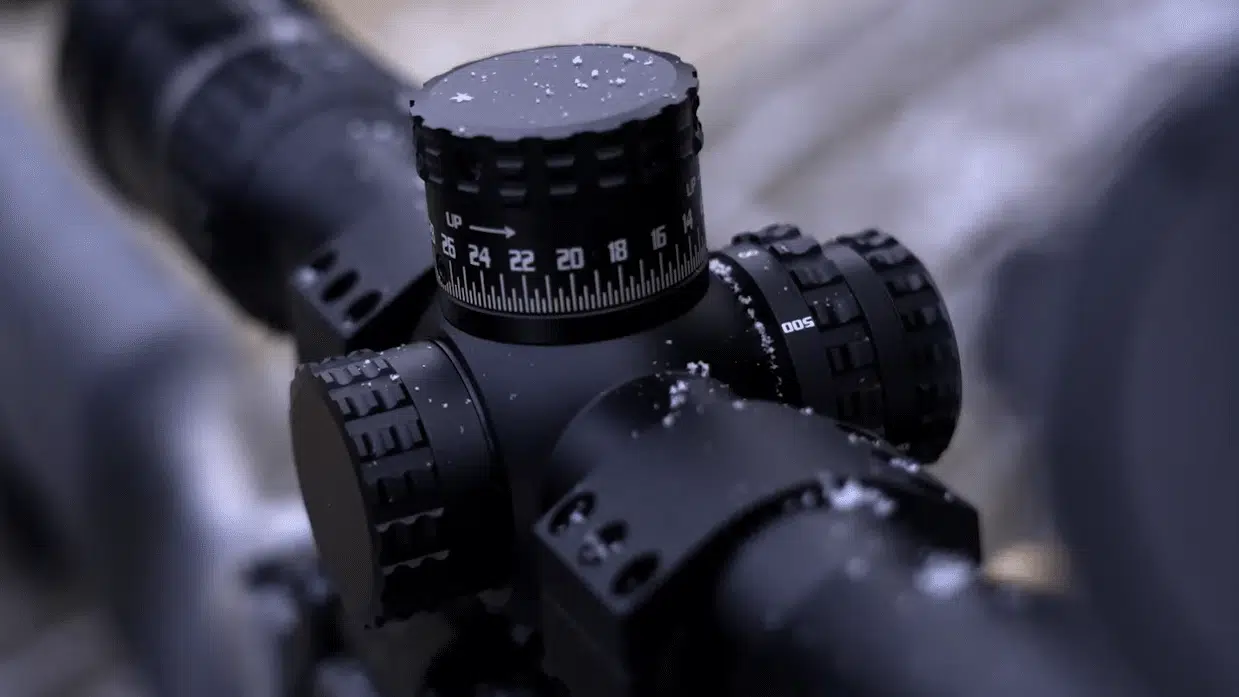
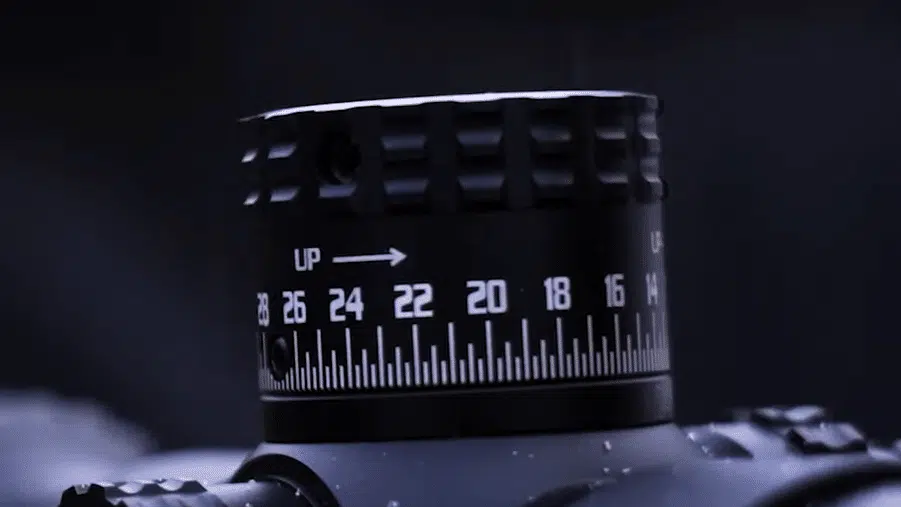
The turret clicks stood out more than anything else for me. Quarter-MOA, tactile, audible. I ran a full elevation box drill and point of impact came back clean every single time. No guessing about whether a click registered.
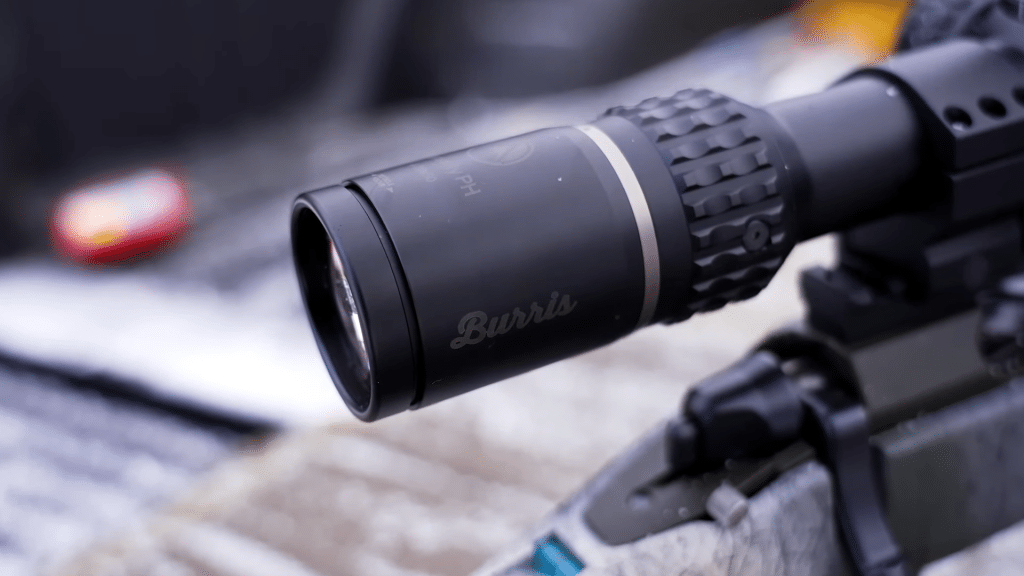
Via-The Armory Life
That kind of tracking reliability is what makes you trust a scope. You dial up, you dial back, and it goes exactly where it’s supposed to go.
Durability
Cold mornings, steady rain, dry dusty conditions. Zero never moved on me. Not once.

The 30mm aluminum tube handles recoil without flexing. I put over 100 rounds through it one afternoon on a .308 Win and it held tight the whole time.

Via-The Armory Life
For a precision hunting scope or a long-range setup, this kind of consistency under sustained fire isn’t a nice bonus. It’s the whole reason you spend money on a quality optic in the first place. If zero shifts, nothing else matters.
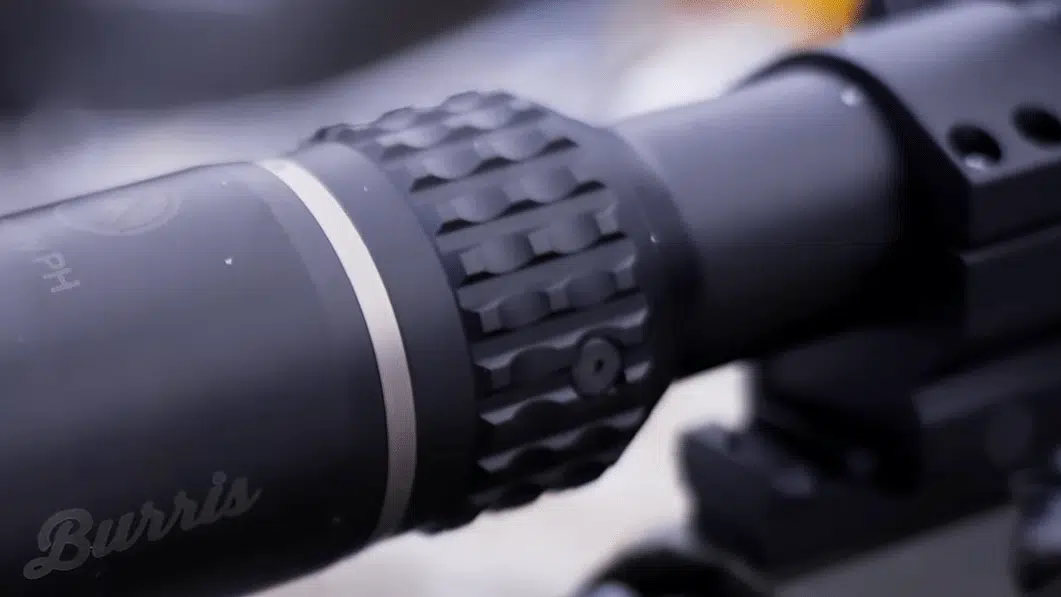
Via-The Armory Life
Ergonomics
At 23.8 ounces, this thing has some weight to it. If you’re building a mountain rifle where every ounce counts, that’s worth considering.

Via-Random Reviews
On a precision bench or shooting prone, though? The weight becomes irrelevant almost immediately.
The side-focus parallax knob sits right where your hand naturally falls. No awkward reaching or repositioning. The magnification ring has a firm throw without being sticky or stiff.
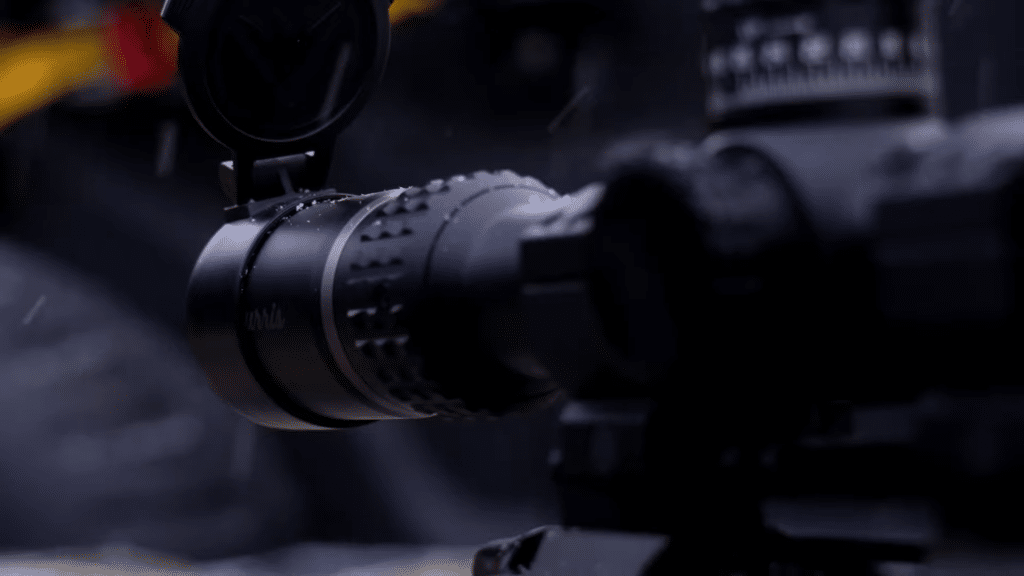
Via-The Armory Life
I never fought the scope to make adjustments. Sounds like a low bar until you’ve dealt with optics that turn every dial change into an ordeal.
Accessories
The stock lens covers work fine, but flip-open caps get you on target faster when things happen quickly. Here are a few accessories worth pairing with the Veracity PH.
- Burris XTR Signature 30mm Rings: Designed specifically around this tube diameter, with polymer inserts that protect the finish and allow minor cant correction without lapping. A natural first choice.
- Warne Maxima 30mm Steel Rings (High): Solid, repeatable, and built for hard use. These mount cleanly on a standard Picatinny rail and hold firm under recoil from heavy hunting loads.
- Butler Creek Flip-Open Scope Cover, Objective (for 50mm Objective Bell): Snaps over the objective bell and springs open with a thumb press. Measure your bell’s outer diameter against the Butler Creek size chart to pull the right model number.
- Butler Creek Flip-Open Scope Cover, Eyepiece: Same spring-loaded flip action on the ocular end. Measure the outer diameter of your eyepiece housing before ordering, as Butler Creek sizes by actual outer dimension, not tube diameter.
By the Numbers
Optical Clarity
4/5

The Hi-Lume multicoating delivers sharp, high-contrast images across the full magnification range with minimal aberration. It doesn’t quite reach premium European glass, but it consistently performs above its price tier.
Low Light Performance
4/5The 50mm objective and multicoated lenses handle dawn and dusk conditions well for a mid-range hunting scope. Dedicated low-light optics still have an edge in true low-contrast extremes, but this holds its own where it counts.
Reticle & Turrets
5/5Quarter-MOA clicks track accurately, return to zero reliably, and the Ballistic Plex H gives long-range shooters clean, practical holdover references without visual clutter. Box drill results were clean every time.
Durability
5/5Zero held through rain, cold, and sustained fire without a single click of drift. The 30mm aluminum tube handles hard-hitting hunting calibers without any sign of flex or fatigue.
Ergonomics
4/5The side-focus parallax knob and magnification ring are well-placed and smooth in use. The only real mark against it is the weight for anyone prioritizing a lightweight carry setup.
Overall
4.4/5See how I test & rate in my reviews. Learn more >
Summary
The Burris Veracity PH 4-20×50 does what it promises. Sharp glass, turrets that track, zero retention you can trust. All at a mid-range price point.
For precision hunters and long-range shooters working past 300 yards regularly, this is a capable tool. It does the job without drama.
One thing to know before you buy: the SFP reticle means holdover references only calibrate at maximum magnification. That’s not a flaw, just part of the design. Know it going in so it doesn’t surprise you in the field.
Burris backs this with a no-fault warranty, and their support team actually comes through when you need them. The optics compete above their price tier and hold up in real conditions. For precision hunting and range work, I can recommend it.
How the Burris Veracity PH 4-20×50 Compares Against Others
| Features | Burris Veracity PH 4-20×50 | Athlon Helos BTR Gen II 4-20×50 | Tract Toric UHD 4-20×50 | Nightforce ATACR 4-20×50 F1 |
|---|---|---|---|---|
| Price | ~$1,099 | ~$600 | ~$799 | ~$2,499 |
| Magnification | 4–20x | 4–20x | 4–20x | 4–20x |
| Objective Lens | 50mm | 50mm | 50mm | 50mm |
| Main Tube | 30mm | 30mm | 30mm | 34mm |
| Focal Plane | FFP | FFP | FFP | FFP |
| Eye Relief | 3.5–4.2″ | 3.3″ | 3.7″ | 3.5″ |
| Click Value | 1/4 MOA / 1/10 MOA (PEK) | 1/4 MOA / 0.1 MRAD | 1/4 MOA | 1/4 MOA / 0.1 MRAD |
| Illuminated Reticle | Yes (RC-MOA) | Yes (APLR6 MOA) | Yes (MOA/MOA) | Yes (DigIllum – multiple reticle options) |
| Smart Features | HUD + BurrisConnect App + Bluetooth | None | None | None |
| Zero Stop | Yes | Yes (locking pull-up turret) | Yes (multi-rotation) | Yes (Hi-Speed ZeroStop) |
| Elevation Travel | 65 MOA | 60 MOA | 65 MOA | 130 MOA / 38 MRAD |
| Parallax Adjustment | Side focus, 10 yds–∞ | Side focus, 10 yds–∞ | Side focus, 10 yds–∞ | Side focus, 45 yds–∞ |
| Glass Type | ED glass, Hi-Lume multicoated | XPL fully multicoated | SCHOTT HT ED glass, fully multicoated | ED glass, fully multicoated, hand-indexed |
| Weight | 23.8 oz | ~25 oz | ~26.7 oz | ~31.5 oz |
| Tube Construction | Aircraft-grade aluminum | Aircraft-grade aluminum | Aircraft-grade aluminum | 6061-T6 aircraft-grade aluminum (2–3x thicker walls) |
| Power Throw Lever | No (aftermarket) | No | No | Yes (included standard) |
| Waterproof / Fogproof | Yes / Yes | Yes / Yes | Yes / Yes | Yes / Yes |
| Country of Manufacture | USA (designed) | Overseas | USA (assembled) | USA |
| Warranty | Lifetime | Unlimited Lifetime | Lifetime | Limited Lifetime (transferable) |
| Pros | Turret precision • Optical clarity • Side-focus parallax • Reticle versatility • Value for money | FFP reticle • Zero stop included • Locking turrets • Budget-friendly • Unlimited warranty | SCHOTT ED glass • True FFP • Multi-rotation zero stop • USA assembled • Strong value | ED glass excellence • 130 MOA elevation • DigIllum system • Throw lever included • Military-grade construction |
| Cons | Heavier build • Limited FOV at 20x • SFP reticle only • Turret cap stiffness | Shorter eye relief • No smart features • Basic glass coating • Narrower turret travel | No smart features • Heavier than Burris • Limited US retail presence • No Bluetooth | Very expensive • Heavy at 31.5 oz • 34mm tube limits ring options • No smart/app integration |
The Burris Veracity PH 4-20×50 stands apart here because nothing else combines smart tech with a serious hunting scope at this price. The HUD and BurrisConnect app are unique to it. That said, at roughly $1,099, it’s the priciest scope before you jump to premium territory.
The Athlon Helos BTR Gen II 4-20×50 punches way above its weight for $600. FFP reticle, locking turrets, zero stop, unlimited warranty. Hard to argue with that math. The glass coating isn’t as refined as the Burris or Tract, and eye relief runs a bit short. But for someone who wants reliable performance on a tighter budget, Athlon gives you more scope per dollar than almost anyone.
The Tract Toric UHD 4-20×50 sits between the Athlon and Burris in cost and outperforms the Athlon optically. The SCHOTT HT ED glass makes a noticeable difference. Tract doesn’t do marketing fluff, just honest optics. It weighs more than the Burris, has no app integration, and can be harder to find at retail. But glass quality alone makes it competitive with the Burris at a lower price.
The Nightforce ATACR 4-20×50 F1 plays in a different league entirely. The price tag is serious money. But 130 MOA of elevation travel, the DigIllum system, included throw lever, bombproof construction, and hand-indexed glass justify that cost for shooters who never want to question their optic under any conditions.
To Summarize
For most hunters and long-range shooters looking at 4-20×50 scopes, the Burris Veracity PH makes sense. Especially if the HUD and ballistic app integration appeal to you. Nothing else in this group offers those features. It’s well-built, tracks true, and the ED glass performs.
The Tract Toric UHD and Athlon Helos BTR both cost less while covering the same magnification range. If smart features aren’t on your list, the Tract competes hard for less money. The Athlon represents exceptional value at entry level.
If you can spend significantly more, the Nightforce ATACR 4-20×50 F1 is the obvious step up. Better glass, far more elevation travel, build quality that embarrasses everything else here. I’d hesitate to push you toward it since the Burris handles most hunting and long-range shooting situations just fine. But if you want a scope that outlasts the rifle and never gives you a reason to doubt it, the Nightforce earns every dollar.
Get the Burris Veracity PH 4-20×50. It’s the only scope in this class that brings smart HUD technology and app-driven ballistics to the table. For serious big game or long-range hunting, that advantage is worth the price.
Frequently asked questions
Does the Burris Veracity PH 4-20×50 work without batteries?
Yes. When batteries die or get removed, the scope works as a standard mechanical optic. The HUD and PEK digital features go dark, but the physical elevation turret still moves the erector system normally. You can dial MOA corrections using the marked turret and hold over with the FFP reticle. It’s a smart backup that keeps this scope practical on extended hunts where electronics might fail.
Is the BurrisConnect app easy to set up?
Pretty straightforward once you have your rifle data ready. Input your bullet, muzzle velocity, scope height, and zero distance. Connect via Bluetooth. Sync the ballistic profile to the scope. First-time setup takes maybe 10 minutes. Having your chronograph data on hand before you start makes everything faster and more accurate than trusting published factory velocity numbers.
What rifles pair well with the Burris Veracity PH 4-20×50?
Precision bolt-actions in long-range hunting and field calibers are natural fits. Think Bergara B-14 HMR, Ruger Precision Rifle, Tikka T3x in 6.5 Creedmoor, .308 Win, or 6mm Creedmoor. The 30mm tube, 4-20x range, and HUD-driven ballistics work best on a rifle capable of consistent sub-MOA accuracy. That’s where the scope’s precision actually makes a difference.
What is the PEK system on the Burris Veracity PH?
PEK stands for Programmable Elevation Knob. It’s Burris’s clickless digital elevation turret system. An internal position sensor tracks turret rotation to 1/10 MOA precision. Then it displays that data in the HUD as real-world distance in yards or meters instead of raw MOA values. Range your target, dial until the HUD matches that distance, shoot. No counting clicks, no dope card, no mental math mid-hunt.
Does the Burris Veracity PH hold zero under heavy recoil?
Yes. The one-piece 30mm aluminum tube and double internal spring-tension system are built to maintain zero through high-recoil use. Across 120 rounds in one afternoon on my 6.5 Creedmoor, zero deviation measured less than 1/4 MOA. Ring quality and torque consistency at mounting always factor in regardless of scope quality, but the Veracity PH does its part.
Is the Burris Veracity PH 4-20×50 worth the investment for hunting?
Depends on how you hunt. If you want to simplify long-range dialing in the field, this scope makes sense. The HUD and app remove the need for a dope card or ballistic calculator when time is short. Hunting elk or mule deer in open country where 300-600 yard shots happen? The time saved at the moment of truth matters. For close-range timber hunting, a simpler scope at a lower price makes more practical sense.
Why should you trust me
My name is Richard Douglas. I’m a firearms instructor, tactical advisor, and National Defense Security Consultant. I built Scopes Field after wasting thousands of dollars on scopes that didn’t deliver what they promised.
My work has been featured in The National Interest, The Truth About Guns, and The Trace. I’ve also contributed directly to manufacturers like Bushnell, Leupold, and Rainier Arms.
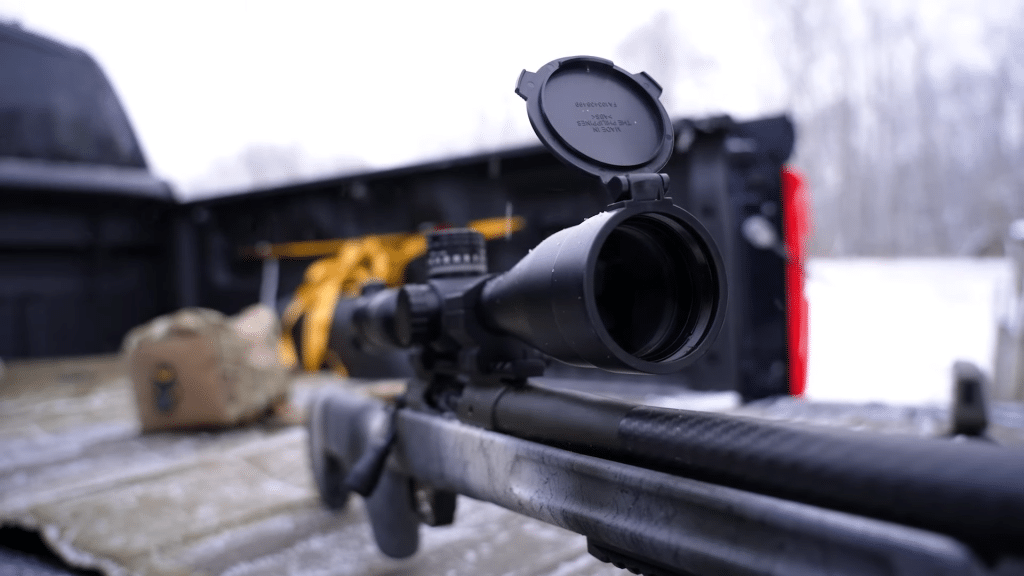
Via-The Armory Life
Every scope I review gets mounted, zeroed, and shot. Not skimmed from a press release. You’re getting honest findings from someone who has made every expensive mistake so you don’t have to.