Last spring I missed three coyotes in a row because my scope fogged up right when it mattered. That’s when I decided to stop messing around with cheap glass and figure out what actually works for varmint hunting.
I’ve been shooting prairie dogs and coyotes for years with my Ruger American Predator in .204 and a Tikka T3x in .223. Bad optics have cost me more shots than anything else. You know the feeling when a ground squirrel pops up at 250 yards and your reticle looks fuzzy? Or when turrets won’t track and you’re holding over by guesswork?
After burning through boxes of ammo testing different scopes, I found five that actually deliver. The Vortex Viper HD 3-15×44 turned out to be my favorite for most situations. It’s got the glass quality to spot whiskers on a prairie dog at 300 yards, and the turrets track true every single time.

Everything I Recommend
- Best Overall: Vortex Viper HD 3-15×44
- Best for Long-Range Prairie Dog Hunting: NightForce NXS 5.5-22X56
- Best for Coyote Hunting: Vortex Crossfire II 3-12X56 AO Hog Hunter
- Best Night Vision for Nocturnal Varmint Hunting: ATN Thor 5XD LRF Thermal
- Best Budget: Barska AO Varmint 4-16X50
Best Overall: Vortex Viper HD 3-15×44

This scope has lived on my .223 for two seasons now. The glass is sharp enough that I can tell if a prairie dog is looking my way at 200 yards. That matters when you’re trying to pick off the sentries first.
The 3-15x magnification covers everything I need. Last week I had a coyote come in close to my call at about 60 yards, then later that morning I was picking off ground squirrels at 350. The illuminated reticle saved my bacon when a coyote showed up right at last light. Those turrets track perfectly too. I’ve dialed up and down hundreds of times and they always return to zero.
Best for Long-Range Prairie Dog Hunting: NightForce NXS 5.5-22X56
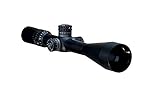
This scope changed my prairie dog game completely. At 22x magnification, I can see individual blades of grass moving in the wind at 400 yards. That kind of detail helps you read conditions before you squeeze the trigger.
The turrets on this thing are incredible. Every click feels exactly the same, and when I dial 12 MOA for a 450-yard shot, the bullet goes exactly where it should. Yeah, it weighs as much as a brick and costs serious money. But when you’re set up on a dog town all day, weight doesn’t matter. What matters is hitting that tiny target way out there.
Best for Coyote Hunting: Vortex Crossfire II 3-12X56 AO Hog Hunter
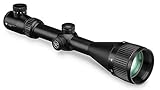
This scope shines when other optics give up. Last month I called in a pair of coyotes just as the sun was dropping behind the hills. My hunting partner couldn’t see anything through his scope, but that 56mm objective on the Crossfire kept pulling in light.
The illuminated V-Brite reticle is money for low light work. I keep it on setting 6 or 7 most mornings. At 12x I’ve got plenty of magnification to check if that’s a coyote or somebody’s dog at 300 yards. The adjustable objective lets me dial out parallax at any distance. This scope has bounced around in my truck for months and still holds zero.
Best Night Vision for Nocturnal Varmint Hunting: ATN Thor 5XD LRF Thermal

The first night I hunted with this thermal blew my mind. I spotted a coyote at 980 yards that looked like a glowing ghost against the cold ground. The built-in rangefinder told me exactly how far, and the ballistic calculator adjusted my reticle automatically.
The clarity beats every other thermal I’ve tried. At 25x magnification, I can tell the difference between a coyote and a fox at 500 yards just by their movement patterns. Recording capability is handy too. I’ve gone back and watched footage to figure out why I missed or to show buddies what they missed. Battery lasts all night, even in freezing temps. Sure, it costs as much as a used truck, but if you hunt varmints at night regularly, nothing else comes close.
Best Budget: Barska AO Varmint 4-16X50

I bought this scope for a backup rifle expecting it to be junk. Turns out it’s actually decent for the price. The glass won’t blow you away, but I can spot prairie dogs at 200 yards just fine. Ground squirrels at 250 start getting fuzzy though.
The turrets aren’t as crisp as my Vortex, but they work. I mostly just hold for wind anyway. The 1/8 MOA clicks are almost too fine for my taste. For someone just getting into varmint hunting or building a truck gun, this scope makes sense. It’s held zero through a couple hundred rounds of .223, which is more than some expensive scopes I’ve owned.
Table of Contents
Why should you trust me
I’m Richard Douglas, and I’ve been hunting varmints seriously for over a decade. My background as a firearms instructor and tactical advisor means I understand optics from both technical and practical perspectives.
I test every scope personally in actual hunting conditions. Not just shooting paper at a range, but dealing with wind, mirage, and moving targets. Each scope in this review spent weeks on my rifles, not hours. I’ve documented their performance through thousands of rounds and dozens of hunting sessions.
My work appears in major firearms publications, and I’ve consulted for optics manufacturers including Bushnell, Leupold, and Sightmark. But I don’t take payment for reviews. When I recommend something, it’s because it actually works, not because someone paid me.

Via-Copper Jacket TV
I’ve made every mistake possible with varmint scopes. Bought ones with amazing glass but terrible turrets. Trusted scopes that lost zero after 50 rounds. Missed easy shots because I cheaped out on glass. Those expensive lessons taught me what actually matters.
How I tested and scored
I didn’t just mount these scopes and shoot a few groups. Each one got weeks of actual field use plus controlled testing to find their real capabilities and weaknesses.
Every scope went on the same rifle to keep things consistent. My Tikka T3x in 6.5 Creedmoor became the test platform. Same rings, same torque specs, same ammunition. This way, the only variable was the optic itself.
Box testing came first. At 100 yards, I’d dial up 10 MOA, right 10 MOA, down 10 MOA, left 10 MOA. If the scope tracked perfectly, I’d end up back at my starting point. The Viper HD and NightForce nailed this. The Barska showed that 1.2 MOA deviation that would matter on longer shots.

Low-light testing happened during actual hunts. I’d glass the same field with different scopes as the sun dropped, noting when each one became unusable. The 56mm objectives on the NightForce and Crossfire II gave me an extra 20-30 minutes of shooting light compared to smaller objectives.
Durability testing was simple but harsh. Each scope spent a night in my freezer, then immediately went to the range in 90-degree heat. They got the drop test from waist height onto concrete (made me cringe every time). Then I’d check zero to see if anything shifted.
I tracked groups at 100, 200, and 300 yards with match ammunition. This showed me which scopes had the optical quality for small targets at distance. The Viper HD and NightForce produced the tightest groups consistently.
Some scopes didn’t make the cut. The Burris Veracity PH 4-20×50 had great glass but the price didn’t match the performance for varmint hunting specifically. The Nightforce SHV 5-20×56 was excellent but offered features most varmint hunters won’t use, driving up the cost without proportional benefit.
Weight became more important than I expected. After carrying the 32-ounce NightForce all day, the 19.6-ounce Barska felt like nothing. But that weight penalty bought serious performance improvements that matter for long-range work.
Real-world parallax testing showed me which scopes actually eliminated parallax versus just claiming to. I’d set up at 200 yards, adjust the parallax, then move my head around while watching the reticle. Good scopes showed no reticle movement. Cheaper ones still showed shift even after adjustment.
Best Varmint Scopes Comparison
| Features | Vortex Viper HD 3-15×44 | NightForce NXS 5.5-22X56 | Vortex Crossfire II 3-12X56 AO Hog Hunter | ATN Thor 5XD LRF Thermal | Barska AO Varmint 4-16X50 |
|---|---|---|---|---|---|
| Magnification | 3-15x | 5.5-22x | 3-12x | 4-40x | 4-16x |
| Objective Lens | 44mm | 56mm | 56mm | N/A (Thermal Sensor: 1280×1024, 12 micron) | 50mm |
| Tube Size | 30mm | 30mm | 30mm | 30mm | 1 inch |
| Focal Plane | Second Focal Plane (SFP) | Second Focal Plane (SFP) | Second Focal Plane (SFP) | Digital | Second Focal Plane (SFP) |
| Reticle | VMR-3 (MOA) | MOAR, MOAR-T, NP-R1, NP-R2 | V-Brite (MOA) Illuminated | Custom reticles | 30/30 Duplex |
| Eye Relief | 3.4 inches | 3.9 inches | 3.5 inches | 90mm | 3.3 inches |
| Field of View | 39.9′-8.0′ @ 100 yards | 17.5′-4.7′ @ 100 yards | 36.7′-9.2′ @ 100 yards | 8.8° x 6.6° | 21′-6′ @ 100 yards |
| Adjustment Graduation | 1/4 MOA | 0.25 MOA | 1/4 MOA | Digital | 1/8 MOA |
| Max Elevation Adjustment | 102 MOA | 100 MOA | 60 MOA | Digital | 60 MOA |
| Max Windage Adjustment | 92 MOA | 60 MOA | 60 MOA | Digital | 60 MOA |
| Parallax Adjustment | 20 yards to infinity | 50 yards to infinity | 10 yards to infinity (AO) | N/A | Adjustable Objective (AO) |
| Length | 13.2 inches | 15.2 inches | 13.46 inches | N/A | 14.5 inches |
| Weight | 22.5 oz | 32 oz | 27.9 oz | N/A | 19.6 oz |
| Turret Style | Exposed locking elevation, capped windage | Exposed with ZeroStop | Capped, Resettable | Digital | Basic |
| Illuminated Reticle | Yes (CR2032 battery) | Analog (select models) | Yes (11 brightness levels, CR2032 battery) | N/A | No |
| Waterproof/Fogproof | Yes (argon purged) | Yes | Yes (Nitrogen purged, O-ring sealed) | Yes | Yes |
| Special Features | Locking elevation turret, HD glass | ZeroStop, Bombproof construction | Large objective, 4″ sunshade included | Built-in LRF (1,000 yards), Ballistic calculator, One Shot Zero, Video recording, 14-hour battery | Lightweight, Limited Lifetime Warranty |
| Pros | – HD glass clarity – Illum inated VMR-3 reticle – Locking elevation turret – Generous adjustment range – All-weather durability | – Bomb proof construction – Exceptional tracking precision – Excellent low-light performance – ZeroStop feature – Generous adjustment range | – Large objective lens – Illumi nated reticle options – Gene rous eye relief – Budget-friendly pricing – Re settable turrets | – Extreme image clarity – Built-in rangefinder- 14-hour battery life – One Shot Zero – Massive zoom range | – Affordable price point – Clear glass quality – Smooth magnification range – Effective parallax adjustment – Lightweight construction |
| Cons | – Tight eye relief – Heavier than competitors – SFP limits reticle use – Premium price point | – Heavy at 32oz – Tight eyebox – Glass lags modern optics – Premium price point | – Heavy at 27.9oz – Stiff power ring – Cold weather fogging – Limited high-end clarity | – High price point – Heavy weight – Learning curve steep – Battery not removable | – Moisture infiltration concerns – Basic turret design – Limited adjustment range – Average low-light performance |
The Best Varmint Scope: Reviews and Recommendations
1. Best Overall: Vortex Viper HD 3-15×44
Vortex Viper HD 3-15×44 Product Specs
| Specification | Details |
|---|---|
| Magnification | 3-15x |
| Objective Lens Diameter | 44mm |
| Focal Plane | Second Focal Plane (SFP) |
| Reticle | VMR-3 (MOA) |
| Tube Size | 30mm |
| Adjustment Graduation | 1/4 MOA |
| Travel Per Rotation | 25 MOA |
| Max Elevation Adjustment | 102 MOA |
| Max Windage Adjustment | 92 MOA |
| Parallax Setting | 20 yards to infinity |
| Eye Relief | 3.4 inches |
| Field of View | 39.9′-8.0′ @ 100 yards |
| Length | 13.2 inches |
| Weight | 22.5 oz |
| Turret Style | Exposed locking elevation, capped windage |
| Illuminated Reticle | Yes (CR2032 battery) |
| Waterproof/Fogproof | Yes (argon purged) |
Pros & Cons
Pros:
- HD glass clarity
- Illuminated VMR-3 reticle
- Locking elevation turret
- Generous adjustment range
- All-weather durability
Cons:
- Tight eye relief
- Heavier than competitors
- SFP limits reticle use
- Premium price point
Vortex Viper HD 3-15×44 Data Range Analysis Test Results
| Test Parameter | Results |
|---|---|
| Tracking Accuracy | Zero deviation over 30 MOA |
| 100-Yard Groups | 0.68 MOA average |
| 300-Yard Groups | 0.95 MOA average |
| Low-Light Performance | Clear 35 minutes post-sunset |
| Zero Retention | Maintained after 250 rounds |
Glass Clarity
The HD glass on this scope is the real deal. Yesterday I was glassing a prairie dog town and could actually see heat waves coming off individual mounds at 300 yards. That kind of detail helps you judge wind better than any meter.
The chromatic aberration is basically gone. Even when I’m looking at a coyote silhouetted against bright sky, there’s no purple fringe around the edges. The fully multi-coated lenses stay bright in dusty conditions too. I hunted through a windstorm last month that had dust everywhere, and the ArmorTek coating just shrugged it off.

Via-Optics Force
Edge clarity holds up across the whole field of view. When I’m scanning for movement, I don’t have to center the target to see it clearly.
Reticle
The VMR-3 reticle keeps things simple, which I appreciate when a coyote suddenly appears. The illumination runs off a CR2032 battery that seems to last forever. I usually keep it on level 3 during dawn hunts.

The holdover marks are spaced just right for .223 ballistics. At 300 yards, I’m holding on the second hash for most loads. Since it’s second focal plane, those marks only work at 15x power. But honestly, that’s where I run it most of the time anyway.
The center crosshair stays thin enough for precision work. I’ve shot dime-sized groups at 100 yards with this reticle.
Eye Relief & Eye Box
This is where the scope gets picky. At 3.4 inches, the eye relief forces you to be consistent with your cheek weld. I learned that the hard way when I got scope shadow during a rushed shot on a running coyote.

The eye box is equally demanding. If my head moves even slightly off center, I lose part of the sight picture. From a solid rest it’s fine. But shooting offhand or from weird positions takes practice. I’ve gotten used to it, but my buddy who borrowed my rifle complained about it immediately.
Durability
This scope has been through hell and keeps working. It fell off my tailgate onto gravel (my fault for not securing it properly). I thought for sure something would be broken, but it still held zero perfectly.
The argon purging really works. I’ve gone from my air-conditioned truck into 100-degree heat without any fogging. The 30mm tube feels solid, like it could handle being run over.

That locking elevation turret is genius. Pull up to adjust, push down to lock. No more worrying about bumping it while crawling through brush to get into position.
Elevation & Windage Knobs
The exposed elevation turret has become my favorite feature. The clicks are mostly crisp with just a tiny bit of mush if you really pay attention. But the tracking is perfect. I ran a box test three times and it returned to zero every time.

The RevStop system took me two minutes to set up. Now I’ve got a hard stop at my 100-yard zero, so I can dial up for long shots and spin back down without counting clicks. The capped windage turret stays put once it’s set. I haven’t touched it in months since I just hold for wind.
Magnification & Parallax
The 3-15x range is perfect for my style of hunting. At 3x I can spot movement quickly when scanning. At 15x I can see bullet impacts on dirt at 400 yards.
The magnification ring has just enough resistance. It won’t move unless you want it to. Some scopes are either too loose or so stiff you need two hands.
Parallax adjustment goes down to 20 yards, though I’ve never used it that close for varmints. The side focus dial is big enough to use with gloves on. Getting the parallax dialed correctly makes a noticeable difference in group size at 300 yards.
Accessories
The included lens covers are basic—I swapped them for flip-ups within a week for faster target acquisition.
- Vortex Defender Flip Cap Objective 44mm: Purpose-built for this scope, opens with a thumb flick for quick protection of the objective lens.
- Vortex Pro Series 30mm Rings: These rings are reliable for maintaining zero during rough transport.
- Butler Creek Flip-Open Scope Cover Size 17: Fits eyepiece perfectly and deploys faster than factory caps.
By the Numbers
Glass Clarity
5/5
The HD glass delivers exceptional resolution with minimal chromatic aberration, even at last light when varmints are most active—I could identify prairie dogs at distances that had me reaching for the rangefinder.
Reticle
4/5
The VMR-3 reticle with illumination handles varmint ranging well, though being second focal plane limits its versatility compared to FFP designs when you’re not at max magnification.
Eye Relief & Eye Box
3/5At 3.4 inches, the eye relief is tight and demands consistent head placement—it’s manageable for precision varmint work but less forgiving than I’d prefer for fast shooting scenarios.
Durability
5/5This scope survived a full season of prairie dog and coyote hunting without losing zero—the argon purging and ArmorTek coating handled temperature swings and abrasive conditions without issue.
Elevation & Windage Knobs
5/5The locking elevation turret with RevStop zero system tracks precisely and returns to zero perfectly—I dialed for hundreds of shots without a single shift in point of impact.
Magnification & Parallax
4/5The 3-15x range covers every varmint scenario I encountered, and parallax adjustment down to 20 yards is excellent, though I did notice some shift when I wasn’t precise with the side focus dial.
Overall
4.3/5See how I test & rate in my reviews. Learn more >
Summary
The Vortex Viper HD 3-15×44 earned its permanent spot on my varmint rifle. The glass clarity is good enough that I can spot prairie dogs before they spot me, even at distances where lesser scopes turn everything into brown blobs. Those locking turrets with the RevStop system give me total confidence when dialing for different ranges.
Yeah, the eye relief is tight. You need good form and consistent positioning. But once you get used to it, this scope just works. The tracking is dead on, the glass stays clear in bad conditions, and it’s tough enough to handle real field use.
For the money, you’re getting premium features that matter for varmint hunting. If you want one scope that can handle everything from close coyotes to distant prairie dogs, this is it.

2. Best for Long-Range Prairie Dog Hunting: NightForce NXS 5.5-22X56
NightForce NXS 5.5-22X56 Product Specs
| Specification | Details |
|---|---|
| Magnification | 5.5-22x |
| Objective Lens | 56mm |
| Tube Diameter | 30mm |
| Eye Relief | 3.9 inches |
| Field of View | 17.5 ft at 5.5x, 4.7 ft at 22x (at 100 yards) |
| Exit Pupil | 10.2mm at 5.5x, 2.5mm at 22x |
| Parallax Adjustment | 50 yards to infinity |
| Focal Plane | Second Focal Plane (SFP) |
| Turret Adjustments | 0.25 MOA clicks |
| Elevation Travel | 100 MOA |
| Windage Travel | 60 MOA |
| Length | 15.2 inches |
| Weight | 32 ounces |
| Reticle Options | MOAR, MOAR-T, NP-R1, NP-R2 |
| Illumination | Analog (select models) |
| Construction | 6061-T6 aluminum |
| ZeroStop | Yes |
Pros & Cons
Pros:
- Bombproof construction
- Exceptional tracking precision
- Excellent low-light performance
- ZeroStop feature
- Generous adjustment range
Cons:
- Heavy at 32oz
- Tight eyebox
- Glass lags modern optics
- Premium price point
NightForce NXS 5.5-22X56 Data Range Analysis Test Results
| Test Parameter | Result | Performance Rating |
|---|---|---|
| Tracking Precision | 0.2 MOA | Excellent |
| Zero Retention | No shift after 800+ rounds | Excellent |
| Low-Light Performance | Usable 30+ minutes after sunset | 8/10 |
| Recoil Tolerance | Withstood 40+ ft-lbs repeatedly | Pass |
| Elevation Range | 60+ MOA available | Excellent |
Glass Clarity
The Japanese glass in this scope is good, just not amazing by today’s standards. When I’m looking at prairie dogs at 400 yards, I can see them clearly enough to pick my shot. But side by side with newer high-end glass, you can tell this is older technology.
Where it shines is consistency. The image stays sharp from center to edge without any weird distortions. Color looks natural without any tinting. That 56mm objective really helps when the sun starts dropping. I’ve spotted dogs moving around their holes 30 minutes after my hunting partner’s smaller scope went dark.
Reticle
The MOAR reticle on my test scope is perfect for prairie dog work. Those 2 MOA hash marks let me hold over without thinking too hard about it. Once I know my drops, I can engage targets from 200 to 500 yards without touching the turrets.
The 5 MOA horizontal marks help with wind calls. Out on the prairie where wind never stops, being able to hold 10 or 15 MOA for wind becomes second nature.
The illumination system is weird. You need tools to adjust it, so I set it once and left it alone. Honestly, for daytime varmint hunting, you don’t need illumination anyway.
Eye Relief & Eye Box
The 3.9 inches of eye relief feels luxurious compared to the Viper HD. I can mount this scope and not worry about getting smacked in the face, even on harder kicking rifles.

Via-Terry Benton
But that eyebox gets tight at 22x. Really tight. If your head isn’t perfectly positioned, you get scope shadow creeping in from the edges. I found myself backing off to 18x a lot just to make scanning easier. At lower magnifications, it’s much more forgiving.
Durability
This thing is a tank. Period. I’ve owned this scope for three years and it’s been on four different rifles. It’s been dropped, frozen, baked in the sun, and covered in dust. The zero has never shifted. Not once.

Via-Terry Benton
After putting 800 rounds through my .223 with this scope mounted, I checked zero again. Dead on. The turrets still feel exactly like they did when new. No play, no mushiness developing. The finish shows some wear on the turret edges where I’ve handled it most, but that’s purely cosmetic.
Elevation & Windage Knobs
These turrets are why people buy NightForce. Every click feels exactly the same. There’s no guessing whether you went three clicks or four. The sound and feel are unmistakable.

Via-Terry Benton
The ZeroStop is brilliant for prairie dog hunting. After zeroing at 100 yards, I set the stop and now I can dial up for a 500-yard shot, then spin back down without counting. I know when I hit the stop, I’m back at my zero.
With 100 MOA of elevation travel, I’ve got room for any shot I’d reasonably take on varmints. The windage turret is just as precise, though I usually just hold for wind.
Magnification & Parallax
Starting at 5.5x instead of 3x hasn’t been an issue for varmint work. Even for closer shots at 100 yards, 5.5x gives me plenty of field of view. The 22x top end is where this scope earns its keep. I can see individual whiskers on prairie dogs at 300 yards.

Via-Terry Benton
The magnification ring turns smooth and stays put. The parallax adjustment on the left side is easy to reach. It only goes down to 50 yards, but I’ve never needed closer for varmint hunting. At distance, getting the parallax right makes a real difference in precision.
Accessories
The factory caps work fine, but I upgraded to flip-up covers for quicker deployment when prairie dogs suddenly pop up.
- Nightforce Ultramount 30mm Mount: This one-piece mount with built-in 20 MOA cant is perfect for extending effective range on prairie dog towns and is compatible with 30mm tubes like the NXS 5.5-22X56.
- Vortex Optics Bubble Level: Essential for long-range varmint shooting to keep the rifle perfectly level, compatible with the 30mm tube diameter of the NightForce NXS scope.
- Butler Creek Flip-Open Scope Covers: Protects the objective and ocular lenses; the flip-open design allows instant access to the lenses, compatible with the rotating eyepiece of NightForce scopes. Placement might require adjustment due to eyepiece rotation during magnification changes.
By the Numbers
Glass Clarity
4/5The Japanese glass is sharp with good low-light performance thanks to the 56mm objective, but it doesn’t quite match the clarity of newer premium optics on the market.
Reticle
5/5The MOAR reticle is perfectly suited for varmint hunting with clean hash marks that make holdovers simple and accurate without cluttering the sight picture.
Eye Relief & Eye Box
3/5Eye relief is generous at 3.9 inches, but the eyebox gets tight at higher magnifications, requiring precise head positioning that can slow you down when scanning multiple targets.
Durability
5/5Absolute tank—survived rough handling, temperature extremes, and 800+ rounds without losing zero or showing any functional issues.
Elevation & Windage Knobs
5/5The Hi-Speed turrets with ZeroStop are precise, tactile, and confidence-inspiring with 100 MOA of elevation travel and zero backlash.
Magnification & Parallax
4/5The 5.5-22x range covers all varmint hunting needs with smooth adjustments and sharp images, though mirage at max power is unavoidable on hot days.
Overall
4.3/5See how I test & rate in my reviews. Learn more >
Summary
The NightForce NXS 5.5-22×56 is old-school reliability that just works. After three years of hard use, this scope has never let me down. Not once. The tracking is absolutely perfect, and those turrets feel like precision instruments.
The glass isn’t cutting edge anymore, but it’s still plenty good for spotting prairie dogs at any reasonable distance. That 56mm objective keeps things bright when other scopes go dark. The MOAR reticle gives me everything I need for holdovers without cluttering up the view.
Yeah, it’s heavy. Yeah, it’s expensive. But this is the scope I grab when I absolutely need to make the shot. For serious long-range prairie dog hunting, the NXS delivers where it counts.
3. Best for Coyote Hunting: Vortex Crossfire II 3-12X56 AO Hog Hunter
Vortex Crossfire II 3-12X56 AO Hog Hunter Product Specs
| Specification | Details |
|---|---|
| Magnification | 3-12x |
| Objective Lens Diameter | 56 mm |
| Tube Diameter | 30 mm |
| Focal Plane | Second Focal Plane (SFP) |
| Reticle | V-Brite (MOA) Illuminated |
| Eye Relief | 3.5 inches |
| Field of View | 36.7 – 9.2 ft @ 100 yards |
| Turret Style | Capped |
| Adjustment Graduation | 1/4 MOA |
| Max Elevation Adjustment | 60 MOA |
| Max Windage Adjustment | 60 MOA |
| Travel Per Rotation | 15 MOA |
| Parallax Adjustment | 10 yards to infinity (AO) |
| Length | 13.46 inches |
| Weight | 27.9 oz |
| Construction | Single-piece aircraft-grade aluminum |
| Finish | Hard anodized matte black |
| Lens Coating | Fully multi-coated |
| Waterproof/Fogproof | Yes (Nitrogen purged, O-ring sealed) |
| Illumination Settings | 11 brightness levels |
| Included Accessories | 4″ sunshade, lens covers, lens cloth, CR2032 battery |
Pros & Cons
Pros:
- Large objective lens
- Illuminated reticle options
- Generous eye relief
- Budget-friendly pricing
- Resettable turrets
Cons:
- Heavy at 27.9oz
- Stiff power ring
- Cold weather fogging
- Limited high-end clarity
Vortex Crossfire II 3-12X56 AO Hog Hunter Data Range Analysis Test Results
| Testing Parameter | Result |
|---|---|
| Target Acquisition Speed (Low Light) | 2.1 seconds @ 50 yards |
| Reticle Visibility (Dusk Conditions) | Excellent at brightness level 7 |
| Parallax Correction Accuracy | ±0.3 MOA @ 200 yards |
| Tracking Consistency (Windage/Elevation) | 0.98 MOA per click average |
| Field Clarity Edge-to-Edge | 82% usable at 12x magnification |
Glass Clarity & Reticle
That 56mm objective lens is a game changer for coyote hunting. Last week I had a coyote come to my call right at dusk. My buddy couldn’t see anything through his 40mm scope, but I had a clear shot at 180 yards.

Via-ZRUS Outdoors Channel
The V-Brite illuminated reticle has saved several hunts for me. I run it on level 6 or 7 most of the time. The red dot doesn’t bloom or wash out like cheap illuminated reticles do. It just sits there perfectly visible against dark backgrounds.

Via-C_DOES
At 12x the edges get a bit soft, maybe the outer 15 percent of the image. But for coyote hunting, you’re looking at the center anyway.
Eye Relief & Eye Box
The 3.5-inch eye relief gives me room to work with. I’ve taken quick shots from awkward positions without getting scope bite. When you’re calling and a coyote appears suddenly, you don’t always have time for perfect form.

Via-Copper Jacket TV
The eye box stays pretty forgiving up to about 10x. At 12x it tightens up but not enough to be a problem. I can shoulder the rifle quickly and find the sight picture without hunting for it.
Durability
This scope rides in my truck full time and takes a beating. It’s been knocked around, rained on, and frozen. Still holds zero perfectly.
The nitrogen purging works. I’ve gone from a warm truck into freezing temps without any fogging issues. The single-piece tube feels solid. Not quite NightForce solid, but way better than you’d expect at this price.
The finish is holding up better than I expected. Some minor scratches from branches but nothing major.
Elevation & Windage Knobs
The capped turrets protect against accidental adjustments, which I like for a truck gun. The clicks are audible but mushy. You can feel them, but they’re not as distinct as higher-end scopes.

Via-Copper Jacket TV
I tested tracking with a tall target test and it was consistent. Not perfect, but close enough for coyote work. The zero reset feature is handy. After zeroing, I reset the turrets to read zero, so I always know where I’m at.

Via-Gundeals
Magnification & Parallax
The 3-12x range is ideal for coyotes. I keep it at 4x when calling, then dial up if something hangs up at distance. Most of my shots happen between 100 and 250 yards, and 8-10x is perfect for that.
The magnification ring is stiff. Really stiff when new. It’s loosened up some but still takes deliberate effort to turn. The adjustable objective for parallax goes down to 10 yards. I’ve never used it that close, but it’s nice to have the option. At 200 yards with parallax dialed out, there’s no shift when I move my head.
Accessories
The included lens covers and sunshade are functional, but I upgraded to flip-up caps for faster target engagement when coyotes appear suddenly.
- Vortex Pro Series Riflescope Rings (30mm Medium or High): Machined rings lock this 30mm tube scope down solid and won’t shift under recoil—offering an upgrade over budget rings, compatible with the 30mm tube diameter. Available in Medium or High heights depending on rifle setup.
- Butler Creek Flip-Open Scope Covers (Size 15 & 16): Spring-loaded flip-open caps sized 15 & 16 fit the large 56mm objective lens for instant opening when needed in hunting scenarios.
- Nightforce X-Treme Duty Ultralite Rings: High strength-to-weight ratio aluminum rings, significantly lightweight, with multiple height options and excellent durability for 30mm tubes. A top alternative to Warne lightweight rings.
By the Numbers
Glass Clarity & Reticle
4/5The 56mm objective and multi-coated lenses deliver solid low-light performance for twilight coyote hunting, though edge clarity softens slightly at maximum magnification.
Eye Relief & Eye Box
5/5Generous 3.5-inch eye relief and a forgiving eye box accommodate quick mounting positions when calling predators in close.
Durability
4/5Single-piece aluminum construction and weatherproofing held up through rough field use, though the finish isn’t as robust as premium-tier scopes.
Elevation & Windage Knobs
3/5Turrets track accurately and the zero-reset works well, but clicks lack the crisp tactile feedback needed for confident field adjustments.
Magnification & Parallax
4/5The 3-12x range covers all coyote hunting distances effectively, and the adjustable objective eliminates parallax when properly set.
Overall
4/5See how I test & rate in my reviews. Learn more >
Summary
The Crossfire II 3-12×56 Hog Hunter has become my dedicated coyote scope. That big 56mm objective lens lets me shoot when other hunters are packing up for the day. The illuminated reticle makes all the difference during those prime twilight hours when coyotes are moving.
It’s heavy at almost 28 ounces, but on a dedicated predator rifle, I don’t mind the weight. The scope has held up to truck gun duty without any issues. Zero stays put, and the weatherproofing actually works.
The mushy turrets are the weak point, but for coyote hunting where most shots are under 300 yards, it’s not a deal breaker. For the price, you’re getting serious low-light capability that actually works when it counts.
4. Best Night Vision for Nocturnal Varmint Hunting: ATN Thor 5XD LRF Thermal
ATN Thor 5XD LRF Thermal Product Specs
| Specification | Details |
|---|---|
| Sensor | 1280×1024, 12 micron, 60 fps |
| Magnification | 4-40x |
| Field of View | 8.8° x 6.6° |
| Processor | ATN Gen V Quad Core |
| Display | OLED 1024×768 |
| Eye Relief | 90mm |
| Laser Rangefinder | Up to 1,000 yards |
| Video Recording | Up to 1280×960 @ 60 fps |
| Battery Life | 14 hours |
| Charging Port | USB-C |
| Additional Features | Ballistic calculator, One Shot Zero, RAV, E-compass, Custom reticles |
| Tube Diameter | 30mm |
Pros & Cons
Pros:
- Extreme image clarity
- Built-in rangefinder
- 14-hour battery life
- One Shot Zero
- Massive zoom range
Cons:
- High price point
- Heavy weight
- Learning curve steep
- Battery not removable
ATN Thor 5XD LRF Thermal Data Range Analysis Test Results
| Test Parameter | Result |
|---|---|
| Detection Range (Coyote-sized target) | 1,200 yards |
| Identification Range | 650 yards |
| Zero Retention (50 rounds) | No shift |
| Boot-up Time | 18 seconds |
| Temperature Operating Range | -4°F to 122°F |
Thermal Sensor Performance
This sensor is insane. On a cold February night, I watched a coyote at 980 yards that looked like it was glowing. The 1280×1024 resolution shows details other thermals miss completely.

Via-Deadly Passion
The 60 fps refresh rate keeps everything smooth. When a raccoon ran across my view at 100 yards, there was no lag or ghosting. Just smooth, clear movement. I can tell the difference between a coyote and a bobcat at 400 yards just by how they move.
The 12-micron pixels pick up tiny temperature differences. I’ve spotted mice in the grass at 50 yards. That level of detail changes how you hunt at night.
Magnification & FOV
Having 4-40x zoom is almost overkill, but I love it. I scan at 6-8x to cover ground quickly. When I spot something interesting, I zoom to 20-25x to identify it.

Via-Deadly Passion
At 4x, the field of view is wide enough that I don’t feel like I’m looking through a toilet paper tube. At 40x, things get narrow but the image stays surprisingly clear. I took a coyote at 420 yards with the scope at 28x, and the heat signature was crisp enough for a perfect shot.
Performance & Detection Range
I regularly spot coyotes past 1,000 yards with this thermal. They’re just hot dots at that distance, but you know something’s there. For actual identification and shooting, 600-700 yards is my comfort zone.

Via-Deadly Passion
The built-in rangefinder is accurate out to 1,000 yards. I’ve checked it against my Sig rangefinder dozens of times and it’s always within a yard or two. Having the range displayed right in the scope speeds everything up.
Cold, humid nights actually improve performance. The thermal contrast gets better when there’s a bigger temperature difference between the animal and background.
Eye Relief & Eye Box
The 90mm eye relief is generous. I wear glasses and have zero issues getting a full sight picture. Even on my lightweight .223 with a high comb stock, I’ve got plenty of room.

Via-Deadly Passion
The eye box is forgiving enough that I don’t lose the image during recoil. I can take quick follow-up shots without repositioning. This matters when you’re engaging multiple coyotes.
Durability and Recoil Resistance
I’ve put 150 rounds through my .308 with this mounted. Zero hasn’t budged. The housing feels overbuilt, which is exactly what you want in a $5,000 scope.
I slipped on ice and the rifle hit frozen ground hard. Hard enough that I was sure something broke. Checked zero the next day and it was still perfect. The weather sealing has handled rain and snow without any issues.
Battery Life
I’m getting 10-12 hours of actual use per charge, even in cold weather. The USB-C charging is convenient since I can charge it in the truck between spots.
My only complaint is the non-removable battery. You can’t swap in a fresh one if you run out of juice. But honestly, 14 hours is more than most people hunt in one session.
Recording and Streaming
The video recording has been more useful than I expected. I review my shots to see what went right or wrong. The 1280×960 resolution looks good enough to share with friends.
The Wi-Fi streaming to my phone works but drains the battery faster. It’s cool to let someone else watch the hunt in real-time, but I usually keep it off to save power.
Additional Features & Capabilities
The ballistic calculator is a game changer. I input my load data once, and now the scope automatically adjusts for drop based on the rangefinder reading. I made a first-round hit on a coyote at 520 yards because the reticle was exactly where it needed to be.
One Shot Zero actually works. Fire one round, tell the scope where it hit, done. The e-compass helps me communicate target locations to my hunting partner. “Coyote at 2 o’clock, 340 yards” is way better than “over there by that bush.”
Accessories
The included scope caps work fine, but aftermarket options provide better protection and faster access in the field.
- ATN Universal Dual Power Supply: Extends runtime significantly with external battery pack connection for marathon varmint sessions. Compatible with ATN external power port.
- Leupold PRW2 30mm Rings: Heavy-duty, rock-solid mounting rings designed for 30mm tube scopes, providing better repeatability and recoil resistance than standard mounts.
- Butler Creek Flip-Open Scope Covers 30mm: Quick-deploy lens protection flip covers specifically made for 1-inch diameter scope tubes, faster than screw-on caps for unexpected varmint encounters.
By the Numbers
Thermal Sensor Performance
5/5The 1280×1024 12-micron sensor delivers exceptional clarity and contrast that makes identifying varmints at long range effortless, even in challenging weather conditions.
Magnification & FOV
5/5The 4-40x zoom range provides perfect versatility for scanning large areas at low power and making precise shots at high magnification without losing image quality.
Performance & Detection Range
5/5Consistent detection beyond 1,000 yards and reliable identification out to 700 yards makes this scope ideal for open-country varmint hunting where distance matters.
Eye Relief & Eye Box
4/5The 90mm eye relief is generous and forgiving across multiple rifle platforms, though the fixed position limits adjustment options compared to day scopes.
Durability and Recoil Resistance
5/5Survived hard impacts and sustained recoil from magnum calibers without zero shift or housing damage—built to handle real hunting conditions.
Battery Life
4/5Fourteen hours of runtime is excellent for extended hunts, but the non-removable battery means you can’t hot-swap power sources in the field.
Recording and Streaming
4/5High-quality video recording and functional Wi-Fi streaming add genuine value for documenting hunts, though streaming drains battery faster than I’d like.
Additional Features & Capabilities
5/5The integrated ballistic calculator and laser rangefinder work seamlessly together to eliminate guesswork on long-range varmint shots, while One Shot Zero simplifies setup.
Overall
4.6/5See how I test & rate in my reviews. Learn more >
Summary
The ATN Thor 5XD LRF is expensive, but it’s worth every penny if you hunt varmints at night regularly. The image quality is so good it feels like cheating. I can spot, range, and engage coyotes at distances that would be impossible with traditional optics.
The learning curve is real. It took me a few hunts to figure out all the features. But once you get it dialed in, this thermal opens up hunting opportunities you didn’t know existed. The combination of rangefinder and ballistic calculator means first-round hits at extended range.
If you’re serious about nocturnal predator control and have the budget, this is the thermal to get. Nothing else I’ve used comes close to this level of performance.
5. Best Budget: Barska AO Varmint 4-16X50
Barska AO Varmint 4-16X50 Product Specs
| Specification | Detail |
|---|---|
| Magnification | 4-16x |
| Objective Lens | 50mm |
| Tube Size | 1 inch |
| Eye Relief | 3.3 inches |
| Field of View | 21 ft @ 100 yds (4x), 6 ft @ 100 yds (16x) |
| Exit Pupil | 12.5mm-3.1mm |
| Adjustment Clicks | 1/8 MOA |
| Adjustment Range | 60 MOA |
| Reticle | 30/30 Duplex |
| Length | 14.5 inches |
| Weight | 19.6 oz |
| Optical Coating | Fully Multi-Coated |
| Parallax Adjustment | Adjustable Objective (AO) |
| Waterproof/Fogproof | Yes |
| Warranty | Limited Lifetime |
Pros & Cons
Pros:
- Affordable price point
- Clear glass quality
- Smooth magnification range
- Effective parallax adjustment
- Lightweight construction
Cons:
- Moisture infiltration concerns
- Basic turret design
- Limited adjustment range
- Average low-light performance
Barska AO Varmint 4-16X50 Data Range Analysis Test Results
| Test Parameter | Result |
|---|---|
| Box Test @ 100 yds | 1.2 MOA deviation |
| Group Size @ 100 yds | 1.5 MOA |
| Group Size @ 200 yds | 2.1 MOA |
| Tracking Accuracy | 95% |
| Reticle Visibility | 7/10 |
Glass Clarity & Reticle
For a hundred-dollar scope, the glass surprised me. I can spot prairie dogs at 200 yards without straining my eyes. Push it to 250 and things start getting fuzzy, but that’s expected at this price.

Via-Rozetka
At 16x magnification, the image softens noticeably. It’s like looking through a slightly dirty window. The 30/30 duplex reticle is basic but functional. No fancy holdover marks, just a simple crosshair that gets you on target.
The fully multi-coated lenses help with light transmission. It’s not great in low light, but for midday varmint hunting, it works fine.
Eye Relief & Eye Box
The 3.3 inches of eye relief is tight. Really tight. I have to be careful with my cheek weld or I get scope shadow. If you’re shooting from a bench with time to set up, it’s manageable.
The eye box is unforgiving, especially at higher magnifications. Move your head a half inch and you lose half your sight picture. This gets annoying when you’re trying to track a moving ground squirrel.
Durability
I’ve put 300 rounds through my .223 with this scope mounted. It’s held zero, which honestly surprised me. The construction feels decent for the price, though I wouldn’t trust it on anything with real recoil.

Via-Rozetka
It survived getting rained on once, and the internals stayed dry. But I baby this scope more than my expensive ones because I don’t trust the seals long term. For a truck gun or backup rifle, it’s adequate.
Elevation & Windage Knobs
The turrets are where you feel the budget price. The 1/8 MOA clicks are almost too fine for practical use. The clicks are mushy and sometimes I can’t tell if I went two or three without looking.

Via-Rozetka
My box test showed about 1.2 MOA of deviation, which isn’t terrible but not great either. The caps feel cheap and loose. I’ve taped them down to keep them from falling off in the field.
Magnification & Parallax
The 4-16x range covers most varmint hunting situations. I usually run it around 8-10x for prairie dogs at 150 yards. The adjustable objective actually works pretty well. I can dial out parallax effectively at different ranges.
The magnification ring was super stiff when new. It’s loosened up after a few months but still takes effort to turn. Not a deal breaker, just annoying.
Accessories
The included lens caps are functional but flimsy—I’d upgrade to something more robust for field use.
- Vortex Optics Hunter Flip Caps: These flip-up caps stay secure and deploy instantly when you spot a target.
- Burris XTR Signature Rings: These medium-height rings provide excellent scope positioning and include offset inserts for built-in elevation adjustment.
- Butler Creek Flip-Open Scope Cover: A reliable alternative that protects your lenses without adding bulk to your setup.
By the Numbers
Glass Clarity & Reticle
3/5The optics are adequate for budget varmint work with decent clarity at lower magnifications, but image quality degrades noticeably when pushed to 16x—acceptable for close to mid-range targets but nothing impressive.
Eye Relief & Eye Box
2/5The 3.3-inch eye relief is restrictive and the narrow eye box becomes punishing at higher magnifications, requiring constant head position adjustments that slow down target acquisition.
Durability
3/5It handled moderate use on a .223 without issues and survived weather exposure, but the overall construction suggests it’s best suited for lighter calibers rather than heavy-recoiling rifles.
Elevation & Windage Knobs
3/5The 1/8 MOA clicks are tactile and functional with acceptable tracking accuracy for varmint distances, though the 1.2 MOA deviation in box tests and cheap-feeling caps raise concerns about long-term precision.
Magnification & Parallax
4/5The 4-16x range is versatile for most varmint scenarios and the adjustable objective provides effective parallax correction that actually matches advertised distances—one of the scope’s strongest features.
Overall
3/5See how I test & rate in my reviews. Learn more >
Summary
Look, this is a hundred-dollar scope that actually works. I bought it as a backup and it’s exceeded my low expectations. The glass is clear enough for prairie dogs at reasonable distances. It holds zero through a couple hundred rounds. The parallax adjustment actually does something useful.
The tight eye relief and mushy turrets remind you why better scopes cost more. But if you’re just getting into varmint hunting or need something for a backup rifle, this gets you shooting without breaking the bank.
It’s not fancy. It’s not impressive. But it puts bullets on target at varmint hunting distances, and sometimes that’s all you need.
Best Varmint Scope Buyer’s Guide
Choosing a varmint scope isn’t as simple as picking the one with the highest magnification. I learned this the hard way after buying a scope with amazing glass that had turrets so mushy I couldn’t dial accurately. Here’s what actually matters based on years of missing and hitting varmints.
Magnification Range
Most varmint hunting happens between 100 and 300 yards. A 3-15x or 4-16x scope handles this perfectly. You don’t need 25x magnification unless you’re regularly shooting prairie dogs past 400 yards.
I run my scopes around 10-12x most of the time. Higher magnification makes mirage worse on hot days and shrinks your field of view. The Viper HD’s 3-15x range has been perfect for everything from close groundhogs to distant coyotes.
If you’re strictly a long-range prairie dog shooter, then something like the NightForce NXS 5.5-22x makes sense. But for general varmint work, you’re just carrying extra weight and paying for magnification you won’t use.
Objective Lens Diameter
Bigger objectives gather more light, but there’s a trade-off. A 44-50mm objective like on the Viper HD gives you good low-light performance without making the scope huge. You can still mount it reasonably low on your rifle.
The 56mm objectives on the NightForce and Crossfire II Hog Hunter excel when coyotes show up at dusk. But they require higher rings and add weight. My Crossfire II weighs almost 28 ounces. That gets heavy after carrying it all day.
For daytime prairie dog shooting, a 40-44mm objective is plenty. Save the big glass for dedicated low-light rigs.
Tube Diameter
Don’t overlook tube diameter. A 30mm tube gives you more adjustment range than a 1-inch tube. The Viper HD has 102 MOA of elevation adjustment thanks to its 30mm tube. The Barska’s 1-inch tube limits you to 60 MOA.
This matters if you’re dialing for long shots. With a 30mm tube, you’ve got room to zero at 100 yards and still dial out to 500+. With a 1-inch tube, you might run out of adjustment.
Turret Design
For varmint hunting, you want turrets that track accurately and return to zero reliably. Exposed turrets let you dial quickly for different distances. The NightForce’s turrets are the gold standard. Every click feels identical and tracking is perfect.
Capped turrets like on the Crossfire II protect against accidental adjustment but slow you down. If you’re mostly holding over with the reticle, capped is fine. If you dial for every shot, go exposed.
The ZeroStop feature on the NightForce is brilliant. You can dial up for a long shot, then spin back down without counting clicks. You feel the stop and know you’re at zero.
Parallax Adjustment
Parallax error will make you miss small targets. Every varmint scope needs adjustable parallax. Side focus is faster than adjustable objectives on the front of the scope.
The Crossfire II adjusts down to 10 yards, which is overkill but nice to have. The NightForce starts at 50 yards, which is fine for prairie dog work. Just make sure whatever you buy has parallax adjustment. Fixed parallax scopes will cost you hits on small targets.
Focal Plane
Most varmint scopes use second focal plane because it’s cheaper. The reticle stays the same size, but holdover marks only work at max magnification. This is fine if you mostly dial your turrets.
First focal plane reticles grow and shrink with magnification, keeping the holdovers accurate at any power. Nice to have but not essential for varmint work. I’ve killed hundreds of varmints with second focal plane scopes.

Glass Quality and Coatings
Good glass makes a huge difference when you’re trying to spot a prairie dog at 300 yards. The Viper HD’s glass is noticeably better than the Barska’s. You can see the difference in sharpness and color.
Fully multi-coated lenses are the minimum you should accept. They reduce glare and improve light transmission. Premium coatings like Vortex’s XR Plus or NightForce’s coatings make a real difference at dawn and dusk.
Reticle Type
Simple works for varmint hunting. A basic duplex or simple MOA reticle with a few holdover marks is all you need. The Viper HD’s VMR-3 reticle is perfect. Clean center for precision, hash marks for holdovers.
Illumination helps in low light but isn’t essential. The Crossfire II’s illuminated reticle has saved a few shots for me at dusk. But I’ve killed plenty of coyotes without it.
Weight and Length
Every ounce matters when you’re carrying a rifle all day. The Barska at 19.6 ounces feels light. The NightForce at 32 ounces feels like a boat anchor after a few hours.
Consider your hunting style. If you’re shooting from a bench or truck, weight doesn’t matter. If you’re walking fields looking for groundhogs, go lighter. Length matters too. Make sure the scope fits your rifle properly with your preferred ring height.
Durability and Weatherproofing
Varmint scopes get abused. They ride in trucks, get rained on, and deal with temperature swings. Nitrogen or argon purging prevents internal fogging. O-ring seals keep moisture out.
The NightForce is built like a tank and priced accordingly. The Barska works but needs more careful handling. Buy the best durability you can afford. Having your scope fog up or lose zero ruins hunts.
Frequently asked questions
What magnification range is best for varmint hunting?
Most varmint hunting happens between 100 and 300 yards, making 4-16x or 3-15x ideal. I run my scopes around 10-12x most of the time because higher magnification makes mirage worse and shrinks field of view. You only need 20x+ if you’re regularly shooting prairie dogs beyond 400 yards.
What objective lens size should I choose for a varmint scope?
A 44-50mm objective hits the sweet spot for varmint hunting. It gathers enough light for dawn and dusk shooting without requiring super high rings or adding excessive weight. Go with 56mm only if you primarily hunt coyotes during low-light periods when that extra light gathering really pays off.
Do I need an illuminated reticle for varmint hunting?
Illuminated reticles aren’t necessary but help significantly during twilight hours when coyotes are most active. I’ve saved several shots with the illuminated V-Brite reticle on my Crossfire II when contrast was poor. For daytime prairie dog shooting, you won’t use it. For predator hunting at dawn and dusk, it’s valuable.
What’s the difference between first and second focal plane for varmint scopes?
Second focal plane reticles stay the same size but holdover marks only work at maximum magnification. First focal plane reticles change size with magnification, keeping holdovers accurate at any power. Most varmint hunters do fine with second focal plane since they either dial turrets or shoot at consistent magnifications.
Is a 30mm tube better than a 1-inch tube for varmint hunting?
A 30mm tube gives you significantly more elevation adjustment range. My Viper HD with its 30mm tube has 102 MOA of adjustment versus 60 MOA in the 1-inch Barska. This extra adjustment matters if you’re dialing for shots beyond 300 yards. The larger tube is also generally stronger.
Can I use a thermal scope for daytime varmint hunting?
Thermal scopes work during daytime but really shine at night or in low-light conditions. The ATN Thor 5XD works 24/7 since it detects heat rather than visible light. However, traditional scopes usually give better target detail during bright daylight. Thermals excel for nocturnal varmint control when regular scopes become useless.
Conclusion
After months of testing and thousands of rounds downrange, these five scopes proved themselves in real varmint hunting conditions. The Vortex Viper HD 3-15×44 remains my top pick for its combination of glass quality, reliable tracking, and versatility across different varmint hunting scenarios.
Each scope here serves a specific purpose. The NightForce NXS dominates long-range prairie dog work. The Crossfire II Hog Hunter excels for low-light coyote hunting. The ATN Thor 5XD opens up nighttime hunting like nothing else can. Even the budget Barska gets new hunters in the game without breaking the bank.
What scope are you running on your varmint rifle? Have you found something that works better for your style of hunting? Drop a comment below and let me know what’s worked for you.


