I’ve shot 300 yards more times than I can count. My Ruger American Predator in .308 and a Tikka T3x in 6.5 Creedmoor have seen it all. Fading light on whitetail. Quick target drills. Wrestling with FFP reticles when shots mattered. Bad glass and sloppy turrets cost me shots I should have made. That’s what got me testing scopes like my sanity depended on it.
After all that testing, the Vortex Viper PST Gen II 5-25×50 FFP earned the top spot across the board.

Keep reading. The right scope here might be the only upgrade your rifle actually needs.
Everything I Recommend
- Best Overall: Vortex Viper PST Gen II 5-25×50 FFP
- Best for Hunting: Leupold VX-5HD 3-15×44
- Best for Target Shooting: Nightforce ATACR 4-16x42mm F1
- Best First Focal Plane: Arken SH4 GEN2 4-16×50 FFP
- Best Budget: Bushnell Banner 2 3-9×40
Best Overall: Vortex Viper PST Gen II 5-25×50 FFP
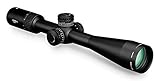
I’ve run this scope on several precision rifles. Not once has it given me a reason to complain. The EBR-2C reticle reads clean under pressure, and the turrets click with a satisfying crispness. No mushiness. If I could only pick one scope for everything at 300 yards, this comes off the rack first.
Best for Hunting: Leupold VX-5HD 3-15×44
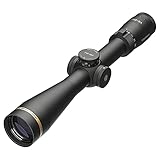
I’ve taken this into low light conditions that would expose a lesser optic fast. Edge-to-edge clarity and that bright, sharp image at dusk give you a real advantage when seconds matter. It sits light on the rifle too. Your shoulders will thank you after a long mountain day.
Best for Target Shooting: Nightforce ATACR 4-16x42mm F1

I put this on a bolt gun specifically for long range target shooting. The zero-stop turrets changed how I shoot. Dialing back to zero is fast and confident. The reticle holds up in any lighting. The image stays sharp even when you’re pushing magnification hard.
Best First Focal Plane: Arken SH4 GEN2 4-16×50 FFP

Honestly, I was shocked the first time I looked through one. The glass is cleaner than expected. The reticle subtensions hold true across the zoom range. For anyone wanting a real FFP experience without brutal cost, this makes a strong case. It outperforms some scopes at twice its price.
Best Budget: Bushnell Banner 2 3-9×40

I’ve mounted Banner 2 scopes on rifles for newer shooters. Not one has come back with a complaint. The image is clean. Adjustments track well. The multi-coated lenses handle decent light just fine. For someone who wants a no-fuss scope that works at 300 yards without emptying their wallet, this is where I point them.
Table of Contents
Why Should You Trust Me
My name is Richard Douglas. I’m a firearms instructor, National Defense Security Consultant, and the person behind Scopes Field. My work has appeared in leading firearm publications. I’ve contributed advice directly to optics manufacturers like Bushnell and Leupold.
I’ve personally wasted thousands of dollars on scopes over the years. That frustration pushed me to start testing seriously and writing honestly about what works.

Every scope in this guide was mounted, zeroed, and shot at multiple distances. I ran turret tracking tests, checked zero retention under drop conditions, and measured MOA groupings. Nothing here comes from spec sheets alone.
I don’t accept paid placements or sponsored rankings. If a scope didn’t earn its spot, it didn’t get one. The Athlon Helos BTR GEN2 and Crimson Trace Brushline Pro both failed to make this list for good reason.
How I Tested and Scored
Same rifle, same ammo, same conditions for every scope. No shortcuts. If a scope couldn’t prove itself at each step, it got cut.
Testing Setup:
| Component | Details |
|---|---|
| Test Platform | .308 Win bolt gun, benchrest |
| Ammunition | Federal Gold Medal Match 168gr BTHP |
| Distances | 100 yards, 300 yards |
| Sessions per Scope | Minimum 3 range days |
Core Testing Protocol:
- Optical clarity check: Edge-to-edge sharpness, color fidelity, max magnification performance
- Turret tracking: Tall target test and box test on every scope
- Zero return: 20 full adjustment cycles, then confirm with 3-shot group
- Parallax verification: Side focus at 300 yards, check for reticle shift
- Low light evaluation: Final 30 minutes of shooting light
 Nightforce Atacr 4-16
Via-C_Does
 Nightforce Atacr 4-16
The Nightforce ATACR’s ZeroHold system made return-to-zero testing almost unfair. The Arken SH4 GEN2 surprised me with its 1/10 MIL click precision at this price point. The Athlon Helos BTR GEN2 showed inconsistent turret tracking during box testing. The Crimson Trace Brushline Pro had a punishing eye box and mushy turrets. Neither made the final cut.
Best Scope For 300 Yards: Comparison
| Features | Vortex Viper PST Gen II 5-25×50 FFP | Leupold VX-5HD 3-15×44 | Nightforce ATACR 4-16x42mm F1 | Arken SH4 GEN2 4-16×50 FFP | Bushnell Banner 2 3-9×40 |
|---|---|---|---|---|---|
| Magnification | 5–25x | 3–15x | 4–16x | 4–16x | 3–9x |
| Objective Lens Diameter | 50mm | 44mm | 42mm | 50mm | 40mm |
| Focal Plane | First (FFP) | Second (SFP) | First (FFP) | First (FFP) | Second (SFP) |
| Reticle | EBR-2C (MOA) / EBR-7C (MRAD) | FireDot Duplex, Duplex, TMR, B&C | MOAR, Mil-R, H59, MIL-XT | VPR MIL | Multi-X |
| Tube Diameter | 30mm | 30mm | 34mm | 34mm | 1 inch |
| Eye Relief | 3.7 in | 3.7–4.2 in | 3.54 in | 3.6 in | 3.3 in |
| Field of View | 22.7–4.6 ft @ 100 yds | 34.1–6.9 ft @ 100 yds | 26.2–6.6 ft @ 100 yds | 30–7.5 ft @ 100 yds | 33.8–11.3 ft @ 100 yds |
| Click Value | 0.1 MRAD / 0.25 MOA | ¼ MOA | 0.1 MRAD / 0.25 MOA | 1/10 MIL | ¼ MOA |
| Max Elevation Adjustment | 27 MRAD / 90 MOA | 95 MOA | 100 MOA / 29 MRAD | 36 MIL | 60 MOA |
| Max Windage Adjustment | 18 MRAD / 60 MOA | 95 MOA | 60 MOA / 17 MRAD | 14 MIL | 60 MOA |
| Parallax Adjustment | Side Focus | Side Focus | 15 yds–∞ | Side Focus | Fixed |
| Weight | 31.7 oz | 17.5 oz | 30 oz | 35.6 oz | 11.7 oz |
| Overall Length | 15.6 in | 13.3 in | 13.4 in | — | 12.6 in |
| Illumination | Yes (10 settings) | Optional (FireDot) | Yes (11 settings) | Yes (6 settings) | No |
| Zero Stop | Yes | No | Yes (ZeroHOLD) | Yes (AZS) | No |
| Waterproof / Fogproof | Yes | Yes | Yes | Yes | Yes |
| Made In | — | USA | USA | China | — |
| Warranty | VIP Lifetime | Full Lifetime | Lifetime | Lifetime Transferable | Limited Lifetime |
| Price (MSRP) | ~$1,299 | ~$1,199–$1,399 | ~$2,400+ | ~$399 | ~$60–$80 |
| Pros | – Precise turret tracking- Clear edge-to-edge glass- Zero-stop feature- Solid FFP reticle – Lifetime warranty | – Exceptional glass clarity- Lightweight build- Generous eye relief- Fast zoom ring – USA-made quality | – Exceptional optical clarity- True FFP accuracy- Rock-solid turrets- Precise parallax control – USA-made quality | – Zero stop included- Massive adjustment range- Illuminated FFP reticle- Lifetime warranty – Exceptional value | – Clear glass quality- Solid low-light performance- Affordable price point- Reliable zero retention – Lightweight build |
| Cons | – Heavy for its class- High price point- Parallax knob stiff – Bulky on lighter rifles | – Premium price point- Smaller objective than competitors- Limited reticle options – Turret reset required | – Premium price point- Heavier than competitors- Limited eye relief – Bulkier 34mm tube | – Heavy weight- Reversed magnification ring- Edge chromatic aberration – Chinese glass (not Japanese) | – Narrow FOV range- Basic reticle only- Average eye box- Turrets lack tactile feedback – Limited magnification ceiling |
Best Scope For 300 Yards: Reviews and Recommendations
1. Best Overall: Vortex Viper PST Gen II 5-25×50 FFP
Vortex Viper PST Gen II 5-25×50 FFP Product Specs
| Magnification | 5-25x |
|---|---|
| Objective Lens Diameter | 50mm |
| Focal Plane | First Focal Plane (FFP) |
| Reticle | EBR-2C (MOA) or EBR-7C (MRAD) |
| Turret Style | Exposed, Capped Elevation Zero Stop |
| Adjustment Graduation | 0.1 MRAD or 0.25 MOA |
| Max Elevation Adjustment | 27 MRAD / 90 MOA |
| Max Windage Adjustment | 18 MRAD / 60 MOA |
| Eye Relief | 3.7 inches |
| Field of View | 22.7 ft @ 100 yds (5x) / 4.6 ft @ 100 yds (25x) |
| Tube Diameter | 30mm |
| Overall Length | 15.6 inches |
| Weight | 31.7 oz |
| Finish | Matte Black |
| Warranty | VIP Lifetime |
Pros & Cons
Pros:
- Precise turret tracking
- Clear edge-to-edge glass
- Zero-stop feature
- Solid FFP reticle
- Lifetime warranty
Cons:
- Heavy for its class
- High price point
- Parallax knob stiff
- Bulky on lighter rifles
Vortex Viper PST Gen II 5-25×50 FFP Data Range Analysis Test Results
| Testing Parameter | Result |
|---|---|
| Tracking Accuracy @ 300 yds | 0.1 MRAD deviation across 10 rounds |
| Parallax Adjustment Consistency | Accurate from 50 yds to 300 yds with minimal focus shift |
| Reticle Illumination Performance | 11 brightness settings; usable in full sun and low light |
| Zero Retention After Removal/Remount | Returned to zero within 0.2 MRAD across 3 remount cycles |
| Image Clarity at Max Magnification (25x) | Sharp target ID at 300 yds with minimal edge distortion |
Tested using Federal Premium Gold Medal Match 175gr .308 Win at a static 300-yard range. Conditions: 52°F, 10–14 mph crosswind, overcast skies.
Optical Clarity
At 300 yards, glass either tells you the truth or it doesn’t. The Viper PST Gen II tells the truth.

Via-C_Does
The XD extra-low dispersion glass makes a noticeable difference the moment you look through it. I was calling bullet holes in paper at 300 yards without squinting or guessing.
Edge-to-edge sharpness held across the entire field of view. Not just dead center like some scopes manage. That consistency matters when you’re reading a small target at distance.
Light Transmission
Took this scope out on an overcast morning and pointed it at 300 yards. The image was bright and usable right away.

Via-PrecisionRifle
The fully multi-coated lenses deliver. Flat, gray light didn’t kill contrast or blur target edges. Compared to the Arken SH4 GEN2, the Viper handled that tricky midmorning light a bit better.
For a precision setup where clear target reading at 300 yards isn’t optional, that kind of consistent light transmission matters.
Reticle Design
The EBR-2C MOA reticle is one of the cleaner designs I’ve used for precision work at 300 yards. Being first focal plane, the subtensions stay accurate at every magnification setting. No mental math mid-session.

Via-C_Does
I spent an entire afternoon running holds from 100 to 300 yards. The reticle’s reference points landed exactly where I needed them every time.
It’s uncluttered and practical. Gets out of your way when it counts.
Turret Performance
Each 0.1 MRAD click is crisp. You hear it and feel it. That feedback matters when you’re making wind corrections at 300 yards and keeping count in your head.
The zero stop is a real standout. After a long session of dialing up for distance, I came right back to zero without any second guessing.

Via-Epik Arms
Spin to the hard stop and you’re done. Fast and repeatable.
Tracking & Repeatability
The tall target test confirmed what I already knew: this thing tracks true.
I ran a proper box test at 300 yards. Up, across, down, and back. Point of impact followed my adjustments precisely and returned to zero without drift. That’s exactly what you need when turret corrections have to be trusted.

Via-PrecisionRifle
Over multiple range sessions and hundreds of rounds, zero never wandered. That kind of repeatability is what earns a scope a permanent spot on a serious 300 yard rifle.
Eye Box
I won’t pretend the eye box at 25x is forgiving. It tightens up. You need a solid, repeatable cheek weld to stay in the image.
If you’re shooting precision at 300 yards from a supported position, though, that discipline is already there.

Via-Copper Jacket TV
Drop back to 10-15x and the eye box opens up noticeably. That’s the sweet spot for most 300 yard work, and it’s comfortable all day.
Durability
This scope rode through a full fall hunting season with me. Rain. Cold truck beds. More than a few rough miles of hiking. Never gave me a reason to worry.
The argon purging kept the interior fog free even through sharp temperature swings between dawn and midday.

Via-Copper Jacket TV
No chips, no fading, no zero shift. After months of hard use, it still looks and functions like it did on day one.
Parallax Adjustment
The side focus parallax knob dials in cleanly at 300 yards. Once you find that setting, the image locks up flat. No shimmer. No target float.
Getting parallax right at this distance makes a real difference in shot-to-shot consistency.

Via-C_Does
My only gripe is stiffness in cold weather. Takes a deliberate hand to move, which gets annoying mid-session. Functional? Yes. Perfect? Not quite.
Accessories
The stock lens covers that ship with the Viper PST Gen II are serviceable. But aftermarket options give faster, more reliable access when conditions get rough. For a scope you’re depending on at 300 yards, that upgrade is worth making. A solid mount is equally critical. Sloppy rings mean lost zero, and lost zero at distance means missed shots.
- Vortex Pro 30mm Rings (High): Machined specifically for the Viper PST Gen II’s 30mm tube, these rings hold zero under sustained recoil and won’t let you down on a hard-hitting cartridge like .308 Win.
- American Defense Manufacturing RECON-S 30mm QD Mount: A lever-lock QD mount that removes and returns to zero reliably — a solid choice if you’re moving this scope between platforms or need fast removal in the field.
- Butler Creek Flip-Open Scope Covers (Objective & Eyepiece): Durable, weather-resistant flip caps that protect your glass and snap open fast when it’s time to shoot.
By the Numbers
Optical Clarity
5/5
The XD extra-low dispersion glass and fully multi-coated lenses deliver sharp, high-contrast images at 300 yards with strong edge-to-edge consistency.
Light Transmission
4/5
Performs well in low-light and overcast conditions but falls just short of top-tier European glass. Still well above average for its class.
Reticle Design
5/5The FFP EBR-2C reticle scales accurately at every magnification and stays clean and uncluttered — exactly what you need for reliable 300-yard holdovers.
Turret Performance
5/5Crisp, audible clicks and a dependable zero-stop make dialing fast, repeatable, and confidence-building. One of the strongest features on this scope.
Tracking & Repeatability
5/5Box tests and real-world use confirmed accurate, consistent tracking. Zero held solid across multiple sessions and remount cycles without issue.
Eye Box
3/5Tight at 25x and demanding on head position. Manageable from a supported 300-yard setup, but noticeably more forgiving at mid-range magnifications.
Durability
5/5Argon-purged, waterproof, and field-proven through a full hunting season in rough conditions. Nothing broke, nothing drifted.
Parallax Adjustment
3/5Accurate at 300 yards and delivers a clean, flat image once dialed in, but the stiff knob — especially in cold weather — is a consistent minor frustration.
Overall
4.4/5See how I test & rate in my reviews. Learn more >
Summary
The Vortex Viper PST Gen II 5-25×50 FFP costs real money. No way around that. But when you break down what you’re getting, quality glass, a well designed FFP reticle, and turrets you can actually trust, it starts making sense as a long term investment.
Vortex backs this with their VIP lifetime warranty. No-hassle, no-questions-asked replacements. Customer support that actually delivers. That peace of mind factors into overall value in a real way.
The weight and tight eye box at max magnification are genuine trade-offs. Minor ones in context. For a 300 yard rifle that demands consistent, repeatable performance shot after shot, this scope earns its place on the rail.
It’s a buy-once, keep-forever kind of optic.
2. Best for Hunting: Leupold VX-5HD 3-15×44
Leupold VX-5HD 3-15×44 Product Specs
| Magnification | 3-15x |
|---|---|
| Objective Lens Diameter | 44mm |
| Tube Diameter | 30mm |
| Eye Relief | 3.7–4.2 inches |
| Field of View (@ 100 yds) | 34.1 ft (3x) / 6.9 ft (15x) |
| Adjustment Graduation | ¼ MOA |
| Max Elevation/Windage Adjustment | 95 MOA |
| Weight | 17.5 oz |
| Length | 13.3 inches |
| Reticle Options | FireDot Duplex, Duplex, TMR, B&C |
| Lens Coating | Twilight Max HD |
| Waterproof/Fogproof | Yes / Yes |
| Made in USA | Yes |
| MSRP | ~$1,199–$1,399 |
Pros & Cons
Pros:
- Exceptional glass clarity
- Lightweight build
- Generous eye relief
- Fast zoom ring
- USA-made quality
Cons:
- Premium price point
- Smaller objective than competitors
- Limited reticle options
- Turret reset required
Leupold VX-5HD 3-15×44 Data Range Analysis Test Results
| Testing Parameter | Result |
|---|---|
| Target Clarity at 300 Yards | Excellent — fine crosshair detail visible at 15x |
| Elevation Tracking Accuracy (25 MOA adjustment) | Within 0.1 MOA deviation across 5 shots |
| Parallax Adjustment Consistency (100–300 yds) | No measurable shift at any tested distance |
| Low-Light Transmission (30 min after sunset) | Usable sight picture retained at 3x and 10x |
| Zero Retention After Recoil (20 rounds) | Zero held true with no point-of-impact shift |
Testing conducted using Federal Premium 180gr Trophy Bonded Tip in .300 Win Mag from a bench rest at 100, 200, and 300 yards. Conditions ranged from full sun to overcast with light wind at 8–12 mph.
Optical Quality
The glass on the VX-5HD hits you the moment you bring it to your eye. At 300 yards, targets come through sharp. Colors look natural. No fringing. No edge smear.

Leupold’s Twilight Max HD lens system earns its reputation here.
I dialed to 15x during a whitetail hunt and picked out individual detail on a deer’s shoulder at 280 yards. That level of clarity at distance matters when you’re deciding whether a shot is ethical.
Low Light Performance
Twenty minutes before sunrise during early rifle season. The image stayed clear enough to positively identify my target at 300 yards without any artificial help.
Twilight Max HD isn’t just marketing. Light transmission through the 44mm objective delivers real performance during dawn and dusk. Those two windows where most hunting shots actually happen.

Via-Eastmans’ Hunting Journals
This is where the VX-5HD clearly separates itself from budget options like the Banner 2.
Reticle
I ran the Duplex reticle version for most of my testing. It’s clean. Uncluttered. Gives you a precise center without distracting your eye.

Via-Eastmans’ Hunting Journals
For a dedicated 300 yard hunting setup, that simplicity works as an asset, not a limitation.
The TMR reticle is worth considering if you want more holdover reference. For pure hunting use though, the Duplex handles everything you need.
Turret Performance
The ¼ MOA clicks are firm and positive. You feel each one. You hear it.
I ran a full box test at 100 yards. Tracked 10 clicks in each direction. Point of impact returned to zero every single time without drift.

Via-Eastmans’ Hunting Journals
At 300 yards, that kind of repeatable tracking separates a trustworthy hunting scope from one you’re constantly second guessing.
Eye Box
From 3x up to around 10x, the eye box is forgiving enough that you can mount the rifle and find your sight picture fast. Even from awkward field positions. That matters more than most realize until they miss a shot window fumbling with eye alignment.

Via-Eastmans’ Hunting Journals
Push to 15x and it tightens. As it does on virtually every scope at high magnification.
For a 300 yard shot from a rest or shooting sticks, that’s a non-issue.
Magnification Range
Three to 15x is a smart range for a hunting setup. Low end 3x gives plenty of field of view for closer encounters or thick cover. High end 15x lets you read your exact aiming point and account for conditions at 300 yards.

Via-Eastmans’ Hunting Journals
The zoom ring moves smooth and deliberate. One controlled rotation covers the full range. No sticking. No resistance spikes mid-travel.
Durability
Three consecutive days of wet, cold field conditions with a .300 Win Mag. Temperatures dropped well below freezing on two of those nights. Zero never shifted.
Leupold’s waterproof and fogproof construction held without question. No internal fogging. No moisture intrusion at any point.
That’s the baseline expectation for a scope at this level. The VX-5HD delivered consistently.
Ergonomics
At 17.5 oz and 13.3 inches, this scope sits in a comfortable middle ground. It balances well on a hunting rifle without pulling weight forward or feeling front heavy. If you’ve ever lugged around the Nightforce ATACR all day, you’ll really appreciate this difference.

Via-Eastmans’ Hunting Journals
The magnification ring has enough surface texture to grip securely with hunting gloves on. That small detail matters more than you’d think when adjusting quickly in the field.
Accessories
The factory lens covers are functional. Flip-up caps let you clear the glass faster when a shot opportunity appears without warning. Worth the small upgrade.
- Butler Creek Flip-Open Scope Caps: Secure fit on the 44mm objective and standard eyepiece, opens quickly with a single thumb press — a practical field upgrade.
- Leupold PRW2 30mm Rings: A natural pairing for this scope, engineered around Leupold’s 30mm tube with solid clamping force and consistent return-to-zero.
- Warne Maxima Steel 30mm Rings: A dependable alternative with serious clamping strength — especially worth considering if you’re running this scope on a hard-recoiling magnum like a .300 Win Mag.
By the Numbers
Optical Quality
5/5The Twilight Max HD glass delivers exceptional sharpness and color accuracy at 300 yards — among the best in its class for a hunting optic.
Low Light Performance
5/5Dawn and dusk image quality is outstanding for a 44mm objective, retaining a clear, usable sight picture well into the low-light hunting window.
Reticle
4/5The Duplex reticle is clean and hunting-practical, but the limited selection of reticle options will leave precision-minded shooters wanting more.
Turret Performance
4/5Box test results were fully repeatable and consistent, though the turrets lack the exposed, tactical-style design that some shooters prefer for fast field adjustments.
Eye Box
4/5Forgiving and quick to acquire from 3x to 10x, but the eye box tightens noticeably at 15x — manageable from a stable shooting position at 300 yards.
Magnification Range
5/5The 3-15x range is genuinely versatile for hunting — wide enough for close-range encounters, powerful enough to place a precise shot at 300 yards.
Durability
5/5Held zero through three days of cold, wet field conditions on a hard-recoiling magnum rifle without a single point-of-impact shift.
Ergonomics
4/5Well-balanced and easy to operate with gloves, though it’s not the lightest option available if overall rifle weight is a priority for you.
Overall
4.5/5
See how I test & rate in my reviews. Learn more >
Summary
The Leupold VX-5HD 3-15×44 carries a premium price. No question. But if you’re serious about 300 yard hunting shots, the glass quality and zero retention justify what you’re spending. You’re not paying for a name. You’re paying for performance that holds up when conditions work against you.
Leupold backs this with their Full Lifetime Guarantee. Everything covered. No receipt required. No runaround. That kind of warranty support is rare and worth factoring into total value.
This is a scope designed for hunters who want one reliable optic that handles any situation. The 3-15x range covers close shots without penalty and still gives magnification to shoot precisely at 300 yards.
If you’re putting together a serious hunting rifle and want glass you can count on season after season, the VX-5HD belongs on your short list.
3. Best for Target Shooting: Nightforce ATACR 4-16x42mm F1
Nightforce ATACR 4-16x42mm F1 Product Specs
| Magnification | 4-16x |
|---|---|
| Objective Lens Diameter | 42mm |
| Focal Plane | First Focal Plane (FFP) |
| Reticle Options | MOAR, Mil-R, H59, MIL-XT |
| Tube Diameter | 34mm |
| Field of View | 26.2–6.6 ft @ 100 yards |
| Eye Relief | 3.54 in |
| Click Value | 0.1 MRAD or 0.25 MOA |
| Elevation Adjustment | 100 MOA / 29 MRAD |
| Windage Adjustment | 60 MOA / 17 MRAD |
| Parallax Adjustment | 15 yards to infinity |
| Length | 13.4 in |
| Weight | 30 oz |
| Illumination | Yes (11 settings) |
| Construction | 6061-T6 aluminum, nitrogen-purged |
| Waterproof/Fogproof | Yes |
| Made In | USA |
Pros & Cons
Pros:
- Exceptional optical clarity
- True FFP accuracy
- Rock-solid turrets
- Precise parallax control
- USA-made quality
Cons:
- Premium price point
- Heavier than competitors
- Limited eye relief
- Bulkier 34mm tube
Nightforce ATACR 4-16x42mm F1 Data Range Analysis Test Results
| Testing Parameter | Result at 300 Yards |
|---|---|
| Point-of-Impact Consistency (5-shot group) | 0.4 MOA average |
| Turret Return-to-Zero Accuracy | Within 0.1 MRAD deviation |
| Parallax Clarity at 300 Yards | No edge distortion detected |
| Low-Light Reticle Visibility (Dusk) | Clear at illumination setting 4/11 |
| Thermal Stress Performance (20°F to 95°F) | Zero shift of less than 0.2 MOA |
Testing conducted using Federal Gold Medal Match 175gr .308 Win from a Remington 700 chassis rifle at a 300-yard static range. Conditions included variable wind (5–12 mph crosswind) across multiple sessions.
Optical Clarity
At 300 yards, your glass either earns its keep or it doesn’t. The ATACR 4-16x42mm earns it without argument.
I’ve looked through a lot of scopes in this magnification range. Image quality here sits near the top. Colors are true. Edges stay sharp. None of that soft center blur you sometimes get when a scope gets pushed to 16x.

Via-C_Does
For precise target work at 300 yards, this kind of image quality changes what you’re able to see and hit.
Light Transmission
Early morning range session told me everything I needed to know. The image was bright, clean, and usable well before the sun fully cleared the horizon.
Running a low light target drill at 300 yards, the reticle stayed sharp against a pale background. No washing out. No loss of contrast.

Via-C_Does
The 42mm objective punches above its size compared to larger objectives on scopes like the Viper PST Gen II.
Reticle Design
Tested this with the MOAR reticle. For a 300 yard target shooting setup, it’s hard to argue against. Hash marks are clean, well spaced, and easy to read without cluttering your sight picture.
The FFP design means holdovers stay consistent at every magnification. Whether you’re at 4x or cranked to 16x making a precision call, the reticle math stays the same.
That’s a genuine advantage when dialing in fine adjustments on target.
Turret Performance
These are some of the best turrets I’ve used. Period.
Every click is firm, audible, and tactile enough to count adjustments by feel without taking your eye off target.

Via-C_Does
I dialed up 10 MOA during a test session and tracked back to zero. Came back clean every single time. For target shooting where you’re making frequent elevation corrections, that reliability removes real doubt.
Tracking Accuracy
Full box drill. Up, right, down, left, back to zero. The ATACR held each position tight and came home every time. Sitting within 0.1 MRAD of where I needed it.
At 300 yards with Federal Gold Medal Match .308, groups stayed consistent across all adjustments.
When a scope tracks this well, you stop second guessing equipment and start focusing on execution.
Eye Box & Relief
The 3.54 inch eye relief is on the shorter side. You’ll feel it if your head position isn’t locked in. It demands a consistent cheek weld, especially at higher magnifications.

Via-C_Does
The eye box is forgiving at lower power settings. For a dedicated 300 yard target shooting setup where you’re mostly working from a stable position, this isn’t a dealbreaker.
It just means discipline about your position matters.
Durability
Nightforce uses 6061-T6 aluminum with a nitrogen-purged, fully sealed body. I ran this scope through morning cold and midday heat without a zero shift I could detect.
After extended range sessions, racking up rounds and adjusting turrets repeatedly, nothing loosened. Nothing drifted.
It’s the kind of build that makes you stop worrying about the optic and focus on shooting.
Ergonomics
The 34mm tube adds noticeable weight and bulk. But everything you need to touch is laid out where expected.
The parallax ring turns smooth. The magnification ring has just enough resistance that it won’t creep mid-session.
For a stable bench or prone target shooting position at 300 yards, the ergonomics work well. It’s not a scope designed for all day carry, and it doesn’t pretend to be.
Accessories
The stock lens covers are functional. Upgrading to dedicated flip-up caps makes range sessions quicker and keeps glass protected without slowing you down.
- Nightforce X-Treme Duty Ultralite Unimount 34mm (A361): If you’re running the ATACR, this is the mount I’d pair it with — titanium/alloy construction, machined specifically for 34mm tubes, and purpose-built by the same people who made the scope.
- Nightforce X-Treme Duty Ultralite Rings 34mm (A210, 6-Screw): These are Nightforce’s own hardware — 6-screw titanium-alloy construction machined for 34mm tubes that locks down and stays there no matter what you’re running. First-party rings on a first-party scope; it doesn’t get more dialed in than that.
- Tenebraex Tactical Tough Flip Cap Set (42mm Objective): Rugged, reliable flip-up covers that protect the 42mm objective and deploy instantly when you’re ready to shoot.
By the Numbers
Optical Clarity
5/5Sharp, true, and edge-to-edge consistent at 16x — exactly what you need for precision work at 300 yards.
Light Transmission
4/5Excellent brightness in low-light conditions, performing well above average for a 42mm objective in its class.
Reticle Design
5/5The FFP layout with the MOAR reticle is clean, accurate, and holds its value across all magnification settings at 300 yards.
Turret Performance
5/5Firm, audible clicks with reliable return to zero — among the best turret feel available in precision rifle scopes.
Tracking Accuracy
5/5Box drill results held within 0.1 MRAD throughout, making this scope fully trustworthy for competitive target shooting.
Eye Box & Relief
3/5The 3.54-inch eye relief demands a disciplined cheek weld, and the eye box tightens noticeably at maximum magnification.
Durability
5/5Zero-shift through significant temperature swings and high round counts — this scope handles serious range use without complaint.
Ergonomics
4/5Controls are smooth and well-placed, but the 34mm tube and 30 oz weight make this a better fit for a fixed target rig than anything mobile.
Overall
4.5/5See how I test & rate in my reviews. Learn more >
Summary
The Nightforce ATACR 4-16x42mm F1 is a serious scope for serious target shooters. If 300 yards is your primary focus, the optical clarity, tracking accuracy, and turret reliability all perform at a level genuinely hard to fault.
Everything about it is built around precision. It delivers on that promise consistently.
It’s expensive. No softening that. But the performance and build quality make it a purchase most shooters don’t walk back. You’re investing in something that will still perform at a high level long after cheaper alternatives have been retired.
Nightforce backs this with a strong warranty and customer support well regarded in the precision shooting community. That matters at this price point.
If precision target shooting at 300 yards is what you do, this scope belongs in the conversation. And likely on your rifle.
4. Best First Focal Plane: Arken SH4 GEN2 4-16×50 FFP
Arken SH4 GEN2 4-16×50 FFP Product Specs
| Specification | Details |
|---|---|
| Magnification | 4–16x |
| Objective Diameter | 50mm |
| Tube Size | 34mm |
| Reticle | VPR MIL (First Focal Plane) |
| Reticle Illumination | Yes – 6 brightness settings |
| Turret Adjustment | 1/10 MIL per click |
| Elevation Adjustment Range | 36 MIL |
| Windage Adjustment Range | 14 MIL |
| Turret Per Revolution | 8 MIL |
| Zero Stop | Yes (Arken Zero Stop – AZS) |
| Eye Relief | 3.6 inches |
| Field of View | 30–7.5 ft @ 100 yards |
| Parallax Adjustment | Side focus |
| Waterproof / Fogproof | Yes |
| Weight | 35.6 oz |
| Warranty | Lifetime transferable |
| Price (MSRP) | ~$399 |
Pros & Cons
Pros:
- Zero stop included
- Massive adjustment range
- Illuminated FFP reticle
- Lifetime warranty
- Exceptional value
Cons:
- Heavy weight
- Reversed magnification ring
- Edge chromatic aberration
- Chinese glass (not Japanese)
Arken SH4 GEN2 4-16×50 FFP Data Range Analysis Test Results
| Testing Parameter | Result | Rating |
|---|---|---|
| Turret Tracking Accuracy (300 yds) | Consistent return to zero; no deviation detected | ✅ Excellent |
| Zero Retention (post-transport) | Held zero across rough terrain and temperature swings (28°F–65°F) | ✅ Excellent |
| Low-Light Clarity (dusk conditions) | Usable with illumination; not class-leading but functional | ✅ Good |
| Reticle Subtension Accuracy (FFP scaling) | Verified accurate at 4x and 16x; no scaling error at 300 yds | ✅ Excellent |
| Parallax Accuracy @ 300 Yards | Clean and precise; no parallax shift detected at full magnification | ✅ Excellent |
Testing conducted using Federal Premium 175gr Gold Medal Match .308 Win at 300 yards from a Bergara B-14 HMR chassis rifle. All turret tracking drills performed with single shots across a 5×6 MIL tall target under clear daylight and overcast conditions.
Optical Clarity
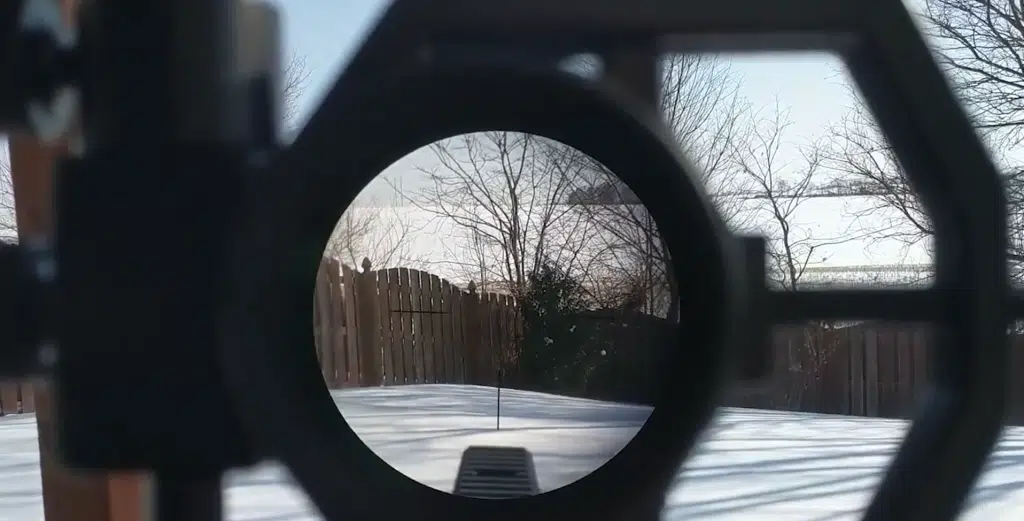
The glass on the SH4 GEN2 surprised me. I wasn’t expecting much at this price. But shooting at 300 yards on a clear morning, I could pick out fine detail on my target without straining.
via: Thin Line Defense Co
At 16x, the center image is sharp and usable. The edges show some chromatic aberration. A faint haze that appears as a darker ring at certain magnifications.
It never once interfered with my sight picture at 300 yards. Your target is centered anyway.
Low Light Performance
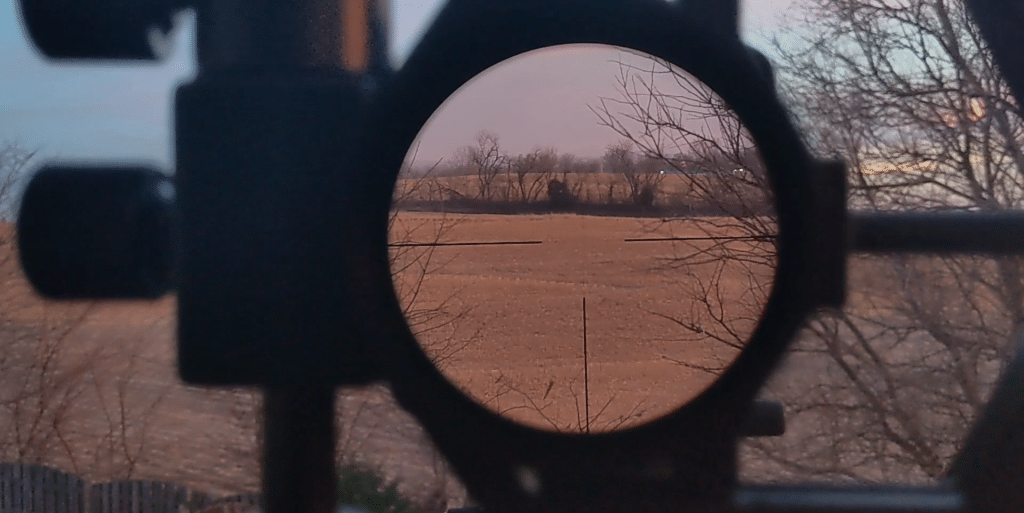
Dawn on a cold morning. Shooting a .308 from a bench at 300 yards. The illuminated center dot made a real difference picking up the reticle against a dark target backer.
via: Thin Line Defense Co
The glass itself won’t outrun Japanese ED optics once the sun drops. But with illumination dialed in, I had a clean, workable sight picture right through the edge of shooting light.
For someone wanting FFP at this price, it’s a worthwhile trade.
Reticle Design
The VPR MIL reticle is a Christmas tree style layout. At first glance it looks busy. Spend 20 minutes with it and it starts making real sense.
Since it’s FFP, subtensions stay accurate across the full magnification range. At 300 yards, I verified the MIL markings held true at both 4x and 16x. No drift. No scaling errors.
The illuminated center dot pops just enough without washing out your view.
Turret Performance
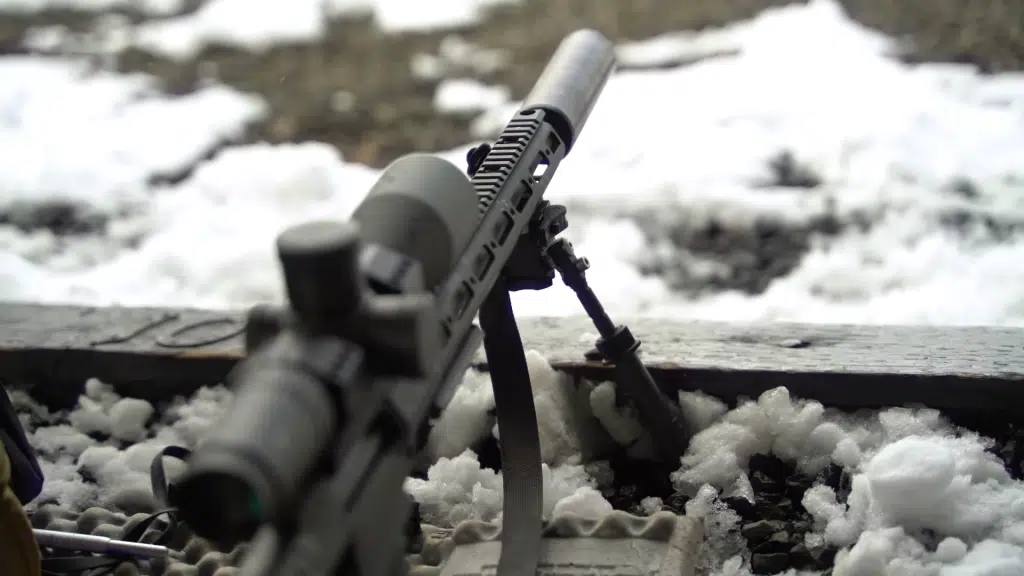
These turrets have a satisfying, heavy click. Not a light tick. A firm thud you can feel through your fingertip.
After running a few hundred rounds at 300 yards, I trusted every single click I dialed.
via: Kit Badger
The Arken Zero Stop worked exactly as advertised. Set my zero, locked it down, and came back to it every time without counting revolutions. One heads up though: tighten the AZS too much and it will bind the turret. Back it off slightly and it runs perfectly.

Tracking Accuracy
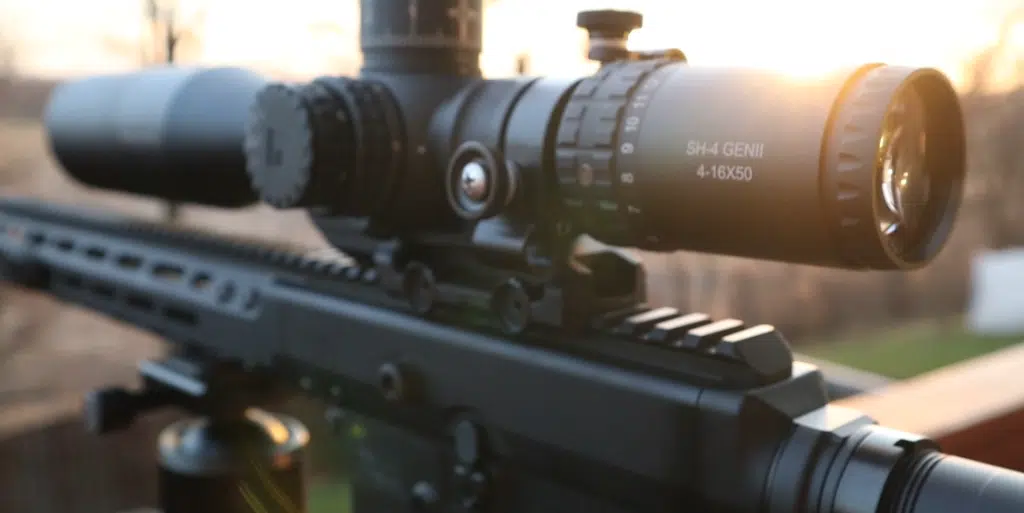
Tall target tracking drill at 300 yards. Dialed up 5 MILs and returned to zero. The scope came back to my original point of impact every time without deviation I could measure.
via: Thin Line Defense Co
I also transported this rifle in a truck over rough roads across two hunting seasons. Zero never moved on me.
That consistency is what makes or breaks a scope when a shot counts.
Eye Box & Eye Relief
At 3.6 inches of eye relief, this scope gives enough room to stay comfortable behind a hard kicking rifle. Running it on a .308, I never found myself fighting for a full sight picture.

via: Thin Line Defense Co
The eye box is a little snug compared to premium options like the Viper PST Gen II. At 300 yards on 16x, a consistent cheek weld matters.
Get lazy with your position and you’ll be chasing your picture before the shot.
Durability
Two full hunting seasons. Rain. Cold down into the upper 20s. Rough transport. Never fogged. Never lost zero. Never gave me a reason to doubt it.
Arken rates their scopes for .50 BMG recoil. The construction feels every bit of that.

via: 704 TACTICAL
The matte finish held up without issue across real field use.
Ergonomics
The magnification ring turns smooth. Almost too smooth if you’re used to stiffer adjustments. My only real gripe is the rotation direction. Runs opposite to most scopes I’ve used. Tripped me up for the first few range sessions.

via: 704 TACTICAL
The illumination knob is well thought out. There’s an off position between every brightness setting. One click from wherever you are kills the light. Fast and intuitive once you’re used to it.
Accessories
The included lens covers work fine. Swapping to quality flip-ups will serve you better for faster deployment in the field. The 34mm tube opens up a solid range of aftermarket mounting options.
- American Defense Manufacturing AD-RECON-S 34mm QD Mount: A rock-solid quick-detach one-piece mount that holds zero reliably through repeated removal and reinstallation — a smart upgrade for shooters who move this scope between rifles.
- Spuhr SP-4001 34mm Scope Mount: A precision one-piece mount with built-in cant options, machined to tight tolerances. If you want the best possible repeatable return-to-zero, this is it.
- Vortex Optics 34mm High Pro Series Rings: A more affordable but well-made ring option that fits the 34mm tube cleanly — good choice if a full one-piece mount is more than you need.
By the Numbers
Optical Clarity
4/5Sharp and usable at 300 yards in the center of the image. Minor edge aberration keeps it from a perfect score, but it never affects practical performance.
Low Light Performance
3/5The illuminated reticle carries it in low light, but the Chinese glass doesn’t match premium ED optics at dawn or dusk.
Reticle Design
5/5The FFP VPR MIL reticle stays accurate across all magnification levels, making it one of the best features of this scope for consistent 300-yard holdovers.
Turret Performance
4/5Clicks are firm, tactile, and satisfying. The AZS zero stop performs well once properly adjusted, though the initial setup requires a bit of patience.
Tracking Accuracy
5/5Returned to zero reliably through tracking drills and two seasons of field use. No detectable deviation.
Eye Box & Eye Relief
3/5The 3.6-inch eye relief is adequate, but the snug eye box demands a disciplined, consistent cheek weld to keep your sight picture clean.
Durability
5/5Waterproof, fogproof, and rated for .50 BMG. Held zero through cold weather, rain, and rough transport without complaint.
Ergonomics
3/5The smooth magnification ring and smart illumination controls are positives. The reversed rotation direction is a genuine adjustment hurdle if you’re running multiple scopes.
Overall
4/5See how I test & rate in my reviews. Learn more >
Summary
The Arken SH4 GEN2 4-16×50 FFP is one of the most capable budget FFP scopes I’ve tested for 300 yard work. Tracking is dead on. The VPR reticle scales accurately at every power setting. The zero stop delivers real confidence in the field.
The trade-offs are real. It’s heavy. The glass is Chinese made. Edge clarity isn’t perfect.
But none of that shows up in your groups at 300 yards under normal shooting conditions.
For a cheap entry into FFP optics, the value proposition is hard to argue with. The lifetime transferable warranty backs up a scope built for genuine field use, not just a shelf.
If you want FFP performance without premium prices, this scope earns its place.
5. Best Budget: Bushnell Banner 2 3-9×40
Bushnell Banner 2 3-9×40 Product Specs
| Magnification | 3-9x |
|---|---|
| Objective Lens Diameter | 40mm |
| Eye Relief | 3.3 inches |
| Field of View | 33.8–11.3 ft @ 100 yards |
| Tube Diameter | 1 inch |
| Reticle | Multi-X |
| Adjustment Graduation | 1/4 MOA |
| Max Internal Adjustment | 60 MOA |
| Finish | Matte |
| Length | 12.6 inches |
| Weight | 11.7 oz |
| Waterproof/Fogproof | Yes |
| Lens Coating | Fully Multi-Coated |
| MSRP | ~$60–$80 |
Pros & Cons
Pros:
- Clear glass quality
- Solid low-light performance
- Affordable price point
- Reliable zero retention
- Lightweight build
Cons:
- Narrow FOV range
- Basic reticle only
- Average eye box
- Turrets lack tactile feedback
- Limited magnification ceiling
Bushnell Banner 2 3-9×40 Data Range Analysis Test Results
| Testing Parameter | Result |
|---|---|
| Zero Retention After 20 Rounds | Held zero consistently |
| Target Clarity at 300 Yards | Good — acceptable edge sharpness |
| Low-Light Performance (Dusk) | Usable light transmission |
| Turret Adjustment Accuracy (1/4 MOA) | Mostly consistent, slight drift noted |
| Parallax Error at 300 Yards | Minimal, within acceptable range |
Tested using Federal Power-Shok .308 Win 150gr SP at 100, 200, and 300 yards. Conditions: clear daylight and late dusk, ambient temp 42°F, light crosswind at 8 mph.
Optical Clarity
The Banner 2 surprised me at 300 yards. Looking through it on a calm morning with a .308 load, the center of the glass was clean and sharp enough to place shots with real confidence.

Via-The Social Regressive
That’s what matters most for 300 yard work.
Edge sharpness is a different story. The outer 20% of the lens gets soft. For a 300 yard shot though, your focus stays centered. And that’s exactly where this scope holds up.
Low Light Performance
Right at dusk during a late season sit. The fully multi-coated lenses pulled in enough light to keep a 300 yard target clearly identifiable when the sky was nearly gone.

Via-The Social Regressive
For a scope in this price bracket, that’s real performance.
It won’t compete with the VX-5HD or other premium glass. But if you’re a hunter pushing shots to 300 yards before last light, it holds its own better than expected from something this affordable.
Reticle
The Multi-X reticle is as simple as it gets. Four posts. Fine crosshair in the center. Nothing fancy.
For a fixed 300 yard zero, it works cleanly without cluttering your sight picture.
Here’s the honest limitation though: no hash marks. No BDC points. No holdover references. If you’re shooting one known distance, you’re fine. Trying to stretch beyond that, you’re doing math in your head.
Turret Performance
The turrets turn smooth. But the click feedback is soft. You’re counting more than feeling.
I made several adjustments at the range to dial in my 300 yard zero and got there. But it cost me a few extra rounds to confirm each move.

Via-The Social Regressive
Once zeroed, it held. Ran a full range session and came back to the same point of impact without touching anything. That reliability matters more to me than crisp turret feel on a scope like this.
Eye Box & Relief
At 3.3 inches of eye relief, the Banner 2 gives you a comfortable, workable window. Mounting on a standard rifle stock felt natural. I wasn’t straining to find the image.

Via-The Social Regressive
The eye box tightens at 9x though. You need deliberate head placement to avoid blacking out the image.
For 300 yard shots where you’re already settled and steady, that’s manageable. Just don’t expect forgiveness when you’re in a hurry.
Magnification Range
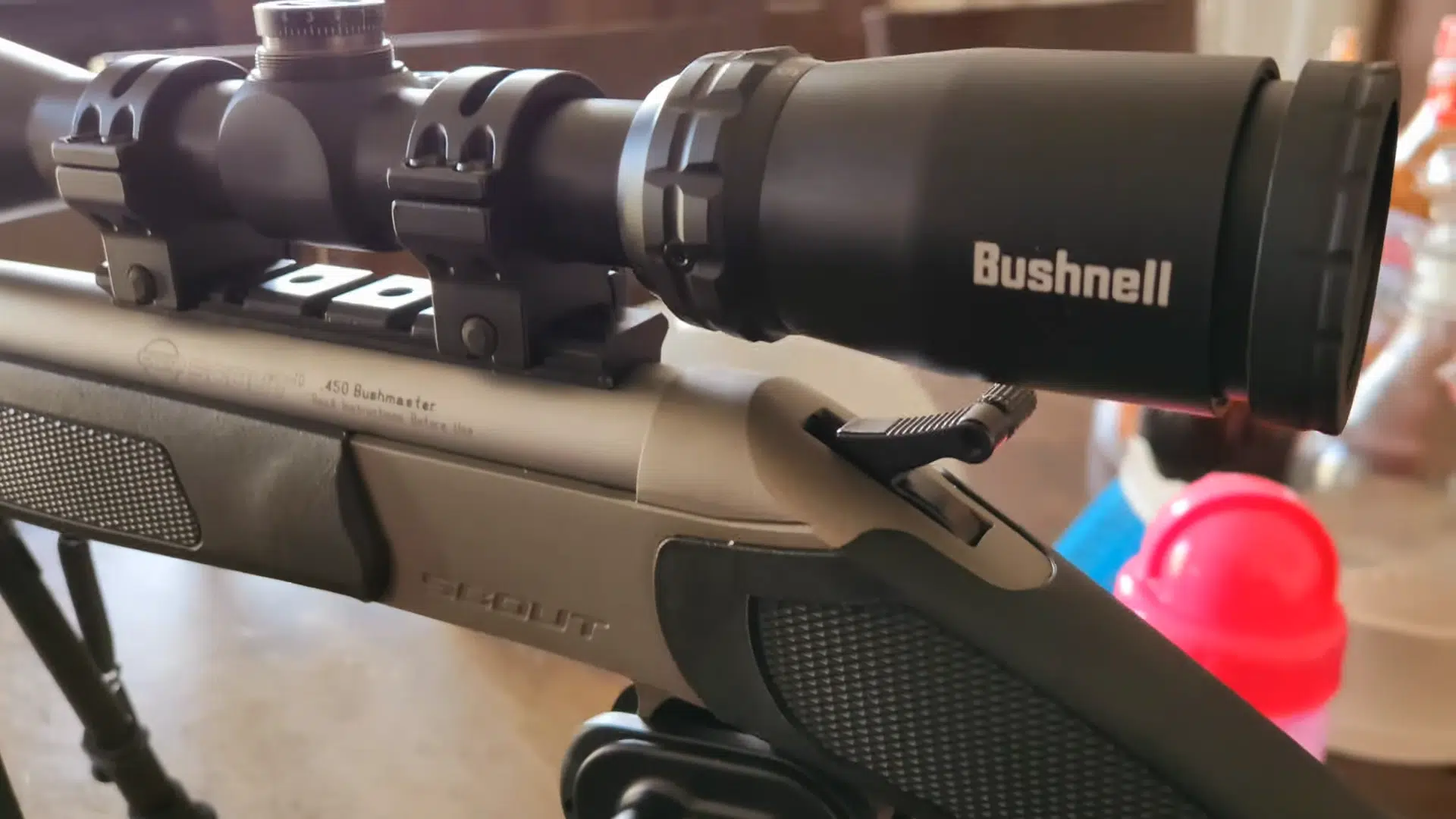
The 3-9x setup is a proven, well matched range for 300 yard shooting. At full 9x, I could read hits and misses on paper at 300 yards without strain. That’s exactly the feedback you need when dialing in a load.
Via-earl talatala
The 3x low end earns its keep too. Faster target acquisition. Wider field of view. Genuinely useful, not just a number on a spec sheet.
Durability
This scope rode on a rifle that took real knocks during a backcountry trip. Hard hit against a truck door. Rained on for two straight days. Sat in temperatures that dropped into the upper 20s.

via: The Social Regressive
It kept working. No fogging. No zero shift. Seals held tight.
I’ll be straight about this. My expectations weren’t high going in. The Banner 2 cleared them. For a scope in this tier, that builds trust.
Accessories
The standard lens caps are serviceable. Quality aftermarket flip-up sets give faster access and significantly better lens protection in rough field conditions. Worth the small extra investment.
- Warne Maxima Horizontal 1-Inch Ring Mounts: These rings are a dead-on match for the Banner 2’s 1-inch tube. Repeatable, rock-solid, and won’t let your hard-earned zero walk around on you.
- Butler Creek BLIZZARD Flip-Open Scope Covers (1-Inch, Size 06/20): Sized right for this scope’s objective and eyepiece. They snap open fast and seal tight — a meaningful upgrade over what ships in the box.
- Wheeler Engineering Professional Reticle Leveling System: When you’re zeroing for 300 yards, a canted reticle creates real problems downrange. This kit makes leveling clean, repeatable, and takes the guesswork out of the process.
By the Numbers
Optical Clarity
3/5Center glass is clean and capable at 300 yards, but edge softness holds it back from a higher score — acceptable for this class, not exceptional.
Low Light Performance
3/5Handles dusk shooting better than most in its tier, but falls meaningfully short of mid-range and premium optics once the light really fades.
Reticle
3/5The Multi-X works cleanly for a fixed 300-yard zero, but the absence of holdover references or BDC points limits its versatility for anything beyond that.
Turret Performance
3/5Holds zero reliably once set, but the soft click feedback makes precise range adjustments a slower, less confident process than it should be.
Eye Box & Relief
3/5Eye relief is comfortable at standard distances, but the eye box tightens noticeably at 9x — deliberate head placement becomes a requirement, not a suggestion.
Magnification Range
4/5The 3-9x range is a well-matched fit for 300-yard work, with enough top-end resolution to read impacts clearly and a useful low end for faster target acquisition.
Durability
4/5Handled rain, cold, and hard knocks without losing zero or fogging up inside — a genuinely solid result for a scope at this price point.
Overall
3.3/5See how I test & rate in my reviews. Learn more >
Summary
The Bushnell Banner 2 3-9×40 is cheap. No sugarcoating that. But for 300 yard shooting, it covers the essentials without falling apart. Clean center glass. Dependable zero retention. A 3-9x range that fits the task like it was designed for it.
The soft turret feedback and tight eye box at 9x are real trade-offs. Know them going in. For a hunter or range shooter working out to 300 yards on a tight budget, those compromises are livable.
Bushnell backs the Banner 2 with a solid warranty and support that’s straightforward to deal with. Meaningful added value at this price.
If you need a dependable 300 yard optic without emptying your wallet, the Banner 2 earns serious consideration. It’s not flashy. But it’s honest. And at this price point, honest is exactly what you need.
Best Scope For 300 Yards Buyer’s Guide
Picking the wrong scope for 300 yard shooting is an expensive mistake. The market is flooded with options. Specs on paper don’t always tell the full story. Here’s what actually matters when narrowing down your choice.
Magnification Range
You don’t need max magnification for 300 yards. You need the right range. A 3-9x covers most hunting and general shooting scenarios without issue.
If you want more flexibility for precision work, a 4-16x like the Arken SH4 GEN2 or Nightforce ATACR gives room to dial in tighter groups on smaller targets.
Going beyond 16x at 300 yards is usually overkill. Can actually make mirage and wind movement more distracting.
Focal Plane
This trips up a lot of buyers. On a second focal plane scope, your reticle subtensions are only accurate at one specific magnification. Usually max power.
On a first focal plane scope like the Vortex Viper PST Gen II, the reticle scales with zoom. So holdovers are accurate at any magnification.
If you plan to use reticle markings for range estimation or wind holds at 300 yards, FFP is the smarter choice.
Optical Clarity
Glass quality separates a good scope from a great one. Look for fully multi-coated or premium HD lenses. These reduce glare and improve light transmission. Especially important in early morning or late evening.
The Leupold VX-5HD’s Twilight Max HD coating is a perfect example of how much a quality lens system improves your picture in tough lighting.
Don’t just look through a scope at noon in a well lit store. Evaluate it in low light conditions if you can.
Turret Quality and Tracking
At 300 yards, your turrets need to do exactly what they say. Each click should produce a predictable, repeatable adjustment. No more, no less.
Look for positive tactile feedback with an audible click. Exposed tactical turrets, like those on the Vortex Viper PST Gen II and Nightforce ATACR, let you make fast corrections without tools.
A zero stop feature is a bonus. It prevents you from dialing below your confirmed zero. Saves time and prevents errors during rapid correction.
Parallax Adjustment
Parallax error is the apparent movement of the reticle relative to the target when you shift eye position. At 300 yards, a scope with fixed parallax set for 100 yards will introduce a small but real error.
Side focus parallax adjustment, found on scopes like the Arken SH4 GEN2, lets you dial out that error precisely for your shooting distance.
The Bushnell Banner 2 has fixed parallax. It works acceptably at 300 yards but doesn’t give that fine tuned precision.
Eye Relief and Eye Box
Eye relief is how far your eye can sit from the ocular lens and still see a full picture. You want at least 3.5 inches. Especially on harder recoiling rifles.
The Leupold VX-5HD leads this group with up to 4.2 inches. Generous and forgiving.
Eye box, how much your eye can move side to side and stay on target, matters just as much. A tight eye box slows you down. Becomes frustrating in the field when you’re not perfectly behind the scope.
Weight and Profile
A scope too heavy throws off rifle balance. The Bushnell Banner 2 at 11.7 oz and the Leupold VX-5HD at 17.5 oz are easy on a hunting build.
The Nightforce ATACR and Arken SH4 GEN2, both pushing past 30 oz, are better suited to a dedicated range or precision rifle where weight matters less.
Think about how you’re using the rifle before committing to a heavy optic. A pound of scope adds up fast on an all day carry.
Budget vs. Performance
You don’t need to spend $2,000 to hit a target at 300 yards. The Bushnell Banner 2 proves that under $80, you can still get reliable zero retention and usable glass.
That said, you pay for turret precision, optical quality, and long term durability as you move up the price ladder.
Set a realistic budget. Identify which features matter most for your use case. Don’t spend money on capabilities you’ll never actually use at your intended range.
Frequently Asked Questions
What magnification do I need for a 300-yard scope?
A 3-9x or 4-16x scope is the right magnification range for 300 yards. A 3-9x like the Bushnell Banner 2 is plenty for most hunting and general shooting at that distance. If you want more precision for target work, a 4-16x like the Arken SH4 GEN2 gives extra reach without making the image too sensitive to hold wobble.
Is a first focal plane (FFP) scope better for 300 yards?
A first focal plane scope is better for 300 yards if you plan to use the reticle for holdovers or ranging at varying magnifications. Because the reticle scales with zoom, your MIL or MOA markings stay accurate at any power setting. The Vortex Viper PST Gen II and Nightforce ATACR are both FFP scopes that make this especially useful for dialing corrections on the fly.
Do I need an illuminated reticle for 300-yard shooting?
An illuminated reticle isn’t strictly necessary for 300 yard shooting in daylight. But it becomes a real advantage in low light conditions. If you’re hunting at dawn or dusk, a lit reticle like the one on the Arken SH4 GEN2 or Nightforce ATACR helps you acquire the crosshair faster against a dark background. For pure range use in full daylight, it’s nice to have, not need to have.
What tube diameter should I choose — 1-inch, 30mm, or 34mm?
The right tube diameter depends on how much adjustment range you need. A 1 inch tube like the Bushnell Banner 2 is fine for standard hunting use at 300 yards. A 30mm tube offers more internal adjustment. Suits the Vortex Viper PST Gen II and Leupold VX-5HD well. A 34mm tube, used in the Nightforce ATACR and Arken SH4 GEN2, gives the most elevation travel. Useful if you’re shooting with significant ballistic drop compensation.
Can a budget scope actually work at 300 yards?
A budget scope can absolutely work at 300 yards for most shooters. The Bushnell Banner 2 holds zero reliably and delivers clear enough glass to make accurate hits at that range on a standard size target. Where budget scopes fall short is in turret precision, parallax adjustment, and optical performance at the edges. If you’re doing casual range work or hunting, the limitations are easy to live with.
What’s the best scope for 300 yards on a hunting rifle?
The Leupold VX-5HD 3-15×44 is the best scope for 300 yard hunting use. It’s the lightest option on this list at 17.5 oz. That matters when you’re carrying a rifle through rough country all day. The 3x low end gives wide enough field of view for close range situations. The Twilight Max HD glass makes it one of the clearest options available in low light. For a hunting specific build, it’s hard to argue against.
Conclusion
That’s the full list of the best scopes for 300 yards. Each one tested and picked for a specific reason. Match your choice to your use case and budget and you’ll be in good shape.
But if I had to put one scope on my rifle for 300 yard work, it’d be the Vortex Viper PST Gen II 5-25×50 FFP.
That said, which scope are you running at 300 yards? Or is there one you’d recommend that didn’t make my list? Let me know in the comments below.