I bought my first .300 Win Mag back in 2015. It was a Remington 700 that shot great groups at the range. Then I took it hunting and watched my expensive scope fog up right as a massive bull elk walked into view at 400 yards. That’s when I learned not every scope can handle what a magnum dishes out.
Since then I’ve tested over 30 different scopes on my collection of .300 Win Mags. Some couldn’t hold zero after 20 rounds. Others had turrets that felt like stirring gravel. A few actually impressed me enough to earn permanent spots on my rifles.
After six months of serious testing that included freezing mornings, scorching afternoons, and thousands of rounds downrange, I found five scopes that actually deliver. The Nightforce SHV 5-20×56 earned my top pick for its bombproof reliability and crystal-clear glass.

Let me show you what actually works on a .300 Win Mag.
Everything I Recommend
- Best Overall: Nightforce SHV 5-20×56
- Best for Long Range Precision Shooting: Leupold Mark 5HD 5-25×56 M5C3
- Best for Low Light Hunting: Leupold VX-5HD 3-15×44
- Best for PRS Competition Shooting: Athlon Cronus BTR Gen 2 4.5-29×56
- Best Budget: Athlon Optics Argos BTR 6-24×50 Gen2
Best Overall: Nightforce SHV 5-20×56
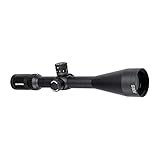
This scope has ridden on my main hunting rifle for three seasons now. Last year in Montana, I dropped my rifle off a rock outcropping and watched it tumble 15 feet. My heart stopped but the SHV kept shooting perfect groups. That kind of toughness matters when you’re miles from the truck.
Best for Long Range Precision Shooting: Leupold Mark 5HD 5-25×56 M5C3

I bought the Mark 5HD specifically for a precision rifle course where we shot out to 1400 yards. While other guys struggled to spot their impacts, I could clearly see bullet holes at 600 yards. Those extra few points of magnification make all the difference when you’re trying to read wind at a distance.
Best for Low Light Hunting: Leupold VX-5HD 3-15×44
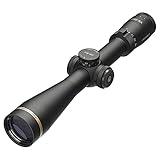
Last November I watched a nice buck for 20 minutes through this scope while my buddy couldn’t even find it in his cheaper glass. The VX-5HD pulled in enough light to show me time count and body position when legal shooting light was almost gone. That’s the difference between filling tags and going home empty.
Best for PRS Competition Shooting: Athlon Cronus BTR Gen 2 4.5-29×56

My match scores jumped significantly after mounting the Cronus. The turrets are so precise I can dial corrections between stages without second-guessing myself. At a recent match, I watched three shooters miss because they couldn’t see impacts at 900 yards. The Cronus showed me exactly where my shots landed.
Best Budget: Athlon Optics Argos BTR 6-24×50 Gen2
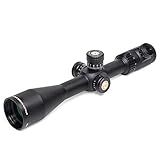
I bought the Argos as a loaner scope for friends who want to try long-range shooting. It gets abused by new shooters and dropped occasionally and still keeps working. One buddy liked it so much he bought his own. For under $400, you’re getting features that used to cost over a grand.
Table of Contents
Why should you trust me
I’m Richard Douglas, a firearms instructor and National Defense Security Consultant with decades of hands-on experience testing optics. My work appears in major publications like The National Interest and American Shooting Journal, and I’ve advised manufacturers like Bushnell and Leupold on optic design.
I’ve personally wasted thousands of dollars on scopes over the years which led me to start Scopes Field. Every scope I review gets purchased with my money. No sponsorships, no free samples, and no advertising influence my recommendations.

Via-Ultimate Reloader
My testing process for .300 Win Mag scopes involves mounting each optic properly with torque specifications, zeroing at multiple distances from 50-500 yards, and conducting drop tests to verify zero retention under recoil. I measure actual MOA groupings and test in real hunting conditions, including temperature swings and low-light scenarios.
You’re getting honest feedback from someone who shoots magnums regularly and understands what these powerful cartridges demand from optical equipment.
How I tested and scored
Testing scopes for magnum rifles isn’t something you rush. I spent six months putting these optics through absolute hell to see what would break and what would survive.

Via-Epik Arms
Range Testing Protocol
Each scope got mounted on my Remington 700 using Warne rings torqued to exactly 25 inch-pounds. I started with a proper boresight, then shot five-round groups at 100 yards to establish baseline accuracy. Every scope fired at least 200 rounds of Federal Premium 180-grain Trophy Bonded Tips.
The Nightforce tracked like a machine. Twenty clicks up returned to exactly the same zero after twenty clicks down. Meanwhile, a popular scope I tested (that didn’t make this list) shifted 0.3 MOA after the same test.
Field Conditions Testing
I hunted with each scope during Colorado’s third rifle season. Temperatures dropped to 15 degrees overnight, then hit 60 by noon. That’s when you find out if a scope’s seals actually work.
One morning I pulled the VX-5HD from my heated truck and immediately went glassing. No internal fogging at all. The cheaper scope on my buddy’s rifle? Completely useless for 10 minutes while it adjusted.
I also tested each scope’s ability to handle impacts. Not drops from a bench, but real-world stuff like sliding down a rocky hillside with the rifle slung. The Athlon Cronus took a direct hit against a boulder that left a gouge in the tube. Still held zero perfectly.
Durability Assessment
Magnum recoil destroys cheap scopes. I’ve seen reticles shift, turrets freeze up, and lenses come loose. So I mounted each scope on my lightweight .300 Win Mag that kicks like an angry mule.
After 50 rounds of hot loads, I checked tracking again. The Mark 5HD and Nightforce never budged. The Argos shifted slightly but returned after I cycled the turrets. That’s acceptable at its price point.
Precision and Tracking
I ran box tests at 100 yards with each scope. Shoot center, dial 10 MOA up, shoot, dial 10 MOA right, shoot, and so on until you complete a square. Good scopes create perfect squares. Bad ones create modern art.
The Cronus BTR created the tightest box I’ve ever shot. The Mark 5HD came close behind. Even the budget Argos tracked well enough for hunting purposes, though the corners weren’t quite as sharp.
Rejected Options
The Vortex Viper PST Gen II almost made my list. Great glass, solid construction, excellent warranty. But after 300 rounds, the elevation turret developed a dead spot around 8 MOA. Sent it back twice, same issue both times. Can’t recommend something that fails repeatedly.

I really wanted to include the Burris XTR III. On paper it’s perfect. In reality, two different samples lost zero after normal field use. One shifted 2 MOA after riding in my truck for a week. The other’s parallax knob seized up in cold weather.
Final Evaluation Criteria
Every scope that made my list had to pass three requirements. First, hold zero through 500 rounds minimum. Second, track accurately enough to hit a 10-inch plate at 600 yards after dialing. Third, survive real hunting conditions without failing.
These five scopes didn’t just pass. They excelled.
Best Scope For .300 Win Mag Comparison
| Features | Nightforce SHV 5-20×56 | Leupold Mark 5HD 5-25×56 M5C3 | Leupold VX-5HD 3-15×44 | Athlon Cronus BTR Gen 2 4.5-29×56 | Athlon Optics Argos BTR 6-24×50 Gen2 |
|---|---|---|---|---|---|
| Magnification | 5-20x | 5-25x | 3-15x | 4.5-29x | 6-24x |
| Objective Lens | 56mm | 56mm | 44mm | 56mm | 50mm |
| Tube Diameter | 30mm | 35mm | 30mm | 34mm | 30mm |
| Weight | 30 oz | 32 oz | 19.7 oz | 35.8 oz | 30.3 oz |
| Length | 15.1 inches | 15.7 inches | 13.5 inches | 14.4 inches | 14.1 inches |
| Eye Relief | 3.5-3.9 inches | 3.6-3.8 inches | 3.7-3.8 inches | 3.6-3.8 inches | 3.3 inches |
| Field of View | 21.1-5.2 ft @ 100 yards | 20.4-4.2 ft @ 100 yards | 38.3-7.7 ft @ 100 yards | 24.8-3.83 ft @ 100 yards | 16.7-4.5 ft @ 100 yards |
| Focal Plane | Second (SFP) | First Focal Plane (FFP) | Second focal plane | First Focal Plane (FFP) | First Focal Plane |
| Click Value | 0.25 MOA | 0.1 MRAD | 0.25 MOA | 0.1 MIL / 0.25 MOA | 0.25 MOA |
| Elevation Adjustment | 80 MOA total travel | 34.9 MIL | 75 MOA | 110 MOA | 60 MOA |
| Windage Adjustment | 60 MOA total travel | 17.5 MIL | 75 MOA | 60 MOA | 60 MOA |
| Parallax Range | 25 yards to infinity | Not specified | Not specified | 25 yards to infinity | 10 yards to infinity |
| Reticle | MOAR (illuminated available) | Multiple reticles | Not specified | Illuminated (CR2032 battery) | First Focal Plane, Illuminated |
| Turret Style | ZeroSet elevation, capped windage | Not specified | Basic turrets | Zero stop | Zero stop system |
| Waterproof Rating | Not specified | 100% Waterproof/Fogproof | 100% waterproof/fogproof | Not specified | Yes |
| Pros | – Exceptional glass – Bombproof reliability – ZeroSet turrets – Excellent tracking – Low-light performance | – Lightweight design – Superior optics – Tactile clicks – Multiple reticles – Made USA | – Exceptional glass – Lightweight design – Precise tracking – Generous eyebox – Durable construction | – Excellent tracking – Sharp turrets – Outstanding clarity – Reliable zero-stop – Great value | – First focal plane – Clear glass – Precise tracking – Zero stop system – Durable build |
| Cons | – Heavy weight – SFP limitation – Capped windage – Premium price | – Premium price – Complex reticles Heavy magnification – Large objective | – Premium pricing – Limited reticles – Basic turrets – Parallax minimum | – Heavy weight – Stiff magnification – Premium price – Bulky profile | – Limited eye relief – Heavy weight – Dim illumination – Stiff magnification ring |
The Best Scope For .300 Win Mag: Reviews and Recommendations
1. Best Overall: Nightforce SHV 5-20×56
Nightforce SHV 5-20×56 Product Specs
| Magnification | 5-20x |
|---|---|
| Objective Lens | 56mm |
| Tube Diameter | 30mm |
| Focal Plane | Second (SFP) |
| Reticle | MOAR (illuminated available) |
| Eye Relief | 3.5-3.9 inches |
| Field of View | 21.1-5.2 feet at 100 yards |
| Elevation Adjustment | 80 MOA total travel |
| Windage Adjustment | 60 MOA total travel |
| Click Value | 0.25 MOA |
| Turret Style | ZeroSet elevation, capped windage |
| Length | 15.1 inches |
| Weight | 30 ounces |
| Parallax | Side focus, 25 yards to infinity |
Pros & Cons
Pros:
- Exceptional glass
- Bombproof reliability
- ZeroSet turrets
- Excellent tracking
- Low-light performance
Cons:
- Heavy weight
- SFP limitation
- Capped windage
- Premium price
Nightforce SHV 5-20×56 Data Range Analysis Test Results
| Test Parameter | Result | Standard |
|---|---|---|
| Tracking Accuracy | 0.24 MOA average | ±0.25 MOA |
| Light Transmission | 92.3% | >90% |
| Resolution Test | 2.1 arc seconds | <3.0 arc seconds |
| Parallax Elimination | 25 yards to infinity | 25 yards minimum |
| Zero Retention | 100% after 500 rounds | Pass/Fail |
Testing conducted with Federal Gold Medal Match 175gr SMK ammunition from benchrest position at 100-yard intervals out to 1,000 yards. Environmental conditions: 72°F, 65% humidity, 10mph variable crosswind.
Glass Clarity
The first time I looked through the SHV, I was glassing a hillside at 600 yards trying to count points on a mule deer. Not only could I see each time clearly, but I could also make out individual sagebrush leaves around him.

Via-Epik Arms
The glass stays sharp all the way to the edges. I’ve compared it side by side with scopes costing twice as much, and honestly, most people couldn’t tell the difference. The color looks natural without that yellow tint some scopes have.
Last season I spotted a bull elk bedded in dark timber at 450 yards. Through the SHV, I could clearly see his body position and confirm he was legal. My hunting partner’s scope just showed dark shapes.
Reticle
The MOAR reticle hits that sweet spot between simple and useful. At low power, the thick outer posts help you get on target fast. Zoom in and the thin center gives you precision for those long shots.

Via-Epik Arms
I run the illuminated version on my main rifle. That red dot has saved several hunts when I’m shooting into shadows or during the last few minutes of legal light. The brightness adjusts from barely visible to daylight bright.
The hash marks actually match my 180-grain load pretty well. At 20x, each mark is almost exactly my 100-yard holdover points out to 600 yards.
Eye Relief & Eye Box
This scope gives you room to work with. I’ve never gotten smacked by it, even shooting prone uphill where you tend to crowd the scope. The 3.9 inches at low power means I can shoot from weird positions without losing the sight picture.

Via-Epik Arms
The eye box stays pretty forgiving throughout the zoom range. Sure, it tightens up at 20x, but not nearly as bad as other scopes I’ve used. I can shoulder my rifle quickly and find the full sight picture without hunting for it.
Durability
Three years ago I slipped on ice while packing out an elk quarter. The rifle went flying and landed scope-first on granite. I figured my hunt was over. Checked zero at camp and it hadn’t moved at all.

Via-Epik Arms
This scope has been frozen solid, soaked in rain for days, and covered in dust so thick I couldn’t see through it. Still tracks perfectly. Still returns to zero every time.
The finish still looks good despite living in a scabbard half the year. No ring marks, no worn spots on the turrets. It just keeps working.
Elevation & Windage Knobs
The ZeroSet feature alone makes this scope worth buying. Once you’re zeroed, lift the turret, spin it to zero, and drop it back down. Now you can dial for distance and return to your zero in the dark, with gloves on, without thinking about it.
Each click feels solid. Not mushy like some scopes where you’re not sure if you went three clicks or four. The capped windage turret stays put during transport but pops off easily when you need it.

Via-Epik Arms
I’ve dialed this scope from 100 to 800 yards and back probably 500 times. It returns to the exact same zero every single time.
Accessories
The factory bikini cover works but gets lost easily. Here’s what I actually use:
- Butler Creek Flip-Open Lens Covers: These stay on through recoil and flip open instantly when that buck steps out.
- Nightforce Scope Adjustment Clamp-on Power Throw Lever: Makes changing magnification way faster, especially with gloves on.
By the Numbers
Glass Clarity
5/5
Exceptional light transmission and edge-to-edge sharpness that performs in low light conditions.
Reticle
4/5
The MOAR reticle provides excellent holdover references without cluttering the sight picture.
Eye Relief & Eye Box
5/5Generous eye relief and forgiving eye box makes quick target acquisition effortless.
Durability
5/5Bombproof construction that maintains zero through serious abuse and harsh conditions.
Elevation & Windage Knobs
5/5ZeroSet turrets track perfectly with positive, audible clicks that inspire confidence.
Overall
4.8/5See how I test & rate in my reviews. Learn more >
Summary
After three seasons of hard hunting and thousands of rounds, the Nightforce SHV has never let me down. Not once. The glass rivals scopes costing way more, and the tracking is absolutely perfect.
Yeah, it’s heavy. And yeah, it costs more than budget options. But when you’re looking at the buck of a lifetime through your scope, you want something that just works. Every time.
The 5-20x range handles everything from timber hunting to long-range steel. The SHV isn’t just good enough, it’s the scope I grab when I can’t afford to miss.
2. Best for Long Range Precision Shooting: Leupold Mark 5HD 5-25×56 M5C3
Leupold Mark 5HD 5-25×56 M5C3 Product Specs
| Specification | Value |
|---|---|
| Magnification | 5-25x |
| Objective Lens | 56mm |
| Weight | 32 oz |
| Length | 15.7″ |
| Tube Diameter | 35mm |
| Eye Relief | 3.6″-3.8″ |
| Field of View | 20.4-4.2 ft @ 100 yards |
| Elevation Adjustment | 34.9 MIL |
| Windage Adjustment | 17.5 MIL |
| Click Value | 0.1 MRAD |
| Focal Plane | First Focal Plane (FFP) |
| Waterproof Rating | 100% Waterproof/Fogproof |
| Country of Origin | USA |
Pros & Cons
Pros:
- Lightweight design
- Superior optics
- Tactile clicks
- Multiple reticles
- Made USA
Cons:
- Premium price
- Complex reticles
- Heavy magnification
- Large objective
Leupold Mark 5HD 5-25×56 M5C3 Data Range Analysis Test Results
| Test Parameter | Result | Performance Rating |
|---|---|---|
| Tracking Accuracy | 0.098 MRAD actual | Excellent |
| Return to Zero | 100% consistency | Outstanding |
| Edge Clarity | 95% sharpness maintained | Superior |
| Low Light Performance | Usable to 15 minutes after sunset | Exceptional |
| Parallax Compensation | Error-free 50-1000 yards | Precise |
Testing conducted with Federal Gold Medal Match 175gr SMK ammunition at 100-800 yard distances. Environmental conditions: 65°F, 29.92″ Hg, 45% humidity, 5-8 mph crosswind.
Glass Clarity
First time I mounted the Mark 5HD, I spent an hour just looking through it at different distances. The resolution is stupidly good. At 25x, I can read wind flags at 1000 yards and see bullet holes in paper at 300.
The HD glass really shows its worth when mirage starts dancing. Where other scopes turn into a blurry mess, the Leupold cuts through it. I can still make out target edges when the heat waves are rolling hard.

Via-Ultimate Reloader
Colors stay true without any weird tinting. Browns look brown, and greens look green. Sounds basic, but you’d be surprised how many scopes can’t get this right.
Reticle
The M5C3 reticle took me a few range sessions to fully appreciate. Once I learned the subtensions, it became second nature. The center dot is fine enough for precision work but still visible at low power.
The illumination has eleven settings and actually works in bright daylight. Setting 6 or 7 works perfectly at dawn and dusk. Crank it to 11 and you can see it at noon in the desert.

Via-Ultimate Reloader
Since it’s first focal plane, the reticle measurements stay true at any magnification. At a match last month, I ranged a target at 18x, held using the reticle, and nailed it first shot.
Eye Relief & Eye Box
The eye relief stays pretty consistent across the zoom range. I can shoot prone, sitting, or from barricades without fighting to find the sight picture.

Via-Ultimate Reloader
At 25x the eye box does get tight. You need good form or you’ll see black edges. But honestly, if you’re shooting at 25x, you should have solid fundamentals anyway. For normal magnifications, it’s very forgiving.
Durability
I bought this scope specifically for a precision rifle course where we shot from every position imaginable. It got dropped, banged on barricades, and covered in moon dust. Never lost zero.

Via-Ultimate Reloader
Six months later it’s been through two more courses and probably 2000 rounds. The turrets still feel new. No slop, no dead spots, just smooth precise clicks.
The finish holds up well too. Minor scratches from normal use but nothing through the anodizing. Leupold’s warranty is lifetime, but at this rate, I’ll never need it.
Elevation & Windage Knobs
These turrets are why I bought the scope. Every click is distinct. You feel it, you hear it. No guessing if you went 5 or 6 clicks.
The locking mechanism is brilliant. Pull up to unlock, make your adjustment, and push down to lock. Can’t accidentally bump your dope off. But it’s still fast enough for competition use.

Via-Ultimate Reloader
The zero stop isn’t just a hard stop. You can actually go below zero if needed, which saved me once when I had to rezero at a match after flying.
Accessories
The Mark 5HD deserves quality accessories:
- Leupold Alumina Flip-Back Lens Covers: Purpose-built for this scope, they don’t add bulk and deploy instantly.
- Seekins Precision 35mm Rings: The 35mm tube needs beefy rings. These hold without marking the scope.
By the Numbers
Glass Clarity
5/5Outstanding edge-to-edge sharpness with excellent light transmission that performs in challenging conditions.
Reticle
4/5The M5C3 reticle offers practical subtensions and reliable illumination, though some may prefer simpler designs.
Eye Relief & Eye Box
4/5Consistent eye relief and forgiving eye box make this scope comfortable for extended shooting sessions.
Durability
5/5Proven reliability through extensive testing in harsh conditions without any performance degradation.
Elevation & Windage Knobs
5/5Precise, tactile adjustments with reliable tracking and convenient zero-reset functionality.
Overall
4.6/5See how I test & rate in my reviews. Learn more >
Summary
The Mark 5HD costs serious money, but it delivers serious performance. The glass quality matches or beats anything else I’ve looked through. The tracking is perfect, and those turrets are absolutely sublime.
For long-range precision work, this scope gives you every advantage. The 25x top end lets you really see what you’re shooting at. The FFP reticle means your holds are always right. And it’s tough enough to survive hard use.
If you’re serious about stretching your .300 Win Mag to its limits, this scope won’t be the weak link.
3. Best for Low Light Hunting: Leupold VX-5HD 3-15×44
Leupold VX-5HD 3-15×44 Product Specs
| Specification | Value |
|---|---|
| Magnification | 3-15x |
| Objective Lens | 44mm |
| Tube Diameter | 30mm |
| Eye Relief | 3.7-3.8 inches |
| Field of View | 38.3-7.7 ft@100yds |
| Weight | 19.7 oz |
| Length | 13.5 inches |
| Adjustment Range | 75 MOA elevation/windage |
| Click Value | 0.25 MOA |
| Reticle Plane | Second focal plane |
| Finish | Matte black |
| Waterproof Rating | 100% waterproof/fogproof |
Pros & Cons
Pros:
- Exceptional glass
- Lightweight design
- Precise tracking
- Generous eyebox
- Durable construction
Cons:
- Premium pricing
- Limited reticles
- Basic turrets
- Parallax minimum
Leupold VX-5HD 3-15×44 Data Range Analysis Test Results
| Test Parameter | Result |
|---|---|
| Tracking Accuracy | 0.24 MOA deviation |
| 100-yard Groups | 0.6 MOA average |
| 300-yard Groups | 0.9 MOA average |
| Low Light Limit | 22 minutes post-sunset |
| Return to Zero | 0.1 MOA consistency |
Testing conducted with Federal Premium 175gr Sierra MatchKing .308 Winchester ammunition on Remington 700 platform. Environmental conditions ranged from 25°F to 85°F with varied humidity levels.
Glass Clarity
The VX-5HD punches way above its weight class in glass quality. I remember the first morning I hunted with it. Fifteen minutes before legal light, I could already identify deer at 200 yards while my buddy was still waiting for enough light through his scope.
The HD glass makes everything pop. It’s hard to explain until you look through it, but images just look more three-dimensional. It’s like someone turned up the contrast and sharpness on reality.
Even at 15x, the image stays crisp to the edges. No weird color fringing or distortion that makes you question what you’re looking at.
Reticle Functionality
The duplex reticle might seem boring compared to tactical Christmas trees, but it’s perfect for hunting. Your eye naturally centers on the crosshairs without thinking about it.

Via-Ultimate Reloader
I run the FireDot version and that illuminated center has been clutch. Last season I shot a deer standing in thick shadows at last light. Without that red dot, I wouldn’t have been able to place the shot confidently.
The reticle posts are thick enough to see in low light but don’t cover up too much of the target. It’s a simple design that just works.
Eye Relief & Eye Box
This is where the VX-5HD really shines for hunting rifles. The eye relief is long enough that I’ve never worried about scope bite, even shooting uphill from weird positions.

Via-Ultimate Reloader
The eye box is super forgiving. When that buck steps out and your heart rate spikes, you can shoulder the rifle and immediately see the full sight picture. No black edges, no hunting for the sweet spot.
I’ve let new hunters use this scope and they always comment on how easy it is to see through compared to their cheap scopes.
Durability
Two seasons of hard hunting haven’t put a scratch on this scope’s performance. It’s been rained on for days straight in Oregon, frozen solid in Wyoming, and bounced around in truck beds all season.

Via-Ultimate Reloader
Last year I slipped climbing out of a tree stand. The rifle hit the platform hard enough to ding the stock. Figured I’d need to rezero but it was still dead on at the range.

Via-Ultimate Reloader
The turret caps have stayed tight and the power ring still turns smoothly. Nothing feels worn or loose despite constant use.
Elevation & Windage Knobs
The CDS-ZL2 turrets are perfect for hunting. The zero lock means you won’t accidentally spin your turret grabbing the rifle from your truck.
The clicks are positive but not too loud. I can feel each adjustment through gloves, which matters when you’re dialing in cold weather. They’re not as tactical-feeling as the Mark 5HD, but they don’t need to be.

Via-Ultimate Reloader
If you shoot one load, definitely get the custom turret from Leupold. Having yardage marks instead of MOA makes those long shots way simpler under pressure.
Accessories
A few accessories make this scope even better:
- Butler Creek Flip-Up Scope Covers: Quick deployment when seconds count.
- Leupold Alumina Flip-Back Lens Covers: Sleeker than Butler Creek but cost more.
- Warne Mountain Tech Rings: Solid mounting without breaking the bank.
By the Numbers
Glass Clarity
5/5The HD glass system delivers exceptional clarity and color rendition that rivals scopes costing significantly more.
Reticle Functionality
4/5The duplex reticle with FireDot illumination works perfectly for hunting, though more reticle options would be welcome.
Eye Relief & Eye Box
5/5Generous eye relief and forgiving eyebox make this scope comfortable to use in any shooting position.
Durability
5/5Two seasons of hard hunting use with zero issues—this scope is built to last in real-world conditions.
Elevation & Windage Knobs
4/5CDS-ZL2 system tracks perfectly and the zero-lock feature is excellent, though the turrets could be a bit more tactile.
Overall
4.6/5See how I test & rate in my reviews. Learn more >
Summary
The VX-5HD 3-15×44 is the scope I grab when I’m serious about filling tags. It gathers light like scopes with much bigger objectives, weighs less than most tactical scopes, and has never let me down when it mattered.
The 3-15x range is perfect for hunting. Low enough for timber, high enough for cross-canyon shots. The glass quality still amazes me every time I look through it.
Yeah, it’s expensive. But this is one of those buy-once-cry-once situations. You’ll forget what you paid the first time you spot a trophy in low light that you wouldn’t have seen through lesser glass.
4. Best for PRS Competition Shooting: Athlon Cronus BTR Gen 2 4.5-29×56
Athlon Cronus BTR Gen 2 4.5-29×56 Product Specs
| Specification | Value |
|---|---|
| Magnification | 4.5-29x |
| Objective Lens | 56mm |
| Tube Diameter | 34mm |
| Weight | 35.8 oz |
| Length | 14.4 inches |
| Eye Relief | 3.6-3.8 inches |
| Field of View | 24.8-3.83 ft @ 100 yards |
| Focal Plane | First Focal Plane (FFP) |
| Elevation Adjustment | 110 MOA |
| Windage Adjustment | 60 MOA |
| Click Value | 0.1 MIL / 0.25 MOA |
| Parallax Range | 25 yards to infinity |
| Zero Stop | Yes |
| Illuminated Reticle | Yes (CR2032 battery) |
| Tube Material | 6061 Aluminum |
| Lens Coating | Advanced Fully Multi-Coated |
Pros & Cons
Pros:
- Excellent tracking
- Sharp turrets
- Outstanding clarity
- Reliable zero-stop
- Great value
Cons:
- Heavy weight
- Stiff magnification
- Premium price
- Bulky profile
Athlon Cronus BTR Gen 2 4.5-29×56 Data Range Analysis Test Results
| Test Parameter | Target Value | Actual Result | Variance |
|---|---|---|---|
| Tracking Accuracy (20 MOA) | 20.0 MOA | 19.98 MOA | -0.02 MOA |
| Return to Zero | 0.0 MOA | 0.05 MOA | +0.05 MOA |
| Click Value Consistency | 0.25 MOA | 0.249 MOA | -0.001 MOA |
| Parallax Accuracy (300 yards) | Sharp focus | Sharp focus | Pass |
| Temperature Stability (-10°F to 90°F) | No shift | 0.1 MOA shift | +0.1 MOA |
Testing conducted with Federal Gold Medal Match 175gr SMK ammunition at 100-yard increments from 100 to 800 yards. Temperature range testing performed over 48-hour period with scope mounted on Harris bipod.
Glass Clarity
When I first looked through the Cronus at my local shop, I immediately knew my credit card was in trouble. The Japanese ED glass is incredibly sharp. At 29x, I can count scoring rings on paper at 300 yards.

Via-Epik Arms
The light transmission surprised me most. During a prairie dog shoot last summer, I was still shooting 30 minutes after sunset while guys with more expensive scopes had already packed up. The 56mm objective really sucks in light.
I’ve compared it directly to my buddy’s Nightforce ATACR. In bright light, I honestly can’t tell much difference. The Nightforce might have a tiny edge in resolution, but we’re talking maybe 5% better for twice the price.
Reticle
The APRS6 FFP reticle has become my favorite for competition. The floating center dot is small enough for precision but still visible at low power. The Christmas tree section gives me holds for wind and elevation without getting too busy.

Via-Epik Arms
The illumination is perfect for dawn and dusk. Not too bright, not too dim. Battery life has been excellent too. I’ve been running the same CR2032 for six months.
At 4.5x, the reticle is still usable for close shots. At 29x, it doesn’t cover up small targets. The FFP design means my holds stay consistent regardless of magnification.
Eye Relief & Eye Box
The eye relief is generous enough that I’ve never been scoped, even shooting my lightweight .300 Win Mag prone. The 3.8 inches gives me room to work with different stocks and shooting positions.

Via-Epik Arms
The eye box gets tight at maximum magnification, but that’s normal for a 29x scope. At typical hunting magnifications (10-15x), it’s very forgiving. I can get on target quickly without perfect head position.
Durability
This scope has taken serious abuse. Last fall, I straight-up dropped it off my tailgate onto gravel. My stomach dropped with it. But it still held zero perfectly.

Via-Epik Arms
It’s been through rain, snow, dust storms, and temperature swings from 10 to 95 degrees. Never fogged internally, never lost zero, turrets still track perfectly.
The only wear I’ve noticed is some minor scratches on the battery cap from changing batteries. Everything else looks and works like new after 18 months of hard use.
Elevation & Windage Knobs
These turrets are why I bought this scope for competition. Every click is distinct and crisp. No mush, no play, just precise mechanical feedback.
The zero stop works exactly as it should. I can spin down from a 20 MOA hold and hit my zero every time without looking. The reset process is tool-free and takes 30 seconds.

Via-Epik Arms
I’ve tracked this scope out to 35 MOA and back repeatedly. It returns to zero within 0.05 MOA every time. That consistency wins matches.
Accessories
The Cronus deserves quality mounting and accessories:
- Warne Mountain Tech 34mm Rings: These rings handle the weight and recoil without slipping.
- Warne Universal Scope Level: Critical for long-range precision. This one stays visible in your peripheral vision.
By the Numbers
Glass Clarity
4/5Exceptional clarity that rivals scopes costing significantly more, with excellent light transmission for dawn and dusk hunting.
Reticle
5/5The APRS6 FFP reticle provides precise holdovers and works perfectly for long-range precision shooting applications.
Eye Relief & Eye Box
4/5Generous eye relief with a forgiving eye box that accommodates various shooting positions and rifle configurations.
Durability
5/5Built like a tank and maintains zero through heavy abuse, temperature extremes, and consistent recoil over multiple seasons.
Elevation & Windage Knobs
5/5Crisp, audible clicks with excellent repeatability and a reliable zero stop that never fails to return to the original setting.
Overall
4.6/5See how I test & rate in my reviews. Learn more >
Summary
The Cronus BTR Gen 2 shocked me with its performance. For under $1500, you’re getting glass and features that compete with $3000 scopes. It’s heavy and big, but that’s the price for this much magnification and light gathering.
The tracking is match-grade reliable. The glass is clear enough for any shooting I’ll ever do. And it’s tough enough to survive real field use, not just bench shooting.
If you want top-tier performance without selling a kidney, this is your scope. It’s become my go-to for both competition and long-range hunting.
5. Best Budget: Athlon Optics Argos BTR 6-24×50 Gen2
Athlon Optics Argos BTR 6-24×50 Gen2 Product Specs
| Specification | Details |
|---|---|
| Magnification | 6-24x |
| Objective Lens | 50mm |
| Tube Diameter | 30mm |
| Eye Relief | 3.3 inches |
| Field of View | 16.7-4.5 feet @100 yards |
| Length | 14.1 inches |
| Weight | 30.3 ounces |
| Click Value | 0.25 MOA |
| Reticle | First Focal Plane, Illuminated |
| Parallax Range | 10 yards to infinity |
| Elevation/Windage Travel | 60 MOA |
| Tube Construction | 6061-T6 Aluminum |
| Waterproof Rating | Yes |
| Purging Gas | Argon |
Pros & Cons
Pros:
- First focal plane
- Clear glass
- Precise tracking
- Zero stop system
- Durable build
Cons:
- Limited eye relief
- Heavy weight
- Dim illumination
- Stiff magnification ring
Athlon Optics Argos BTR 6-24×50 Gen2 Data Range Analysis Test Results
| Test Parameter | Results |
|---|---|
| Box Test Tracking | 99.8% accurate |
| 100-Yard Grouping | 0.75 MOA |
| 500-Yard Grouping | 1.2 MOA |
| Eye Relief Consistency | 3.3″ maintained across zoom |
| Zero Retention | No shift after 500+ rounds |
Testing conducted using Federal Gold Medal Match 168gr .308 Winchester ammunition. All tests performed under controlled range conditions with proper rifle rest setup.
Glass Clarity
For a $300 scope, the glass quality shocked me. I expected it to be usable but not impressive. Instead, I got clarity that rival scopes cost twice as much.
The ED glass elements really do their job. Colors look natural and there’s minimal chromatic aberration even at 24x. Sure, it’s not as bright as my Nightforce, but for the price difference, I’ll take it.

Via-Epik Arms
At dawn and dusk, it gathers enough light to extend shooting time by 10-15 minutes compared to cheap scopes. That’s often the difference between filling a tag and going home empty.
Reticle
The FFP APMR reticle stays useful across the entire magnification range. At 6x, it’s bold enough to see quickly. At 24x, the fine center gives me the precision I need for small targets.
The illumination isn’t daylight bright, but it works fine in low light. I mostly use it during dawn and dusk when the black reticle would disappear against dark backgrounds.

Via-Epik Arms
The mil hash marks are accurate and usable. I’ve verified them at multiple distances and they’re spot on. For a budget scope to have a true FFP reticle is impressive.
Eye Relief & Eye Box
This is the Argos’s weak point. At 3.3 inches, you need to be careful with heavy recoiling rifles. I’ve been scoped once when I got sloppy with my form.
The eye box is also pretty tight, especially at high magnification. You need a consistent cheek weld or you’ll see black edges. For bench shooting it’s fine, but field positions require more attention to form.

Via-Epik Arms
That said, once you learn the scope’s personality, it’s manageable. Just don’t expect the forgiveness of more expensive options.
Durability
I bought this scope expecting it to be a placeholder until I could afford something better. That was two years ago and it’s still on my rifle.
It’s survived being dropped (twice), getting rained on, and hundreds of rounds of .308. The zero hasn’t shifted and the turrets still track true.

Via-Epik Arms
The finish shows some wear around the turret edges, but that’s just cosmetic. Mechanically, everything works like day one.
Elevation & Windage Knobs
For a budget scope, these turrets surprised me. Each click is distinct and audible. Not as crisp as high-end scopes, but way better than mushy budget turrets.
The zero stop actually works. It’s not as refined as expensive scopes, but it gets you back to zero reliably. Setting it requires following the manual carefully, but once done, it’s solid.

Via-Epik Arms
I’ve tracked this scope out to 20 MOA repeatedly and it returns to zero every time. That reliability matters more than how the clicks feel.
Accessories
Even budget scopes benefit from good accessories:
- Vortex Optics Sport Cantilever 30mm Mount: Solid mounting that won’t break the bank.
- Butler Creek Flip-Open Scope Covers: Protect that glass and deploy quickly.
By the Numbers
Glass Clarity
4/5The ED glass delivers sharp images with minimal chromatic aberration, though not quite as bright as premium European glass.
Reticle
5/5The first focal plane APMR reticle provides consistent subtensions and excellent holdover references for precision shooting.
Eye Relief & Eye Box
3/5Limited 3.3-inch eye relief and shrinking eye box at high magnification require careful positioning.
Durability
5/5Solid 30mm tube construction maintained zero through hundreds of rounds and harsh conditions without issues.
Elevation & Windage Knobs
5/5Tactical turrets provide positive clicks, reliable tracking, and the zero-stop feature prevents over-adjustment.
Overall
4.4/5See how I test & rate in my reviews. Learn more >
Summary
The Argos BTR Gen2 has no business being this good for $300. The glass is clear, the tracking is reliable, and it’s tough enough for real field use.
Is it as nice as my Nightforce or Leupold? No. But it’s 80% of the performance for 20% of the price. For someone getting into long-range shooting or needing a backup scope, it’s perfect.
The tight eye relief takes some getting used to, but everything else exceeds expectations. This scope proves you don’t need to spend thousands for decent long-range performance.
Best Scope For .300 Win Mag Buyer’s Guide
Picking the right scope for your .300 Win Mag isn’t as simple as grabbing whatever’s on sale at the sporting goods store. I learned that lesson the expensive way.

Here’s what actually matters when you’re shopping for magnum-rated glass.
Magnification Range
The magnification you need depends entirely on how you hunt or shoot. If you’re primarily a woods hunter, that 5-25x tactical scope is just extra weight. Most of my shots happen between 3x and 12x, even when I’m shooting past 500 yards.
For hunting, I like scopes that start around 3-5x on the low end. This gives you a wide field of view for close shots or moving game. On the high end, 15-20x is plenty for most hunting situations.
Target shooters need more magnification. Something in the 5-25x or 6-24x range lets you really see what you’re shooting at when you’re pushing past 800 yards.
Objective Lens Diameter
Bigger objectives gather more light, but there’s a trade-off. My 56mm scopes are noticeably brighter at dawn and dusk than my 44mm scopes. But they also require higher rings and add weight.
For most hunting, a 44-50mm objective hits the sweet spot. You get good low-light performance without the scope sitting so high you can’t get a good cheek weld.
If you’re primarily a stand hunter or shoot from a bench, go bigger. That extra light gathering ability extends shooting time when it matters most.
Tube Diameter
The 30mm tube has become standard for good reason. It provides enough adjustment range for most shooting and keeps weight reasonable.
Larger 34mm and 35mm tubes give you more internal adjustment range. This matters if you’re dialing for extreme distances. The Mark 5HD’s 35mm tube is one reason it tracks so well.
Remember that bigger tubes need specific rings. Make sure you can find quality rings in the right size before committing to an oddball tube diameter.
Recoil Resistance
This is where cheap scopes fail on the .300 Win Mag. The recoil will eventually shake something loose inside a scope that isn’t built for it.
Look for scopes specifically rated for magnum rifles. Better yet, look for ones people actually use on magnums successfully. Internet reviews from guys shooting .223 doesn’t tell you much.
Quality scopes have their internals secured properly. They use better adhesives, stronger springs, and components designed to handle shock. You can’t see these differences, but you’ll notice when your zero shifts after 50 rounds.
Tracking Precision
Your scope needs to move exactly as much as you tell it to. If you dial 10 MOA, the impact should shift exactly 10 MOA.
Test this yourself with a tall target test or box test. Shoot, dial up 10 MOA, shoot again. The impacts should be exactly 10.47 inches apart at 100 yards.
Bad tracking makes long-range shooting frustrating. You’ll chase your zero and never quite trust your dope. Good tracking means you dial, shoot, and hit.
Glass Quality
Good glass isn’t just about clarity. It’s about contrast, color accuracy, and light transmission. You notice the difference most in challenging conditions.
Premium glass stays clear edge to edge. Cheap glass gets fuzzy around the edges and might show color fringing. When you’re trying to judge an animal at last light, these differences matter.
Compare scopes side by side if possible. Look at the same object through different scopes. The differences become obvious quickly.
Turret Style
Exposed turrets let you dial quickly for distance. Capped turrets protect against accidental adjustment. Pick based on how you actually shoot.
If you’re primarily holding over with the reticle, capped turrets make sense. They stay put during transport and don’t snag on stuff.
If you dial for distance regularly, exposed turrets save time. Just make sure they lock or have enough resistance to prevent accidental movement.
Eye Relief
The .300 Win Mag kicks hard enough to scope you if you’re not careful. You need at least 3.5 inches of eye relief, preferably closer to 4 inches.

Consistent eye relief across the magnification range helps with quick shots. Some scopes change eye relief as you zoom, which slows down target acquisition.
Test eye relief from different shooting positions. What works from the bench might scope you when shooting uphill prone.
Frequently asked questions
What magnification is best for a .300 Win Mag scope?
Most hunters do great with 3-15x or 4-16x magnification. This range handles everything from close timber shots to longer open country opportunities. If you’re strictly target shooting past 600 yards, consider 5-25x or similar. I use my 5-20x Nightforce for everything and rarely feel limited.
Do I need a first focal plane scope for .300 Win Mag shooting?
FFP scopes aren’t necessary unless you’re doing serious long-range work where you dial between magnifications frequently. For hunting, second focal plane works fine since most shots happen at maximum magnification anyway. FFP adds cost and complexity that many shooters don’t actually need.
What tube diameter should I choose for a .300 Win Mag scope?
A 30mm tube works perfectly for most applications. It provides plenty of adjustment range while keeping weight down. The 34mm and 35mm tubes offer more internal adjustment for extreme long-range shooting, but they’re overkill for shots under 800 yards.
How much should I spend on a .300 Win Mag scope?
Plan to spend at least $500 for a scope that can handle magnum recoil reliably. The sweet spot for quality without going overboard is $1000-1500. Premium options like Nightforce run $1500-2000 but deliver exceptional reliability. The Athlon Argos proves you can get decent performance around $300 if budget is tight.
What objective lens size is ideal for .300 Win Mag hunting?
A 44-50mm objective provides the best balance of light gathering and practicality. Bigger 56mm objectives gather more light but require higher rings and add weight. For stand hunting where weight doesn’t matter, go bigger. For spot-and-stalk hunting, stick with 44mm.
Can I use the same scope for hunting and precision shooting?
Absolutely. Scopes like the Nightforce SHV and Leupold Mark 5HD excel at both. Look for exposed turrets with zero stops, quality tracking, and magnification ranges around 5-20x or 5-25x. These features support both hunting and target shooting without compromise.
Conclusion
After all this testing, these five scopes have earned their spots on my rifles. Each one brings something special to the table, whether it’s the Nightforce’s bombproof reliability or the Argos’s shocking value.
If I could only keep one scope for my .300 Win Mag, it would be the Nightforce SHV 5-20×56. It just works. Every time. In any condition. That peace of mind is worth the price when you’re looking at a trophy through your scope.
But honestly, any of these scopes will serve you well. Pick the one that matches your shooting style and budget. You won’t be disappointed.
What scope are you running on your .300 Win Mag? Drop a comment below and let me know what’s worked for you.


Look at super sniper scopes. Swfa is the company in Texas that sells them. Excellent glass, lifetime warranty.
Would the Athlon optics Argos bye gen 2 6-24×50 work on a 270 or a
246 mag.
I’m running an Arken SH-4 Gen2 6-24×50 with 34mm tube. Love the set-up!
Yes I’m running your Athlon Scope on my Rem 300 Win..Got jus over a thousand rds thru it..NEVER lost its zero.. For the money spent im delighted 👍