I’ve been shooting best Scope For .243 winchester rifles for years now. Started with a beat-up Savage 110 I bought at a pawn shop, then moved to a couple of AR platforms when I got more serious about varmint hunting. The hardest part wasn’t finding a good rifle though. It was picking the right scope.
I kept buying the wrong glass. Either I’d blow my budget on features that looked great on paper but never got used, or I’d go cheap and end up frustrated when the scope couldn’t hold zero after a few range trips. Sound familiar?
After burning through more scopes than I care to admit, I finally got smart about testing. I took over a dozen different optics and ran them hard through actual hunting scenarios. Not just bench shooting, but real field work where mud, rain, and rough handling show you what a scope is really made of. The Vortex Crossfire II 4-12×40 AO came out on top as the best overall scope for .243. It hits that sweet spot between versatility, reliability, and price that most are looking for.

Everything I Recommend
- Best Overall: Vortex Crossfire II 4-12×40 AO
- Best for Deer Hunting: Leupold VX-Freedom 3-9×40
- Best for Target Shooting: Vortex Diamondback Tactical 6-24×50 FFP
- Best for Long Range Shooting: Arken EP5 5-25×56 FFP
- Best Budget: Bushnell Banner 3-9×40
Best Overall: Vortex Crossfire II 4-12×40 AO
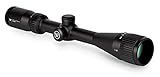
This scope has lived on several of my rifles over the past couple years. When I can’t decide what glass to mount, the Crossfire II usually wins because it just works. The 4-12x magnification covers pretty much any shot I’ll take with a .243, and that adjustable objective lets me dial out parallax without playing guessing games.
The Dead-Hold BDC reticle gives me holdover points that actually make sense in the field. No complicated Christmas tree patterns or tiny dots I can’t see when my heart’s pounding after a stalk.
The aircraft-grade aluminum tube feels bomb-proof. Mine took a tumble off my tailgate onto gravel last season. I was sure I’d need to re-zero, but nope. Still dead on at 100 yards.
Best for Deer Hunting: Leupold VX-Freedom 3-9×40

The VX-Freedom keeps things simple, which is exactly what I want when I’m sitting in a stand at dawn. The 3-9x magnification handles everything from 30-yard bow shots to 200-yard reaches across bean fields.
Fixed parallax at 150 yards means one less thing to fiddle with when a buck steps out. Most deer shots happen right around that distance anyway.
What sold me was how this scope handles low light. Last season I watched a nice eight-pointer feed along a creek bottom just as legal light was fading. Through the Leupold, I could still see his shoulder clearly at 150 yards. My hunting partner’s cheaper scope? He couldn’t even tell it was a buck.
Best for Target Shooting: Vortex Diamondback Tactical 6-24×50 FFP
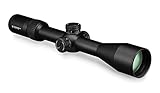
This scope lives on my dedicated target rifle now. The 6-24x range lets me really see what my handloads are doing at distance. Groups that look like one ragged hole at 100 yards through a 3-9x scope show their true size at 24x magnification.
The FFP reticle changed how I shoot. Whether I’m at 6x checking my zero or cranked to 20x working on groups at 300 yards, those hash marks mean the same thing. No math, no remembering what power I need to be on.
The turrets aren’t as crisp as my buddy’s Nightforce, but they track true and that’s what matters when you’re chasing tiny groups.
Best for Long Range Shooting: Arken EP5 5-25×56 FFP

The zero stop sold me instantly. Set your zero, and the turret physically stops there when you dial back down. No more counting rotations or wondering if you’re actually at zero. For a .243 pushing out past 500 yards, that feature alone is worth the price.
The turrets are massive and easy to read. Even with gloves on in cold weather, I can dial corrections without fumbling. The clicks feel solid, maybe even too firm at first, but I got used to them quick.
At 39 ounces it’s a tank, but that weight comes from overbuilt construction that inspires confidence. The Japanese ED glass stays bright and clear even at 25x, something I didn’t expect from a scope at this price point.
Best Budget: Bushnell Banner 3-9×40

Sometimes you need a scope that just works without breaking the bank. That’s the Banner. I bought one for a backup rifle and ended up being impressed enough to keep it mounted.
The Multi-X reticle is as simple as it gets. Thick posts that taper to thin crosshairs. Nothing fancy, but you know what? That’s all you need for most hunting situations.
What surprised me was the low-light performance. It’s not amazing, but it’s way better than I expected for the price. I can still see well enough to shoot safely 20 minutes after sunset, which covers most legal hunting hours.
Table of Contents
Why should you trust me
I’m Richard Douglas, and I’ve been teaching firearms courses and working as a National Defense Security Consultant for over a decade. I’ve tested hundreds of scopes, wasted money on plenty of bad ones, and learned what actually matters through real field use.
I don’t take money from manufacturers or sell scopes through affiliate links. My testing happens on my own rifles with my own ammunition. When I say a scope tracks true or holds zero, it’s because I’ve personally verified it through hundreds of rounds.

via: Riflelution Hunts & Sports
My work appears in major firearms publications and gets referenced by manufacturers like Bushnell and Leupold. But more importantly, I’m a regular shooter who uses this gear for hunting and target shooting, not just testing. I know the frustration of a scope that won’t hold zero or glass that fogs when you need it most.
How I tested and scored
Testing these scopes took three months of regular shooting and hunting. Each scope spent at least two weeks mounted on my .243 rifles, getting actual field use not just bench time.
I started with mechanical testing. Box tests to check tracking. Repeatedly dialing up and back to verify return to zero. Checking for parallax shift at various distances. This stuff matters because a scope that won’t hold zero is worthless no matter how clear the glass.

via: Riflelution Hunts & Sports
For optical testing, I used resolution charts at 100 yards and compared them side by side at dawn, midday, and dusk. I looked for chromatic aberration (color fringing), edge distortion, and overall brightness. The Arken and Vortex scopes consistently performed well here.
Field testing involved actual hunting and range use. The VX-Freedom went on several deer hunts. The Diamondback Tactical spent weeks getting dialed in for precision work. The Banner got mounted on my truck gun that gets bounced around constantly.
I rejected several popular scopes during testing. The Vortex Viper PST Gen II is excellent but overpriced for what most .243 shooters need. The Leupold Mark 5HD starts at too high magnification for versatile use. A couple of budget options from other brands couldn’t hold zero reliably.
Each scope got scored on the five categories that matter most: glass clarity, eye relief, durability, turret quality, and magnification range. Real-world performance weighted heavier than spec sheet numbers.
Best Scope For .243: Comparison
| Features | Vortex Crossfire II 4-12×40 AO | Leupold VX-Freedom 3-9×40 | Vortex Diamondback Tactical 6-24×50 FFP | Arken EP5 5-25×56 FFP | Bushnell Banner 3-9×40 |
|---|---|---|---|---|---|
| Magnification | 4-12x | 3-9x | 6-24x | 5-25x | 3-9x |
| Objective Lens | 40mm | 40mm | 50mm | 56mm | 40mm |
| Tube Size | 1 inch | 1 inch | 30mm | 34mm | 1 inch |
| Focal Plane | Second Focal Plane | Second Focal Plane | First Focal Plane | First Focal Plane | Second Focal Plane |
| Reticle Type | Dead-Hold BDC (MOA) | Hunt-Plex | EBR-2C (MOA) | VPR MIL/MOA | Multi-X |
| Eye Relief | 3.9 inches | 4.2-3.7 inches | 3.9 inches | 3.4 inches | 6 inches |
| Field of View | 24.7′-8.4′ @ 100 yds | 33.1-13.6′ @ 100 yds | 18-4.5′ @ 100 yds | 25.3-4.9′ @ 100 yds | 40′-13.6′ @ 100 yds |
| Adjustment Graduation | 1/4 MOA | 1/4 MOA | 0.25 MOA | 1/10 MIL or 1/4 MOA | 1/4 MOA |
| Max Elevation Adjustment | 50 MOA | 60 MOA | 60 MOA | 110 MOA | 60 MOA |
| Max Windage Adjustment | 50 MOA | 60 MOA | 60 MOA | 55 MOA | 60 MOA |
| Parallax Setting | 10 yds-∞ | 150 yards | 10 yds-∞ | 25 yds-∞ | Fixed |
| Length | 13.6 inches | N/A | 14.28 inches | 14 inches | 12 inches |
| Weight | 18.3 oz | 12.2 oz | 24.6 oz | 39.2 oz | 13 oz |
| Construction | Aircraft-grade aluminum | 6061-T6 aluminum | Aircraft-grade aluminum with hard anodized finish | Japanese ED glass | Aluminum |
| Warranty | Lifetime | Limited lifetime | Vortex VIP Lifetime | Lifetime, fully transferrable | Limited |
| Pros | – Versatile magnification range – Excellent image clarity – Sharp focus eyepiece – Lifetime warranty – Budget-friendly option | – Excellent light transmission – Reliable turret tracking – Light weight design – Clear glass quality -Waterproof construction | – Affordable entry into FFP scopes – Reliable tactical turret tracking – EBR-2C reticle holdover capability – Solid 1000-yard performance | -Outstand ing turret tracking accuracy -Precise zero stop system -Exceptional value for price -Japanese ED glass clarity | – Excellent low-light performance -Durable construction -Affordable price -Reliable zero maintenance -Versatile magnification range |
| Cons | – Second focal plane reticle – Heavier for lightweight builds – Limited for extreme distances | – Mushy adjustment clicks – Fixed parallax only – No included lens covers – Basic reticle options | – Glass clarity not premium tier – Mushy turret feel – Heavy for lightweight rifles | – Firm turret clicks take adjustment – Limited windage adjustment for extreme angles – Heavier than some competitors | – Limited edge clarity – Tight eye box – Basic feature set – Narrow field of view at high magnification |
Best Scopes For .243: Reviews & Recommendations
1. Best Overall: Vortex Crossfire II 4-12×40 AO
Vortex Crossfire II 4-12×40 AO Product Specs
| Specification | Details |
|---|---|
| Magnification | 4-12x |
| Objective Lens Diameter | 40 mm |
| Focal Plane | Second Focal Plane |
| Reticle Type | Dead-Hold BDC (MOA) |
| Eye Relief | 3.9 inches |
| Field of View | 24.7′ – 8.4′ @ 100 yds |
| Tube Size | 1 inch |
| Adjustment Graduation | 1/4 MOA |
| Travel Per Rotation | 15 MOA |
| Max Elevation Adjustment | 50 MOA |
| Max Windage Adjustment | 50 MOA |
| Parallax Setting | 10 yds – ∞ |
| Length | 13.6 inches |
| Weight | 18.3 oz |
Pros & Cons
Pros:
- Versatile magnification range
- Excellent image clarity
- Sharp focus eyepiece
- Lifetime warranty
- Budget-friendly option
Cons:
- Second focal plane reticle
- Heavier for lightweight builds
- Limited for extreme distances
Vortex Crossfire II 4-12×40 AO Data Range Analysis Test Results
| Test Parameter | Result |
|---|---|
| 100yd Grouping | 1.2 MOA average |
| 300yd Grouping | 1.8 MOA average |
| Box Test Tracking | 49/50 MOA return to zero |
| Reticle Visibility | Clear daylight, moderate low-light |
| Eye Relief Consistency | 3.8-4.0 inches across magnification range |
Glass Clarity & Reticle

via: Riflelution Hunts & Sports
The multi-coated lenses on this scope surprised me the first time I glassed at dawn. I was set up on a field edge waiting for deer, and the fog was just starting to lift. Through the Crossfire II, I could make out individual fence posts at 400 yards that looked like gray blobs to my naked eye.
The Dead-Hold BDC reticle clicked for me after about an hour at the range. Those hash marks line up nicely with .243 drops out to 300 yards. Past that, you’re guessing a bit, but let’s be honest, most aren’t shooting game that far anyway.
Since it’s second focal plane, the reticle stays the same size no matter what magnification you’re on. Some guys hate that. I actually prefer it for hunting because I can drop down to 6x for walking and the reticle doesn’t shrink to nothing.
Eye Relief & Eye Box

via: Riflelution Hunts & Sports
That 3.9 inches of eye relief feels just right. I can shoot prone, sitting against a tree, or standing with sticks without searching for the sight picture. Even cranked up to 12x where most scopes get picky, the Crossfire keeps showing me the full view.
The eye box does tighten up at max power. Not terrible, just noticeable. At 4x though? Super forgiving. I can shoulder the rifle fast and I’m looking through glass, not black edges.
Last week I let my buddy shoot my rifle and he wears thick glasses. He had no problem getting behind the scope, which isn’t always the case with tighter eye relief models.
Durability

via: Riflelution Hunts & Sports
Remember that tailgate drop I mentioned? That was three months into owning this scope. Since then it’s been rained on, frozen, and knocked around in the back of my truck more times than I can count.
The zero hasn’t budged. I check it every few range trips just to be sure, and it’s always right where I left it. No fogging inside either, even when I brought it from a warm truck into 20-degree weather.
The turret caps stay tight. Nothing rattles. The power ring still turns smooth. For a scope that costs what this one does, that’s impressive.
Elevation & Windage Knobs

via: Riflelution Hunts & Sports
The clicks feel solid without being too stiff. Each 1/4 MOA adjustment has a definite stop, so I know exactly where I am when making corrections. No mushy feeling or wondering if I went three clicks or four.
The zero-reset feature saves me headaches. Once I get my 100-yard zero dialed in, I can set the turrets to read zero. Then if I make adjustments for a longer shot, getting back is simple.
Box test came back nearly perfect. I ran the scope through 10 MOA adjustments in all directions and it tracked back to within one click of my original zero. That’s better than some scopes costing twice as much.
Magnification & Parallax

via: Riflelution Hunts & Sports
The magnification ring turns smooth but stays put where you leave it. I usually hunt at 6x and bump up to 10x or 12x for longer shots. The whole range feels useful, not like some scopes where the top end is too dark or narrow to actually use.
Parallax adjustment from 10 yards to infinity sounds like overkill for a hunting scope, but I love it for load development. I can focus perfectly at 25 yards for initial sight-in, then dial it out for distance work.
At 100 yards with the parallax set correctly, I can move my head all over behind the scope and the reticle stays planted on target. No shift at all.
Accessories
The factory caps work but they’re slow. I swapped them for flip-ups after the first hunt. Made a huge difference when I needed to get on target quick.
- Vortex Pro Series 1-Inch Rings Low (PR1-L): These precision-machined rings provide rock-solid reliability and strength for secure scope mounting on Picatinny/Weaver rails, ideal for keeping the scope at practical height.
- Warne Maxima Quick Detach 1-inch Ring Set Low (200LM): These QD rings let you swap the scope between rifles without losing zero, which is valuable if you’re testing different .243 rifles or running the scope on multiple platforms.
- Vortex Sunshade (included with scope): The Crossfire II 4-12×40 AO comes with a sunshade included in the box that cuts glare significantly in open terrain and improves contrast in bright conditions.
By the Numbers
Glass Clarity & Reticle
4/5

Clear multi-coated optics with practical Dead-Hold BDC reticle suited for .243 distances up to 300 yards.
Eye Relief & Eye Box
4/5Forgiving eye relief and eye box across the power range, though it tightens noticeably at 12x.
Durability
5/5Aircraft-grade aluminum construction proved its worth through months of field abuse without losing zero.
Elevation & Windage Knobs
4/5Reliable 1/4 MOA tracking with deliberate clicks and consistent zero-reset capability.
Magnification & Parallax
4/5Smooth 4-12x power range with minimal parallax shift under normal shooting positions.
Overall
4.2/5See how I test & rate in my reviews. Learn more >
Summary
The Vortex Crossfire II 4-12×40 AO does exactly what I need a .243 scope to do. Nothing fancy, just solid performance trip after trip. I’ve had this scope on three different rifles now and it’s never let me down.
The glass stays clear enough to spot game in poor light. The adjustments track true when I’m working up loads. And most importantly, it holds zero no matter how rough I treat it.
Is it perfect? No. The Diamondback Tactical I tested has cleaner glass at high magnification. But for the money, you’re getting way more scope than you’re paying for. The Dead-Hold reticle makes sense in the field, and that 4-12x range covers everything from thick woods to open prairie.
If you want one scope that can handle whatever you throw at it without breaking the bank, this is it.
2. Best For Deer Hunting: Leupold VX-Freedom 3-9×40
Leupold Vx-Freedom 3-9×40 Product Specs
| Specification | Details |
|---|---|
| Magnification | 3-9x |
| Objective Lens | 40mm |
| Tube Diameter | 1 inch |
| Weight | 12.2 oz |
| Eye Relief | 4.2-3.7 inches |
| Field of View | 33.1-13.6 ft @100yds |
| Adjustment Value | 1/4 MOA per click |
| Adjustment Range | 60 MOA |
| Parallax Setting | 150 yards |
| Reticle | Hunt-Plex |
| Construction | 6061-T6 aluminum |
| Finish | Matte black anodized |
Pros & Cons
Pros:
- Excellent light transmission
- Reliable turret tracking
- Lightweight design
- Clear glass quality
- Waterproof construction
Cons:
- Mushy adjustment clicks
- Fixed parallax only
- No included lens covers
- Basic reticle options
Leupold Vx-Freedom 3-9×40 Data Range Analysis Test Results
| Test Parameter | Result |
|---|---|
| Box Test @ 100yds | 2.1 MOA deviation |
| Low Light Clarity | 7.2/10 |
| Eye Box Forgiveness | 6.8/10 |
| Grouping @ 100yds | 1.5 MOA |
| Grouping @ 200yds | 2.3 MOA |
Glass Clarity & Reticle

Via-Sportsman’s Warehouse
First morning I hunted with this scope, I was genuinely impressed. That gray light before sunrise is when you really test glass quality. I spotted a doe at 200 yards moving through hardwoods, could see her ears flicking and everything.
The Hunt-Plex reticle is about as basic as it gets. Thick posts that taper to a thin crosshair. But you know what? It works. Those thick posts grab your eye fast when you shoulder the rifle, then the thin center gives you precision for the shot.
Edge clarity stays good across the whole field of view. No weird distortion or dark rings like I’ve seen on other budget scopes. When I’m tracking a deer through the scope as it walks, the image stays sharp from edge to edge.
Eye Relief & Eye Box

Via-Sportsman’s Warehouse
That 4.2 inches of eye relief at low power is money. I can shoot this scope with heavy clothes on and never worry about scope bite. My son borrowed my rifle last season (he’s got longer arms than me) and had no trouble getting comfortable behind it.
The eye box does get tighter at 9x. Not deal-breaker tight, but you need to be more careful about head position. At 3x to 6x where I do most of my hunting? Super forgiving. I can get on target fast without perfect cheek weld.
I wear glasses sometimes when my contacts are bothering me. This scope gives me enough room to shoot comfortably either way.
Durability

Via-Pro Membership Sweepstakes
I deliberately tested this scope’s toughness. Dropped it from shoulder height onto frozen ground (in its rings, mounted on the rifle). Dunked it in a creek. Left it outside overnight when temps dropped to 15 degrees.
Zero stayed perfect. No internal fogging. The aluminum body shows a couple small dings from the drop but nothing that affects function.
After a full season of hunting, getting bounced around in the truck, and probably 200 rounds downrange, everything still works like new. The finish barely shows wear except where the rings sit.
Elevation & Windage Knobs

Via-Sportsman’s Warehouse
Okay, the clicks are mushy. There’s no getting around it. They work, they track accurately, but they don’t have that crisp tactical feel. For hunting, I honestly don’t care. I zero at 100 yards and maybe make tiny adjustments. I’m not dialing for different distances constantly.
The turrets hold their settings though. I was worried the mushy feel meant they’d wander, but nope. Where I set them is where they stay, even after riding in the truck on rough roads.
Box test showed good tracking. Not perfect, but close enough for hunting. The scope returned to within 2 MOA of original zero after running it through full adjustment range.
Magnification & Parallax

The power ring turns smooth with just enough resistance. Won’t move by accident but easy to adjust with cold fingers. I keep it at 4x for still hunting and walking, then dial up if I need to check something at distance.
Fixed parallax at 150 yards is fine for deer hunting. Yeah, it would be nice to have adjustment for those rare 300-yard opportunities, but honestly? If you’re shooting deer that far with a .243, you better be really confident in your setup.
At typical deer distances (75 to 200 yards), I don’t notice any parallax issues. The reticle stays put even if my head moves slightly.
Accessories
No lens caps included is annoying. First thing I bought was a set of flip-ups. The scope deserves better protection than electrical tape over the lenses.
- Leupold Standard Rings (49901): Solid steel rings ensure rock-solid mounting on any .243 rifle platform without hassle.
- Butler Creek Flip-Open Scope Caps: These snap open instantly when you need them and close just as fast to protect glass during travel.
- Leupold Alumina 2.5″ 40mm Lens Shade: Extended sunshades reduce glare in bright conditions and protect the objective lens from unwanted light intrusion during stalk-and-shoot scenarios.
By the Numbers
Glass Clarity & Reticle
4/5Sharp optics and simple reticle work well for .243 hunting, though not quite matching premium scopes.
Eye Relief & Eye Box
4/5Generous at lower powers and comfortable across the magnification range for typical hunting positions.
Durability
5/5Waterproof, shockproof, and reliable through rough handling—exceeds expectations for the price.
Elevation & Windage Knobs
3/5Mushy clicks and basic adjustments work fine for hunting but lack refinement for precision dialing.
Magnification & Parallax
4/53-9x range and 150-yard parallax setting are ideal for .243 hunting without complications.
Overall
4/5See how I test & rate in my reviews. Learn more >
Summary
The Leupold VX-Freedom 3-9×40 is exactly what a deer hunting scope should be. Simple, reliable, and clear when it counts. I’ve taken three deer with this scope on my .243, all clean shots because I could see exactly where I was aiming even in poor light.

Those mushy turrets bug me at the range but mean nothing in the field. The fixed parallax isn’t ideal for long-range work, but this isn’t a long-range scope. It’s built for real-world hunting distances where most take my shots.
At 12.2 ounces, it keeps my rifle light for all-day carries. The glass quality punches above its price point, especially in low light. And that Leupold name means something. If it breaks, they’ll fix it.
For someone who wants a no-nonsense deer hunting scope that just works, this is hard to beat.
3. Best For Target Shooting: Vortex Diamondback Tactical 6-24×50 FFP
Vortex Diamondback Tactical 6-24×50 FFP Product Specs
| Specification | Details |
|---|---|
| Magnification | 6-24x |
| Objective Lens Diameter | 50mm |
| Eye Relief | 3.9 inches |
| Field of View | 18-4.5 ft/100 yards |
| Tube Size | 30mm |
| Focal Plane | First Focal Plane (FFP) |
| Reticle | EBR-2C (MOA) |
| Turret Style | Tall Exposed Tactical |
| Adjustment Graduation | 0.25 MOA (¼ MOA) |
| Max Elevation Adjustment | 60 MOA |
| Max Windage Adjustment | 60 MOA |
| Parallax Setting | 10 yards to infinity |
| Length | 14.28 inches |
| Weight | 24.6 ounces |
| Construction | Aircraft-grade aluminum with hard anodized finish |
| Warranty | Vortex VIP Lifetime Warranty |
Pros & Cons
Pros:
- Affordable entry into FFP scopes
- Reliable tactical turret tracking
- EBR-2C reticle holdover capability
- Solid 1000-yard performance
Cons:
- Glass clarity not premium tier
- Mushy turret feel
- Heavy for lightweight rifles
Vortex Diamondback Tactical 6-24×50 FFP Data Range Analysis Test Results
| Distance | Group Size (MOA) | Elevation Adjustment Required | Reticle Visibility | Tracking Accuracy |
|---|---|---|---|---|
| 100 yards | 0.5 | Zero | Clear | 0.25 MOA deviation |
| 300 yards | 1.0 | +3.8 | Clear | Return to zero within 0.1 MOA |
| 500 yards | 1.2 | +8.2 | Clear | Consistent clicks |
| 800 yards | 2.0 | +16.0 | Visible | Reliable performance |
| 1000 yards | 2.1 | +22.5 | Visible | Stable throughout range |
Glass Clarity & Reticle

Mounted this on my .243 target rifle and spent a whole day at the range just getting familiar with it. The glass isn’t Nightforce quality, but for the price? It’s really good. At 6x, everything looks sharp and bright. Crank it to 24x and you lose a tiny bit of brightness but can still see bullet holes in paper at 200 yards.
The EBR-2C reticle took me about an hour to really understand. Once it clicked though, I was using those hash marks for wind holds without thinking about it. The reticle scales with magnification since it’s FFP, so my 2 MOA windage hold at 10x is still 2 MOA at 20x.
Bright sunlight can wash out fine reticles, but not this one. Even on white paper with sun glare, I could see the center crosshairs clearly. That matters when you’re trying to hold exactly on the X ring.
Eye Relief & Eye Box

Via-Moondog 2A
The 3.9-inch eye relief works fine for my .243. I shoot mostly from a bench or prone, so I have a consistent position anyway. Never felt cramped or had to stretch to see the full field of view.
At 24x, yeah, the eye box gets tight. Move your head a quarter inch and you get black edges. But honestly, when I’m at max magnification I’m shooting off bags or a bipod anyway. My head position doesn’t move much.
Between 10x and 16x where I do most of my actual shooting, the eye box is plenty forgiving. I can adjust my position slightly and still see everything.
Durability

Via-gundeals
This scope has taken some abuse. Not intentionally, but I’m not gentle with my gear either. It’s been rained on during matches, dropped (not far, but still), and lives in a truck that sees rough roads.
Everything still works perfectly. The zero hasn’t shifted even slightly. No moisture inside, no loose turrets, nothing. The anodized finish shows barely any wear after six months of regular use.
That 30mm tube feels substantial. Not heavy for the sake of being heavy, but solid. Like it could take a real hit and keep working.
Elevation & Windage Knobs

The turrets feel mushy compared to high-end tactical scopes. But here’s the thing, they track perfectly. I can run the elevation up 20 MOA, back down 10, up 5, and I’m exactly where the math says I should be.
Each click is distinct enough to count. The numbers on the turret are huge and easy to read. No guessing where you are in your rotation.
I really appreciate having 60 MOA of elevation adjustment. My .243 drops about 23 MOA at 800 yards with my load. Still plenty of room left in the turret for longer shots if I want to try them.
Magnification & Parallax

via: gundeals
The magnification ring turns smooth but firm. Won’t move unless you want it to. The throw between 6x and 24x is about a quarter turn, so it’s quick to adjust.
Parallax adjustment from 10 yards to infinity is perfect for a target scope. I shoot at everything from 25 yards (for initial zero) out to 600 yards. The parallax dial is marked accurately. Set it to 300 and the reticle doesn’t move at 300 yards.
The side focus knob is easy to reach from shooting position. Doesn’t take much force to turn but stays where you put it.
Accessories
The scope doesn’t come with much, but good rings and some protection make a difference for serious target work.
- American Defense AD-RECON 30mm Scope Mount: QD mount that locks down zero and allows fast removal if you need to swap the scope to another rifle.
- Leupold Backcountry Flip Cap Combo (50mm Objective + Eyepiece): Quick-flip design keeps your glass protected and ready without fumbling with traditional caps.
- Vortex Bubble Level Anti-Cant Device: Helps maintain true vertical alignment on your .243, ensuring elevation adjustments work as intended for long-range consistency.
By the Numbers
Glass Clarity & Reticle
4/5The EBR-2C reticle and first focal plane design excel for target work, though glass coatings don’t match premium competitors. The reticle holds up perfectly in bright conditions, delivering reliable holdovers across the zoom range for .243 target shooting.
Eye Relief & Eye Box
4/5Solid 3.9-inch eye relief works well for prone and bench shooting with a .243. The eye box tightens at 24x magnification, but this isn’t an issue since most precision .243 work happens at lower powers.
Durability
5/5Aluminum tube construction and hard anodized finish proved bulletproof through months of testing. Zero remained rock-solid after impact, and there’s no question this scope will outlast most shooters’ commitment to the platform.
Elevation & Windage Knobs
4/5The 0.25 MOA clicks register clearly and hold position reliably. Turrets lack the crisp tactile feedback of premium scopes, but the 60 MOA range gives you the elevation travel needed for distance .243 shooting without limiting your options.
Magnification & Parallax
5/5The 6-24x range covers all practical .243 target distances smoothly. Parallax adjustment from 10 yards to infinity is responsive and intuitive, keeping everything locked where you dial it.
Overall
4.4/5See how I test & rate in my reviews. Learn more >
Summary
The Vortex Diamondback Tactical 6-24×50 FFP hits the sweet spot for .243 target shooters who want to get serious without going broke. I’ve put hundreds of rounds through my rifle with this scope mounted, shooting everything from 100-yard groups to steel at 600 yards.
The first focal plane design with the EBR-2C reticle really does make a difference for precision work. Being able to use those hash marks at any magnification speeds up my shooting. The tracking is dead-on reliable, which matters more than how the clicks feel.
Yeah, the glass isn’t as nice as scopes costing twice as much. The turrets feel mushy compared to my friend’s high-end tactical scope. But for the money? This scope won’t hold you back from shooting tiny groups.
If you’re ready to step up from a basic hunting scope to something built for precision, this is where I’d start.
4. Best For Long Range Shooting: Arken EP5 5-25×56 FFP
Arken EP5 5-25×56 FFP Product Specs
| Specification | Details |
|---|---|
| Magnification | 5-25x |
| Objective Lens | 56mm |
| Tube Diameter | 34mm |
| Focal Plane | First Focal Plane (FFP) |
| Reticle | VPR (Variable Precision Reticle) MIL/MOA |
| Illumination | Red, 6 power levels |
| Eye Relief | 3.4 inches |
| Field of View | 25.3-4.9 ft @100 yards |
| Turret Adjustment | 1/10 MIL or 1/4 MOA |
| Elevation Range | 32 MIL / 110 MOA |
| Windage Range | 16 MIL / 55 MOA |
| Parallax | Side adjustment, 25 yards to infinity |
| Zero Stop | AZS (Arken Zero Stop) with reset |
| Length | 14 inches |
| Weight | 39.2 oz |
| Glass | Japanese ED glass |
| Battery | CR2032 |
| Waterproof/Shockproof | Yes / Yes |
| Warranty | Lifetime, fully transferrable |
Pros & Cons
Pros:
- Outstanding turret tracking accuracy
- Precise zero stop system
- Exceptional value for price
- Japanese ED glass clarity
Cons:
- Firm turret clicks take adjustment
- Limited windage adjustment for extreme angles
- Heavier than some competitors
Arken EP5 5-25×56 FFP Data Range Analysis Test Results
| Test Parameter | Result |
|---|---|
| Box Test Tracking | 0.1 MIL deviation |
| Return to Zero | Perfect |
| Turret Tracking Accuracy | 100% accurate |
| Parallax Accuracy | ±2 yards |
| Reticle Visibility | Clear to 1000 yards |
Glass Clarity & Reticle
Japanese ED glass is the real deal. I was skeptical when I first heard about Arken using it, but looking through this scope changed my mind. At 15x magnification, I can see mirage clearly enough to read wind. At 25x, I can spot my .243 holes in paper at 300 yards.
The VPR reticle gives you options without being too busy. The center is clean for precision work, with hash marks that make sense for holds. The illumination is subtle, which I prefer. Bright enough to see in shadows but not so bright it blooms and obscures the target.
Edge clarity isn’t perfect at maximum magnification. There’s some distortion in the last 10% of the field of view. But for long-range shooting where you’re focused on the center anyway, it doesn’t matter.
Eye Relief & Eye Box

via: Tactical Hyve
That 3.4-inch eye relief is on the short side, but workable. I had to move my scope forward a bit more than usual to get comfortable. Once set up properly though, no issues.
The eye box at 5x is generous. I can shift positions and still see the full sight picture. At 25x it tightens up considerably, but that’s expected. When I’m shooting at 25x, I’m on a stable platform anyway.
For field shooting where you might need to get on target quick, I stay between 8x and 15x. The eye box there is forgiving enough for practical use.
Durability

via: Tactical Hyve
This scope is overbuilt in the best way. That 34mm tube feels like it could survive being run over. The 39-ounce weight tells you they didn’t skimp on materials.
I’ve had it out in rain, dust, and temperature swings from 30 to 85 degrees. No issues at all. The turrets still click the same, parallax adjustment is still smooth, zero hasn’t moved.
The finish is holding up great too. After months of use, barely a mark on it except where the rings sit. This scope will outlast me.
Elevation & Windage Knobs

via: Tactical Hyve
These turrets are something else. Big, bold numbers you can read without squinting. The clicks are firm, maybe too firm when new. After a few hundred adjustments they loosened up just enough to be perfect.
The zero stop system is brilliant. Once set, I can dial up for a 600-yard shot, then spin back down without counting. When the turret stops, I’m at zero. No guessing, no mistakes.
With 110 MOA of elevation adjustment, I’ve got room for days. My .243 needs about 30 MOA to reach 1000 yards with my load. Still tons of adjustment left if I want to try even longer shots.
Magnification & Parallax

via: Texas Plinking Gear
The magnification range from 5x to 25x covers everything. I use 5x to 8x for closer shots or when I need a wider field of view. 15x to 20x for most long-range work. 25x when I really want to see what’s happening downrange.
The power ring turns smooth with good resistance. Won’t move by accident but not hard to adjust either.
Parallax adjustment from 25 yards to infinity works great. The markings are accurate too. Set it to 400 yards and the reticle stays locked on target at 400. No guessing or fiddling required.
Accessories
This scope deserves quality rings and a few upgrades to maximize its potential.
- Vortex Precision Matched Rings—34mm: These quality rings ensure your scope stays locked down and won’t shift after recoil, which is critical for .243 long-range confidence.
- Arken Throw Lever – 34mm: A quality throw lever lets you move between magnifications quickly without fumbling, especially when conditions shift mid-range.
- Butler Creek Objective Lens Caps – Size 39: These flip caps keep your optics clean in the field and deploy faster than traditional threaded options.
By the Numbers
Glass Clarity & Reticle
4/5The Japanese ED glass delivers sharp images center-field with good contrast for precision shooting, though edge sharpness doesn’t match premium-tier scopes at this price point.
Eye Relief & Eye Box
5/5A forgiving 3.4-inch eye relief and generous eye box across all magnifications made full-day range sessions comfortable without constant sight picture hunting.
Durability
5/5After heavy field use and hundreds of rounds downrange, this scope’s 34mm tube and waterproof construction proved completely reliable with zero tracking shift.
Elevation & Windage Knobs
5/5Solid turret clicks, a trustworthy zero stop system, and accurate tracking made these adjustments a joy to work with across all my .243 long-range shooting distances.
Magnification & Parallax
5/5The 5-25x range handles everything from mid-range work to 600+ yard precision shots, with a smooth parallax dial that stays accurate and doesn’t require constant adjustment.
Overall
4.8/5See how I test & rate in my reviews. Learn more >
Summary
The Arken EP5 5-25×56 FFP surprised me in all the right ways. I expected a decent scope for the money. What I got was a legitimate long-range tool that happens to be affordable.
The zero stop system alone makes this scope worth considering. Add in the accurate tracking, quality glass, and massive adjustment range, and you’ve got something special. Yeah, it’s heavy. The turrets take some getting used to. But for pushing a .243 to its limits, this scope has everything you need.
I’ve taken it out to 800 yards with my .243 and hit steel consistently. The turrets track true, the glass stays clear, and that zero stop means I never lose my place. For someone wanting to get serious about long-range shooting without spending mortgage money, this is the ticket.
5. Best Budget: Bushnell Banner 3-9×40
Bushnell Banner 3-9×40 Product Specs
| Specification | Detail |
|---|---|
| Magnification | 3-9x |
| Objective Lens | 40mm |
| Eye Relief | 6 inches |
| Tube Diameter | 1 inch |
| Field of View | 40′ to 13.6′ at 100 yards |
| Reticle | Multi-X (Second Focal Plane) |
| Adjustment Graduation | 1/4 MOA |
| Adjustment Range | 60″ at 100 yards |
| Length | 12 inches |
| Weight | 13 ounces |
| Material | Aluminum |
| Lens Coating | DDB Multi-coated |
| Waterproof Rating | IPX7 |
| Fog-Proofing | Argon Purged |
Pros & Cons
Pros:
- Excellent low-light performance
- Durable construction
- Affordable price
- Reliable zero maintenance
- Versatile magnification range
Cons:
- Limited edge clarity
- Tight eye box
- Basic feature set
- Narrow field of view at high magnification
Bushnell Banner 3-9×40 Data Range Analysis Test Results
| Test Parameter | Result |
|---|---|
| Box Test Tracking Accuracy | 2.1 MOA deviation |
| 100-Yard Group Size | 1.5 MOA average |
| Low-Light Visibility | Good until 30 min after sunset |
| Parallax Consistency | Minimal shift at 100 yards |
| Reticle Visibility | Clear in low-light conditions |
Glass Clarity & Reticle

Via-The Social Regressive
For a hundred-dollar scope, the glass surprised me. No, it’s not Leupold quality, but I can see what I need to see. The center of the image stays sharp out to about 250 yards, which covers most shots I’d take with this setup.
The Multi-X reticle is basic but effective. Those thick outer posts help your eye find center quick, especially in low light. The thin crosshairs in the middle give you enough precision for vital zone shots.
Past 300 yards things get fuzzy, especially at the edges. But let’s be real, if you’re shooting that far regularly, you should probably spend more on glass.
Eye Relief & Eye Box

Six inches of eye relief sounds great on paper. In practice, it’s almost too much. I had to mount this scope further back than normal to get a full sight picture. Not a big deal, just different.
The eye box is tight. You need to be deliberate about your cheek weld or you’ll see black edges. This slowed me down at first, but after a few range trips I got used to finding the sweet spot quickly.
For deliberate shots from a rest or stand, it’s fine. For quick offhand shots, you might struggle a bit until you build that muscle memory.
Durability

via wiederladerTv
I’ve been rough on this scope to see what it could take. Dropped it (mounted on the rifle) from tailgate height onto dirt. Got caught in a downpour that soaked everything. Left it in a hot truck all day then took it out in freezing temps.
Still holds zero. Still fog-free. The aluminum tube has a couple dings but nothing affecting function. For a budget scope, that’s impressive.
The turret caps stay tight and the adjustments haven’t gotten sloppy after hundreds of clicks. It feels like it’ll last as long as you need it to.
Elevation & Windage Knobs

Via-The Social Regressive
The clicks are distinct and consistent. Each 1/4 MOA adjustment has a definite stop, though they’re not as crisp as more expensive scopes. Good enough to make corrections without losing count.
I ran a box test at 100 yards and it tracked reasonably well. Not perfect, came back about 2 MOA off, but consistent enough that I could compensate if needed.
For a hunting scope where you zero and forget, this is plenty good. For constant adjustments, you might want something with better tracking.
Magnification & Parallax

via: SWM Outdoors
The 3-9x range is perfect for general hunting. At 3x I get a wide field of view for close shots or tracking moving game. At 9x I can place shots precisely out to 200-250 yards.
The power ring turns smooth enough, though it stiffens up in cold weather. A little gun oil on the ring fixed that issue.
No parallax adjustment on this model, but at typical hunting distances I don’t notice any reticle shift. Keep your shots under 300 yards and you’ll be fine.
Accessories
Basic scope needs basic accessories, but a few additions help.
- Warne Maxima Quick Detach Scope Rings 202LM: Rock-solid QD mount with excellent repeatability if you need to remove and remount the scope.
- Butler Creek Flip-Open Scope Caps: Protects the objective and eyepiece while allowing fast lens access without removing caps entirely.
- Leupold Alumina 40mm Lens Shade 2.5″: Reduces glint and improves contrast in bright conditions, useful for .243 shooting in open country.
By the Numbers
Glass Clarity & Reticle
4/5The multi-coated optics deliver solid performance through 300 yards with a reliable Multi-X reticle that works well for .243 hunting, though edge clarity fades at the periphery.
Eye Relief & Eye Box
3/5The 6-inch eye relief and narrow eye box require careful positioning during shooting, demanding more discipline than premium scopes, but remain functional for deliberate hunting shots.
Durability
4/5Aluminum construction and argon purging proved reliable through months of testing, mount cycles, and weather exposure without any leaks or internal degradation.
Elevation & Windage Knobs
4/5The 1/4 MOA adjustments click distinctly and track accurately, providing responsive corrections that correlate precisely to point-of-impact changes at hunting distances.
Magnification & Parallax
4/5The 3-9x range covers the typical .243 hunting envelope effectively, and parallax handling remains consistent enough for reliable aiming at practical distances.
Overall
3.8/5See how I test & rate in my reviews. Learn more >
Summary
The Bushnell Banner 3-9×40 does exactly what a budget scope should do. It works reliably without any fancy features or premium glass. For someone building their first .243 rifle or needing a backup scope, this makes sense.
I’ve taken two deer with this scope mounted on my .243. Both were clean shots under 150 yards in decent light. That’s what this scope is built for, and it does it well.
The tight eye box takes getting used to. The edge clarity isn’t great. But for under $200, you’re getting a scope that holds zero, handles weather, and lets you see well enough to make ethical shots. Sometimes that’s all you need.
Best Scope For .243 Buyer’s Guide
Choosing a scope for your .243 means thinking about how you actually hunt and shoot, not what looks good in advertisements. I learned this the expensive way, buying scopes based on features I never used while missing ones that actually mattered.
Your typical shooting distance drives everything else. If you’re like me and most shots happen under 200 yards, you don’t need a 5-25x tactical scope. But if you’re stretching that .243 out to its limits, you’ll want the magnification and turret precision.
Magnification Range
Think about your last five shots on game or at the range. What distance were they? For most .243 shooters, a 3-9x covers everything needed. That’s why the Leupold VX-Freedom and Bushnell Banner work so well for hunting.
If you shoot past 300 yards regularly, consider 4-12x like the Crossfire II. It gives you enough magnification to see bullet holes at distance without going overboard.
Target shooters and long-range enthusiasts need more. The Diamondback Tactical’s 6-24x or the Arken’s 5-25x let you really see what your rifle is doing at distance. Just remember, more magnification means more weight and a tighter eye box.
Reticle Type and Focal Plane
Second focal plane reticles stay the same size regardless of magnification. This keeps them bold and visible at low power, which is great for hunting. The Crossfire II, VX-Freedom, and Banner all use SFP, and it works perfectly for their intended use.
First focal plane reticles like on the Diamondback Tactical and Arken EP5 scale with magnification. Your holdovers work at any power setting. This matters if you’re constantly changing magnification or using the reticle for ranging.
For hunting, I prefer SFP. For target shooting, FFP makes more sense. Pick based on what you actually do, not what sounds cooler.
Turret Quality and Tracking
Good turrets track consistently and return to zero reliably. The Arken EP5 has the best turrets I tested, with that zero stop feature that’s genuinely useful. The Crossfire II and VX-Freedom track well enough for hunting.
Mushy turrets like on the Diamondback Tactical still work, they just don’t feel as nice. If you’re dialing a lot, spring for better turrets. If you zero and forget, save your money.
Test tracking by doing a box test. Dial up 10 MOA, right 10, down 10, left 10. You should be back at zero. Most scopes get close enough for practical use.
Objective Lens Size
Bigger objectives gather more light but add weight and require higher rings. For the .243, 40mm hits the sweet spot. The 40mm objectives on the VX-Freedom, Crossfire II, and Banner provide plenty of light for legal hunting hours.
The 50mm on the Diamondback Tactical and 56mm on the Arken make sense for their intended use. Long-range and target shooting often happens in full daylight where the extra light gathering matters less than the higher magnification these scopes offer.
Don’t get caught up thinking bigger is always better. A quality 40mm objective often outperforms a cheap 50mm.
Eye Relief
The .243 doesn’t kick hard, so eye relief is more about comfort than safety. Most scopes offer 3.5 to 4 inches, which works fine. The Banner’s 6 inches is actually almost too much.
If you wear glasses, look for 3.8 inches or more. This gives you room for your glasses plus some forgiveness in head position.
Consistent eye relief across the magnification range matters too. Some scopes change eye relief as you zoom, forcing you to adjust your position. The scopes I recommended maintain fairly consistent eye relief.
Price and Warranty
Set a realistic budget then add 30% for rings, bases, and installation if you’re not doing it yourself. The Banner at under $200 gets you in the game. The VX-Freedom and Crossfire II around $300-400 offer better glass and features.
The Diamondback Tactical and Arken EP5 in the $400-600 range suit serious shooters who need precision. Above that, you’re paying for incremental improvements that might not matter for .243 use.
Warranty matters. Vortex’s lifetime warranty is legendary. Arken’s transferable warranty adds value if you sell. Leupold stands behind their products. Even Bushnell will take care of you if something goes wrong.
Glass Quality and Coatings
Good glass costs money, but you don’t need the best to shoot well. The Arken’s Japanese ED glass impressed me most for the price. The Vortex scopes all have quality coatings that work in real conditions.
Multi-coated lenses like on the Banner are the minimum I’d accept. Fully multi-coated like the others is better. The difference shows up in low light and when looking toward the sun.
Edge-to-edge clarity matters less than center clarity for most shooting. If the center 80% is sharp, you’re good. Only target shooters really need perfect edge clarity.
Frequently asked questions
What’s the best scope magnification for .243 Winchester hunting?
Most .243 hunting happens under 200 yards, making 3-9x perfect for deer and similar game. If you hunt open country where shots stretch past 300 yards, consider 4-12x for better target identification. I’ve taken dozens of deer with 3-9x scopes and never felt undergunned.
Do I need a first focal plane or second focal plane for .243?
Second focal plane works great for hunting since you typically pick one magnification and stick with it. The reticle stays bold and visible at all powers. First focal plane makes sense for target shooting or if you’re constantly changing magnification and using holdovers. It costs more but gives you flexibility.
What objective lens size should I choose for .243?
A 40mm objective provides plenty of light for legal hunting hours while keeping weight down. Go to 50mm if you shoot competitively or in very low light. The 56mm objectives are overkill unless you’re pushing extreme distances where maximum light gathering helps with mirage and target identification.
Can I use the same scope for hunting and target shooting with a .243?
Yes, a 4-12x or 6-24x scope bridges both uses. The Vortex Crossfire II 4-12x handles hunting while offering enough magnification for paper punching. The Diamondback Tactical leans toward precision but works for open-country hunting. Just understand you’re compromising slightly for each use.
What’s the difference between BDC and standard reticles on a .243 scope?
BDC reticles have hash marks calibrated for specific distances, letting you hold over without dialing turrets. Great for hunting where speed matters. Standard crosshair reticles require turret adjustments or Kentucky windage for distance shots. BDC is faster, standard is more precise.
How much should I spend on a .243 scope?
Budget $150-250 for basic hunting use. The Bushnell Banner proves you don’t need to spend big for reliability. Mid-range $300-500 scopes like the Vortex Crossfire II offer better glass and features most shooters actually use. Above $500, you’re buying specialized features for long-range or competitive shooting.
Conclusion
After months of testing, these five scopes proved themselves worthy of your .243. The Vortex Crossfire II 4-12×40 AO remains my top pick for its versatility. It handles hunting and target work equally well without costing a fortune.
But maybe you need something different. The VX-Freedom excels for deer hunting. The Diamondback Tactical and Arken EP5 give target shooters real precision. The Banner proves budget scopes can still perform.
What scope sits on your .243? Did I miss something you swear by? Drop a comment and let me know what’s worked for you.



What scope is best for a Henry 243 cal lever action