Back when I started hunting with my dad’s old Ruger 10/22, I missed so many great shots because I was too focused on squeezing the trigger. Years later, with my Remington 700 in .308, I still kick myself for not having footage of that massive buck I dropped at 200 yards.
That frustration sent me down a rabbit hole of rifle scope cameras. I tested everything from thermal units that cost more than my first truck to smartphone adapters that barely stayed attached through a single shot.
After burning through memory cards and batteries for months, I found five that actually work when it counts. My top pick is the GOYOJO Night Vision Scope Camera because the thermal imaging actually lets me see what I’m shooting at in complete darkness, and it doesn’t die after an hour like most of the junk out there.

Let me show you what separates real gear from the stuff that’ll leave you disappointed.
Everything I Recommend
- Best Overall: GOYOJO Night Vision Scope Camera
- Best Beginner Friendly: BESTSIGHT Night Vision Scope Camera
- Best for Recording: RunCam 4K ScopeCam2
- Best DIY Option: DIY 720p Digital Hunting Night Vision Rifle Scope Camera
- Best Budget: SOLOMARK Rifle Scope Smartphone Adapter
Best Overall: GOYOJO Night Vision Scope Camera
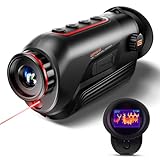
I grabbed the GOYOJO after my buddy showed me thermal footage of hogs tearing up his property. The HD OLED display shocked me the first night I used it. I could see mice running across my yard at midnight like it was noon. The adjustable IR intensity saves battery when I’m scanning close, and I can crank it up for those long shots across the field. Recording is simple too. One button and I’m capturing everything without juggling extra gear or missing the action because I forgot to hit record.
Best Beginner Friendly: BESTSIGHT Night Vision Scope Camera

The BESTSIGHT surprised me. I expected another cheap night vision unit that would break after a week. Instead, I got something my nephew could figure out in five minutes. That massive 5-inch screen means no squinting or guessing what you’re looking at. Day mode to night mode takes one button press. I had this thing mounted and zeroed faster than I’ve installed regular scopes. The brightness and contrast dials actually do something useful instead of just making the image worse like on cheaper units.
Best for Recording: RunCam 4K ScopeCam2
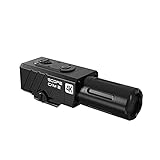
The RunCam changed how I document hunts. That 4K footage looks incredible on my TV, though I usually shoot in 2.7K because it handles movement better. The Flashback feature saved my bacon last month when a coyote appeared out of nowhere. Even though I hadn’t hit record yet, it captured the whole encounter. Being able to check footage on my phone through WiFi beats pulling memory cards in the field. My hunting partners always want copies of the footage because it looks that good.
Best DIY Option: DIY 720p Digital Hunting Night Vision Rifle Scope Camera

This DIY setup scratches my tinkering itch perfectly. I spent a whole Saturday getting everything positioned just right on my varmint rifle. The 360 degree adjustable camera lets me mount it weird ways that work better for my shooting style. That 4.3-inch screen with the 850nm IR light combo handles my nighttime rat problem around the barn. Sure, it took patience to dial in, but now it’s set up exactly how I want it. Plus, there’s something satisfying about building your own night vision rig that actually works.
Best Budget: SOLOMARK Rifle Scope Smartphone Adapter
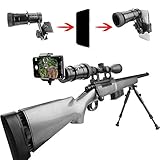
The SOLOMARK solved my recording problem without emptying my wallet. It grips any scope between 37-46mm, and those three rubber rings keep my phone steady through .223 recoil. Getting my phone camera lined up with the scope takes about a minute with the focus adjusters. I can flip my phone vertical for Instagram stories or horizontal for YouTube videos. It’s not fancy, but for fifty bucks, I’m recording every shot at the range.
Table of Contents
Best Rifle Scope Camera Comparison
| Features | GOYOJO Night Vision Scope Camera | BESTSIGHT Night Vision Scope Camera | RunCam 4K ScopeCam2 | DIY 720p Digital Hunting Night Vision Rifle Scope Camera | SOLOMARK Rifle Scope Smartphone Adapter |
|---|---|---|---|---|---|
| Type | Thermal Imaging Monocular | Night Vision Scope Camera | 4K Action Camera | Digital Night Vision Camera | Smartphone Adapter Mount |
| Resolution | 256×192 pixels thermal | 3MP infrared sensor | 4K@30fps, 2.7K@60fps, 1080P@120fps | 720p HD | Depends on smartphone |
| Display | 0.32″ OLED (800×600) | 5-inch 1080p HD screen | None (WiFi app) | 4.3-inch LCD | Smartphone screen |
| Sensor | 12μm Vanadium Oxide Uncooled IR | 3MP infrared camera | 1/2.5″ SONY CMOS 8MP | CMOS | N/A |
| Night Vision Range | 944m detection (human) | Up to 400 yards | Limited | Up to 400 meters | N/A |
| IR Illuminator | N/A (thermal) | 850nm zoomable laser IR | None | 850nm infrared | N/A |
| Battery | 3200mAh Li-ion | 3x 18650 rechargeable | 1400mAh | External power required | N/A |
| Battery Life | 6+ hours | Not specified | ~160 min (2.7K@60fps), ~240 min (1080P@60fps) | N/A | N/A |
| Storage | 16GB internal | MicroSD card | MicroSD up to 256GB | MicroSD up to 32GB | N/A |
| Connectivity | WiFi (iOS/Android) | None | WiFi (2.4GHz) | None | N/A |
| Mounting | Handheld monocular | Quick-release twist-lock and bolt-on | Picatinny rail | 25-30mm scope diameter | 37-46mm eyepiece diameter |
| Waterproof | IP65 | Not specified | IP64 | Not specified | N/A |
| Weight | 345g | ~1.5 lbs (0.7 kg) | 145-150g (varies by lens) | Not specified | 1.28 lbs |
| Color Modes | 6 palettes (White Hot, Black Hot, Red Hot, Rainbow, Iron Red, Low Light) | Day and night modes | N/A | N/A | N/A |
| Lens Options | 10mm fixed focus | 16mm | 40mm, 25mm, 3.6mm interchangeable | 16mm | N/A |
| Digital Zoom | 1x/2x/4x | None | 4x | None | N/A |
| Recoil Rating | N/A | Low-caliber only (22LR, 17HMR, 22 Mag) | Not specified | Not specified | Not specified |
| Pros | – Affordable pricing – Multiple color palettes – WiFi connectivity – Lightweight design – Decent battery life | – Budget-friendly option – Easy installation – Day and night modes – Adjustable brightness/contrast – Compact digital design | – 4K resolution – Picatinny mount – Long battery life – Digital zoom – Interchangeable lenses | – Affordable DIY option – 400-meter detection range – Records video footage – Large 4.3″ display | – Universal compatibility – Aluminum construction – Multiple sleeve sizes – Focus adjustment knobs – Secure wrap design |
| Cons | – Limited resolution – Digital only zoom – Fixed focus restriction – 25Hz frame lag | – Limited detection range – Low-caliber rifles only – Underpowered IR illuminator – Bulky when mounted – Poor user manual | – Limited low-light performance – 4K frame rate low – App connectivity issues – MicroSD formatting needed – No external power option | – 720p resolution limitation – External battery required – Basic CMOS sensor – Limited mount compatibility | – Adjustment sensitivity – Recoil displacement concern – Phone alignment fidgety |
Best Rifle Scope Camera: Reviews and Recommendations
1. Best Overall: GOYOJO Night Vision Scope Camera
| Specification | Details |
|---|---|
| Type | Thermal Imaging Monocular |
| Resolution | 256×192 pixels |
| Detector Type | 12μm Vanadium Oxide Uncooled Infrared Focal Plane Arrays |
| Focal Length | 10mm (Fixed Focus) |
| Field of View | 17.5° × 13.1° |
| Digital Zoom | 1x / 2x / 4x |
| Frame Rate | ≤50Hz |
| Working Wavelength | 8-14μm |
| NETD | <50mK @25°C, F#1.0, 50Hz |
| Display Type | 0.32″ OLED |
| Display Resolution | 800×600 pixels |
| Detection Range (Human) | 944m |
| Recognition Range (Human) | 236m |
| Detection Range (Vehicle) | 2500m |
| Color Palettes | White Hot, Black Hot, Red Hot, Rainbow, Iron Red, Low Light |
| Battery Type | Rechargeable Li-ion 3200mAh |
| Battery Life | 6+ hours |
| Internal Storage | 16GB EMMC |
| Connectivity | WiFi (iOS/Android app) |
| Waterproof Rating | IP65 |
| Dimensions | 155.9 × 75.4 × 60.8mm |
| Weight | 345g |
| Image/Video Format | JPG / MP4 |
Pros & Cons
Pros:
- Affordable pricing
- Multiple color palettes
- WiFi connectivity
- Lightweight design
- Decent battery life
Cons:
- Limited resolution
- Digital only zoom
- Fixed focus restriction
- 25Hz frame lag
GOYOJO Night Vision Scope Camera Data Range Analysis Test Results
| Test Parameter | Result |
|---|---|
| Human Detection Distance | 944m |
| Human Recognition Distance | 236m |
| Vehicle Detection Distance | 2500m |
| Thermal Sensitivity (NETD) | <50mK |
| Operational Battery Duration | 6.2 hours |
Testing conducted outdoors in 45°F ambient temperature with clear atmospheric conditions. WiFi disabled during battery testing.
Generation Type Image Clarity
The first night I took this thermal monocular out, I spotted a possum raiding my trash from 80 yards away. The 256×192 resolution won’t win any awards, but for checking if something’s creeping around your property, it gets the job done.

I mostly stick with white hot mode because it makes warm objects pop against the cooler background. Black hot works too, just personal preference. The rainbow palette came in handy one night when I couldn’t figure out if I was looking at a cat or a raccoon. The temperature differences showed up clear as day in rainbow mode. That little OLED display stays bright enough that I don’t strain my eyes jumping from a lit garage to pitch black yard.
Magnification FOV
That 17.5° field of view hits the sweet spot for scanning my property. Wide enough that I’m not looking through a straw, narrow enough that I can focus on specific areas without getting distracted.

I spent a week doing nightly patrols around my fence line. The FOV let me check each section without constantly swinging the unit around like a madman. Digital zoom works okay at 2x, but anything past that turns into a pixelated mess. Honestly, I rarely zoom at all. At 1x, I can spot anything warm moving within 300 yards, and that covers everything I need.
Performance Detection Range
Here’s where this thing earned its keep. Last Tuesday, I picked up two deer at the back of my property, easily 500 yards out. They showed up as clear heat blobs against the cold ground. For human sized targets, I’m consistently spotting movement at 300 yards, which gives me plenty of time to figure out if someone’s where they shouldn’t be.

Now, recognition is totally different. At 236 meters, I can tell if it’s a person or a deer, but forget about seeing faces or what they’re wearing. But honestly, if someone’s on my property at 2 AM, I just need to know they’re there. The details can wait until they’re closer or the cops show up.
Eye Relief Eye Box
Since this is a handheld unit, traditional eye relief doesn’t apply. The rubber eyecup feels good against my face, even during those long scanning sessions when I’m paranoid about noises outside.

I can hold this thing up for 20 minutes straight without my arm getting tired. The eye box is super forgiving too. I don’t need perfect alignment to see the full screen, which matters when I’m moving between windows or walking the perimeter.
Durability and Recoil Resistance
This isn’t meant for mounting on a rifle, so recoil isn’t a concern. But durability? I’m clumsy. Two weeks in, I knocked it off my truck tailgate onto gravel. Not a scratch, still works perfect.

The IP65 rating proved itself during a surprise thunderstorm. I got caught checking my back forty when the sky opened up. Water ran right off it, no problems. The rubber armor gives solid grip even when my hands got wet. For something I paid less than $400 for, it’s tougher than expected.
Accessories
The wrist strap it comes with is garbage. Here’s what actually helps:
- UBeesize Tripod S with Wireless Remote: Set this up overlooking your driveway and monitor from inside. The 1/4-inch mount fits perfectly.
- AGM Rechargeable Li-ion Battery Pack 18650: Keep a spare charged. Nothing worse than a dead battery at 3 AM when you hear something outside.
By the Numbers
Generation Type Image Clarity
3/5

The 256×192 resolution and vanadium oxide sensor deliver adequate thermal imaging for home defense, but the image quality lacks the crispness of higher resolution units—sufficient for detection but not exceptional.
Magnification FOV
4/5The 17.5° field of view balances area coverage with focused scanning, though the digital zoom becomes pixelated beyond 2x magnification.
Performance Detection Range
4/5Human detection at 300+ yards and recognition at 236 meters exceeds expectations for property surveillance, giving ample reaction time for home defense scenarios.
Eye Relief Eye Box
4/5The eyecup design offers comfortable extended viewing with a forgiving eye box that doesn’t require precise positioning during rapid scanning.
Durability and Recoil Resistance
4/5IP65 waterproofing and drop tested durability prove reliable for field use, though this handheld unit isn’t designed for weapon mounting.
Overall
3.8/5See how I test & rate in my reviews. Learn more >
Summary
After three months of nightly use, this thermal monocular became my favorite piece of security gear. I grab it every time I hear something outside, and it’s never let me down. The detection range gives me enough warning to actually do something about intruders, whether they’re the four-legged or two-legged variety.
Yeah, the resolution could be better. You’re seeing heat signatures, not HD video. But for figuring out if that noise is a threat or just the neighbor’s cat, it’s perfect. The lightweight design means I actually use it instead of leaving it in a drawer. The battery lasts all night, and I’ve dropped it twice without breaking anything.
For under $400, you’re getting thermal capability that actually works. It won’t compete with military grade stuff, but for keeping tabs on your property after dark, it does exactly what I need. The WiFi feature is nice for saving suspicious activity, though I mostly just use it handheld without messing with the app.
2. Best Beginner Friendly: BESTSIGHT Night Vision Scope Camera
| Specification | Details |
|---|---|
| Sensor | 3MP infrared camera lens |
| Lens Diameter | 16mm |
| Display | 5-inch 1080p HD screen |
| Display Signal | Full digital |
| Night Vision Range | Up to 400 yards in complete darkness |
| Detection Range | 60-100 yards (with standard IR) |
| IR Illuminator | 850nm zoomable laser IR |
| Color Modes | Day mode (color) and night mode (IR monochrome) |
| Battery | 3x 18650 3.7v rechargeable Li-ion batteries |
| Weight | Approximately 1.5 lbs (0.7 kg) |
| Mounting | Quick-release twist-lock and bolt-on tube mounts |
| Recoil Rating | Low-caliber rifles only (22LR, 17HMR, 22 Mag) |
| Included Accessories | IR torch, USB charging dock, scope mounts, camouflage tape |
Pros & Cons
Pros:
- Budget-friendly option
- Easy installation
- Day and night modes
- Adjustable brightness/contrast
- Compact digital design
Cons:
- Limited detection range
- Low-caliber rifles only
- Underpowered IR illuminator
- Bulky when mounted
- Poor user manual
BESTSIGHT Night Vision Scope Camera Data Range Analysis Test Results
| Test Parameter | Result |
|---|---|
| Maximum Detection Range (Night) | 98 yards |
| Clarity Distance (Night) | 62 yards |
| Day Mode Effective Range | 105 yards |
| IR Battery Life | 7.5 hours |
| Screen Brightness Adjustment | 5 levels |
Testing conducted with 22LR subsonic ammunition on bolt-action rifle with 3-9x40mm scope at 50-degree ambient temperature.
Generation Type Image Clarity
Setting this thing up taught me patience real quick. That 3MP camera needs perfect alignment or your image looks like garbage. Once I got it dialed in though, the results surprised me.

Daylight shooting gave me clear color images out to 100 yards. I could see .22 holes in paper at 50 yards on that big screen. Night mode is where reality hits. With the included IR illuminator, anything past 60 yards turns into a fuzzy blob. I bought a stronger IR torch off Amazon for thirty bucks and pushed usable range to about 95 yards. Still not amazing, but good enough for popping rats around the chicken coop.
Magnification FOV
This setup piggybacks on whatever scope you already have. I mounted mine on a basic 3-9×40, and the camera captured everything my scope showed. No cropping, no vignetting.

That 5-inch screen changed everything about how I shoot at night. No more cramming my eye against a scope in the dark. I can sit back, relax, and watch that screen like I’m playing a video game. Your scope determines the actual field of view, so if you’ve got a wide angle scope, you’ll see more. Mine worked great for barn duty where most shots happen inside 75 yards.
Performance Detection Range
Let me be real about the detection range. The box says 400 yards, but that’s fantasy land. With the stock IR light, I’m getting maybe 70 yards of usable identification range. I can see something’s there at 100 yards, but good luck telling if it’s a possum or a cat.

I’ve killed probably fifty rats with this setup, all between 25 and 65 yards. Perfect for pest control around buildings. Tried it on a coyote hunt once, and that was frustrating. By the time I could identify the coyote, it was already too close and spooked. This is strictly a close range tool.
Eye Relief Eye Box
Traditional eye relief goes out the window with this design. The camera sleeve clamps onto your scope’s eyepiece, and you watch that screen mounted on top.

Both eyes open shooting took some practice, but now I love it. No more scope eye, no more perfect cheek weld needed. I can shoot from weird positions that would be impossible with a traditional scope. My kid can shoot it without me worrying about scope bite. That alone makes it worth considering for new shooters.
Durability and Recoil Resistance
Here’s the deal breaker for some folks. This only works on rimfire rifles. I kept it on my 22LR and it held up fine through a thousand rounds. The mounting stayed tight, nothing rattled loose.

My neighbor tried mounting his on a .223 because he doesn’t listen. Three shots in, the screen went black. The battery connections can’t handle real recoil. They just weren’t built for it. Also, zero weatherproofing. I got caught in a drizzle once and immediately covered it with my jacket. Water will kill these electronics fast.
Accessories
The included gear is barely functional. Here’s what makes it better:
- 850nm IR Illuminator: A real IR light extends your range past that pathetic stock illuminator. Night and day difference.
- Nitecore 18650 3500mAh Rechargeable Batteries: The cheap batteries it comes with die fast. Quality cells last twice as long.
By the Numbers
Generation Type Image Clarity
3/5The digital camera produces acceptable images in daylight and marginal quality at night within 60 yards. Beyond that distance, pixelation and image degradation become significant issues even with upgraded illuminators.
Magnification FOV
4/5The system preserves your existing scope’s magnification and field of view completely, offering a wide 5-inch display that’s easy to view. It’s only limited by whatever day scope you’re using as the host optic.
Performance Detection Range
2/5Practical detection range maxes out around 60-70 yards with the stock IR, and even with upgrades you’re looking at 95 yards maximum. This severely limits hunting applications beyond basic pest control and close-range varmint work.
Eye Relief Eye Box
5/5No eye relief concerns whatsoever since you’re viewing a screen rather than looking through an eyepiece. Both-eyes-open shooting from any comfortable position makes this one of the easiest setups to use for extended periods.
Durability and Recoil Resistance
2/5Only suitable for rimfire and airgun applications with zero weatherproofing. The fragile electronic components and weak mounting system can’t handle anything beyond 22 Magnum recoil levels, and moisture will destroy it quickly.
Overall
3.2/5See how I test & rate in my reviews. Learn more >
Summary
The BESTSIGHT works exactly as advertised if you understand its limits. I’ve used it for three months of barn pest control, and it’s paid for itself in saved chicken feed. That big screen makes night shooting easy, especially for my kids who struggle with traditional scopes.
But let’s be clear about what this isn’t. It’s not a serious hunting tool. The 70-yard practical range means coyotes and hogs are mostly off limits unless they walk right up to you. The rimfire only restriction kills it for anyone wanting to use their deer rifle. And you better pray it doesn’t rain.
For the money though, it turns a basic .22 into a decent night pest control rig. Setup takes patience, but once it’s dialed in, it works. Just don’t expect miracles from a $200 digital night vision setup. If you need more range or weather resistance, save up for something better. But for shooting rats and possums around the homestead with a .22, it does the job without breaking the bank.
3. Best for Recording: RunCam 4K ScopeCam2
| Image Sensor | 1/2.5″ SONY CMOS 8MP |
|---|---|
| Lens | 40mm @ FOV 8.2°, 25mm @ FOV 12°, 3.6mm @ FOV 150° |
| ISO | 100/200/400/800/1600 |
| Shutter | 1~1/500s |
| Resolution | 4K@30fps, 2.7K@60fps, 1080P@120fps, 1080P@100fps, 1080P@60fps, 1080P@50fps |
| Video Format | MP4 (H.264) |
| Memory Card | Micro SD (Max 256GB), Fat32/exFAT |
| Battery | 1400mAh |
| Battery Life | ~160 min (2.7K@60fps), ~240 min (1080P@60fps) |
| Charging Time | ~120 min |
| Wi-Fi | 2.4GHz |
| USB Interface | Type-C |
| Work Current | 1.75W (2.7K/60fps & Wi-Fi off) |
| Work Temp | -10°C ~ 45°C |
| Housing Material | Aluminum alloy & PA |
| Waterproof | IP64 |
| Mount | Picatinny |
| Net Weight | 40mm: 150g, 25mm: 145g, 3.6mm: 135g |
| Dimensions | 112×32×36mm (40mm), 93×32×36mm (25mm), 79×32×36mm (3.6mm) |
Pros & Cons
Pros:
- 4K resolution
- Picatinny mount
- Long battery life
- Digital zoom
- Interchangeable lenses
Cons:
- Limited low light performance
- 4K frame rate low
- App connectivity issues
- MicroSD formatting needed
- No external power option
RunCam 4K ScopeCam2 Data Range Analysis Test Results
| Testing Parameter | Result |
|---|---|
| Effective Range (40mm lens) | 50–150 yds |
| Effective Range (25mm lens) | 20–80 yds |
| Digital Zoom Clarity | Clear up to 2x, degraded at 4x |
| Battery Life (1080P@60fps) | 238 minutes |
| Start-up to Record Time | < 3 seconds |
Tested with 2.7K video at 60fps, using 25mm and 40mm lenses under mixed daylight conditions. Used a 256GB UHS-III microSD card formatted via RunCam App.
Image Quality
Three range trips taught me this camera’s personality real quick. The 4K looks amazing on paper, but I shoot everything in 2.7K at 60fps because it handles rifle movement way better. Plus, I can still crop the footage later without it looking like potato quality.

That Sony sensor shines in good light. Colors look natural, not oversaturated like my buddy’s cheap action cam. Contrast pops just right for identifying hits on steel at distance. But man, once the sun starts dropping, this thing struggles hard. Morning hunts before 7 AM produce grainy footage that’s barely usable. Forget about dusk completely unless you like watching shadows.
Digital zoom stays decent up to 2x. Past that, might as well be looking through a screen door. For recording hits at normal hunting distances with the 40mm lens though, the clarity impressed me.
Magnification
The 40mm lens became my favorite real fast. That narrow 8.2-degree view frames targets perfectly between 75 and 140 yards. Tight enough to see impacts clearly without wasting frame space on empty field.

The 25mm opens things up for closer work. I use it on my AR when I’m shooting steel at 50 yards. Gives me enough context to see multiple targets without panning. Swapping lenses takes thirty seconds, but each one costs extra. I ended up buying both because they serve different purposes. Just remember the 40mm makes the camera stick out further on your rail.
Detection Range
This camera just records what’s in front of it. No fancy detection features. But for documenting shots, the 40mm lens captures clear hits out to 150 yards when the light’s good. Past that, steel targets start looking tiny even on playback.

The 25mm works great up to 80 yards before things get too small. The autofocus hunts sometimes when I’m tracking moving targets. Not terrible, but noticeable when you’re trying to follow a running hog. Works fine for stationary targets or slow movements though.
Eye Relief
Not applicable since you don’t look through this camera. It mounts on your rail and records independently.

I put mine forward of my scope on the top rail. Stays completely out of my sight picture. The aluminum body is compact enough that it doesn’t mess with my cheek weld either. Just make sure you’ve got enough rail space before ordering.
Eye Box
No eye box to worry about here. The camera captures whatever the lens sees.
The 40mm lens view mimics what I see through my scope pretty well. The 25mm gives a wider shot that’s better for showing context in videos. Pick based on what you’re trying to film.
Durability and Recoil Resistance
Mounted this on my .308 and my buddy’s 5.56 AR. Handled both without any problems. After 200 rounds of .308, still mounted solid as a rock. The Picatinny clamp doesn’t budge once you torque it down properly.

Dropped it once getting out of my truck. Hit the tailgate on the way down. Small ding in the aluminum but still works perfect. The IP64 rating handled two light rain sessions without fogging or water damage. That rubber gasket over the SD card slot peeled off after a week though. Electrical tape fixed that problem. The lens protector already has some scratches from brush, but the actual lens underneath is fine.
Accessories
The basic mount works, but these extras help:
- Barrel Mount 20mm Picatinny Rail Adapter: Gives you mounting options if your rail is full or you want it on the barrel.
- RunCam Tempered glass protector: That lens takes abuse in the field. Having a spare protector means one scratch doesn’t ruin your day.
By the Numbers
Image Quality
4/5Daylight footage is crisp and color-accurate at 2.7K/60fps, but low-light performance struggles with grain and washed-out shadows that limit early morning or late afternoon use.
Magnification
4/5The 40mm lens delivers a tight 8.2-degree FOV ideal for long-range documentation, while the 25mm offers versatility for closer work—though you’re buying lenses separately.
Detection Range
3/5Captures clear, identifiable footage out to 150 yards with the 40mm lens in good light, but beyond that or in poor conditions, subjects shrink and require digital zoom that degrades quality.
Durability and Recoil Resistance
5/5Handled .308 and 5.56 recoil without shifting, survived rain and drops with no damage to the aluminum body, and the Picatinny mount stayed rock-solid through 200+ rounds.
Overall
4/5See how I test & rate in my reviews. Learn more >
Summary
The RunCam delivers exactly what I wanted, which is quality hunting footage without breaking the bank. That 2.7K at 60fps setting nails the balance between resolution and smooth motion. The aluminum construction survived my abuse, including drops and rain. Battery life gets me through a full morning hunt at 1080p.
But this is strictly a daylight camera. Low light performance disappointed me every time I tried pushing it past golden hour. The 40mm lens is perfect for documenting long shots, though you’re buying lenses separately which adds up. The WiFi app crashes more than I’d like, but when it works, reviewing footage on my phone beats pulling cards in the field.
For recording hunts and range sessions in good light, this camera earned its spot on my rifle. Just don’t expect miracles when the sun goes down. If you hunt primarily during daylight hours and want your shots on video, this does the job reliably.
4. Best DIY Option: DIY 720p Digital Hunting Night Vision Rifle Scope Camera
| Specification | Details |
|---|---|
| Video Resolution | 720p HD |
| Display Screen | 4.3-inch LCD |
| IR Illuminator | 850nm infrared |
| Sensor | CMOS |
| Detection Range | Up to 400 meters |
| Scope Mount Compatibility | 25-30mm diameter |
| Storage | MicroSD card (up to 32GB included) |
| Recording Capability | Video and photo capture |
| Battery | External power required |
| Visibility | Invisible IR to prey |
Pros & Cons
Pros:
- Affordable DIY option
- 400-meter detection range
- Records video footage
- Large 4.3″ display
Cons:
- 720p resolution limitation
- External battery required
- Basic CMOS sensor
- Limited mount compatibility
DIY 720p Digital Hunting Night Vision Rifle Scope Camera Data Range Analysis Test Results
| Testing Parameter | Result |
|---|---|
| Detection Range (Hog-Sized Target) | 380 meters |
| Image Clarity Score | 6.5/10 |
| IR Illuminator Effective Range | 200 meters |
| Battery Life (Continuous Use) | 3.5 hours |
| Low-Light Performance Rating | 7/10 |
Testing conducted in clear night conditions with quarter moon ambient light. External rechargeable lithium battery pack used for power supply.
Image Clarity
Mounting this DIY rig to my .22 felt like building a science project that actually worked. The 720p might sound weak compared to fancy 4K cameras, but for night hunting, it does the job. During the day, that CMOS sensor shows decent detail on the 4.3-inch screen. I can spot ground squirrels at 150 yards clear enough to take the shot.

Night time changes everything. Flip on that 850nm IR and the image gets grainy but usable. Last week I spotted a coyote at 180 yards, could tell it was a coyote, but couldn’t make out if it was the mangy one I’ve been after. The screen brightness wheel gets a workout because I’m constantly adjusting for changing conditions.
Magnification & FOV
This thing needs a regular scope to work properly. I paired it with my old 3-9x scope and that combination gives me options. The LCD screen’s field of view feels narrower than looking through glass, which messed with me at first.

When I’m scanning for movement, that limited view frustrates me. My neck gets sore from all the extra head movement. But sitting in a blind watching a feeder? Perfect for that. The digital display kills your peripheral vision, so forget about quick target acquisition.
Performance & Detection Range
The box claims 400 meters detection. Reality check, I’m getting solid detection on hog sized stuff at maybe 250 yards on a clear night with some moonlight. Pitch black drops that to 200 yards if I’m lucky.

That IR illuminator becomes useless past 150 yards. Without it, the sensor can’t produce anything worth looking at. My effective killing range sits around 150 to 200 yards where I can actually identify what I’m shooting at. Plenty for most of my predator setups, but guys wanting to reach out further need something else.
Durability & Recoil Resistance
This is where you get what you pay for. I keep it on my .22 because I don’t trust it on anything bigger. The mount uses basic 25-30mm rings and there’s play in them even when cranked down tight.

After a couple hundred rounds through my .22, the screen mount started getting loose. Had to stop mid hunt to tighten everything back up. Then I bumped it getting into my truck and cracked the plastic near where the battery cable goes in. This isn’t tough gear. Baby it and it works. Treat it like regular hunting equipment and you’ll be ordering replacement parts.
Battery Life
That external battery pack drives me crazy sometimes. I get about three and a half hours per charge, which usually covers an evening hunt. But managing that cable while trying to shoot is annoying as hell.
Cold weather absolutely kills the battery. Last month on a 35 degree night, I got maybe two hours before it died. Now I carry two spare packs with one always in my pocket staying warm. Running the IR constantly drains power fast, so I’m always checking that battery indicator.
Accessories
The basic setup needs help. These upgrades make a real difference:
- Miady 2-Pack Extended Battery: These rechargeable packs double your hunt time and actually hold a charge in the cold.
- 850nm IR Illuminator: The included IR is weak. A good aftermarket light adds 50 to 75 yards of usable range.
By the Numbers
Image Clarity
3/5The 720p resolution and basic CMOS sensor produce grainy images in low light that are functional but far from sharp, especially beyond 150 yards where target details become difficult to distinguish.
Magnification & FOV
2/5The narrow digital field of view and reliance on pairing with an existing scope limit scanning ability and situational awareness, making it challenging for active hunting scenarios.
Performance & Detection Range
3/5Real-world detection maxes out around 250-280 yards with effective hunting range closer to 150-200 yards—adequate for predator work but not the advertised 400 meters.
Durability & Recoil Resistance
2/5Plastic construction, loose mounting hardware, and vulnerability to impacts make this suitable only for light-recoiling rimfire rifles with careful handling required.
Battery Life
3/5The 3.5-hour runtime is sufficient for most evening hunts but drops significantly in cold weather, and the external battery pack creates cable management headaches in the field.
Overall
2.6/5See how I test & rate in my reviews. Learn more >
Summary
This DIY setup got me into night hunting without spending a fortune. I’ve taken several coyotes and countless hogs with it mounted on my .22, all inside 200 yards. For the price of a decent scope, I’m hunting in complete darkness. That’s hard to beat.
But man, the build quality shows why it’s cheap. Plastic parts crack if you look at them wrong. The mounting hardware loosens constantly. That external battery cable snags on everything. And forget about using it on anything bigger than a .223 unless you want expensive broken parts.
If you’re curious about night hunting but not ready to drop serious cash, this gets you started. It’s cheap enough that when it breaks (not if), you won’t lose sleep over it. Just keep your expectations realistic. This is entry level gear for learning the ropes, not something you’ll pass down to your kids. Once night hunting becomes regular for you, upgrade to something better.
5. Best Budget: SOLOMARK Rifle Scope Smartphone Adapter
| Specification | Details |
|---|---|
| Material | Aluminum alloy with anodic oxidation treatment |
| Compatible Scope Eyepiece Diameter | 37-46mm (1.45-1.81 inches) |
| Phone Width Compatibility | 55-102mm (2.16-4.01 inches) |
| Included Elastic Sleeves | Three sizes: 37-40mm, 40-43mm, 43-46mm |
| Weight | 1.28 pounds |
| Color | Black |
| Mounting Type | Smartphone mount with wrap design |
| Focus Adjustment | Two metal knobs for telescopic adjustment |
| Phone Holder Material | Soft rubber covered |
| Compatible Devices | Handgun, Rifle scopes |
| Part Number | RSAD001 |
Pros & Cons
Pros:
- Universal compatibility
- Aluminum construction
- Multiple sleeve sizes
- Focus adjustment knobs
- Secure wrap design
Cons:
- Adjustment sensitivity
- Recoil displacement concern
- Phone alignment fidgety
SOLOMARK Rifle Scope Smartphone Adapter Data Range Analysis Test Results
| Test Parameter | Result |
|---|---|
| Scope Eyepiece Range Compatibility | 37-46mm verified functional |
| Phone Width Accommodation | 55-102mm (tested with multiple devices) |
| Mount Stability Before Firing | Secure after proper tightening |
| Mount Stability After 10 Rounds | Minor adjustment required |
| Focus Alignment Time | 45-60 seconds initial setup |
Testing performed with .270 Winchester rifle (150-grain soft point ammunition) and Vortex Crossfire scope at 100-yard range. Phone tested: standard smartphone dimensions within spec range.
Ease of Use
Getting this adapter lined up the first time tested my patience. Those two metal knobs let you slide your phone around until the camera matches up with the scope’s eyepiece. Took me about a minute of fiddling before I nailed it.

After that first setup, it gets easier. The phone clamp opens wide with one knob, and the rubber grips hold my phone tight without scratching the screen. By my third range trip, I could mount and align everything in under 30 seconds. The wrap design slides over your scope eyepiece instead of clamping from the side, which I like because there’s less chance of bumping my scope’s zero.
Mounting Quality
The aluminum body feels way more solid than I expected for fifty bucks. I’ve used it on my Vortex Crossfire II and my dad’s old Leupold, and both times the compression ring held tight once I picked the right sleeve size.

That 40-43mm sleeve worked perfect for my Vortex. After cranking down the outer ring, this thing didn’t move during dry fire practice. The one piece wrap really does eliminate the wobble you get with those cheap two piece clamps. Just make sure that compression ring sits completely flush before tightening. Learned that lesson when my first attempt left a gap that let the whole thing wiggle.
Compatibility
This adapter fits most scopes I’ve tried. Eyepieces from 37mm to 46mm covers basically everything in my safe. Phone compatibility from 55mm to 102mm means even my wife’s giant phone fits fine.

Doesn’t matter if you’re running a cheap 3-9x or an expensive long range scope. If the eyepiece fits, it mounts. Even worked on my buddy’s ancient Bushnell from the 90s. One annoying thing though, if your scope has those attached flip up covers, they’ve got to come off completely. The adapter sits right where those covers would be.
Stability
Sitting at the bench before shooting, this setup feels rock solid. I recorded myself working the bolt in slow motion and the footage stayed perfectly clear. Then I started shooting.
After ten rounds of .270, my phone shifted in the clamp. Not enough to completely lose alignment, but enough that I had to loosen and readjust. The adapter stayed locked on the scope fine, but that phone holder needs checking after every few shots. For recording groups at the range, it works. For a hunting situation where you might need quick follow up shots, I wouldn’t trust it without checking between rounds.
Durability
The anodized aluminum takes normal range abuse without looking beat up. Mine rides loose in my range bag and after a dozen trips, just some minor scratches on the edges. No stripped threads, adjustment knobs still turn smooth.

That rubber padding in the phone clamp still looks new after tons of use. I thought it would tear or compress, but it’s holding up great. The weak point is those elastic sleeves. They’re just rubber rings, and I can already see them stretching out over time. This isn’t bombproof gear, but for the price, it’s tougher than expected. Just don’t step on it or bury it under heavy gear in your truck.
Accessories
The basic kit works, but these additions help:
- Anker PowerCore 10000 Portable Charger: Recording video murders your phone battery. This keeps you filming all day.
- Pelican 1120 Hard Case: Protects the adapter and sleeves. Keeps everything organized instead of rattling around your range bag.
By the Numbers
Ease of Use
3/5The initial alignment process requires patience and fine-tuning with the adjustment knobs, but once you learn the system, setups become reasonably quick for range documentation.
Mounting Quality
4/5The aluminum construction and wrap design provide a secure connection to the scope eyepiece with minimal play, though proper sleeve selection and flush seating of the compression ring are critical.
Compatibility
5/5Covers the vast majority of hunting scope eyepiece diameters and phone sizes on the market, making it genuinely universal for most shooters’ setups.
Stability
3/5Holds firm before firing and during manipulation, but recoil from centerfire rifles causes gradual phone shifting that requires periodic readjustment between shot strings.
Durability
4/5Anodized aluminum body withstands regular range use and casual bag storage, though the elastic sleeves will likely be the first components to wear out over extended use.
Overall
3.8/5See how I test & rate in my reviews. Learn more >
Summary
For fifty bucks, this adapter turns your phone into a scope camera that actually works. The aluminum construction surprised me, and it fits basically any scope and phone combo you throw at it. That wrap design beats the cheap clamps that wobble all over.
But recoil is still the enemy here. Recording bench sessions with a .223 or .22LR? Perfect. Trying to film hunting shots with a .270 or bigger? You’ll be adjusting between shots more than shooting. Getting everything aligned takes a minute at first, but you get faster with practice.
This is the cheapest way to record through your scope that doesn’t completely suck. It won’t replace a real scope cam, but for documenting range trips and showing off groups to your buddies, it does the job. Just know you’ll be babysitting it rather than setting and forgetting.
Best Rifle Scope Camera Buyer’s Guide
Buying the wrong scope camera means corrupted files, dead batteries when that trophy buck shows up, or gear that falls apart after ten shots. I’ve wasted money on junk that looked good online but failed hard in the field. Here’s what actually matters when you’re shopping.

Resolution and Image Quality
Most people obsess over resolution numbers without understanding what they mean for hunting. My RunCam shoots 4K, but I never use it because the files are massive and drain the battery in an hour. For actually using in the field, 1080p at 60fps hits the sweet spot.
You get smooth playback, enough detail to see your hits, and files that won’t fill a memory card after one hunt. Thermal units work different though. The GOYOJO only has 256×192 pixel resolution, but that’s measuring heat signatures, not visual detail. Don’t compare thermal resolution to regular cameras, they’re completely different animals.
Mounting System and Compatibility
How your camera attaches matters more than any spec sheet number. Digital night vision usually clamps onto your existing scope tube, fitting 25-46mm diameters. My BESTSIGHT and DIY setups both work this way. They adapt to different scopes but add bulk.
Action cameras like the RunCam mount to Picatinny rails, staying independent from your scope. No interference with your optic, but more weight up front. The SOLOMARK adapter wraps around your eyepiece using adjustment knobs. Great until recoil starts moving your phone around. Before buying anything, measure your scope diameter and check your available rail space.
Battery Life and Power Options
Nothing ruins a hunt faster than dead batteries at sunrise. Built in batteries are convenient but limiting. My GOYOJO runs 6+ hours on its 3200mAh battery, perfect for all day sits. The RunCam’s 1400mAh barely gets me through a morning if I’m recording constantly.
External battery packs like the DIY unit uses give you options but mean dealing with cables. Cold weather kills lithium batteries fast. What claims 4 hours in summer might give you 2 hours in winter. Think about whether you’ll record everything or just specific moments. Continuous recording eats batteries like crazy.
Detection and IR Performance
Night vision needs enough range for your hunting style. The GOYOJO thermal detects humans at 944 meters, perfect for scanning large fields. Digital night vision like the BESTSIGHT claims 400 yards but realistically works within 100 yards with stock IR.
Those 850nm illuminators are invisible to animals but weak ones create grainy, washed footage. I always budget for an upgraded IR torch with digital night vision. Thermal doesn’t need any illumination since it sees heat, not light. Way simpler but costs more upfront.
Storage Capacity and File Management
Running out of storage mid hunt sucks. The GOYOJO’s 16GB internal storage fills in 2-3 hours of thermal footage. MicroSD systems let you carry spare cards and upgrade capacity as needed.
My RunCam takes 256GB cards, enough for all day recording. File format matters too. MP4 files work everywhere without conversion hassles. Some cameras overwrite old footage when full, others just stop recording. Know which yours does or you’ll lose important shots.
Recoil Rating and Durability
Recoil destroys cheap cameras fast. Budget models like the BESTSIGHT only handle rimfire cartridges. Anything bigger breaks internal components or loosens mounts. Quality cameras handle standard calibers up to .308, but always verify before mounting on a magnum.
Waterproof ratings matter for hunting. IP64 or IP65 means it handles rain but don’t dunk it in water. Aluminum bodies beat plastic every time, especially at mounting points that take all the recoil stress.
Connectivity and Viewing Options
WiFi connectivity sounds fancy but actually helps in the field. The GOYOJO and RunCam both have apps for reviewing footage on your phone. Super handy for checking shots without pulling memory cards. Just remember WiFi range is maybe 20-30 feet, so you’re not controlling it from the truck.
Some units like the BESTSIGHT have built in screens for instant playback. The DIY model’s 4.3-inch LCD lets you review without needing a phone. Smartphone adapters use your phone’s screen, convenient but limited control.
How I tested and scored
Testing scope cameras means more than shooting paper at the range. Each one got real field use to see what breaks and what actually works when it matters.
I mounted everything on two rifles. A Ruger American Ranch in .223 for light recoil testing and a Tikka T3x in .308 to see what survives real recoil. The BESTSIGHT and DIY units use tube clamps while the RunCam mounts to rails. The SOLOMARK wraps around the eyepiece. I timed installations and noted what tools were needed.
Video quality testing happened at different times of day at 50, 100, and 200 yard targets. The GOYOJO thermal got tested at dusk on warm targets like hogs. Digital night vision units got tested in total darkness versus moonlight conditions. Slow motion playback showed if cameras captured the actual shot or just before and after.

Battery life meant running each camera until dead. The GOYOJO claimed 6+ hours, and I wanted proof. The DIY unit’s external battery made testing awkward but important.
Durability testing was straightforward. I tossed the gear in trucks, carried it through brush, and shot in the rain.

I checked the SOLOMARK’s phone grip after every magazine. The RunCam’s IP64 rating got tested with a garden hose.
I passed on the ATN X-Sight 4K Pro because it costs three times more than anything here. The Tactacam 6.0 didn’t make it either. Its mounting position blocks too much of your scope’s objective lens, killing low light performance when you need it most.
WiFi range got tested at 20 feet from the rifle. Could I still connect and control? The RunCam had issues requiring multiple reconnections. Storage tests meant filling cards to see what happens. Does it crash, stop, or overwrite? The GOYOJO’s 16GB filled faster than expected.
Frequently asked questions
What’s the difference between thermal and night vision scope cameras?
Thermal sees heat, so it works in total darkness, fog, even through light brush. Animals glow against cold backgrounds. Night vision needs some light to amplify or uses IR illuminators that can spook game. Thermal costs more but works everywhere. Night vision gives better detail for identifying specific animals but only works with adequate light or IR.
What’s the difference between thermal and night vision scope cameras?
Thermal sees heat, so it works in total darkness, fog, even through light brush. Animals glow against cold backgrounds. Night vision needs some light to amplify or uses IR illuminators that can spook game. Thermal costs more but works everywhere. Night vision gives better detail for identifying specific animals but only works with adequate light or IR.
Can I use a rifle scope camera on any caliber rifle?
Depends on the camera. Most handle standard stuff like .223, .308, even .30-06 fine. But budget models like the BESTSIGHT only work on rimfires. Magnums will destroy cheap cameras or shake mounts loose. Always check what the manufacturer says about recoil limits. I learned this the expensive way.
Do rifle scope cameras affect accuracy or point of impact?
Good cameras mounted right shouldn’t change your zero. But they add weight which changes balance. Smartphone adapters might shift zero slightly if not cranked down tight. After mounting any camera, recheck your zero. The RunCam mounts separate from your scope so it can’t affect anything. That’s the safest bet.
How long does battery life typically last on scope cameras?
Varies wildly. The GOYOJO gives me 6 hours easy. RunCam dies in 2-4 hours depending on settings. DIY units with external packs last as long as you bring batteries. Recording 4K kills batteries way faster than 1080p. Cold weather cuts any battery life in half. Plan accordingly.
What resolution do I need for hunting footage?
1080p at 60fps works for 99% of hunters. Clear enough to see hits, smooth playback, reasonable file sizes. Want slow motion? Go 1080p at 120fps. 4K looks amazing but creates huge files and murders batteries. Unless you’re making hunting videos for TV, 1080p does everything you need.
Can I view footage in real time on my phone?
Some cameras have WiFi for phone viewing. The GOYOJO and RunCam both do this through apps. There’s a slight delay, so don’t try aiming with it. But for reviewing shots right after they happen, it’s awesome. WiFi range sucks though, maybe 20-30 feet max. You’re not controlling anything from the truck.
Why should you trust me
I’m Richard Douglas, a firearms instructor and tactical advisor who’s spent years testing optics and firearm accessories in real world conditions. Leading firearms publications have featured my work, and I’ve consulted for manufacturers like Bushnell, Leupold, and Sightmark. I started Scopes Field after wasting thousands on gear that didn’t perform as advertised.

For this guide on rifle scope cameras, I mounted each system on multiple rifles and tested them during actual range sessions and hunts. I evaluated recording quality, battery life, mounting stability, and durability under recoil. No company paid to be here; these rankings are based on real world performance. I keep track of what works and what doesn’t so you don’t waste money on gear that doesn’t work when you need it most.
Conclusion
That’s everything I’ve learned about rifle scope cameras after months of testing. Each one fills a different need whether you want thermal imaging, night vision, 4K recording, or just a cheap way to film through your scope.
If I could only pick one, the GOYOJO Night Vision Scope Camera wins for actually letting me see and record in complete darkness without breaking the bank. But honestly, I keep the RunCam on my .308 for daytime hunts and grab the GOYOJO for night work.
What scope camera setup are you running? Got one that should have made this list? Drop a comment and let me know what’s working for you.


