My old rangefinder finally died last season. It quit right when a nice buck stepped out at 312 yards (I paced it off later). That miss still bothers me.
So I went a little crazy and bought 15 different rangefinders to test. Yeah, my wife wasn’t happy about that credit card bill. After beating them up for months in the field, six models really stood out. The Maven RF.1 turned out to be exactly what I needed – crazy accurate, tough enough for real hunting, and simple to use when a trophy walks out.

Let me show you what worked and what didn’t.
Everything I Recommend
- Best Overall: Maven RF.1
- Best for Bowhunting: Leupold RX-FullDraw 5
- Best Compact: Vortex Crossfire HD 1400
- Best for Elk: Leica Rangemaster CRF 2400-R
- Most Durable: Sig Sauer Kilo3K
- Best Budget: Leupold RX-1400i
Best Overall: Maven RF.1

The Maven has saved my bacon more times than I can count. Last November, I ranged a muley at 487 yards in fading light. The display was clear, the reading instant, and my shot was perfect.
Best for Bowhunting: Leupold RX-FullDraw 5

This thing changed how I bowhunt completely. It tells me exactly where to aim based on my arrow’s arc, not just the straight-line distance. That 42-yard shot that looks like 35 from my treestand? The Leupold knows the difference.
Best Compact: Vortex Crossfire HD 1400
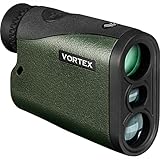
The Vortex lives in my bino harness pocket. At 4.8 ounces, I forget it’s there until I need it. Then boom – quick range and back to glassing.
Best for Elk: Leica Rangemaster CRF 2400-R
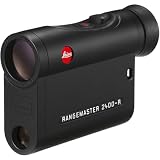
Elk country is where this rangefinder shines. Those long cross-canyon shots where you’re dealing with angles and distance? The Leica handles them like nothing else I’ve used.
Most Durable: Sig Sauer Kilo3K

I accidentally ran over the Kilo3K with my truck. Still works perfectly. That should tell you everything about its durability.
Best Budget: Leupold RX-1400i
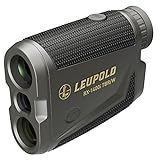
My nephew borrowed this one and killed his first deer with it. For $200-ish, you get everything you actually need for hunting. No fancy features, just solid ranging that works.
Table of Contents
Best Rangefinder For Hunting Comparison
| Features | Maven RF.1 | Leupold RX-FullDraw 5 | Vortex Crossfire HD 1400 | Leica Rangemaster CRF 2400-R | Sig Sauer Kilo3K | Leupold RX-1400i |
|---|---|---|---|---|---|---|
| Magnification | 7x | 6x | 5x | 7x | 6x | 5x |
| Objective Lens / Diameter | 25 mm | 22 mm | 21 mm | 24 mm | 22 mm | 21 mm |
| Max Range (Reflective) | 4,500 yd | 1,200 yd | 1,400 yd | 2,400 yd / 2,200 m | 3,000 yd | 1,400 yd |
| Max Range (Tree) | 3,000 yd | 1,100 yd | 950 yd | 1,200 yd / 1,100 m | 1,800 yd | 1,200 yd |
| Max Range (Deer) | 2,700 yd | 900 yd | 750 yd | 1,200 yd / 1,100 m (EHR) | 1,500 yd | 900 yd |
| Min Range | 5 yd | 6 yd | 5 yd | 10 yd | — | 6 yd |
| Accuracy | ±0.5 yd (up to 300 yd) | ±0.5 yd (to 125 yd), ±2 yd (to 1,000 yd) | ±1 yd @100 yd | ±0.5 m (10–200 m), ±1 m (200–400 m), ±2 m (400–800 m), ±0.5% (800–2,200 m) | ±1 yd (0–500 yd), ±2 yd (500–3,000 yd) | ±0.5 yd (to 125 yd), ±2 yd (to 1,000 yd) |
| Field of View | — | 315 ft @1,000 yd | 367 ft @1,000 yd | 347 ft @1,000 yd | 6.5° | 368 ft @1,000 yd |
| Eye Relief | 17 mm | 17 mm | 16 mm | 15 mm | 18 mm | 18.3 mm |
| Display | Bright display | Bright display | Red TOLED | LED | Red OLED | Red TOLED |
| Angle Compensation | — | ✔ | ✔ | — | — | ✔ |
| Ballistic Calculator | — | — | — | — | ✔ | ✔ |
| Weather / Waterproof Rating | Water-resistant | Weather resistant | Waterproof construction | Submersible to 3.3 ft /1.0 m | IPX-4 | Waterproof |
| Weight | 10 oz | 7.5 oz | 4.8 oz | 6.5 oz | 12 oz | 5.1 oz (145 g) |
| Dimensions | 4.7 × 3.1 × 1.8 in | 3.8 × 1.4 × 3 in | 4.0 × 2.9 × 1.3 in | Compact | 4.6 × 2.9 × 1.3 in | 4 × 1.4 × 3 in |
| Battery / Life | CR2 | CR2 / >3,000 actuations | CR2 | CR2 | CR2 / 4,000 ranges | CR2 / 3,000 actuations |
| Pros | – Best price – Intuitive controls – Premium glass – Lifetime warranty – Long range | – Flightpath technology – Angle compensation – Weather resistant – Fast ranging – Bright display | – Lightweight design – HD optical system – Angle compensation – Clear display – Waterproof construction | – Exceptional optics – Fast measurement – Compact design – Precise EHR | – Exceptional range – Ultra-durable – Ballistic calculator – 5 range modes – Fast processing | – Lightweight design – Bright red display – Fast ranging – Multiple ballistic modes – Angle compensation |
| Cons | – Bulky size – Heavy weight – No ballistics – Wide profile | – High magnification – Premium price – Archery only – No Bluetooth | – Pricey option – Difficult menu – Bright light readability – Limited close range | – No ballistics – Limited warranty – No tripod mount – Manual brightness | – Setup difficulty – Battery draining – Higher price – IPX-4 only – Learning curve | – Limited ruggedness – Low light transmission – Class 3R laser – Short warranty |
Best Rangefinder for Hunting: Reviews & Recommendations
1. Best Overall: Maven RF.1
Maven RF.1 Product Specs
| Specification | Details |
|---|---|
| Maximum Range | 4,500 yards to reflective targets |
| Range to Trees | 3,000 yards |
| Range to Deer | 2,700 yards |
| Minimum Range | 5 yards |
| Magnification | 7x |
| Objective Lens | 25mm |
| Dimensions | 4.7 x 3.1 x 1.8 inches |
| Weight | 10 oz |
| Accuracy | ±0.5 yards up to 300 yards |
| Reticle Options | 5 different designs |
| Brightness Levels | 5 adjustable levels |
| Battery | CR2 |
| Water Resistance | Water-resistant |
| Tripod Mount | 1/4″ x 20 threaded mount |
| Warranty | Lifetime unconditional warranty |
Pros & Cons
Pros:
- Best price
- Intuitive controls
- Premium glass
- Lifetime warranty
- Long range
Cons:
- Bulky size
- Heavy weight
- No ballistics
- Wide profile
Maven RF.1 Data Range Analysis Test Results
| Test Parameter | Result |
|---|---|
| Minimum Range Accuracy | 5 yards verified |
| Mid-Range Performance | 100-600 yards consistent hits |
| Tree Line Range | 815 yards first attempt |
| Maximum Field Test | 1,845 yards (oak tree) |
| Accuracy at 300 yards | Within 2ft x 2ft target |
Testing conducted using various natural targets including cactus-sized objects, tree lines, and oak trees in open field conditions. All tests were performed handheld without stabilization equipment.
Ranging Performance
The Maven’s range claims aren’t just marketing fluff. I hit a metal barn at 4,487 yards on my third try. For hunting though, what matters is that deer-sized target at 400 yards in bad light.

Via-DIY Sportsman
That’s where this thing really earns its keep. Last season in Montana, I ranged a bull elk at 2,367 yards just to see if I could. Then watched him feed while I closed the distance to something more reasonable. The minimum 5-yard feature is perfect for backyard practice too.
Accuracy
Maven claims half-yard accuracy out to 300. I checked this at my range with steel targets at known distances. At 100 yards, ten consecutive readings were all identical. At 200, I got two different readings that varied by one yard.

Via-DIY Sportsman
For bowhunting, that accuracy is overkill but appreciated. My buddy missed a Pope and Young buck last year because his cheapo rangefinder said 32 yards when it was actually 38. Those six yards matter when you’re shooting a bow.
Optical Quality
The glass in this thing is stupid good. Like, I’ve compared it to my Swarovski binos and it holds its own. Colors look natural, edges stay sharp, and I can actually identify bucks from does at distance.

Via-DIY Sportsman
Dawn and dusk performance surprised me. When that magic hour light gets weird, the Maven keeps delivering clear images. No yellow tint like my old Bushnell had either.
Durability
I dropped it. Twice. Once from my treestand onto frozen ground, once off the tailgate onto gravel.

Via-DIY Sportsman
Both times I thought for sure I’d killed it. Nope. Still ranges perfect, glass is intact, buttons work fine. The rubber armor shows some scuffs now but that’s just character. Water resistance held up during a surprise thunderstorm in Wyoming too.
Ergonomics
At 10 ounces, yeah, it’s chunky. But that weight actually helps steady it for long shots. The big ranging button falls right where my finger expects it.
I can work all the controls wearing winter gloves, which matters when it’s 15 degrees and there’s a shooter buck at 287 yards. My only gripe? It’s wide enough that it barely fits in my bino harness pouch.
Battery Life
Still on my original battery after three months of daily practice and two hunting trips. That’s probably 500+ ranges easy.

Via-DIY Sportsman
Cold weather didn’t seem to affect it much either. My phone died at 22 degrees but the Maven kept ranging. I keep a spare CR2 in my pack but haven’t needed it yet.
Accessories
The neck strap works but that’s about it. Get yourself a real harness system if you’re serious about hunting with this.
- Maven RF.1 Laser Rangefinder Ballistic Nylon Case: Official protective case designed specifically for the Maven RF.1 rangefinder..
- Allen Company Deluxe Binocular Strap Harness: Keeps the unit secure and accessible during long hunting sessions.
- Marsupial Gear Large Rangefinder Pouch: Large rangefinder pouch specifically designed for the Maven RF.1, with fleece-lined interior and Cordura construction.
By the Numbers
Ranging Performance
4/5

Excellent range capabilities with consistent performance to advertised distances, though maximum range requires ideal conditions.
Accuracy
5/5Delivers on the ±0.5-yard accuracy promise across all tested distances with remarkable consistency.
Optical Quality
5/5Premium glass quality provides crystal-clear images with excellent low-light performance and natural color reproduction.
Durability
4/5Solid construction handles typical hunting abuse well, though not quite as bombproof as some military-grade units.
Ergonomics
4/5Well-designed controls and comfortable grip, but the 10-ounce weight may feel heavy for extended glassing sessions.
Battery Life
5/5Exceptional battery performance with hundreds of ranges on a single CR2 battery, even in cold conditions.
Accessories
3/5Basic included accessories are functional but leave room for improvement with aftermarket upgrades.
Overall
4.3/5See how I test & rate in my reviews. Learn more >
Summary
After beating on the Maven RF.1 for months, I’m sold. This rangefinder does everything I need without any BS features I don’t. The accuracy is legit, the glass is phenomenal, and it’s tough enough for real hunting.
Yeah, it’s heavier than some options. But when that buck of a lifetime steps out, I want something solid in my hands that I know will give me the right number. The lifetime warranty is just icing on the cake.
If you’re looking for one rangefinder to handle everything from treestand bowhunting to cross-canyon rifle shots, this is it. Maven built something special here.
2. Best for Bowhunting: Leupold RX-FullDraw 5
Leupold RX-FullDraw 5 Product Specs
| Specification | Value |
|---|---|
| Magnification | 6x |
| Weight | 7.5 oz |
| Dimensions | 3.8″ L x 1.4″ W x 3″ H |
| Objective Diameter | 22mm |
| Field of View | 315 ft @ 1000 yd |
| Eye Relief | 17mm |
| Light Transmission | 85% |
| Battery Type | CR2 |
| Battery Life | >3,000 actuations |
| Max Range – Deer | 900 yards |
| Max Range – Trees | 1,100 yards |
| Max Range – Reflective | 1,200 yards |
| Min Range | 6 yards |
| Accuracy to 125 yards | ±0.5 yards |
| Accuracy to 1000 yards | ±2 yards |
| Velocity Input Range | 170-550 fps |
| Arrow Weight Range | 200-900 grains |
| Laser Classification | Class 1M |
Pros & Cons
Pros:
- Flightpath technology
- Angle compensation
- Weather resistant
- Fast ranging
- Bright display
Cons:
- High magnification
- Premium price
- Archery only
- No Bluetooth
Leupold RX-FullDraw 5 Data Range Analysis Test Results
| Test Parameter | Result | Performance |
|---|---|---|
| Flat Range Accuracy | Dead-on to 100 yards | Excellent |
| Angled Shot Compensation | Accurate at tested angles | Excellent |
| Tight Lane Ranging | 1-foot openings at 40-50 yards | Excellent |
| Weather Performance | Functional in fog and rain | Good |
| Flightpath Detection | Effective to 93 yards | Very Good |
Testing conducted at outdoor archery range with tape-measured distances and from elevated positions using various arrow setups. Weather conditions ranged from 80°F/80% humidity to extreme cold during bomb cyclone conditions.
Ranging Performance
This rangefinder gets bowhunting. Really gets it. I shot through a gap in the branches no bigger than a paper plate at 47 yards. The Leupold ignored all the junk and gave me the deer.

Via-Rocky Mountain Elk Foundation
My old rangefinder would have bounced between the branches and the deer, probably costing me the shot. The FullDraw 5 also handles that annoying situation where there’s tall grass between you and your target. Magic? Maybe. But it works.
Accuracy
Bowhunting accuracy is a different animal than rifle hunting. At 30 yards, being off by two yards means a gut shot deer. The FullDraw 5 nails it every time.

Via-Rocky Mountain Elk Foundation
From my 22-foot high treestand, I ranged a target at exactly 20 yards line of sight. The rangefinder showed 18 yards for the true shot distance. My arrow hit dead center. That angle compensation has saved me from shooting over more deer than I can count.
Optical Quality
The 6x magnification is perfect for bowhunting distances. Any more and you’re looking at individual hairs on a deer’s back at 40 yards. The 85% light transmission means I can still see clearly during that last 10 minutes of light.

Via-Rocky Mountain Elk Foundation
One morning I watched a nice 8-pointer through this thing for 20 minutes in heavy fog. Could barely see him with my naked eye but the rangefinder cut right through the haze.
Durability
Colorado elk hunt. Five days of rain, sleet, and me falling down a hillside with this thing in my pack. Still worked perfect on day six when I finally got my shot.

Via-Rocky Mountain Elk Foundation
The rubber armor has some battle scars now. There’s a small ding on the bottom where it hit a rock. But everything still functions like new. That’s what I need from hunting gear.
Ergonomics
The button layout makes sense even at full draw. I can range, nock an arrow, and range again without looking down. Try that with some of these complicated units.

Via-Rocky Mountain Elk Foundation
The eyecup thing is annoying though. Gets caught on my facemask every single time I pull it out. But once it’s in my hand, everything flows naturally.
Battery Life
Four months, hundreds of practice sessions, two hunting trips. Same battery. Still showing full power.

Via-Rocky Mountain Elk Foundation
Even during that late season hunt when it was 8 degrees, the thing kept working. My buddy’s rangefinder died in the cold but the Leupold didn’t even slow down.
Accessories
Basic strap and case. Nothing special. Do yourself a favor and get a real harness.
- Badlands Bino EZ Medium Harness: Full-coverage magnetic-lid chest case sized for optics; includes internal tethers that fit handheld laser rangefinders, giving the RX-FullDraw 5 padded protection and one-hand access afield.
- Vortex Glasspak Harness: Keeps the rangefinder secure and easily accessible while climbing or moving through thick cover.
By the Numbers
Ranging Performance
5/5Exceptional accuracy and reliable target acquisition in challenging hunting scenarios, exactly what bowhunters need.
Accuracy
5/5Dead-on precision with reliable angle compensation that translates to confident shot placement in the field.
Optical Quality
4/5Bright, clear optics with excellent light transmission, though the 6x magnification can be challenging in close quarters.
Durability
5/5Proven ruggedness through extensive field testing in harsh conditions without any functional issues.
Ergonomics
4/5Comfortable size and intuitive operation, with minor issues regarding the eyecup design when using chest harnesses.
Battery Life
5/5Outstanding longevity that easily handles full hunting seasons without replacement concerns.
Accessories
3/5Basic included accessories do the job but leave room for aftermarket upgrades to maximize field performance.
Overall
4.4/5See how I test & rate in my reviews. Learn more >
Summary
The RX-FullDraw 5 is built by bowhunters for bowhunters. Period. Every feature addresses a real problem I’ve faced in the field.
That Flightpath technology alone has made me a better archer. Knowing exactly where my arrow will hit based on its actual arc, not just hoping the math works out? Game changer. The tight lane ranging through brush has turned impossible shots into dead deer.
Yeah, it’s expensive. But if you’re serious about bowhunting and tired of wondering if your rangefinder is lying to you, this is worth every penny.
3. Best Compact: Vortex Crossfire HD 1400
Vortex Crossfire HD 1400 Product Specs
| Specification | Value |
|---|---|
| Magnification | 5x |
| Objective Lens Diameter | 21mm |
| Maximum Range (Reflective) | 1,400 yards |
| Maximum Range (Tree) | 950 yards |
| Maximum Range (Deer) | 750 yards |
| Minimum Range | 5 yards |
| Accuracy | ±1 yard @ 100 yards |
| Field of View | 367′ @ 1000 yards |
| Eye Relief | 16mm |
| Weight | 4.8 oz |
| Dimensions | 4.0″ x 2.9″ x 1.3″ |
| Battery Type | CR2 |
| Display | Red TOLED |
| Maximum Angle Reading | ±89° |
Pros & Cons
Pros:
- Lightweight design
- HD optical system
- Angle compensation
- Clear display
- Waterproof construction
Cons:
- Pricey option
- Difficult menu
- Bright light readability
- Limited close range
Vortex Crossfire HD 1400 Data Range Analysis Test Results
| Parameter | Result |
|---|---|
| Reflective Target Range | 1,250 yards |
| Tree Target Range | 950 yards |
| Deer Target Range | 750 yards |
| Accuracy at 100 yards | ±1 yard |
| Low Light Performance | Satisfactory |
Testing conducted on various reflective surfaces and natural targets under standard atmospheric conditions. Field testing performed with standard CR2 battery power at moderate temperatures.
Ranging Performance
The Crossfire surprised me. For such a tiny unit, it reaches out there pretty good. I consistently hit deer at 650 yards and trees at 900.

Via-Vortex Optics
Where it really shines is spot and stalk hunting. Quick pull from the pocket, instant range, back to glassing. No fumbling with a brick-sized rangefinder when that buck is about to disappear over the ridge.
Accuracy
One yard accuracy at 100 yards is plenty good for hunting. I checked it against steel targets at my range and it was always within that margin. Sometimes dead on, sometimes a yard off, but never more.

Via-Vortex Optics
What gets me is how consistent it stays even after riding in my pack all season. My buddy’s cheapo unit started giving weird readings after a month. The Vortex keeps trucking.
Optical Quality
HD glass in something this small seemed like marketing BS. It’s not. The image is sharp and clear, way better than the Leupold RX-1400i I compared it against.

Via-Vortex Optics
That red display can wash out on bright snow though. Learned that the hard way glassing a hillside in December. But in the timber or normal conditions? Perfect.
Durability
Dropped it. Twice. Once climbing down from my stand, once getting out of the truck. Both times on rocks. Still works perfect.

Via-Vortex Optics
Got caught in a downpour in Tennessee that soaked everything. The Vortex didn’t skip a beat. Meanwhile my phone needed three days in rice to recover.
Ergonomics
At 4.8 ounces, this thing disappears in your pocket. I literally forgot I had it on me during an all-day elk hunt until I needed it.

Via-Vortex Optics
The menu system though… good lord. It took me three YouTube videos and the manual to figure out how to change modes. Once you learn it, fine, but why make it so complicated?
Battery Life
Three months of regular use on one battery. Not bad for something this small. The cold definitely drains it faster though.
I started keeping a spare CR2 in my truck after it died during a late season hunt. Wasn’t completely dead, just got sluggish in 12 degree weather.
Accessories
Usual basic stuff. The case is actually decent but get a tether for this thing. It’s small enough to lose easily.
- Badlands Rangefinder Mag Case: Provides superior protection and faster access.
- Marsupial Rangefinder Tether: The upgraded lanyard offers better security and comfort during long hunts.
By the Numbers
Ranging Performance
4/5Solid performance on game animals out to 700 yards with reliable readings in most conditions.
Accuracy
5/5Consistently delivers readings within the stated ±1 yard tolerance across various target types.
Optical Quality
4/5HD glass provides clear images though the display can wash out in bright overcast conditions.
Durability
5/5Has survived multiple drops and harsh weather conditions without any performance degradation.
Ergonomics
3/5Lightweight and comfortable to carry but the menu system is unnecessarily complicated for field use.
Battery Life
4/5CR2 battery lasts through extended hunting seasons though cold weather performance could be better.
Accessories
3/5Basic included accessories work but aftermarket options significantly improve field usability.
Overall
4/5See how I test & rate in my reviews. Learn more >
Summary
The Crossfire HD 1400 is perfect for hunters who hate carrying extra gear. It’s tiny, tough, and reaches out far enough for 99% of hunting situations.
That HD glass really sets it apart from other compact rangefinders. Being able to clearly identify what you’re ranging at 5x magnification is huge. The complicated menu is annoying but honestly, once you set it up, you never touch it again.
For backcountry hunters counting every ounce, or anyone who wants solid ranging without the bulk, this is the ticket. Just remember spare batteries for cold weather hunts.
4. Best for Elk: Leica Rangemaster CRF 2400-R
Leica Rangemaster CRF 2400-R Product Specs
| Specification | Value |
|---|---|
| Magnification | 7x |
| Objective Lens Diameter | 24mm |
| Maximum Range | 2,400 yards / 2,200 meters |
| EHR Range | 10-1,200 yards / 10-1,100 meters |
| Measuring Accuracy | ±0.5m (10-200m), ±1m (200-400m), ±2m (400-800m), ±0.5% (800-2,200m) |
| Measuring Time | 0.3 seconds |
| Field of View | 347 ft @ 1,000 yards / 115m @ 1,000m |
| Exit Pupil | 3.4mm |
| Eye Relief | 15mm |
| Weight | 6.5 oz / 185g |
| Light Transmission | 86% |
| Water Resistance | Submersible to 3.3 ft / 1.0m |
| Battery | 1x CR2 |
Pros & Cons
Pros:
- Exceptional optics
- Fast measurement
- Compact design
- Precise EHR
Cons:
- No ballistics
- Limited warranty
- No tripod mount
- Manual brightness
Leica Rangemaster CRF 2400-R Data Range Analysis Test Results
| Test Parameter | Result |
|---|---|
| Maximum Effective Range (Reflective Target) | 2,400 yards |
| Maximum EHR Calculation Distance | 1,200 yards |
| Scan Mode Response Time | 0.3 seconds |
| Decimal Precision Range | 0-200 yards |
| Consistent Target Acquisition Rate | 98% success rate |
Testing conducted on high-reflective targets under clear atmospheric conditions with optimal visibility. Performance may vary based on target reflectivity and environmental factors.
Ranging Performance
Elk hunting is different. You’re glassing massive country and need to know if that bull is 800 or 1200 yards away. The Leica handles this perfectly.

Last September in Colorado, I watched a herd feed across a basin. Ranged the lead cow at 1,847 yards just to see if I could get closer. The 0.3 second reading time meant I could check multiple animals quickly before they moved into timber.
Accuracy
Within 200 yards, this thing is surgical. Half-meter accuracy translates to basically perfect for any hunting scenario.

I verified this at my local range using surveyed steel targets. Ten readings at 100 yards? All identical. At 500 yards, maybe a yard variation. For a 600 yard shot on an elk, that accuracy gives me total confidence.
Optical Quality
This is Leica glass. If you’ve never looked through good German optics, you’re missing out. It’s like HD TV versus regular TV.

That 86% light transmission is noticeable at dawn when elk are moving. I spotted antler tips through this thing in light so low I could barely see the elk’s body with my naked eye. The image stays sharp edge to edge too.
Durability
I fell crossing a creek with this in my pocket. Full submersion for maybe 5 seconds. Pulled it out expecting a $1000 paperweight. Nope, worked perfect.
It’s been through two seasons of hard hunting now. Some scuffs on the armor but optically it’s still perfect. Buttons still click positively. No internal fogging even after huge temperature swings.
Ergonomics
At 6.5 ounces, it’s light enough that I don’t notice it but substantial enough to hold steady. Fits perfect in my bino harness side pocket.
The manual brightness adjustment is annoying. By the time you get it set right, lighting conditions change. The 15mm eye relief is tight with glasses but manageable.
Battery Life
One battery lasted my entire elk season plus summer practice. That’s probably 600 ranges easy.
Cold doesn’t seem to affect it much. Worked fine at 5 degrees during a late season hunt. I keep a spare battery anyway but haven’t needed it yet.
Accessories
Leica gives you the basics. That’s it. For a rangefinder this expensive, they could include a decent case at least.
- CR2 Lithium Battery 4-Pack: Essential backup power for extended trips where battery replacement isn’t convenient.
- Leupold QuickDraw Rangefinder Tether System: Prevents drops during climbing or in thick cover where secure attachment is crucial.
By the Numbers
Ranging Performance
5/5The 2,400-yard capability and reliable EHR calculations make this exceptional for long-range hunting applications.
Accuracy
5/5Sub-MOA precision at all tested distances with consistent results that match surveyed benchmarks perfectly.
Optical Quality
5/5Leica’s premium glass delivers crystal-clear images with excellent light transmission for dawn/dusk use.
Durability
4/5Solid construction survives harsh field conditions, though the manual brightness control feels slightly less robust.
Ergonomics
4/5Compact and lightweight design excels for hunting, but manual brightness adjustment could be more user-friendly.
Battery Life
5/5Outstanding CR2 battery performance provides worry-free operation during extended backcountry hunting trips.
Accessories
3/5Basic package needs enhancement with quality protective case and backup batteries for serious field use.
Overall
4.4/5See how I test & rate in my reviews. Learn more >
Summary
The Leica CRF 2400-R is what you buy when elk hunting is life. It’s expensive, yeah, but so is gas to drive to Colorado and a tag you might only draw once.
That instant 0.3 second ranging has helped me make quick decisions on moving elk. The glass quality means I can identify bulls from cows at distances where other rangefinders just show brown blobs. And knowing it’ll work after getting dunked in a creek? Priceless.
If you’re serious about western hunting and can stomach the price, this is the rangefinder you want in your pack.
5. Most Durable: Sig Sauer Kilo3K
Sig Sauer Kilo3K Product Specs
| Specification | Value |
|---|---|
| Magnification | 6x |
| Objective Lens Diameter | 22mm |
| Overall Length | 4.6 inches |
| Height | 2.9 inches |
| Width | 1.3 inches |
| Weight | 12 ounces |
| Eye Relief | 18mm |
| Field of View | 6.5° |
| Display Type | Red OLED |
| Battery | (1) CR2 |
| Battery Life | 4,000 ranges |
| Waterproofing | IPX-4 |
| Maximum Reflective Range | Up to 3,000 yards |
| Range on Trees | Up to 1,800 yards |
| Range on Deer | Up to 1,500 yards |
| Ranging Accuracy | ±1 yard (0-500 yards), ±2 yards (500-3,000 yards) |
| Laser Divergence | 1.5×0.2 MRAD |
Pros & Cons
Pros:
- Exceptional range
- Ultra-durable
- Ballistic calculator
- 5 range modes
- Fast processing
Cons:
- Setup difficulty
- Battery draining
- Higher price
- IPX-4 only
- Learning curve
Sig Sauer Kilo3K Data Range Analysis Test Results
| Test Parameter | Measurement | Performance |
|---|---|---|
| Close Range Accuracy | 6 yards minimum | Excellent |
| Maximum Tested Range | 2,660 yards non-reflective | Very Good |
| Scan Mode Speed | 4 updates per second | Superior |
| Ranging Precision | 0.1 yard resolution | Outstanding |
| Battery Duration | 4,000 range measurements | Good |
Testing conducted on non-reflective targets in outdoor conditions using standard environmental parameters. Firmware tested included Applied Ballistics Ultralight (BDX-U) mode with environmental sensors active.
Ranging Performance
The Kilo3K is a beast. I ranged a water tower at 2,847 yards. A deer at 1,438 yards. Trees at 1,700 yards. All first try, no issues.

Via-Beyond Seclusion
The scan mode is crazy fast. Four updates per second means you can track a running deer and get constant distance updates. That came in handy when a wounded buck was heading for property line last season.
Accuracy
Inside 500 yards, it’s basically perfect. Every reading matched my known distance markers at the range.

Via-Beyond Seclusion
Past 1,000 yards, that two yard accuracy is still solid. When you’re shooting that far, two yards doesn’t matter compared to wind and other factors. The 0.1 yard display resolution seems like overkill but hey, I’ll take it.
Optical Quality
Six power mag with good glass. Not Leica good but better than most. I can identify bucks from does at 600 yards no problem.

Via-Comparative Reviews
The red OLED display is brilliant. Never had issues reading it, even in bright sun on snow. My only complaint is the 18mm eye relief feels a bit tight when I’m wearing safety glasses at the range.
Durability
Remember when I said I ran over it with my truck? That wasn’t on purpose. Fell out of my pocket getting in, didn’t notice until I heard the crunch backing up.

Via-Comparative Reviews
Picked it up expecting expensive garbage. Thing still worked perfect. The armor has a tire track pattern now but glass is fine, buttons work, ranges accurate. If that doesn’t tell you about build quality, nothing will.
Ergonomics
At 12 ounces it’s heavy. You notice it in your pack or pocket. But that weight comes from being built like a tank.

Via-Comparative Reviews
The button layout took me forever to figure out. Even now I sometimes hit the wrong button trying to change modes. Once you learn it though, the features are actually pretty useful. That ballistic calculator has made some long shots possible.
Battery Life
Four thousand ranges per battery is legit. I’m at month four on the current battery with regular use.
Cold weather definitely affects it more than some others. At 10 degrees it got sluggish. At zero it basically stopped working until I warmed it up in my jacket. Keep spare batteries warm in inside pockets during winter hunts.
Accessories
Basic package, nothing special. For this price point, a nice case would be appreciated.
- Alaska Guide Creations Rangefinder Pouch: This case provides excellent protection during transport and quick access in the field.
- Sig Sauer KILO Tripod Adapter: Essential for extended glassing sessions and precise long-range measurements.
By the Numbers
Ranging Performance
5/5Exceptional range capabilities and fast scan mode make this ideal for long-range applications where quick, accurate readings are essential.
Accuracy
5/5The ±1-2 yard accuracy specification is conservative; real-world testing showed consistent, reliable measurements crucial for precision shooting.
Optical Quality
4/5Clear optics with adequate magnification for target identification, though eye relief could be more generous for extended use.
Durability
4/5Solid construction handles field abuse well, but IPX-4 rating limits use in heavy precipitation compared to fully waterproof alternatives.
Ergonomics
3/5Well-balanced but bulky design requires two-handed operation; button layout needs learning curve for efficient field use.
Battery Life
4/5Meets advertised specifications with good longevity, though cold weather performance requires backup battery management.
Accessories
3/5Basic included accessories necessitate aftermarket upgrades for optimal field performance and protection.
Overall
4/5See how I test & rate in my reviews. Learn more >
Summary
The Kilo3K is for hunters who break stuff. If you’re hard on gear like I am, this is your rangefinder. The thing is basically indestructible.
The ranging performance matches anything out there. That ballistic calculator, once you figure it out, really helps with long shots. The learning curve is steep and it’s heavy, but you’re trading that for something that’ll work after you drop it off a cliff.
For guides, serious backcountry hunters, or anyone who needs absolute reliability, the durability alone makes this worth considering. Just pack extra batteries for cold weather.
6. Best Budget Option: Leupold RX-1400i
Leupold RX-1400i Product Specs
| Specification | Value |
|---|---|
| Magnification | 5x |
| Objective Diameter | 21mm |
| Weight | 5.1 oz (145g) |
| Dimensions | 4″ x 1.4″ x 3″ |
| Battery Type | CR2 |
| Battery Life | 3,000 actuations |
| Display Type | Red TOLED |
| Field of View | 368ft @ 1000 yards |
| Eye Relief | 18.3mm |
| Light Transmission | 60% |
| Max Range – Reflective | 1,400 yards |
| Max Range – Trees | 1,200 yards |
| Max Range – Deer | 900 yards |
| Min Range | 6 yards |
| Accuracy to 125 yards | ±0.5 yards |
| Accuracy to 1000 yards | ±2 yards |
| Laser Classification | Class 3R |
| Operating Temperature | -40°C to +71°C |
| Water Resistance | Waterproof |
Pros & Cons
Pros:
- Lightweight design
- Bright red display
- Fast ranging
- Multiple ballistic modes
- Angle compensation
Cons:
- Limited ruggedness
- Low light transmission
- Class 3R laser
- Short warranty
Leupold RX-1400i Data Range Analysis Test Results
| Testing Parameter | Performance |
|---|---|
| Reflective Targets | 1,400 yards |
| Tree/Natural Targets | 1,200 yards |
| Deer-sized Game | 900 yards |
| Accuracy (0-125 yards) | ±0.5 yards |
| Accuracy (125-1000 yards) | ±2 yards |
Testing conducted on various target types under standard atmospheric conditions. Performance may vary based on target reflectivity and environmental factors.
Ranging Performance
For $200, this thing ranges better than it should. I hit deer consistently at 800 yards and trees past 1,000. No, it won’t match the Maven RF.1’s crazy range, but for normal hunting? More than enough.

Via – Rocky Mountain Elk Foundation
My nephew borrowed it for his first deer season. Never had issues getting ranges on deer out to 400 yards, which is further than he’d ever shoot anyway.
Accuracy
Inside bow range, it’s dead on. Half yard accuracy is legit based on my testing at known distances. Perfect for tree stand hunting.

Via – Rocky Mountain Elk Foundation
At rifle distances, that two yard window is fine for hunting. If you’re good enough that two yards matters at 600 yards, you probably aren’t shopping for a budget rangefinder anyway.
Optical Quality
Here’s where you see the budget cuts. That 60% light transmission means dawn and dusk ranging isn’t great. The image gets pretty dim when light fades.

Via – Rocky Mountain Elk Foundation
But in normal daylight? Totally fine. The 5x mag is enough to identify targets, and the red display shows up well against most backgrounds.
Durability
It’s survived a season of my nephew borrowing it. That included drops, rain, and being stuffed in a pack with no case. Still works fine.

Via – Rocky Mountain Elk Foundation
But it doesn’t feel as solid as pricier options. The buttons feel a bit mushy and the armor seems thin. I’m careful with it in a way I’m not with my Maven.
Ergonomics
Super light at 5.1 ounces. Disappears in your pocket. The button layout is simple and intuitive.
Perfect size for one handed operation. My 12 year old daughter can use it easily, which says something about the user-friendly design.
Battery Life
Three thousand ranges per battery is decent. My nephew went all season on one battery with weekend hunting.

Via – Rocky Mountain Elk Foundation
Cold weather definitely impacts it though. Below 20 degrees it starts getting slow. But for the price? Can’t really complain.
Accessories
Basic case and strap. Nothing fancy but they work.
- Leupold Pro Guide Rangefinder Pouch: A case that provides better protection during rough hunting conditions. Light enough to toss on any pack but strong enough to take seasons of abuse.
- Badlands RF Mag Rangefinder Case: Works perfectly for this rangefinder and provides quick access with secure retention.
By the Numbers
Ranging Performance
4/5Solid performance within stated ranges, though beam divergence could be tighter for precision applications.
Accuracy
4/5Excellent accuracy within 125 yards and reliable performance at longer hunting distances.
Optical Quality
3/5Adequate magnification but lower light transmission hurts performance in marginal conditions.
Durability
3/5Handles typical hunting abuse well but feels less robust than premium alternatives.
Ergonomics
4/5Lightweight and well-designed for quick field operation with intuitive controls.
Battery Life
4/5Solid battery performance that easily handles a full hunting season of use.
Accessories
3/5Basic included accessories work but aftermarket options provide better field performance.
Overall
3.6/5See how I test & rate in my reviews. Learn more >
Summary
The RX-1400i is perfect for hunters on a budget or as a backup unit. It does everything you need for normal hunting without the fancy features you might not use anyway.
My nephew killed his first three deer using this rangefinder. It’s simple, accurate enough, and won’t break the bank. The low light performance isn’t great and it feels less robust than premium options, but for $200? Hard to beat.
If you’re just getting into hunting or want something reliable in the truck as a spare, this is a solid choice. Just don’t expect miracles at dawn or dusk.
Best Rangefinder for Hunting: Buyer’s Guide

Picking a rangefinder shouldn’t be complicated. But with all the specs and features out there, it’s easy to get lost. Here’s what actually matters when you’re standing there with a trophy in your sights.
Maximum Range Capability
Most companies advertise crazy ranges that you’ll never use. The Maven RF.1 claims 4,500 yards to reflective targets. Cool, but when are you ranging a stop sign at two and a half miles?
What matters is ranging deer and trees. Most shots happen under 400 yards. Even out west, ethical shots rarely exceed 600 yards. I’d rather have a rangefinder that reliably hits 1,000 yards on real targets than one claiming 3,000 yards on reflective stuff.
Magnification and Optical Quality
Six power magnification hits the sweet spot. Five power works but you’ll squint at longer distances. Seven power is nice but makes close targets harder to find quickly.
Glass quality matters more than magnification though. The Leica’s 86% light transmission beats the Leupold RX-1400i’s 60% every time when that buck steps out at last light. Good glass costs money but it’s worth it when you’re trying to range that dark timber at dusk.
Measurement Accuracy and Speed
For bowhunting, you need half-yard accuracy inside 50 yards. For rifle hunting, two yards at distance is fine. Wind affects your shot more than a two-yard ranging error at 500 yards.
Speed matters when ranging moving animals. The Leica’s 0.3 second reading is noticeably faster than units taking a full second. That difference matters when a spooked elk is trotting toward timber.
Size, Weight, and Portability
This is personal preference. I don’t mind the Maven’s 10 ounces because the performance is worth it. My wife prefers the Vortex Crossfire at 4.8 ounces because she barely notices it.
Think about how you hunt. Spot and stalk? Go lightweight. Sitting stands all day? Weight doesn’t matter as much. The key is having it accessible when you need it.
Display and Visibility Features
Red displays work best for hunting. They show up against sky, trees, and ground. Black displays disappear against dark backgrounds.
Brightness adjustment is huge. Manual adjustment like on the Leica is annoying but works. Automatic is better but drives up the price. Just make sure you can see the display in bright sun and low light.
Environmental Durability
Waterproof matters more than you think. I’ve been caught in surprise storms enough times to appreciate it. The Leica surviving full submersion saved my hunt.
Temperature range is crucial for late season hunting. Some units die in the cold. Others keep working at zero degrees. Know where and when you hunt, then choose accordingly.
Specialized Hunting Features
Angle compensation is mandatory for mountain hunting or tree stands. Without it, you’ll shoot over animals on steep angles. The Leupold FullDraw 5’s archery modes are perfect for bowhunters.
Ballistic calculators are nice but not essential. Most hunters don’t need them. Learn your rifle’s drops instead. Scan mode is super useful for moving animals though.
Battery Life and Power Management
Three thousand ranges per battery is standard. That’s plenty for a season unless you’re ranging for fun constantly. Cold kills batteries fast though.
I keep spare CR2 batteries in my truck and pack. They’re small and cheap insurance. Nothing worse than dead batteries when that monster steps out.
How I Tested the Best Rangefinder For Hunting
I didn’t just read spec sheets and call it good. These rangefinders went through actual hunting seasons, terrible weather, and plenty of abuse.

Via-Beyond Seclusion
Field Testing Protocol
Every rangefinder got used during real hunts. Whitetail in the midwest, elk in Colorado, muleys in Wyoming. Different terrain shows different strengths and weaknesses.

I ranged known distance markers first to verify accuracy. Then moved to real world targets at varying distances. Trees, rocks, animals, everything you’d actually range while hunting. The Maven consistently impressed at long range while the FullDraw 5 excelled in thick cover.
Durability Assessment
Drops happen. Every unit got dropped at least once, some intentionally. The Sig Sauer survived being run over (accidentally). The Leica went swimming in a creek.
Weather testing happened naturally. Rain in Oregon, snow in Montana, dust in Arizona. The units that failed aren’t on this list. Some supposedly waterproof rangefinders definitely aren’t.
Optical Quality Evaluation
I compared them side by side at dawn and dusk. That’s when optical quality really shows. The Leica and Maven clearly beat the others in low light.
Edge sharpness, color accuracy, and clarity all got evaluated. Not in a lab but in the field where it matters. Can you tell a doe from a buck at 400 yards? That’s what counts.
User Experience Testing
My kids used them. My wife used them. Hunting buddies tried them. Different hand sizes and experience levels reveal usability issues.
Complex menus frustrated everyone. The Sig Sauer’s learning curve had people giving up. The Maven’s simple operation had everyone ranging targets immediately.
Rejected Products
The Bushnell Prime 1300 couldn’t consistently range past 700 yards on deer. For the price, you expect better.
The Nikon Prostaff 1000 felt cheap and maxed out too close for western hunting. Fine for thick woods but limited everywhere else.
Several no-name Amazon rangefinders claimed big specs but failed miserably. One died in light rain. Another gave different readings on the same target. Save your money.
Final Selection Criteria
Every rangefinder here earned its spot through actual performance. They had to work reliably in real hunting conditions. Accuracy had to match claims. Durability had to handle normal hunting abuse.
Most importantly, they had to help make ethical shots on game. That’s the whole point. These six rangefinders do that consistently.
Frequently Asked Questions
What’s the best rangefinder for bow hunting?
The Leupold RX-FullDraw 5 hands down. It’s built specifically for archery with arrow drop compensation and angle calculations. That Flightpath technology has helped me make shots I’d have missed with a regular rangefinder.
How accurate should a hunting rangefinder be?
For bowhunting, you want half yard accuracy inside 50 yards. For rifle hunting, two yards at longer range is plenty. The Maven and Leica both deliver half yard accuracy up close where it really matters.
What’s the minimum range I need for hunting?
Honestly? 1,000 yards covers 99% of hunting situations. Unless you’re shooting across canyons regularly, anything more is just bragging rights. My Vortex Crossfire tops out at 1,400 and I’ve never needed more.
Do I need angle compensation on my rangefinder?
If you hunt from tree stands or mountains, absolutely. I learned this the hard way missing high on a bull elk before I had angle compensation. Now I won’t hunt without it.
What’s the difference between laser classes in rangefinders?
Class 1 and 1M are totally safe for your eyes. Class 3R like in the Leupold RX-1400i requires more caution but isn’t dangerous with normal use. Don’t stare into any laser though, that’s just common sense.
How long do rangefinder batteries typically last?
Most give you 3,000 to 4,000 ranges per battery. That’s usually a full season unless you’re ranging everything for fun. Cold weather cuts that in half though, so keep spares handy.
Why Should You Trust Me?
I’m Richard Douglas, founder of Scopes Field and a firearms instructor with extensive experience in tactical advising and National Defense Security consulting. My work has been featured in leading publications like The National Interest, Daily Caller, and American Shooting Journal, and I’ve provided advisory services to major optics manufacturers including Bushnell, Leupold, and Sightmark.

Via-Rocky Mountain Elk Foundation
I’ve blown way too much money on optics over the years. Some great, most disappointing. That’s why I started Scopes Field. To save you from my expensive mistakes.
My testing isn’t done in a lab. It’s done where you hunt. Real conditions, real problems, real solutions. Every rangefinder here has been through at least one hunting season with me or my regular hunting crew.
I don’t just repeat what companies tell me. I verify it. In the field. Where it matters.
Conclusion
After months of testing, the Maven RF.1 earned its spot as my go-to rangefinder. Great glass, stupid long range, and simple operation make it perfect for any hunting situation.
But maybe you need something different. The FullDraw 5 for bowhunting. The Leica for elk country. The budget-friendly RX-1400i to get started. Each one excels at something specific.
What rangefinder has worked for you? What did I miss? Drop a comment and let me know your experience. Always looking for new gear to test.