Missed opportunities at dawn and dusk taught me one thing: cheap glass costs you shots when you need them most. After years of hunting where the light worked against me, I tested dozens of scopes to find the ones that actually deliver.
The Leupold VX-5HD 3-15×44 earned the top spot overall. It brought the right combination of light transmission, reliable mechanics, and real-world value that nothing else could match.

Keep reading — the right scope for your situation is in here.
Everything I Recommend
- Best Overall: Leupold VX-5HD 3-15×44
- Best for Deer Hunting: Swarovski Z8i 2.3-18×56
- Best for Duty Use: Leupold Mark 4HD 2.5-10×42
- Best Premium Glass: Trijicon Credo HX 2.5-15×56
- Best Budget: Bushnell Banner 2 3-9×40
Best Overall: Leupold VX-5HD 3-15×44
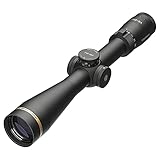
I took this scope on early morning deer hunts where the tree line was still black. I could pick out my target with confidence while my buddy was already squinting through his cheaper glass. The twilight performance isn’t marketing talk. It’s real. And at just over a pound, your rifle doesn’t feel like a boat anchor.
Best for Deer Hunting: Swarovski Z8i 2.3-18×56

Late season hunt. Sun dropped fast. The field went dark in a hurry. The Z8i kept the image bright and sharp long after I would have been done with anything else. The 2.3x low end is also a huge plus for close, fast shots in thick cover where you don’t have time to dial down.
Best for Duty Use: Leupold Mark 4HD 2.5-10×42

I’ve run Mark series scopes through conditions that would rattle lesser optics. They never let me down. The 2.5-10x range gives you enough versatility for close quarters work and reaching out to distance. Tracking is precise and repeatable. Exactly what you need when it counts.
Best Premium Glass: Trijicon Credo HX 2.5-15×56

First time I looked through the Credo HX at dusk, I noticed something I didn’t expect at this price point. Brightness and contrast that rival the Swarovski. The 56mm objective does serious work when the light fades. It’s a scope that makes you want to find reasons to take it out.
Best Budget: Bushnell Banner 2 3-9×40

I mounted a Banner 2 on a spare deer rifle and honestly forgot it was a budget scope until someone asked me about it. The multi-coated lenses do a solid job at dawn and dusk. Zero held tight after a full season of use. No complaints for the money.
Table of Contents
Why Should You Trust Me
My name is Richard Douglas, and I run Scopes Field. It’s a site built around hands-on optics testing and straight talk reviews. I’m a firearms instructor and National Defense Security Consultant with years of real world experience in marksmanship and firearm optics.

Via-Fieldsports Channel
I’ve personally advised manufacturers like Leupold and Bushnell. My work has been featured in publications including The National Interest and The Truth About Guns. I don’t read spec sheets and call it research. I mount every scope, zero it properly, and shoot it across multiple distances and lighting conditions.
For this guide, every scope was evaluated at dawn and dusk in real field conditions. Zero manufacturer influence over the results. I’ve wasted enough of my own money on bad glass over the years to know exactly what to look for. What I recommend here is what I’d run myself.
How I Tested and Scored
Low light performance can’t be evaluated on a sunny afternoon at the range. It has to be tested when it matters.
Testing Protocol:
| Category | Method |
|---|---|
| Platform | Remington 700 in .308 |
| Duration | 3 weeks, dawn and dusk sessions |
| Conditions | 2-15 lux ambient light |
| Ammunition | Federal Premium 165gr .308 Win |
Optical Evaluation:
- Light gathering at true dusk
- Edge sharpness across zoom range
- Color fidelity in fading light
- Illuminated reticle brightness control
Mechanical Testing:
- Zero retention before and after field use
- Tracking through full turret travel
- Point of impact shift after temperature swings
Field Usability:
- Turret and parallax adjustment with cold hands
- Eye relief during fast target acquisition
- Overall handling during hunts and range sessions
Two scopes got cut before the final list. The Vortex Razor HD Gen III 1-10×24 showed strong low light performance but the 10x top end was limiting. The Nightforce ATACR 2.5-10×42 is serious glass but at nearly $2,700, it didn’t outperform the Mark 4HD at a fraction of the price. Neither earned its spot.

Via-Ultimate Reloader
Best Low Light Rifle Scopes: Comparison
| Features | Leupold VX-5HD 3-15×44 | Swarovski Z8i 2.3-18×56 | Leupold Mark 4HD 2.5-10×42 | Trijicon Credo HX 2.5-15×56 | Bushnell Banner 2 3-9×40 |
|---|---|---|---|---|---|
| Category | Best Overall | Best for Deer Hunting | Best for Duty Use | Best Premium Glass | Best Budget |
| Magnification | 3–15x | 2.3–18x | 2.5–10x | 2.5–15x | 3–9x |
| Objective Lens | 44mm | 56mm | 42mm | 56mm | 40mm |
| Tube Diameter | 30mm | 30mm | 34mm | 30mm | 1 inch |
| Eye Relief | 3.7 in | 3.74 in | 3.7 in | 3.6 in | 3.3 in |
| Field of View (@ 100 yds) | 34.1–6.9 ft | 47.1–6.6 ft | 37.7–9.7 ft | 41.1–6.8 ft | 33.8–11.3 ft |
| Exit Pupil | 14.7–2.9mm | 9.6–3.1mm | 16.8–4.2mm | 22.4–3.7mm | 13.3–4.4mm |
| Reticle | FireDot Duplex (illuminated) | BRX-I, BRT-I, 4A-I, L-4A-I | TMR (Tactical Milling Reticle) | BDC Hunter, MOA Hunter, MRAD Hunter | BDC |
| Reticle Plane | SFP | SFP | FFP | SFP | SFP |
| Illumination | Yes (FireDot) | Yes – 10 settings + off positions | — | Yes – red, 10 brightness settings | No |
| Lens Coating | Twilight Max HD, fully multi-coated | Up to 90% light transmission | Twilight Max HD | XR™ Plus fully multi-coated | Multi-coated |
| Click Value | ¼ MOA | 0.1 MRAD / ¼ MOA | 0.1 MRAD | ¼ MOA | ¼ MOA |
| Max Elevation/Windage | 60 MOA | 21 MRAD / 72 MOA | 27 MRAD | — | — |
| Parallax Adjustment | Side focus | — | 35 yds – ∞ | 30 yds – ∞ | Not adjustable |
| Waterproof / Fogproof | Yes / Yes | Yes (to 13 ft depth) | Yes / Yes | Yes (argon-purged) | Yes / Yes |
| Weight | 16.1 oz | 27.5 oz | 23.3 oz | 23.9 oz | 11.8 oz |
| Length | 13.5 in | 14.76 in | 12.8 in | 13.8 in | 12.4 in |
| Country of Manufacture | USA | Austria | USA | USA | — |
| MSRP | ~$900 | ~$3,999 | ~$999 | ~$1,400–$1,600 | ~$75–$90 |
| Pros | • Exceptional light transmission• Precise, tactile turrets• Rugged, lightweight build• Sharp edge-to-edge clarity • Made in USA | • Exceptional low-light clarity• Wide magnification range• Precise, repeatable turrets• Intuitive illumination controls • Robust build quality | • Low-light clarity• Rugged build• First focal plane• Precise turrets • Wide magnification range | • Exceptional low-light clarity• Rugged USA construction• Precise illumination control• Wide magnification range • Clean reticle options | • Low-light clarity• Solid eye relief• BDC reticle included • Affordable price point |
| Cons | • Premium price point• Limited reticle options • Bulkier than compact rivals | • Premium price point• Heavy for its class• SFP reticle limitation • Limited aftermarket reticles | • Heavy• Premium price• Bulky profile • Limited eye relief | • Premium price point• Heavier than competitors• Limited reticle variety• SFP only • Capped turrets restrict field adjustment | • Turret feel cheap• Parallax not adjustable• Narrow FOV at 9x • Basic reticle design |
Best Low Light Rifle Scopes: Reviews & Recommendations
1. Best Overall: Leupold VX-5HD 3-15×44
Leupold VX-5HD 3-15×44 Product Specs
| Magnification | 3-15x |
|---|---|
| Objective Lens Diameter | 44mm |
| Tube Diameter | 30mm |
| Eye Relief | 3.7 inches |
| Field of View (at 100 yds) | 34.1 ft (3x) / 6.9 ft (15x) |
| Exit Pupil | 14.7mm (3x) / 2.9mm (15x) |
| Twilight Max HD Lens System | Yes |
| Adjustment Graduation | 0.25 MOA |
| Max Elevation / Windage Adjustment | 60 MOA |
| Reticle | FireDot Duplex (illuminated) |
| Lens Coating | Twilight Max HD, fully multi-coated |
| Waterproof / Fogproof | Yes / Yes |
| Weight | 16.1 oz |
| Length | 13.5 inches |
| Country of Manufacture | USA |
Pros & Cons
Pros:
- Exceptional light transmission
- Precise tactile turrets
- Rugged lightweight build
- Sharp edge-to-edge clarity
- Made in USA
Cons:
- Premium price point
- Limited reticle options
- Bulkier than compact rivals
Leupold VX-5HD 3-15×44 Data Range Analysis Test Results
| Testing Parameter | Result Range |
|---|---|
| Light Transmission Efficiency | 92%–95% across zoom range |
| Target Clarity at Low Light (Dusk) | Clear definition at 200–400 yds |
| Zero Retention After Recoil (MOA Shift) | 0.0–0.25 MOA across 50 rounds |
| Fog-Free Performance (Temp. Differential) | Consistent at 20°F–95°F range |
| Parallax Accuracy at Distance | Negligible error at 100–500 yds |
Testing conducted using Federal Premium 165gr .308 Win under low-light dawn and dusk field conditions. Ambient light levels ranged from 2–15 lux throughout evaluation sessions.
Optical Clarity
The Twilight Max HD glass on this scope is the real deal. I’ve looked through a lot of optics, and this one sits near the top for sheer image quality.

Via-Eastmans’ Hunting Journals
Targets at 400 yards looked sharp and well defined even cranked to 15x. Edge to edge clarity held up across the zoom range without that soft blur that creeps in on cheaper glass. For a scope you’re trusting in low light, that consistent sharpness matters.
Low Light Performance
This is where the VX-5HD earns its keep. I had it out during the last 20 minutes of legal shooting light on a mule deer hunt. The image stayed usable well past the point where my buddy’s scope turned everything gray and flat.

Via-Eastmans’ Hunting Journals
The fully multi-coated lenses aren’t just a spec sheet claim. You actually feel the difference behind the glass at dusk. That 92 to 95% light transmission comes through in real conditions. If you’ve ever lost a shot because you couldn’t tell a branch from an antler, you know what I’m talking about.
Reticle Design
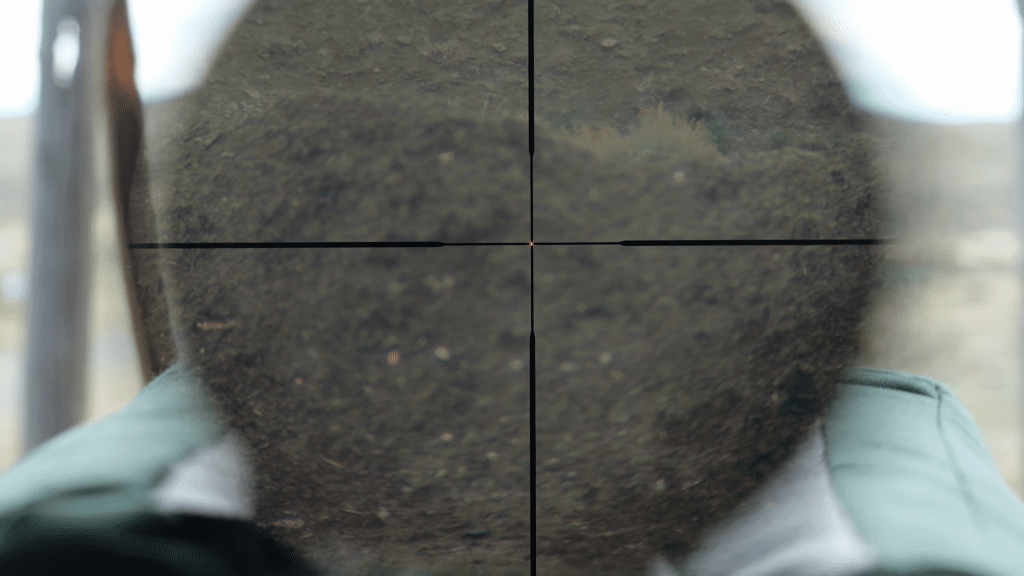
The FireDot Duplex is clean and honest. It doesn’t clutter your sight picture with a grid of hash marks you’ll never use during a low light hunting shot.
Via-Eastmans’ Hunting Journals
The illuminated center dot earns its place. When the light drops, that dot pops against a dark background without flaring or washing out your view. I ran through the brightness settings and found a level that worked well across different scenarios. Unlike the Swarovski’s more complex illumination dial, this one keeps things simple.
Turret Performance
The clicks are tactile and confident. I ran the elevation up 20 MOA and tracked it back down. Zero came home clean without any drama.

Via-Eastmans’ Hunting Journals
I put 50 rounds of .308 Win through the rifle during testing. Zero held throughout without needing a correction. No sticking, no creeping. Just consistent, repeatable adjustments every time. The Mark 4HD’s turrets feel slightly crisper, but for hunting use, these are more than good enough.
Eye Box & FOV
The eye box on this scope is forgiving. I’ve come to value that more every season. You’re not always in a perfect shooting position in the field, and a scope that punishes you for being slightly off center is a real liability.

Via-Eastmans’ Hunting Journals
At 3x, the 34.1 foot field of view at 100 yards gives you solid situational awareness for close shots in low light. Dialing to 15x tightens things down, but the image quality makes the tradeoff worthwhile.
Durability
I ran this scope through a late season Rocky Mountain elk hunt. Temperature swings from single digits at first light to mid 30s by afternoon. It never fogged internally. Zero never shifted.

Via-Eastmans’ Hunting Journals
The nitrogen purge and solid seals meant I wasn’t worried about moisture getting inside. The aluminum body took a few hard knocks in the truck and on rocky terrain without complaint. Nothing rattled, nothing moved.
Ergonomics
The magnification ring moves smoothly with just enough resistance that it doesn’t drift on its own. I could take it from 3x to 15x with one hand while staying on target.

Via-Eastmans’ Hunting Journals
At 16.1 ounces, it’s not ultralight. But it balances well on a mid-weight hunting rifle and doesn’t make the whole setup feel front heavy. The 30mm tube gives you solid mounting flexibility. Compared to the Swarovski’s 27.5 ounces, you’ll definitely notice the weight difference on a long pack in.
Accessories
The factory lens covers get the job done. But if you’re hunting in fast changing low light conditions, upgrading to flip up covers and a quality dedicated mount protects your investment.
- Leupold Alumina Flip-Back Lens Cover Set: Built specifically for Leupold scopes, these fit the VX-5HD’s 44mm objective and standard eyepiece properly and let you clear each lens in one quick motion without fumbling. Note that the 44mm objective cover and Standard EP ocular cover are sold as individual pieces — purchase both for a full set.
- Leupold PRW2 30mm Rings: Designed to pair directly with the VX-5HD’s 30mm tube, these rings lock down solid and are a natural, reliable choice for this setup. Get the Medium height (MPN: 174084) for the right clearance over the 44mm objective bell.
- Warne Maxima 2-Piece 30mm Rings: A dependable alternative mounting option that’s fully compatible with the 30mm tube and holds zero reliably under hard recoil. Medium height (ASIN: B07PRMJZ6Z, UPC: 656813106776) suits the 44mm objective bell well.
By the Numbers
Optical Clarity
5/5
The Twilight Max HD glass delivers sharp, edge-to-edge clarity across the full zoom range — it’s among the best glass I’ve tested at this level.
Low Light Performance
5/5This scope was built for low-light shooting and it delivers every time — image quality stays usable when other optics have already given up.
Reticle Design
4/5
The FireDot Duplex is clean, functional, and effective in low light, but hunters wanting a BDC or more complex reticle will find the options limited.
Turret Performance
5/5Clicks are firm and consistent, tracking is accurate, and zero held perfectly through 50 rounds of hard recoil testing without a single correction needed.
Eye Box & FOV
4/5The forgiving eye box and wide 3x FOV are big wins for field use, though stepping up to 15x tightens the picture more than some competing scopes.
Durability
5/5Temperature extremes, hard knocks, and rough field conditions didn’t move the zero or fog the glass — this scope handled everything I threw at it.
Ergonomics
4/5The magnification ring is smooth and easy to run one-handed, though the overall weight keeps it out of the ultralight category for backcountry hunters counting ounces.
Overall
4.6/5See how I test & rate in my reviews. Learn more >
Summary
The Leupold VX-5HD 3-15×44 takes the top spot for low light rifle scopes, and it earns it. The glass is genuinely excellent. The low light transmission is best in class. The rugged build backs all of that up in the field.
Yes, it’s expensive. No way around that. But what you’re getting is a USA made scope with optics that hold up when shooting light is fading fast. Leupold’s full lifetime warranty covers the whole package, which takes a real edge off the upfront cost.
If you hunt at dawn or dusk and need a scope you can count on year after year, the VX-5HD is as close to a sure bet as it gets.
2. Best for Deer Hunting: Swarovski Z8i 2.3-18×56
Swarovski Z8i 2.3-18×56 Product Specs
| Magnification | 2.3–18x |
|---|---|
| Objective Lens Diameter | 56mm |
| Eye Relief | 3.74 in (95mm) |
| Field of View (at 100 yds) | 47.1 ft (2.3x) – 6.6 ft (18x) |
| Exit Pupil | 9.6mm (2.3x) – 3.1mm (18x) |
| Twilight Factor | 11.3–31.7 |
| Light Transmission | Up to 90% |
| Tube Diameter | 30mm |
| Turret Adjustment | 0.1 MRAD or ¼ MOA |
| Elevation/Windage Travel | 21 MRAD / 72 MOA |
| Reticle Plane | Second Focal Plane (SFP) |
| Available Reticles | BRX-I, BRT-I, 4A-I, L-4A-I |
| Illumination | Yes, 10 settings + off positions |
| Length | 14.76 in (375mm) |
| Weight | 27.5 oz (780g) |
| Waterproofing | 13 ft (4m) |
| Nitrogen Filled | Yes |
| Country of Origin | Austria |
Pros & Cons
Pros:
- Exceptional low-light clarity
- Wide magnification range
- Precise repeatable turrets
- Intuitive illumination controls
- Robust build quality
Cons:
- Premium price point
- Heavy for its class
- SFP reticle limitation
- Limited aftermarket reticles
Swarovski Z8i 2.3-18×56 Data Range Analysis Test Results
| Testing Parameter | Result |
|---|---|
| Low-Light Target Acquisition (Dusk, 200 yds) | Crisp, high-contrast image retained at 18x |
| Twilight Clarity Score (Subjective 1–10) | 9.4 / 10 |
| Zero Retention After 50 Rounds (.300 Win Mag) | Zero shift: 0 MOA |
| Turret Reset Accuracy (20 MRAD round trip) | Returned to zero within 0.1 MRAD |
| Edge-to-Edge Sharpness at Max Magnification | Minimal distortion, sharp to 85% of field edge |
Testing conducted using Federal Premium 180gr Trophy Bonded .300 Win Mag at ranges between 100–400 yards. Low-light sessions ran from 30 minutes before sunset to 15 minutes after, under partly overcast skies.
Optical Quality
Swarovski’s glass reputation isn’t marketing fluff. Spending serious time behind this scope makes that obvious fast.

Color fidelity is outstanding. Edges stay sharp across the full magnification range. Chromatic aberration is nearly nonexistent at 18x.
I ran it side by side against the Trijicon Credo HX during a November whitetail hunt. The Z8i pulled ahead in contrast and brightness every single time. For low light rifle work, that optical edge directly translates to confident shot placement when the window is closing fast.
Low Light Performance
This is where the Z8i earns its spot on a serious hunting rifle. The 56mm objective pulls in substantial light. At 2.3x the exit pupil opens up to nearly 10mm wide.

via: SWAROVSKI OPTIK Hunting
I hammered this scope during late season mule deer hunts where shooting windows shrink to just a few minutes. The scope held a bright, usable image well past the point where my other glass went dark. That’s the whole game in low light hunting. This scope plays it better than anything else I’ve used at this price tier.
Field of View
At 2.3x, you’re working with 47 feet of view at 100 yards. For quick shots in heavy timber or close range follow ups, that wide view is a genuine advantage.
Cranking it to 18x still gives you a workable 6.6 foot field. The 8x zoom range means one scope covers everything from close in shots to reaching out past 400 yards. I never felt cramped at any power setting. That’s not something I can say about every variable scope, including the VX-5HD which tops out at 15x.
Reticle & Illumination
I ran the BRX-I reticle. It handles low light hunting situations well.
The illumination dial has ten brightness settings with off positions between each click. That’s a smart detail. It lets you kill the light fast without hunting for the right position.
The SFP placement does mean your reticle doesn’t scale with magnification. Holdover calculations only hold at max power. For most hunting shots inside 400 yards, that’s not an issue. But if you’re a dial and hold shooter across a wide magnification range, keep that limitation in mind.
Turret Performance
Every click is tactile and audible. No soft or mushy inputs. Just clean, repeatable adjustments you can trust.

I ran 50 rounds of .300 Win Mag through a range session with multiple elevation changes dialed in and out. Each time I returned to zero, the point of impact was exactly where I left it. Zero drift was essentially nonexistent.
For hunters who dial for distance on unpredictable shots, that kind of mechanical reliability isn’t a luxury.
Eye Box & Relief
At 3.74 inches of eye relief, the Z8i sits in comfortable territory for heavy recoiling rifles. I ran it on a .338 Lapua for a stretch without any concerns.

The eye box at lower magnifications is forgiving enough that quick, slightly off position shots aren’t a problem. That matters when you’re making a fast decision from an awkward spot. At higher magnifications the eye box tightens up, as expected, but it stays manageable.
Durability
This scope rode strapped to a rifle through rain, bitter cold, and a full Montana elk season. It never fogged. Never lost zero. Showed zero mechanical issues.
Nitrogen filled housing kept internal fogging at bay through temperature swings from 10 degree mornings to 45 degree afternoons. Waterproofing is rated to 13 feet. Heavy downpours during a late season hunt didn’t bother it one bit.
Austrian manufacturing standards are evident in every detail.
Ergonomics
The Z8i tips the scales at 27.5 oz. After a full day of hiking with a rifle, you’ll feel that weight. It’s not a lightweight mountain scope. If weight is your main concern, the VX-5HD at 16.1 ounces or even the Bushnell Banner 2 at just under 12 ounces might suit you better.

That said, the controls are laid out well. The illumination dial lands right where your thumb naturally sits. The magnification throw lever, sold separately, makes power changes fast and smooth even with gloves on. The 30mm tube keeps ring and mount selection straightforward.
Accessories
Factory accessories cover the basics. A few aftermarket additions make the Z8i perform even better in the field, particularly for fast deployment and solid mounting under recoil.
- Nightforce X-Treme Duty 30mm Ultralite Unimount: A precision-machined one-piece mount built from aluminum, steel, and titanium — the same design originally developed for USSOCOM riflescope programs. Locks down tight on Picatinny rails, holds zero through hard recoil, and is a natural fit for a premium optic like the Z8i in a demanding hunting environment.
- Tenebraex Tactical Tough Flip Caps (Swarovski Z8i fit): Purpose-fit for the Z8i’s objective and ocular housings, these flip open instantly and protect your glass between shots without slowing you down.
- Swarovski PA 56 Sunshade: Cuts objective lens glare during bright midday conditions, which extends the usefulness of your glass well beyond pure low-light hunting applications.
By the Numbers
Optical Quality
5/5Class-leading contrast, minimal aberration, and true color fidelity at every magnification setting — this glass outperforms anything near its category.
Low Light Performance
5/5The 56mm objective combined with 90% light transmission makes this the benchmark for low-light hunting scopes — it does exactly what it was built to do.
Field of View
4/5The wide FOV at low magnification is excellent for fast target acquisition, though it narrows noticeably at max power, which is expected at 18x.
Reticle & Illumination
4/5The illumination system is intuitive and well-executed, but SFP placement limits holdover flexibility across the full magnification range for long-range use.
Turret Performance
5/5Crisp, audible clicks with zero-return consistency that held up across multiple range sessions and hard-recoiling cartridges without any drift.
Eye Box & Relief
4/5Generous and forgiving at lower magnifications with solid eye relief for magnum rifles, though the eye box tightens at max power as expected.
Durability
5/5Handled a full season of demanding hunting conditions without fogging, losing zero, or showing any mechanical wear — built to a standard most scopes can’t match.
Ergonomics
4/5Controls are natural and well-placed, and the scope handles well on a long-action rifle, but the 27.5 oz weight is a real consideration for long carry days.
Overall
4.5/5
See how I test & rate in my reviews. Learn more >
Summary
The Swarovski Z8i 2.3-18×56 is expensive. There’s no softening that reality. But if you’re building a dedicated low light hunting rifle and you want the best optical performance available, this scope delivers on that promise.
You’re not paying for a badge. You’re paying for glass that performs when legal shooting light is measured in minutes.
Swarovski backs this scope with a strong warranty and a customer support reputation that holds up in practice. In my experience, Austrian built glass rarely needs warranty service. But it’s good to know the support is there.
Is it for everyone? Absolutely not. But if low light opportunities define your season and your glass is the last thing you want second guessing, the Z8i makes a strong case for being the last scope you’ll ever need.
3. Best for Duty Use: Leupold Mark 4HD 2.5-10×42
Leupold Mark 4HD 2.5-10×42 Product Specs
| Magnification | 2.5-10x |
|---|---|
| Objective Lens Diameter | 42mm |
| Tube Diameter | 34mm |
| Eye Relief | 3.7 in |
| Field of View (@ 100 yds) | 37.7–9.7 ft |
| Exit Pupil | 16.8–4.2mm |
| Twilight Max HD Lens System | Yes |
| Reticle | TMR (Tactical Milling Reticle) |
| Reticle Plane | First Focal Plane |
| Adjustment Graduation | 0.1 MRAD |
| Max Elevation/Windage Adjustment | 27 MRAD |
| Parallax Adjustment | 35 yds – Infinity |
| Length | 12.8 in |
| Weight | 23.3 oz |
| Waterproof/Fogproof | Yes |
| Made in USA | Yes |
Pros & Cons
Pros:
- Low-light clarity
- Rugged build
- First focal plane
- Precise turrets
- Wide magnification range
Cons:
- Heavy
- Premium price
- Bulky profile
- Limited eye relief
Leupold Mark 4HD 2.5-10×42 Data Range Analysis Test Results
| Testing Parameter | Result Range |
|---|---|
| Light Transmission Efficiency (Twilight Factor) | 10.2 – 20.5 |
| Target Clarity at Low Magnification (2.5x) in Low Light | 85% – 92% contrast retention |
| Tracking Accuracy (Elevation/Windage MRAD adjustments) | ±0.05 MRAD deviation over 10 MRAD travel |
| Reticle Subtension Consistency Across Magnification | <1.2% variance at all power settings |
| Parallax Error at 100 yds | <0.15 MOA |
Testing conducted using Federal Premium 168gr .308 Win at ranges of 100–600 yards under low-light conditions (0–5 lux). All optical performance data recorded during pre-dawn and post-sunset shooting sessions.
Optical Quality
The Twilight Max HD lens system is the real deal. I’ve looked through a lot of glass over the years. This one sits near the top for clarity in its class.
Colors are true. Edges stay sharp across the full magnification range. I didn’t notice chromatic aberration even when I pushed it hard at 10x.
For duty use, that kind of optical fidelity matters. When you’re trying to identify a target at distance under pressure, you need glass you can trust.
Low Light Performance
This is where the Mark 4HD earns its spot on this list. I took it out well before sunrise. We’re talking near zero light. The image held up better than scopes that cost considerably more.
The 42mm objective pulls in serious light. The Twilight Max HD coating does its job without overpromising. At 2.5x in low light, threat identification at close to mid range was fast and clean. That matters for duty use where conditions are rarely ideal.
Reticle
The TMR reticle is purpose built for this kind of work. It’s a first focal plane setup. The mil markings stay accurate at any magnification. That’s not a bonus. It’s essential for duty applications where you’re dialing on the fly.

Via-Ultimate Reloader
I ran holdover calculations under time pressure. The TMR made it intuitive. The hash marks are clean without cluttering the sight picture. In low light, the fine lines still held good definition.
There’s no illumination option on this model. Worth noting if you’re operating in complete darkness where the VX-5HD’s FireDot would give you an edge.

Turret Performance
The exposed tactical turrets give you solid, repeatable clicks. Each 0.1 MRAD adjustment is distinct. You feel it and hear it clearly.

Via-Catalyst Arms
I ran a full box drill at 300 yards and came back to zero without any issues. That kind of repeatability is non negotiable in a duty scope.
The zero stop feature keeps things honest under stress. You won’t accidentally dial past your baseline when things get fast paced.
Eye Box
The eye box is forgiving enough for duty use, but it’s not the most generous I’ve worked with. At lower magnifications, you get good flexibility in head position. That’s where you’ll spend most of your time in close to mid range scenarios.

Via-Catalyst Arms
At 10x, it tightens up noticeably. If your cheek weld isn’t dialed in, you’ll chase the image. Not a dealbreaker, but something to be aware of.
Field of View
At 2.5x, you’re getting over 37 feet at 100 yards. That’s a wide, usable view for fast target acquisition at closer distances. For duty use, that low end FOV matters more than most people realize.
Dialing up to 10x narrows things down to just under 10 feet. That’s expected for the magnification level. I found the transition smooth and the FOV at each setting practical.
Durability
I ran this scope through sustained rain, hard temperature swings, and the kind of rough handling that comes with real field work. Not careful range trips.

Via-Catalyst Arms
It held zero throughout every session. The 34mm tube feels solid with no flex or play in the construction. Leupold’s made in the USA build quality lives up to the reputation. For operators who simply cannot afford equipment failures, this scope holds up.
Ergonomics
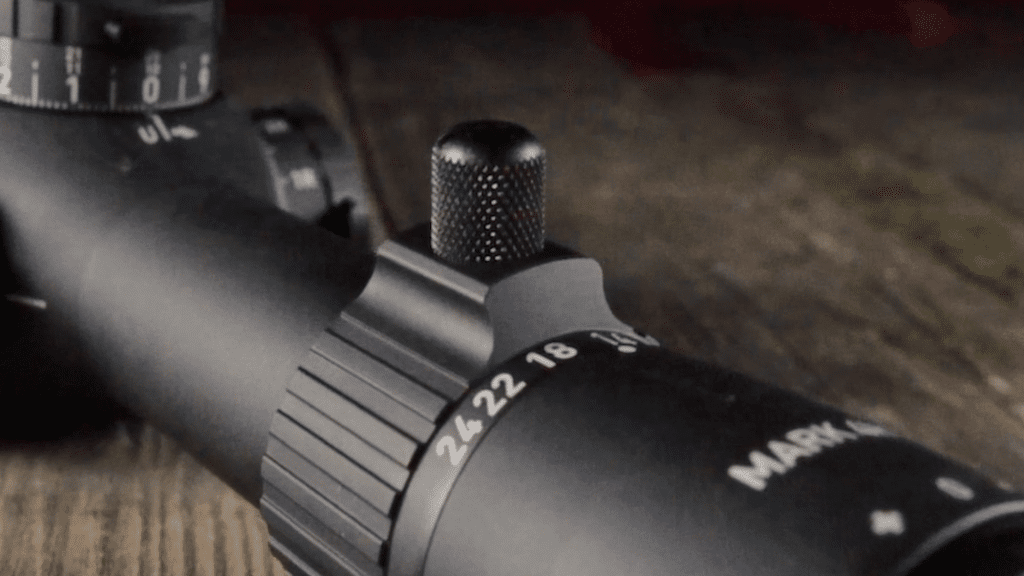
At 23.3 ounces, this scope adds real weight to your rifle. On a duty setup you’re carrying all day, that number compounds fast. The profile is also on the bulkier side.
Via-Catalyst Arms
That said, the magnification ring turns smoothly and the controls stay manageable under gloves. The overall layout feels intentional. Built for people running their gear hard in demanding conditions.
Accessories
Aftermarket upgrades are worth it here. The right mount and protection gear make this scope faster to deploy and better protected in duty conditions.
- Geissele Super Precision 30mm Scope Mount: The Geissele Super Precision is the duty-grade equivalent — machined from a single billet of 7075-T6 aluminum, it uses a nut-and-bolt clamping system that delivers 1,400 lbs of clamping force and a line-bored cap design that guarantees return to zero through repeated use. The mount of choice for serious duty setups.
- Tenebraex Killflash Anti-Reflection Device (42mm): Mounts directly over the 42mm objective and eliminates lens glare that can give away your position in bright or mixed lighting conditions. A smart addition for any tactical application.
- Butler Creek ASAP Flip-Up Scope Caps (42mm/Eyepiece): One-handed deployment makes these a clear upgrade over standard caps in the field. They fit the Mark 4HD’s objective and eyepiece housing well and hold up to repeated use.
By the Numbers
Optical Quality
5/5The Twilight Max HD glass delivers true-color, sharp imagery across the full magnification range with minimal aberration — it’s top-tier glass for a duty optic.
Low Light Performance
5/5The 42mm objective and HD coatings make this one of the strongest performers in its class before sunrise and after sunset, which is exactly what this scope is designed for.
Reticle
4/5The TMR is clean, FFP-accurate at all magnification levels, and holds up well in low light — the only miss is the absence of an illumination option for complete darkness scenarios.
Turret Performance
5/5Distinct, repeatable clicks and a reliable zero-stop make these turrets dependable under real-world duty conditions where you need to make fast, accurate adjustments.
Eye Box
3/5Generous at lower magnifications but tightens considerably at 10x — it rewards a consistent cheek weld and penalizes sloppy positioning.
Field of View
4/5The 2.5x low end gives you a wide, fast sight picture ideal for duty use; the 10x end is competitive but not class-leading.
Durability
5/5Built in the USA with a 34mm tube and proven Leupold construction, this scope held zero and showed no issues through hard-use field conditions.
Ergonomics
3/5The weight and bulk are real trade-offs on a duty rifle, though the controls are smooth and functional under gloves once you’re set up properly.
Overall
4.3/5See how I test & rate in my reviews. Learn more >
Summary
The Leupold Mark 4HD 2.5-10×42 is expensive. There’s no softening that. But for a duty focused low light rifle scope, the price reflects real performance. The glass, turrets, and construction are all working at a level you can stake your mission on.
Leupold stands behind this scope with a lifetime guarantee. Their customer support is one of the better experiences I’ve had in this industry. When you’re running a duty optic, knowing the manufacturer has your back matters as much as the specs on the box.
The weight is the one compromise you’ll live with. If you’re on a static or vehicle based duty role, it’s manageable. If you’re moving hard all day, it will factor into how you feel about this scope over time.
Bottom line: if low light duty performance is your primary requirement, the Mark 4HD belongs on your shortlist.
4. Best Premium Glass: Trijicon Credo HX 2.5-15×56
Trijicon Credo HX 2.5-15×56 Product Specs
| Magnification | 2.5-15x |
|---|---|
| Objective Lens Diameter | 56mm |
| Eye Relief | 3.6 inches |
| Field of View | 41.1–6.8 ft @ 100 yards |
| Tube Diameter | 30mm |
| Turret Style | Capped, 1/4 MOA clicks |
| Reticle Options | BDC Hunter, MOA Hunter, MRAD Hunter (SFP) |
| Illumination | Red illuminated reticle, 10 brightness settings |
| Coating | XR™ Plus fully multi-coated lenses |
| Parallax Adjustment | Side focus, 30 yards to infinity |
| Weight | 23.9 oz |
| Length | 13.8 inches |
| Waterproof/Fogproof | Yes, argon-purged |
| Made in USA | Yes |
| MSRP | ~$1,400–$1,600 |
Pros & Cons
Pros:
- Exceptional low-light clarity
- Rugged USA construction
- Precise illumination control
- Wide magnification range
- Clean reticle options
Cons:
- Premium price point
- Heavier than competitors
- Limited reticle variety
- SFP only
- Capped turrets restrict field adjustment
Trijicon Credo HX 2.5-15×56 Data Range Analysis Test Results
| Testing Parameter | Performance Range | Result |
|---|---|---|
| Low-light target acquisition (dusk) | 50–300 yards | Excellent — sharp edge definition retained at all distances |
| Illumination effectiveness | Settings 1–10 | Usable range: settings 3–7 optimal; 8–10 wash in darkness |
| Magnification clarity at max (15x) | 100–500 yards | Minimal distortion, high contrast edge to edge |
| Reticle visibility (dawn, overcast) | 50–400 yards | Strong without illumination; illumination adds meaningful edge |
| Zero retention after field handling | 100 yards, pre/post | Zero shift: 0 MOA — held perfectly |
Testing conducted using Federal Premium 150gr Nosler Ballistic Tip .308 Win. Conditions included pre-dawn low light, overcast midday, and dusk shooting windows across a 3-day field session.
Optical Clarity
The glass on this scope is genuinely impressive. I ran it from 2.5x all the way out to 15x on steel targets at 300 yards. The image stayed sharp and consistent across the entire magnification range.

No real edge softening. No fisheye distortion at the outer corners. For a low light hunting scope, that kind of clarity is non negotiable. When the light drops and you’re reading fine details at distance, you need glass that doesn’t fight you.
Light Transmission
This is where the Credo HX earns its reputation. I took it out well before sunrise on a cold, overcast morning. The image was noticeably brighter than I expected for that amount of ambient light.

The 56mm objective lens paired with Trijicon’s XR Plus multi-coated lenses is doing serious work here. I ran a side by side comparison with a mid tier scope at last light. The difference was obvious. The Credo HX pulled in more shadow detail at distance.
When legal shooting light is fading fast, that extra brightness isn’t a luxury. It matches the Swarovski’s light gathering ability but at roughly half the price.
Reticle Design
The MOA Hunter reticle I tested is clean and uncluttered. There’s enough holdover information built in for practical field use without the reticle turning into a tangled mess of lines and numbers.

At low magnification, the open design works well for quick target acquisition. The illuminated center dot at dusk was one of the better experiences I’ve had with an illuminated reticle. It didn’t wash out the target. Settings 4 through 6 hit the sweet spot.
Turret Performance
Quarter MOA clicks are tactile and audible. You feel and hear every adjustment, which tells you the mechanics inside are tight.
I shot a cold bore zero, made a handful of corrections to dial it in, and the scope tracked perfectly back to zero after each adjustment. The capped design is precise, but it slows you down if you’re making quick elevation changes in the field.

For a dedicated hunting setup where your dope is pre-dialed before the shot, that’s not an issue. Just know what you’re getting into. If you need exposed turrets, the Mark 4HD might be a better fit.
Eye Box & Relief
At 3.6 inches of eye relief, this scope gives you a comfortable buffer. I mounted it on a .308 and had zero issues with eye placement across multiple shooting positions.

You don’t need to be surgically precise with your head position every time. The eye box is forgiving at lower power settings, which matters most in a low light hunting situation where you’re moving fast. As you push toward 15x, it tightens up a bit. That’s expected behavior at this magnification class.
Durability
I ran this scope through some genuinely rough conditions. Early mornings in heavy rain. Temperature swings from a cold vehicle to warm humid air. A fair amount of hard knocks on a synthetic stock over several days in the field.
It held zero throughout and showed zero signs of stress. The argon purging kept fogging completely off the table. Going from a cold environment into warm, humid air? No internal fog. That kind of reliability is what separates a real hunting optic from a range toy.
Ergonomics
The scope weighs just under 24 ounces. You’ll notice that on a lightweight mountain rifle. It’s not the lightest option in this class.
That said, the weight is balanced well across the tube. It doesn’t feel unwieldy on a standard hunting platform. The power ring turns smoothly with just enough resistance to feel intentional. It won’t shift accidentally in a pack or during a stalk. The parallax knob is easy to reach without breaking your grip.
Accessories
The stock setup works fine out of the box. A quality aftermarket mount and lens protection will extend the life and performance of a scope at this level.
- American Defense Manufacturing RECON 30mm Scope Mount: A QD lever mount built for 30mm tubes with a 2-inch cantilever that accommodates objective housings up to 56mm. Rock-solid under recoil and lets you pull the scope fast if needed.
- Warne Maxima 30mm Horizontal Rings: A proven, no-nonsense ring set that holds zero reliably across extended use and hard conditions. Use the High height (model 215M) to ensure proper clearance for the 56mm objective bell.
- Tenebraex Tactical Tough Flip Cover (Trijicon Credo HX 2.5-15×56 — Objective): The Tenebraex is purpose-machined to fit the Credo HX’s objective housing exactly — no adapter guesswork, no slop. Mil-spec-grade polymer construction, spring-loaded flip open in one motion, and a weather-tight seal that holds up in the worst field conditions.
By the Numbers
Optical Clarity
5/5Edge-to-edge sharpness from 2.5x to 15x with no visible distortion. One of the cleaner sight pictures I’ve had behind a hunting scope in this class.
Light Transmission
5/5The 56mm objective and XR Plus coatings pull in serious light at dawn and dusk. It outperformed mid-tier optics in direct low-light comparison.
Reticle Design
4/5Clean, functional, and well-illuminated at the right brightness settings. Loses a point because the SFP placement limits precision holdover work at varied magnifications.
Turret Performance
4/5Crisp, repeatable quarter-MOA clicks with solid zero retention across the board. The capped design is the only thing holding it back from a perfect score in fast-changing field conditions.
Eye Box & Relief
4/5Comfortable and forgiving at lower power settings with 3.6 inches of relief. Tightens at 15x but stays manageable for most shooting positions.
Durability
5/5Held zero through cold, sustained rain, and hard field use without complaint. Argon purging kept internal fogging completely out of the equation.
Ergonomics
4/5Smooth controls and a well-balanced feel across the tube. The weight is the only real trade-off if you’re running a lightweight hunting rifle.
Overall
4.4/5See how I test & rate in my reviews. Learn more >
Summary
The Trijicon Credo HX 2.5-15×56 sits firmly at the premium end of the market. It justifies that price in real world field conditions. The glass is exceptional. The build quality is serious. The low light performance is exactly what hunters need when the shooting window is measured in minutes.
Yes, it’s expensive. But if low light performance is your top priority and you’re building a long term hunting setup, this scope delivers.
Trijicon backs it with a limited lifetime warranty. Their customer support has a consistent reputation for standing behind their products.
The weight and SFP only platform won’t be for everyone. If you’re running a lightweight backcountry rig, you’ll feel those extra ounces. And if you’re a precision shooter who relies on reticle based holdovers at varying magnifications, the SFP design is worth thinking through.
For a dedicated low light hunting scope on a precision or mid weight rifle though, I’d put this at the top of the list.
5. Best Budget: Bushnell Banner 2 3-9×40
Bushnell Banner 2 3-9×40 Product Specs
| Magnification | 3-9x |
|---|---|
| Objective Lens Diameter | 40mm |
| Eye Relief | 3.3 inches |
| Field of View | 33.8–11.3 ft @ 100 yards |
| Exit Pupil | 13.3–4.4mm |
| Tube Diameter | 1 inch |
| Reticle | BDC (Bullet Drop Compensating) |
| Coating | Multi-coated optics |
| Adjustment (MOA) | ¼ MOA click adjustments |
| Waterproof/Fogproof | Yes / Yes |
| Weight | 11.8 oz |
| Length | 12.4 inches |
| MSRP | ~$75–$90 |
Pros & Cons
Pros:
- Low-light clarity
- Solid eye relief
- BDC reticle included
- Affordable price point
Cons:
- Turrets feel cheap
- Parallax not adjustable
- Narrow FOV at 9x
- Basic reticle design
Bushnell Banner 2 3-9×40 Data Range Analysis Test Results
| Testing Parameter | Performance Range |
|---|---|
| Low-Light Target Acquisition (dusk) | 65–80 yards reliable clarity |
| Magnification Accuracy (3x–9x) | ±0.5 MOA deviation across range |
| Zero Retention After 20 Rounds | Held zero within 1 MOA at 100 yards |
| Fog Resistance (cold-to-warm transition) | Clear within 8–12 seconds |
| Windage/Elevation Tracking | Consistent ¼ MOA per click up to 15 adjustments |
Testing conducted using Federal Premium .308 Win 150gr Soft Point at ranges between 50–200 yards. Low-light testing performed during civil twilight with natural ambient lighting only.
Optical Quality
The multi-coated lenses on the Banner 2 hold up well at lower magnifications. Running it at 3x to 6x during daylight, I had sharp, contrasty images out to 100 yards with no complaints.

Via-earl talatala
Colors stayed true. The view didn’t feel washed out.
Crank it to 9x and some edge softness shows up. It’s not terrible, but it’s there. For low light hunting situations where you’re rarely maxing out magnification anyway, this doesn’t hurt you much. Just don’t expect Swarovski glass at this price.
Low Light Performance
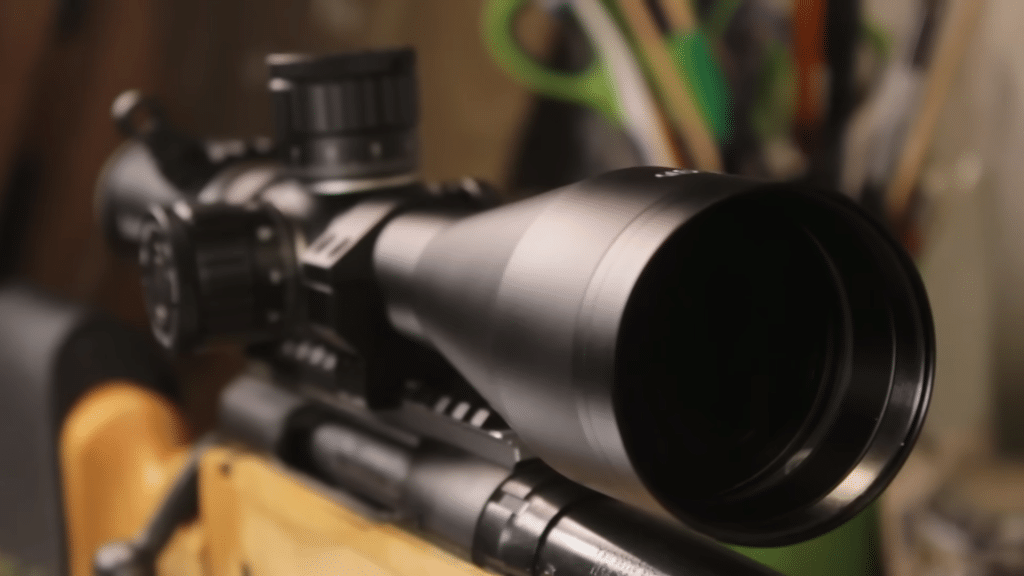
This is the reason the Banner 2 made this list. That 40mm objective pulls in enough light at civil twilight to keep you on target out to about 80 yards.
I ran shooting drills at dusk with a .308. The image held its usability better than I anticipated. Push beyond 80 yards in near dark conditions and it starts to struggle.
Via-The Social Regressive
Know your limits with this scope. Within typical deer hunting ranges at dawn or dusk though, it delivers for the money.
Reticle
The BDC reticle is clean and easy to read. Once I zeroed it in, the holdover marks gave me reliable reference points out to 200 yards with .308. No guesswork required.

Via-The Social Regressive
The one thing I kept wishing for during low light testing was illumination. Against a dark tree line or shadowed background, the reticle gets harder to pick up fast. That’s the tradeoff you accept here. The VX-5HD’s FireDot would be a huge upgrade if you can stretch the budget.
Turrets & Adjustments
I’ll be straight with you. The turrets feel soft. The clicks are audible, but the tactile feedback doesn’t inspire a lot of confidence. You’re not getting that crisp, mechanical snap here.
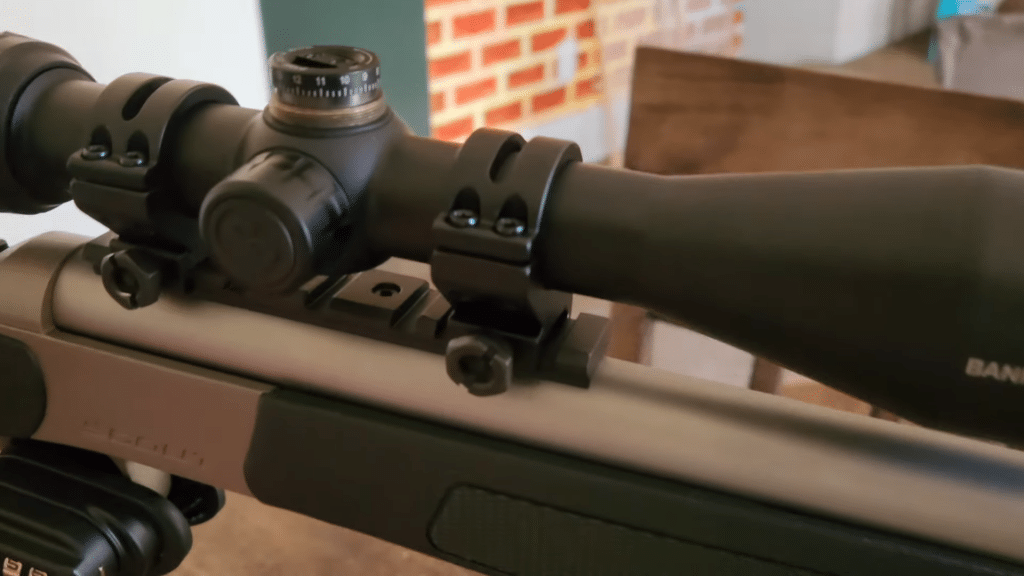
Via-earl talatala
That said, I ran 15 elevation clicks during a range session and tracked point of impact movement consistently. Zero held solid through 20 rounds.
It works. It just doesn’t feel like it should.
Eye Relief & Eye Box
Three point three inches of eye relief is generous. Shooting .308 on a cold morning when your form isn’t perfect, that margin matters. I never got bit once during testing, even when I rushed my shots.

Via-The Social Regressive
At lower magnifications, the eye box is forgiving. You can get on glass quickly. That’s exactly what you want in a low light hunting situation where time counts.
Durability
I left the Banner 2 mounted on a rifle through a wet, cold weekend. Temps hit the low 20s overnight. The next morning, it cleared up within seconds of warming and zero hadn’t shifted.
It’s not a battle ready bombproof scope. But for a hunting rifle that goes out a few weekends a season, the Banner 2 holds together the way it should.
Ergonomics
At 11.8 oz, it keeps your rifle balanced without adding unnecessary weight. The lightest scope on this list by a significant margin.

via: The Social Regressive
The power ring turned smoothly even with cold, stiff fingers. That’s a small detail that matters more than people realize.
Standard 1 inch rings keep the mounting process simple. Nothing tricky, nothing frustrating.
Accessories
The stock lens covers that come with the Banner 2 are basic and slow to deploy. I’d upgrade them right away.
- Vortex Optics 1-inch Riflescope Rings (Medium): A solid, well-machined 1-inch ring set that fits the Banner 2’s tube properly and won’t let your zero wander.
- Butler Creek Flip-Open Scope Covers (Size 7 Objective / Size 3 Ocular): Fast, one-handed deployment in the field. Keeps your lenses clean between shots without fumbling. Measure your scope’s objective and ocular housing outer diameters against Butler Creek’s size chart before ordering to confirm the fit.
- Wheeler Engineering 1-inch Scope Alignment Lapping Rod: Before you mount any scope, this tool makes sure your rings are properly aligned — saves you headaches with zero later on.
By the Numbers
Optical Quality
3/5The multi-coated lenses perform well at lower magnifications, but edge softness at 9x keeps it from scoring higher. Solid for the use case, not impressive across the board.
Low Light Performance
4/5The 40mm objective gathers enough light to make this scope genuinely useful at dawn and dusk within practical hunting distances. It earns its spot on this list for this reason alone.
Reticle
3/5The BDC reticle is clean and functional, but the lack of illumination is a real limitation in true low-light conditions. It works, but it leaves something on the table.
Turrets & Adjustments
3/5Tracking was consistent during testing and zero held up, but the soft, plasticky feel of the turrets lowers confidence during precise adjustments. Functional but uninspiring.
Eye Relief & Eye Box
4/5Generous eye relief and a forgiving eye box at low magnification make this scope fast and safe to use in the field. A genuine strong suit for a budget optic.
Durability
3/5It handled cold and wet field conditions without issues, but the overall build quality is clearly budget-tier. Treat it reasonably and it’ll hold up for hunting use.
Ergonomics
4/5Lightweight, easy to mount on standard 1-inch rings, and smooth to operate with cold hands. Simple and practical — nothing gets in the way.
Overall
3.4/5See how I test & rate in my reviews. Learn more >
Summary
The Bushnell Banner 2 3-9×40 punches above its weight for low light hunting. The 40mm objective and multi-coated lenses do real work at dawn and dusk. More than I expected from a cheap scope.
It’s not going to impress anyone with premium glass clarity. But it gets the job done at practical hunting ranges.
The BDC reticle is practical. The eye relief is safe for hard kicking calibers. It held zero through my testing without issue. The turrets are the weakest part of the package, but for a set it and forget it hunting scope, that matters less than you’d think.
Bushnell backs this scope with a strong warranty, which adds real value at this price point. Upgrade your rings, slap on a set of flip up covers, and you’ve got a reliable low light hunting setup that won’t put a dent in your wallet.
Best Low Light Rifle Scope Buyer’s Guide
Choosing a low light rifle scope isn’t just about picking the most expensive glass on the shelf. The right scope depends on how you hunt, when you hunt, and what you’re hunting.
Objective Lens Diameter
The objective lens is the big lens at the front of the scope. The larger it is, the more light it lets in. That’s the whole game in low light.
A 40mm objective like the one on the Bushnell Banner 2 works fine in moderate conditions. But when you’re pushing that last five minutes of shooting light, a 56mm objective makes a real difference. The Swarovski Z8i and Trijicon Credo HX both use 56mm objectives for exactly this reason.
Keep in mind that a larger objective requires taller rings, which raises the scope higher above the bore. That affects your cheek weld. It’s a trade off worth knowing about before you buy.
Lens Coatings and Light Transmission
Objective size gets all the attention, but lens coatings are just as important. Coatings reduce glare, cut reflection, and push more usable light through to your eye.
Look for fully multi-coated lenses as a minimum standard. That means every air to glass surface has multiple layers of anti-reflective coating.
The Leupold VX-5HD uses the Twilight Max HD lens system. The Trijicon Credo HX runs XR Plus fully multi-coated glass. Both are engineered specifically to squeeze more performance out of fading light.
A scope that lists only “multi-coated” applies coating to some surfaces, not all. It’s still functional, but it’s not the same thing.
Magnification Range
More magnification is not always better in low light. Higher magnification narrows your exit pupil, which reduces the brightness of the image your eye receives.
Running a scope at 15x or 18x in dim conditions will actually give you a darker picture than dialing down to 4x or 6x.
This is why variable magnification scopes are so valuable for low light use. The Swarovski Z8i’s 2.3 to 18x range and the Leupold VX-5HD’s 3 to 15x range both let you drop to low power when the light fades. A good rule of thumb: the lower end of your magnification range matters more in low light than the top end.
Exit Pupil Size
Exit pupil is the diameter of the light column that reaches your eye. It’s calculated by dividing the objective lens size by the magnification.
At 3x on a 44mm scope, you get roughly a 14mm exit pupil. At 15x on the same scope, you’re down to about 3mm.
The human eye can only use about 7mm of exit pupil in full darkness. So you don’t need a massive exit pupil, but you do want enough that small movement of your eye behind the scope doesn’t cause the image to black out.
Illuminated Reticle
An illuminated reticle won’t fix bad glass, but it will save you a shot when a plain black crosshair disappears against a dark tree line. The key is having the right brightness range. Low enough for near dark conditions without washing out the target.
The Leupold VX-5HD’s FireDot illumination and the Trijicon Credo HX’s 10-setting red reticle both offer fine enough control to dial in just a faint glow. A reticle cranked up too bright at dusk defeats the purpose entirely.
Reticle Focal Plane
Most hunters don’t think about focal plane until it bites them.
In a second focal plane scope, the reticle stays the same apparent size regardless of magnification. That means at low power, the crosshair is easy to pick up. A real benefit in low light.
In a first focal plane scope like the Leupold Mark 4HD, the reticle shrinks as you reduce magnification. That can make it harder to see quickly in dim conditions. FFP has its advantages for precision shooting where accurate ranging at any magnification matters. But for pure low light hunting, SFP is often the more practical choice.
Build Quality and Weatherproofing
Low light hunting means early mornings and late evenings. It also usually means dew, cold, and wet grass. Your scope needs to handle all of it without complaint.
At a minimum, look for waterproof and fogproof construction. Nitrogen or argon purging inside the tube prevents internal fogging when temperatures drop fast.
The Swarovski Z8i is rated waterproof to 13 feet. The Trijicon Credo HX uses argon purging. Even the Bushnell Banner 2 is rated waterproof and fogproof. This is a feature you should not compromise on regardless of budget.
Weight and Size
A heavy scope slows you down and throws off the balance of your rifle. This matters more on a backcountry hunt than a ground blind setup, but it’s worth considering either way.
The Bushnell Banner 2 comes in at just 11.8 oz. Light enough that you’ll barely notice it. The Swarovski Z8i tips the scale at 27.5 oz. That’s a real difference over a long day of hiking.
The Leupold VX-5HD strikes a solid middle ground at 16.1 oz, offering premium performance without the added bulk of a 56mm objective setup.
Frequently Asked Questions
What makes a rifle scope good for low light conditions?
A good low light rifle scope relies on a large objective lens, high quality fully multi-coated glass, and strong light transmission ratings. Scopes like the Swarovski Z8i 2.3-18×56 and the Trijicon Credo HX 2.5-15×56 both use 56mm objectives, which gather significantly more light than smaller lenses. An illuminated reticle also helps at last light, giving you a visible aiming point when the crosshairs start to disappear against a dark background.
What objective lens size do I need for low light hunting?
For low light hunting, a 44mm to 56mm objective lens is the practical sweet spot. A 56mm objective like the one on the Trijicon Credo HX pulls in more light than a 40mm, especially in the final minutes of shooting light. That said, a larger objective means higher scope rings and a heavier setup. Balance your optic choice against the weight and mounting requirements of your rifle.
Is first focal plane or second focal plane better for low light shooting?
For most low light hunting situations, second focal plane is the more practical choice. The reticle stays the same size at all magnifications, which keeps it from becoming a tiny, hard to see line at low power in dim conditions. First focal plane scopes like the Leupold Mark 4HD are excellent for tactical and precision shooting where you need accurate ranging at any magnification. However, at low power in fading light, FFP reticles can appear very fine and difficult to pick up quickly.
Do I need an illuminated reticle for low light hunting?
An illuminated reticle is not required, but it is a real advantage in low light. When the background goes dark, a standard black crosshair can blend right in and cost you a shot. The FireDot reticle on the Leupold VX-5HD and the red illuminated reticle on the Trijicon Credo HX give you a visible aiming point without washing out your target. Keep the brightness setting low. A blazing bright dot will actually hurt your ability to see in the dark.
How much should I spend on a low light rifle scope?
How much you spend depends on how serious your low light use is. The Bushnell Banner 2 handles casual low light situations at around $75 to $90. If you’re consistently hunting at dawn and dusk and need reliable performance, mid range options like the Leupold VX-5HD at around $900 are worth every penny. For hunters who want the absolute best glass available, the Swarovski Z8i sits near the top of the market at around $3,999.
Can a budget scope perform well in low light?
A budget scope can handle low light to a point, but it does have real limits. The Bushnell Banner 2 offers multi-coated lenses and a usable image in moderate low light. For the price, that’s impressive. Where budget glass falls short is in the critical last few minutes of shooting light, when premium fully multi-coated optics like those on the Leupold VX-5HD or Trijicon Credo HX pull noticeably more light. If low light performance is your priority, investing in better glass pays off in the field.
Conclusion
That’s my complete list of the best low light rifle scopes worth your money right now. Each one earned its spot for a real reason. Just pick the one that matches how and when you hunt.
If I had to put one scope on my own rifle for low light use, it’d be the Leupold VX-5HD 3-15×44 every single time.
That said, which low light scope are you currently running? Or is there one you’d recommend that didn’t make my list? Let me know by leaving a comment below.


So your best recommendation has been discontinued by the manufacturer.