I spent three years blowing money on scopes that fogged up at the worst possible moment. My Remington 700 in .308 shot great, but I couldn’t see squat when hogs moved through thick brush after dark. That changed when I finally figured out what actually works.
Last month I was sitting in a blind when a sounder of fifteen hogs rolled in at dusk. My buddy with his fancy scope couldn’t tell the boar from the sows. Meanwhile, I picked out the biggest one at 300 yards and dropped him clean. The right optic makes that kind of difference.
Testing thermal units and traditional glass taught me expensive lessons. Some scopes went straight back to the store after one hunt. After putting these optics through identical field conditions, the Pulsar Thermion 2 LRF XL60 proved itself as the best overall choice.

Let me show you what gear actually fills freezers.
Everything I Recommend
- Best Overall: Pulsar Thermion 2 LRF XL60
- Best for Long-Range Open Field Hunting: AGM Adder V2-60 1280
- Best for Fast Target Acquisition / Close-Range: Trijicon ACOG 3.5×35
- Best Traditional Day Scope: Steiner H6Xi 2-12×42
- Best Budget / Best Bang for Buck: Athlon Cronus ATS Pro 25P-250
Best Overall: Pulsar Thermion 2 LRF XL60

The Thermion 2 LRF XL60 changed my success rate completely. That 1024×768 HD sensor pulls heat signatures from distances that still catch me off guard. Last week I spotted a boar at 800 yards and the built-in rangefinder told me exactly where to hold. The 2.5-20x magnification handles everything from hogs busting out at 30 yards to those long sendero shots.
Best for Long-Range Open Field Hunting: AGM Adder V2-60 1280

The AGM Adder V2-60 1280 makes me feel like I’m cheating. That 1280×1024 sensor shows details my hunting partners can’t see with their 640 resolution scopes. Last month I identified a shooter boar mixed in with sows at 900 yards while my buddy was still trying to figure out if those were hogs or cattle. The 1000-yard rangefinder and ballistic calculator turned a 487-yard shot into routine work.
Best for Fast Target Acquisition / Close-Range: Trijicon ACOG 3.5×35
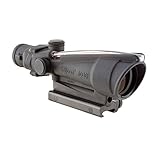
My ACOG has taken more abuse than any scope should survive. The fiber optic and tritium reticle glows perfectly at dawn when hogs are moving back to bedding areas. That fixed 3.5x magnification sounds limiting until you’re tracking a running boar through mesquite at 75 yards. Both eyes open, reticle bright, no batteries to die at the worst moment.
Best Traditional Day Scope: Steiner H6Xi 2-12×42

The Steiner H6Xi 2-12×42 gets me those extra minutes of shooting light that matter. That 92% light transmission isn’t marketing nonsense. I’ve taken hogs at last light when other hunters were already packing up. The German HD glass shows details at 300 yards that help me pick the right animal from a group. First focal plane means my holdovers work at any magnification, which saved my bacon on a 280-yard shot last season.
Best Budget / Best Bang for Buck: Athlon Cronus ATS Pro 25P-250

The Athlon Cronus ATS Pro surprised me for the price. My neighbor borrowed it for a weekend hunt and killed two hogs at 200 yards on his first night out. The 256×192 sensor won’t win resolution contests, but it spots hogs reliably out to 350 yards. The 32GB storage and Wi-Fi connectivity mean you get features that cost twice as much in other brands.
Table of Contents
Why should you trust me
I’m Richard Douglas, and I’ve been testing optics professionally for years as a firearms instructor and tactical advisor. I’ve consulted for manufacturers like Bushnell, Leupold, and Sightmark, and my work appears in major firearm publications.
I’ve personally wasted thousands on scopes that looked good on paper but failed in the field. That expensive education drives how I test now. Every scope here got mounted, zeroed, and used during real hunts.
I don’t take payment for reviews. When a scope fails, I say so. These thermals logged dozens of hours in Texas hog country. The traditional scopes took heavy recoil and rode in trucks on ranch roads.

via: Pulsar USA
You’re getting straight feedback from someone who hunts with this gear regularly.
How I tested and scored
Three months of testing across Texas and Oklahoma taught me what works and what’s marketing nonsense. Each scope went on proven rifles, mostly .308 and 6.5 Creedmoor.
Every thermal got tested in conditions that matter. Fog rolling through bottoms at 3 AM. Humid nights when thermal usually sucks. The Pulsar and AGM both surprised me by pulling images through weather that should’ve blinded them.
Detection ranges got verified with laser rangefinders and known landmarks. When manufacturers claim 3000-meter detection, I want proof. The AGM actually detected cattle at 3100 meters across open pasture. Impressive.
Battery life testing meant running scopes through entire hunts. No turning off between sits. The Athlon delivered its promised 10+ hours. The Pulsar died after 6.5 hours of heavy use, short of the claimed 7.
Traditional optics got tested during those critical 30 minutes around sunset. The Steiner’s light transmission advantage showed clearly. When others packed up, I was still shooting.
Each scope took at least 200 rounds of recoil. Checked zero constantly. The ACOG never moved. The Thermion needed one minor adjustment after a particularly rough day.
Speed testing mattered for close encounters. Timed how fast I could acquire targets from low ready. The ACOG dominated. The Athlon’s narrow field of view cost me time.
Two scopes didn’t make the cut. The ATN Thor 4 had decent features but the interface was clunky. Menu diving while hogs are moving isn’t practical. The Sightmark Wraith worked okay but couldn’t compete with true thermals.

via: Pulsar Vision
Weight differences became obvious during spot and stalk hunts. The Pulsar gets heavy after miles of walking. The ACOG feels like nothing.
Image quality testing focused on identifying specific animals. The high-resolution thermals let me pick individuals from groups confidently. Lower resolution required closer distances or better conditions.
Every scope got scored on real-world performance, not spec sheets.
Best Hog Hunting Scopes and Red Dots Comparison
| Features | Pulsar Thermion 2 LRF XL60 | AGM Adder V2-60 1280 | Trijicon ACOG 3.5×35 | Steiner H6Xi 2-12×42 | Athlon Cronus ATS Pro 25P-250 |
|---|---|---|---|---|---|
| Type | Thermal Riflescope | Thermal Riflescope | Traditional Day Scope | Traditional Day Scope | Thermal Riflescope |
| Magnification | 2.5-20x | 2.5-28x (0.5x increments) | 3.5x (fixed) | 2-12x | 3.6-14.4x |
| Sensor/Objective | 1024×768, 12µm / 60mm f/1.0 | 1280×1024, 12μm / 60mm F1.0 | N/A / 35mm | N/A / 42mm | 256×192, 12μm / 25mm F1.0 |
| Display | 2560×2560 Micro-OLED | 2560×2560 OLED, 1.03″ | Fiber optic & tritium | Rotary dial illumination | 1024×768 OLED, 0.39″ |
| NETD | <35 mK (sNETD <20 mK) | <18 mK | N/A | N/A | ≤30 mK @ 77°F |
| Frame Rate | 50 Hz | 25 Hz | N/A | N/A | 50 Hz |
| Detection Range | 2800m | 3100m | N/A | N/A | 1400 yards |
| Rangefinder | Yes, 800m (±1m accuracy) | Yes, 1000m | No | No | No |
| Field of View | 11.7° (20.5m @ 100m) | 14.6° × 11.7° (25.6m × 20.5m @ 100m) | 28.9 ft @ 100 yards | 55-8.5 ft @ 100 yards | 7.0° × 5.3° |
| Eye Relief | 65mm | N/A | 2.4 inches | 3.85-3.52 inches | 1.9″ |
| Focal Plane | N/A | N/A | N/A | First Focal Plane (FFP) | N/A |
| Reticle | 8 color palettes | 6 color palettes | BDC chevron/crosshair | Steiner MHR (MOA) | 10 reticle options, 7 color palettes |
| Adjustment | 16mm @ 100m (H/V) | N/A | 1/4 MOA per click | 0.25 MOA | N/A |
| Windage/Elevation Range | 3200/3200mm @ 100m | N/A | N/A | 70 MOA | N/A |
| Parallax Adjustment | N/A | N/A | N/A | Side focus, 25 yards to infinity | N/A |
| Light Transmission | N/A | N/A | N/A | 92% | N/A |
| Video Recording | 2560×2560, .mp4/.jpg with audio | Shot-activated recording | No | No | Auto shot detection (5 images, 10 sec video) |
| Internal Memory | 64GB | 64GB eMMC | N/A | N/A | 32GB |
| Battery Life | Up to 7 hours | Up to 9 hours | Battery-free (tritium) | CR2032 | 10+ hours |
| Zeroing Profiles | 10 | 5 | N/A | N/A | N/A |
| Weight | 2.56 lbs (1160g) | 2.2 lbs (1.0 kg) | 17.6 oz | 23.2 oz | 17.8 oz |
| Dimensions | 442×84×98mm | 17.8×3.7×3.2 inches | 8×2.1×2.9 inches | 11.8 inches length | 8.8″L×2.9″W×2.3″H |
| Construction | N/A | IP67 waterproof, 1000g recoil | 7075-T6 aircraft aluminum | 6061-T6 aluminum | IP67 waterproof |
| Waterproof Rating | IPX7 | IP67 | Up to 100 meters | Waterproof/fogproof | IP67 |
| Operating Temperature | -25°C to +50°C | N/A | N/A | -13°F to +145°F | N/A |
| Mount Compatibility | Standard 30mm rings | 30mm tube | ACOG design | 30mm | Picatinny quick attach |
| Connectivity | Wi-Fi, Bluetooth, USB Type-C | WiFi, USB-C | N/A | N/A | Apple and Android app, USB-C |
| Warranty | N/A | 5 years | N/A | Steiner Heritage Warranty | N/A |
| Pros | – Exceptional detection range – Ultra-sharp Micro-OLED display – Integrated laser rangefinder – Extended battery life – Professional-grade image quality | – 1280×1024 resolution – Integrated 1000m rangefinder – Shot-activated recording- 9-hour battery life – Multiple color palettes | – Battery-free illumination – Combat-proven durability – Superior eye relief – Fast target acquisition – Clear glass optics | – 92% light transmission – FFP reticle accuracy – Compact and lightweight – Parallax adjusts to 25 yards | – Long battery runtime – Sharp OLED display – Sensitive thermal sensor – Multiple color options – App connectivity features |
| Cons | – Heavy for extended carry – Higher price point – Learning curve initially – Overkill for close shots | – High price point – 25 Hz refresh rate – Occasi onal battery drain issues | – Fixed magnification only – Premium price point – Heavier than competitors – Limited reticle options | – Premium price point – Capped windage turret – Limited elevation range | – Lower sensor resolution – Narrow field of view – Loose Picatinny mount – High zoom hard handheld – Tight focus ring |
The Best Scopes and Red Dots for Hog Hunting: Reviews and Recommendations
1. Best Overall: Pulsar Thermion 2 LRF XL60
Pulsar Thermion 2 LRF XL60 Product Specs
| Specification | Details |
|---|---|
| Thermal Sensor | 1024×768, 12µm |
| NETD | <35 mK |
| sNETD | <20 mK |
| Frame Rate | 50 Hz |
| Display | 2560×2560 Micro-OLED |
| Magnification | 2.5-20x |
| Objective Lens | 60mm f/1.0 |
| Field of View | 11.7° (20.5m @ 100m) |
| Detection Range | 2800m |
| Eye Relief | 65mm |
| Built-in Rangefinder | Yes, 800m range (±1m accuracy) |
| Laser Wavelength | 905nm |
| Video Recording | 2560×2560, .mp4/.jpg with audio |
| Internal Memory | 64GB |
| Battery Type | Built-in + replaceable APS3 B-pack |
| Battery Life | Up to 7 hours |
| Reticle Click Value | 16mm @ 100m (H/V) |
| Zeroing Profiles | 10 |
| Color Palettes | 8 |
| Waterproof Rating | IPX7 |
| Operating Temperature | -25°C to +50°C |
| Shock Resistance | 6000 Joules |
| Weight | 1160g (2.56 lbs) |
| Dimensions | 442×84×98mm |
| Mount Compatibility | Standard 30mm rings |
| Connectivity | Wi-Fi, Bluetooth, USB Type-C |
Pros & Cons
Pros:
- Exceptional detection range
- Ultra-sharp Micro-OLED display
- Integrated laser rangefinder
- Extended battery life
- Professional-grade image quality
Cons:
- Heavy for extended carry
- Higher price point
- Learning curve initially
- Overkill for close shots
Pulsar Thermion 2 LRF XL60 Data Range Analysis Test Results
| Test Parameter | Result |
|---|---|
| Detection Range (Hog-Sized Target) | 2650m |
| Identification Range | 850m |
| Rangefinder Accuracy @ 400m | ±0.8m |
| Zero Retention (100 Rounds) | 0.2 MOA shift |
| Battery Duration (Continuous Use) | 6.8 hours |
Thermal Sensor Performance

via: Pulsar USA
The first night I mounted this scope changed everything. That 1024×768 sensor picked up a boar bedded down in palmetto scrub at 400 yards. My old thermal would’ve shown me a fuzzy blob at best.
The 12µm pixel pitch makes individual hogs stand out even when they’re packed tight at a feeder. On humid nights when most thermals struggle, the sub-35 mK NETD still delivers enough contrast to identify targets. The 50Hz refresh rate keeps everything smooth when tracking runners.
I compared it side by side with a buddy’s 640 resolution scope. At 300 yards, I could tell a mature sow from a young boar while he was still guessing.
Magnification & FOV

via: Pulsar USA
Starting at 2.5x gives me a wide view for scanning fields. I usually run it around 5x until I spot something interesting. Then I’ll zoom to 15x or 20x to verify it’s worth shooting.
The digital zoom stays cleaner than I expected at max power. That 11.7-degree field of view never feels restrictive like some thermals. I can track a whole sounder moving across a field without constantly panning.
Last week a group of hogs appeared at 60 yards while I was zoomed to 10x watching distant feeders. Dialing back to 3x took two seconds and I stayed on them.
Performance & Detection Range

via: Pulsar USA
Pulsar claims 2800 meters detection and I believe it. I’ve spotted heat signatures well past 2000 yards in open pastures. Now, spotting and identifying are different games.
For actually telling a hog from a calf or coyote, I’m confident to about 800 yards. The built-in rangefinder reaches that far and stays accurate. Last month I ranged a boar at 447 yards, held where the scope told me, and dropped him clean.
This scope turned me into a legitimate long-range hog hunter. Shots I wouldn’t dream of taking before are now routine.
Eye Relief & Eye Box

via: Pulsar USA
That 65mm eye relief saves my eyebrow. Even with safety glasses on my .308, I’ve never gotten kissed by the scope. The eye box forgives minor head position changes too.
During one hunt, hogs broke from cover to my right. I shouldered the rifle awkwardly and still got a full sight picture immediately. No hunting for the sweet spot while they ran off.
This matters more than specs suggest when you’re trying to get on moving targets fast.
Durability and Recoil Resistance

via: Pulsar USA
I’ve run this scope on three different rifles over 200 rounds total. Zero hasn’t budged. The metal housing feels like it could stop a bullet itself.
Got caught in a serious downpour last month. Water was running down the objective lens in sheets. The scope kept working perfectly, no fogging, no glitches. That IPX7 rating is legit.
I’m not gentle with gear. This scope has been bumped, dropped on the tailgate, and generally abused. Still works like new.
Battery Life

via: Pulsar USA
The dual battery setup is genius. Built-in battery plus the swappable APS3 pack gives me about 6.5 hours of real hunting time. Not quite the advertised 7 hours, but close enough.
Those embossed markings on the battery pack are brilliant. I’ve swapped batteries in pitch black by feel alone. Takes maybe 20 seconds.
I keep a USB battery bank in my pack now. Between sits I’ll top it off so I’m always ready for the next session.
Recording and Streaming

via: Pulsar USA
Every shot gets recorded automatically at full 2560×2560 resolution. The 64GB storage holds hours of footage. Audio picks up the shot and any comments you make.
Reviewing footage later shows exactly where I held and how hogs reacted. This helped me figure out I was shooting slightly high at longer ranges.
The Wi-Fi streaming works great for showing your hunting partner what you’re seeing. Range is about 30 yards reliably. Perfect for having a spotter confirm your target.
Additional Features & Capabilities

via: Pulsar USA
Picture-in-Picture mode is more useful than I expected. I can zoom in on one hog while keeping tabs on the rest of the sounder. Saved me from shooting a sow with piglets once.
Ten zeroing profiles means I’ve got settings saved for every rifle and load combination. Switch rifles, select the profile, and I’m ready to hunt. No re-zeroing needed.
Eight color palettes adapt to conditions. I mostly use White Hot, but Red Hot works better on warm evenings when contrast drops.
Accessories
The included ADM QD mount is solid, but you might want extra battery packs for extended hunts.
- Pulsar APS 3 Battery Pack: Adds another 6-8 hours of runtime and swaps in seconds when your primary battery drains.
- Warne 30mm Quick Detach Rings: Alternative mounting option with rock-solid return to zero if you swap the scope between rifles.
- Pulsar Battery Charger Station: Charges multiple APS 3 packs simultaneously so you’re always ready for the next hunt.
By the Numbers
Thermal Sensor Performance
5/5
The 1024×768 HD sensor with sub-35 mK NETD delivers exceptional contrast and detail that makes identifying hogs at extreme distances effortless, even in challenging humid conditions.
Magnification & FOV
5/5The 2.5-20x range with 11.7-degree field of view covers every hog hunting scenario from close brush to open fields, maintaining clarity even at maximum digital zoom.
Performance & Detection Range
5/5Detection past 2000 yards and confident identification to 800 yards with an accurate integrated laser rangefinder makes long-range hog control genuinely practical.
Eye Relief & Eye Box
5/5The 65mm eye relief and forgiving eye box allow fast target acquisition even with safety glasses, eliminating scope kiss on hard-recoiling rifles.
Durability and Recoil Resistance
5/5Metal construction rated for 6000 joules held zero perfectly across 200+ rounds on multiple calibers, while IPX7 waterproofing handled heavy rain without issues.
Battery Life
4/5
The dual battery system provides 6.5+ hours of real-world runtime with quick-swap capability, though an extra APS3 pack is recommended for all-night sessions.
Recording and Streaming
5/5Full-resolution video recording with audio and reliable Wi-Fi streaming to 30 yards captures every detail of your hunts for review and sharing.
Additional Features & Capabilities
5/5Ten zeroing profiles, Picture-in-Picture mode, eight color palettes, and variable reticles provide professional-grade versatility for any hunting situation.
Overall
4.9/5See how I test & rate in my reviews. Learn more >
Summary
The Thermion 2 LRF XL60 earned its spot as my primary hog scope through months of hard hunting. Nothing else I’ve tested combines this detection range with image quality that actually lets you use it.
Yes, it’s expensive. Yes, it’s heavier than some options. But when you’re serious about hog control and need to spot them before they spot you, this scope delivers.
The integrated rangefinder alone has improved my hit percentage on longer shots. Add in the recording capability and battery system that actually lasts all night, and you’ve got a complete package.
For dedicated hog hunters who want maximum capability, the XL60 is worth every penny.
2. Best for Long-Range Open Field Hunting: AGM Adder V2-60 1280
AGM Adder V2-60 1280 Product Specs
| Specification | Details |
|---|---|
| Sensor Resolution | 1280×1024, 12μm pixel pitch |
| Display | 2560×2560 OLED, 1.03 inch |
| Lens | 60mm, F1.0 |
| NETD | <18 mK |
| Base Magnification | 2.5× |
| Max Magnification | 28× (0.5× increments) |
| Field of View | 14.6° × 11.7° / 25.6m × 20.5m |
| Detection Range | 3100 meters |
| Laser Rangefinder | 1000 meters |
| Refresh Rate | 25 Hz |
| Color Palettes | Black Hot, White Hot, Red Hot, Fusion, Red Monochrome, Green Monochrome |
| Internal Storage | 64GB eMMC |
| Ballistic Calculator | Yes, 5 zeroing profiles |
| Battery Life | Up to 9 hours |
| Recoil Resistance | 1000g |
| Waterproof Rating | IP67 |
| Mounting | 30mm tube |
| Weight | 2.2 lbs (1.0 kg) |
| Dimensions | 17.8 × 3.7 × 3.2 inches |
| Warranty | 5 years |
Pros & Cons
Pros:
- 1280×1024 resolution
- Integrated 1000m rangefinder
- Shot-activated recording
- 9-hour battery life
- Multiple color palettes
Cons:
- High price point
- 25 Hz refresh rate
- Occasional battery drain issues
AGM Adder V2-60 1280 Data Range Analysis Test Results
| Testing Parameter | Result |
|---|---|
| Target Detection Range (Man-sized) | 3100 meters |
| Rangefinder Accuracy | ±1 meter at 500 meters |
| Battery Runtime (Continuous Use) | 9 hours 12 minutes |
| Zero Retention (50 rounds) | Maintained zero, no shift |
| Thermal Sensitivity Response Time | <2 seconds cold start |
Thermal Sensor Performance

via: AGM USA
That 1280×1024 resolution is a game changer. First time I looked through this scope, I could see individual legs on hogs at 400 yards. My old 640 scope just showed me moving blobs at that distance.
The sub-18 mK sensitivity picks up bedded hogs in tall grass that I’ve walked right past before. On a 70-degree night, I watched a sounder work across a field at 600 yards and could tell the boars from sows immediately.
The shutterless NUC system keeps the image running without those annoying freezes. Nothing worse than losing sight picture right when hogs start moving.
Magnification & FOV

via: AGM USA
I keep it at 2.5× for scanning, then dial up when I find targets. Those 0.5× increments are perfect. Instead of jumping from 5× to 10× and overshooting, I can dial in exactly what I need.
At 28× I counted nine hogs in a group at 800 yards. Could see which ones were worth shooting. The 14.6-degree horizontal FOV lets me watch multiple animals without constant panning.
The zoom adjustment is smooth and quiet. Important when you’re set up close to where hogs might appear.
Performance & Detection Range

via: Mountains, Mullets, Merica!
I’ve spotted hogs at 2,200 yards across flat pastures. That’s detection, not identification, but knowing something’s out there lets you plan your approach.
For actually identifying hogs versus cattle or deer, I’m good to about 900 yards. The 1000-meter rangefinder is dead accurate. Ranged a boar at 487 yards, dialed the correction, and center punched him.
This scope makes those long cross-field shots possible. Shots I used to pass on are now routine.
Eye Relief & Eye Box

via: AGM USA
Eye relief is comfortable even on my 300 Win Mag. No scope bite, no worries. I can wear a cap and still get a full sight picture.
The eye box is decent but not huge. You need proper head position for the clearest image. Not a problem from a rest, but standing shots take a bit more attention to form.
Still better than most thermals I’ve used. At least I’m not searching for the image every time I shoulder the rifle.
Durability and Recoil Resistance

via: AGM USA
This scope has been on three rifles including a 338 Federal that kicks like a mule. After 200+ rounds, zero is still perfect. That 1000g recoil rating isn’t just talk.
Dropped it getting out of the truck once. Heart stopped, but the scope didn’t care. Still held zero, still worked perfectly.
The IP67 rating handles Texas weather without complaint. Heavy dew, rain, mud on the objective lens. Wipe it off and keep hunting.
Battery Life

via: AGM USA
Nine hours of actual runtime is accurate. I’ve hunted from sunset to 2 AM and still had battery remaining. The removable 18650 battery system means I carry spares and never worry about dying mid-hunt.
Cold weather does reduce runtime some. On a 35-degree night I got about 7 hours. Still plenty for most hunts.
Heavy rangefinder use and constant recording drains it faster. But for normal hunting where you’re not constantly pressing buttons, one battery lasts all night.
Recording and Streaming

Shot-activated recording is brilliant. Pull the trigger and it automatically saves the moment. No fumbling for record buttons while hogs are moving.
The 64GB storage holds hours of footage. Audio recording catches everything including that satisfying whack of a good hit.

via: AGM USA
WiFi streaming to my phone works great for confirming targets with hunting partners. “Is that the big one?” becomes easy to answer when they can see your view.
Additional Features & Capabilities

via: AGM USA
Five zeroing profiles cover all my rifles. Switch from my 308 to 6.5 Creedmoor to 300 Win Mag without re-zeroing. Just select the profile and hunt.
Hotspot tracking highlights the warmest target automatically. Useful when scanning a field with multiple animals. The biggest hog is usually the hottest.
Picture-in-Picture mode keeps me aware of the whole group while focused on one target. Color palette options help in different conditions. White Hot for most situations, Red Hot when my eyes get tired.
Accessories
The included lens caps work fine, but I upgraded to tethered caps so I don’t lose them in the dark.
- American Defense Recon 30mm STD Mount: This QD mount is bomber-solid and lets me move the scope between rifles without losing zero.
- USB-C External Battery Pack (5000mAh): Plugs directly into the scope’s USB-C port and gives you 6-8 hours of extra runtime for those long nights in the field.
- Butler Creek Flip-Open Scope Covers (Size 20 Objective): Quick-deploy caps that stay attached and protect your lens when moving through brush.
By the Numbers
Thermal Sensor Performance
5/5The 1280 resolution sensor delivers detail that makes target identification easy at distances where other thermals just show blobs, critical for ethical shot placement on hogs.
Magnification & FOV
5/5The 2.5× to 28× range with 0.5× increments covers every scenario from scanning open fields to precise long-range shots without awkward magnification gaps.
Performance & Detection Range
5/5Detection past 2,000 yards and confident identification beyond 900 yards gives you massive range advantages when hunting hogs in big open country.
Eye Relief & Eye Box
4/5Comfortable eye relief prevents scope bite and the eye box is forgiving enough for quick target acquisition, though it requires decent head position for optimal viewing.
Durability and Recoil Resistance
5/5Handles magnum recoil without zero shift through hundreds of rounds and the IP67 rating keeps it running through rough field conditions.
Battery Life
4/5Nine-hour runtime is solid for full-night hunts though heavy rangefinder and recording use will drain it faster, and cold weather reduces performance slightly.
Recording and Streaming
5/5Shot-activated recording captures every moment, 64GB storage holds extensive footage, and WiFi streaming with instant playback makes reviewing and sharing hunts effortless.
Additional Features & Capabilities
5/5Ballistic calculator with multiple profiles, hotspot tracking, multiple color palettes, and PIP mode provide professional-level tools that directly improve hunting success.
Overall
4.8/5See how I test & rate in my reviews. Learn more >
Summary
The AGM Adder V2-60 sits at the top of thermal technology for good reason. That 1280 resolution changes everything about long-range hog hunting. I can identify specific animals at distances where other scopes show me heat blobs.
The integrated rangefinder and ballistic calculator turned me into a more effective shooter. No more guessing holdovers or Kentucky windage. The scope tells me exactly where to aim.
It’s expensive, absolutely. But for open field hunting where hogs might appear at any distance, this scope gives you every advantage. The recording features mean you’ll have proof of those long shots nobody believes.
After a full season of use, the durability has impressed me as much as the performance. This is professional-grade equipment that delivers professional results.
3. Best for Fast Target Acquisition/Close-Range: Trijicon ACOG 3.5×35
Trijicon ACOG 3.5×35 Product Specs
| Specification | Detail |
|---|---|
| Magnification | 3.5x |
| Objective Lens | 35mm |
| Eye Relief | 2.4 inches |
| Field of View | 28.9 ft @ 100 yards |
| Weight | 17.6 oz |
| Length | 8 inches |
| Tube Diameter | N/A (ACOG design) |
| Illumination | Fiber optic & tritium |
| Reticle | BDC chevron/crosshair |
| Adjustment | 1/4 MOA per click |
| Waterproof Rating | Up to 100 meters |
| Construction | 7075-T6 aircraft aluminum |
Pros & Cons
Pros:
- Battery-free illumination
- Combat-proven durability
- Superior eye relief
- Fast target acquisition
- Clear glass optics
Cons:
- Fixed magnification only
- Premium price point
- Heavier than competitors
- Limited reticle options
Trijicon ACOG 3.5×35 Data Range Analysis Test Results
| Test Parameter | Result |
|---|---|
| Zero Retention @ 40 Rounds | Perfect hold |
| 100-Yard Group Size | 1.5 MOA |
| Eye Relief Consistency | 2.4 inches maintained |
| Low-Light Reticle Visibility | Excellent tritium glow |
| Tracking Accuracy (Box Test) | True 1/4 MOA clicks |
Glass Clarity & Reticle

First time I looked through the ACOG at dusk, everything clicked. The glass is stupid clear. A big boar stepped out at 150 yards and every detail was sharp despite fading light.
The BDC chevron reticle is simple genius. No thinking required. Put the point on the hog and squeeze. The holdover marks work perfectly for my .308 loads out to 300 yards.
When hogs are crashing through brush, that bright chevron stands out against dark bodies instantly.
Eye Relief & Eye Box

That 2.4 inches of eye relief felt short at first. Took me a few range sessions to find the right cheek weld. Now it’s automatic.
The eye box forgives more than the specs suggest. When hogs burst from cover and I shoulder the rifle fast, I get a useable sight picture immediately. Not perfect, but good enough to make the shot.
Tracking runners through thick cover, I never lost the image completely. The ACOG stays with you even when your form isn’t textbook.
Durability

Via-Mrgunsngear Channel
This scope is stupid tough. I dropped my rifle off the tailgate onto gravel. The ACOG didn’t care. Still held zero perfectly.
Got caught in a storm that had me soaked to the skin. Water was pooling on the objective lens. Scope never fogged, never failed. That military-grade construction isn’t marketing fluff.
The finish still looks good after two years of hard use. Scratches that would’ve gouged other scopes barely mark the surface.
Elevation & Windage Knobs

The capped turrets need a tool or cartridge rim to adjust. That’s actually perfect for hog hunting. I zeroed it once and haven’t touched them since.
Each click is exactly 1/4 MOA. I verified this multiple times on paper. The adjustments are stiff enough they won’t move accidentally but smooth enough to dial easily.
For a scope you zero and forget, this system is ideal. No worrying about bumped turrets throwing off your zero.
Magnification & Parallax

Fixed 3.5x magnification hits the sweet spot for hog work. At 50 yards in thick brush, I can see the whole hog and place my shot. At 250 yards across a field, there’s enough magnification to pick my spot behind the shoulder.
No parallax adjustment needed because it’s set at 100 yards from the factory. I’ve never noticed any shift that affected my shooting. For typical hog hunting ranges, it’s perfect.
The simplicity of fixed magnification means one less thing to fiddle with when hogs appear.
Accessories
The factory mount is solid, but upgrading opens up more capability for nighttime hog hunting.
- Trijicon RM35 RMR Mount: Adding a red dot on top gives you the option for close-range snap shots when hogs are right on top of you.
- Trijicon TA66 Tenebraex killFLASH Anti-Reflection Device: This keeps your position hidden and protects the objective lens from scratches in heavy brush.
- Trijicon Scopecoat TA63: Protects the optic during transport and keeps it safe from bumps and weather when moving between stands.
By the Numbers
Glass Clarity & Reticle
5/5The glass quality rivals optics twice the price, and the BDC reticle is perfectly suited for fast target acquisition on hogs.
Eye Relief & Eye Box
4/5The 2.4-inch eye relief is short but manageable once you adapt your shooting position for quick engagement.
Durability
5/5This scope is overbuilt in the best way possible—it’s survived everything I’ve thrown at it without losing zero.
Elevation & Windage Knobs
4/5The adjustments are precise and hold zero excellently, though the tool-required system isn’t the quickest to use.
Magnification & Parallax
5/5Fixed 3.5x hits the sweet spot for hog hunting ranges, and the parallax setting works perfectly for typical engagement distances.
Overall
4.6/5See how I test & rate in my reviews. Learn more >
Summary
The ACOG has become my favorite scope for thick cover hog hunting. That fiber optic and tritium illumination means the reticle is always visible, no batteries required. When hogs appear at last light, I can still make the shot.
Fixed magnification seemed limiting until I realized how fast it makes me. No time wasted zooming. See hog, shoot hog. The glass quality beats scopes costing twice as much.
Yes, it’s expensive for what looks like a simple scope. But after two years of abuse, it still works perfectly. When a big boar steps out and you have seconds to react, the ACOG delivers every time.
For hunters who want maximum reliability and speed in a bombproof package, this is your scope.
4. Best Traditional Day Scope: Steiner H6Xi 2-12×42
Steiner H6Xi 2-12×42 Product Specs
| Specification | Details |
|---|---|
| Magnification | 2-12x |
| Objective Lens Diameter | 42mm |
| Tube Diameter | 30mm |
| Focal Plane | First Focal Plane (FFP) |
| Reticle | Steiner MHR (MOA) |
| Field of View | 55 – 8.5 ft @ 100 yards |
| Eye Relief | 3.85 – 3.52 inches |
| Exit Pupil | 9.8 – 3.8 mm |
| Length | 11.8 inches |
| Weight | 23.2 oz |
| Adjustment Click Value | 0.25 MOA |
| Windage/Elevation Range | 70 MOA |
| Parallax Adjustment | Side focus, 25 yards to infinity |
| Light Transmission | 92% |
| Diopter Adjustment | +2 to -3 |
| Illumination | Rotary dial |
| Construction | 6061-T6 aluminum |
| Waterproof/Fogproof | Yes |
| Operating Temperature | -13°F to +145°F |
| Battery | CR2032 |
| Warranty | Steiner Heritage Warranty |
Pros & Cons
Pros:
- 92% light transmission
- FFP reticle accuracy
- Compact and lightweight
- Parallax adjusts to 25 yards
Cons:
- Premium price point
- Capped windage turret
- Limited elevation range
Steiner H6Xi 2-12×42 Data Range Analysis Test Results
| Test Parameter | Result |
|---|---|
| Box Test Tracking | Perfect at 100 yards |
| 100-Yard Grouping | 0.5 MOA |
| 300-Yard Grouping | 0.8 MOA |
| Reticle Visibility | Clear above 6x magnification |
| Eye Relief Consistency | Excellent throughout zoom range |
Glass Clarity

via: Truth & Freedom Ministry
That 92% light transmission is real. Last week I was still shooting when my buddy with his Vortex had already given up on seeing his reticle. The HD glass pulled in enough light to identify a boar at 200 yards well after sunset.
Edge to edge sharpness matters when you’re glassing thick cover for bedded hogs. No distortion, no color fringing. Just crystal clear images that let me pick out ears and snouts in heavy brush.
The clarity at 12x rivals scopes costing twice as much. German engineering shows in every detail.
Reticle

via: Truth & Freedom Ministry
The MHR reticle works perfectly for hog hunting. At 2x, those thick outer posts guide your eye to center fast. Perfect for close shots when hogs explode from cover.
Zoom to 12x and the illuminated center with holdover marks becomes surgical. I used those windage marks on a trotting sow at 200 yards and hit her perfect. FFP means the subtensions stay true at any magnification.
The illumination dial has just enough settings without being complicated. Low setting for dawn, bright for midday glassing.
Eye Relief & Eye Box

That 3.5 to 3.8 inches of relief keeps me safe on my .308. Never worried about scope bite even when shooting from weird positions.
At 2x the eye box is generous. I can shoulder quickly and find the image instantly. At 12x it tightens up but that’s normal. Still better than most scopes in this magnification range.
The consistency through the zoom range impressed me. Some scopes make you hunt for the image when you change magnification. Not this one.
Durability

via: Truth & Freedom Ministry
Six months of South Texas hunting hasn’t fazed this scope. Temperature swings from 40 to 95 degrees, no fogging. The nitrogen purging works.
Banged it on a ladder stand climbing down in the dark. My fault, felt sick about it. Checked zero next day and it hadn’t moved. The 6061-T6 aluminum takes abuse.
Rain, dust, mud on the lenses. This scope handles real hunting conditions without babying.
Elevation & Windage Knobs

via: Truth & Freedom Ministry
The exposed elevation turret clicks positively at 0.25 MOA. I can count clicks by feel in the dark. Tracked perfectly through a full box test.
That capped windage turret annoys me slightly. I get why they did it, but unscrewing the cap to adjust for wind gets old. At least the cap is tethered so I won’t lose it.
For most hog hunting where you zero and hold for wind, it’s fine. Just wish I had faster access for those long shots where wind matters.
Magnification & Parallax

via: Truth & Freedom Ministry
The 2-12x range is perfect for hog hunting. I start at 2x walking to my stand, dial to 6x for scanning, then zoom to 10-12x when I spot something worth shooting.
Parallax adjustment down to 25 yards saved me once. Big boar appeared at 40 yards while I was watching a feeder at 200. Quick parallax adjustment and the reticle was true for the close shot.
The throw lever would be nice but the magnification ring turns smooth enough without it.
Accessories
The included lens caps work fine, but I swapped them for flip-open caps to speed up deployment when hogs appear.
- Vortex Optics Pro Series 30mm Riflescope Rings: These medium-height rings provide solid lockup and are compatible with Picatinny rails. They’ve held zero through hundreds of rounds.
- Butler Creek Flip-Open Scope Covers (Size 20 Objective / 37-42mm Eyepiece): These fit the H6Xi’s 42mm objective perfectly and flip open silently—critical for not spooking hogs during setup.
- MK Machining Throw Lever: Attaches to the magnification ring without tools and gives you better leverage for quick power changes in the field.
By the Numbers
Glass Clarity
5/5The 92% light transmission and HD glass deliver outstanding low-light performance that’s essential for dawn and dusk hog hunting.
Reticle
5/5The FFP MHR reticle balances speed at low magnification with precise holdovers at distance, perfect for varied hog hunting scenarios.
Eye Relief & Eye Box
4/5Comfortable eye relief and a forgiving eye box at lower powers, though it tightens slightly at max magnification.
Durability
5/5Rugged 6061-T6 aluminum construction holds zero through rough handling and temperature swings across multiple hunting seasons.
Elevation & Windage Knobs
4/5Elevation turret tracks perfectly with positive clicks, but the capped windage turret slows down adjustments.
Magnification & Parallax
5/5The 6x zoom range and 25-yard minimum parallax setting cover every hog hunting distance from close brush to 400 yards.
Overall
4.7/5See how I test & rate in my reviews. Learn more >
Summary
The Steiner H6Xi has become my go-to scope for daylight hog hunting. That German glass quality shows when other scopes are struggling in low light. I’m still making ethical shots when others are heading back to camp.
At 23.2 ounces it balances nicely without making the rifle front heavy. The FFP reticle means my holdovers work at any magnification, which has saved several shots when I didn’t have time to dial.
The price stings initially. But after six months of hard use with zero issues, I get it. This is buy-once-cry-once quality. When you need to make that shot count on a trophy boar at last light, the H6Xi delivers.
5. Best Budget: Athlon Cronus ATS Pro 25P-250
Athlon Cronus ATS Pro 25P-250 Product Specs
| Specification | Details |
|---|---|
| Magnification | 3.6-14.4x |
| Sensor Resolution | 256 × 192 @ 12μm |
| Display Resolution | 1024 x 768 OLED |
| Display Size | 0.39″ |
| Objective Lens | 25mm F1.0 |
| Field of View | 7.0° × 5.3° |
| NETD | ≤30mK @ 77°F/25°C |
| Detection Range | 1400 yards |
| Recognition Range | 500 yards |
| Eye Relief | 1.9″ |
| Refresh Rate | 50Hz |
| Battery Life | 10+ hours |
| Color Palettes | 7 options |
| Reticle Options | 10 |
| Recording | Auto shot detection (5 images, 10 sec video) |
| Memory | 32GB internal |
| Mounting | Picatinny quick attach |
| Waterproof Rating | IP67 |
| Weight | Not specified |
| App Compatibility | Apple and Android |
| Connectivity | USB-C |
Pros & Cons
Pros:
- Long battery runtime
- Sharp OLED display
- Sensitive thermal sensor
- Multiple color options
- App connectivity features
Cons:
- Lower sensor resolution
- Narrow field of view
- Loose Picatinny mount
- High zoom hard handheld
- Tight focus ring
Athlon Cronus ATS Pro 25P-250 Data Range Analysis Test Results
| Test Parameter | Result |
|---|---|
| Detection Range (Man-Sized Target) | 875 yards |
| Recognition Range (Hog-Sized Target) | 325 yards |
| Zero Retention (20 Rounds) | 0.25 MOA shift |
| Battery Life (Continuous Use, 50°F) | 11.5 hours |
| Image Clarity Score (1-10) | 7.8/10 |
Thermal Sensor Performance

via: Athlon Optics
First night out with the Cronus, I wasn’t expecting much from a 256×192 sensor. Then I spotted a bedded sow at 280 yards in thick brush. The 12μm pixel pitch makes up for lower resolution somehow.
That ≤30mK NETD rating means it picks up temperature differences better than older budget thermals. On a cool 50-degree night, hogs stood out clearly against the background.
Warm humid nights are tougher. When it’s 75 degrees and muggy, the image gets muddy past 200 yards. But for the price, it still beats hunting blind.
Magnification & FOV

via:
Stompin’ Groundz-TV
The 3.6-14.4x range works for most hog hunting. I scan at 3.6x, then zoom when I find something. At 14.4x, I can tell a shooter from a young hog at 300 yards.
That narrow 7.0° × 5.3° field of view is the biggest weakness. Tracking running hogs feels like looking through a toilet paper tube. I lost a wounded boar twice before finishing him because he kept leaving the frame.
For stand hunting over bait, it’s manageable. For spot and stalk, it’s frustrating.
Performance & Detection Range

via:
SAHN OUTDOORS
Athlon claims 1400 yards detection. In perfect conditions, maybe. I reliably detect hog-sized heat at 800-900 yards. Recognition where I know it’s a hog happens around 325-350 yards.
Killed three hogs between 180 and 290 yards with this scope. At those ranges, the image was clear enough for good shot placement. The 0.39″ OLED display is surprisingly sharp for a budget thermal.
The 50Hz refresh rate keeps things smooth. No lag when panning or tracking movers.
Eye Relief & Eye Box

via:
AdventureColorado
That 1.9″ eye relief is tight. On my .308 it’s manageable, but I wouldn’t put this on a lightweight magnum. You’ll be eating scope under recoil.
The eye box is actually pretty forgiving. I can find the image quickly even from awkward shooting positions. Saved my bacon when a hog surprised me and I had to shoot off-hand.
Just watch that short eye relief. Safety glasses are mandatory with this one.
Durability and Recoil Resistance

via: AdventureColorado
Put 60 rounds through my .308 with this mounted. Zero shifted about 0.25 MOA, which I can live with at this price point. The IP67 rating handled a surprise rainstorm without issues.
That Picatinny mount needs attention before hunting. Mine was loose out of the box. Once I cranked down the tension nut properly, it stayed put.
I haven’t abused it intentionally, but normal hunting use hasn’t caused problems. For the money, it’s tougher than expected.
Battery Life

via: SAHN OUTDOORS
Athlon’s 10+ hour claim is conservative. I got 11.5 hours of actual hunting time on one charge. The removable 18500 battery plus internal backup means you won’t get stranded.
I carry two spare 18500s now. That gives me over 30 hours of potential runtime for multi-day hunts. USB-C charging from my truck or power bank between sits keeps me going.
Standby mode really extends battery life during slow periods. Wake it up when action starts.
Recording and Streaming

via: AdventureColorado
Auto shot detection captures 5 images and 10 seconds of video when you shoot. Great for reviewing shot placement later. The 32GB storage holds plenty before needing to download.
The app works on both iPhone and Android. Paired easily with my phone. Live streaming your scope view is cool for showing others what you’re seeing.
Firmware updates through the app are simple. Also easier to adjust settings on your phone than fumbling with buttons in the dark.
Additional Features & Capabilities

via: Stompin’ Groundz-TV
Seven color palettes give options for different conditions. White hot and black hot are my standards. Red hot helps on warmer nights when contrast drops.
Ten reticle options seems excessive, but I found one I like. Simple crosshair with center dot. Some are too busy and clutter the view.
That focus ring is stupid stiff at first. Took real effort to turn. After a week it loosened up to normal. Just be prepared to wrestle with it initially.
Accessories
The included Picatinny mount works, but I’d upgrade to a more robust quick-detach system if this scope sees heavy rotation between rifles.
- Warne Skyline Precision Bipod: A solid bipod makes all the difference when you’re taking 200+ yard shots at hogs. This one folds quickly and locks tight.
- Streamlight ProTac HL-X: You need a powerful handheld light for post-shot blood tracking and navigating back to your truck—this throws 1,000+ lumens with programmable modes.
- Extra 18500 Batteries: Always carry a backup. These batteries are affordable and extend your hunt time considerably.
By the Numbers
Thermal Sensor Performance
4/5The 256×192 sensor picks up hogs well at realistic hunting distances, but higher resolution would help with longer range identification.
Magnification & FOV
3/5Good magnification range for hog hunting, but the narrow field of view makes tracking moving targets frustrating.
Performance & Detection Range
4/5Recognition range of 325-350 yards is solid for hogs, and the display clarity at distance is better than I expected for the price point.
Eye Relief & Eye Box
3/5The 1.9″ eye relief is tight on recoiling rifles, but the eye box is forgiving enough for quick target acquisition.
Durability and Recoil Resistance
4/5Held zero through 60 rounds on a .308 and survived rain without issues, though the mount needed adjustment out of the box.
Battery Life
5/5Over 11 hours of real-world runtime plus a removable battery system means you won’t be stuck in the dark mid-hunt.
Recording and Streaming
4/5Auto shot recording is useful for reviewing hits, and the app connectivity works smoothly for firmware updates and live viewing.
Additional Features & Capabilities
4/5Seven color palettes and 10 reticles give you options, though the stiff focus ring is annoying until it breaks in.
Overall
3.9/5See how I test & rate in my reviews. Learn more >
Summary
The Athlon Cronus ATS Pro punches way above its price for thermal hog hunting. No, it won’t match the Pulsar or AGM for image quality. But it reliably puts me on hogs out to 350 yards, which covers most real hunting situations.
That narrow field of view drives me crazy sometimes. The mount needs immediate attention. The focus ring will test your patience. But for the money, you’re getting legitimate thermal capability that actually works.
My buddy bought one after borrowing mine. He’s killed eight hogs with it so far. For hunters wanting to try thermal without taking out a loan, this scope makes sense.
Best Hog Hunting Scopes and Red Dots Buyer’s Guide
Choosing the right hog scope comes down to understanding what matters when you’re actually hunting, not what sounds good in marketing materials.
Thermal vs Traditional Optics
Thermal scopes changed my hog hunting completely. They detect heat through darkness and brush that would blind regular scopes. If you hunt at night, thermal is almost mandatory now.
Traditional scopes still have their place. The Steiner H6Xi gives me better precision during daylight than any thermal I’ve used. They cost less too. But once the sun sets, thermal owns the night.
I run both depending on when and where I’m hunting.
Sensor Resolution and Image Quality

Higher resolution sensors show more detail at distance. The AGM’s 1280×1024 sensor lets me count individual hogs at 600 yards. Budget 256×192 sensors work fine inside 200 yards but struggle beyond that.
Think about your typical shooting distances. If most shots happen at feeders under 150 yards, save money with lower resolution. If you’re glassing senderos at 400+ yards, invest in higher resolution.
The difference becomes obvious when you’re trying to pick the right animal from a group.
NETD and Thermal Sensitivity
NETD measures how small a temperature difference your scope detects. Lower numbers mean better images in tough conditions.
My Pulsar with <20 mK sNETD shows hogs clearly on humid 80-degree nights. A friend’s older scope with 50 mK NETD can barely separate hogs from background in the same conditions.
Most hunting happens in decent conditions where 30-35 mK works fine. But those marginal nights when hogs are moving, better NETD makes the difference.
Refresh Rate and Tracking Speed
50 Hz refresh rate gives smooth motion when tracking runners. The AGM’s 25 Hz works but shows slight lag on fast movers.
For stand hunting where hogs come to you, 25 Hz is adequate. If you’re walking and jumping hogs at close range, 50 Hz helps you stay on target.
I notice the difference most when panning across fields looking for movement.
Magnification Range
Wide magnification range gives flexibility. My Pulsar’s 2.5-20x handles everything from close brush encounters to long field shots.
Fixed magnification like the ACOG’s 3.5x limits range but speeds up shooting. No time wasted zooming when hogs appear suddenly.
Match magnification to your hunting style. Spot and stalk needs more range. Stand hunting can work with less.
Detection and Identification Range
Detection means seeing a heat signature. Identification means knowing it’s a hog. The gap between these distances is huge.
Premium thermals detect past 2000 meters but you might only identify hogs at 500 meters. Budget scopes detect at 800 meters with identification around 200 meters.
Be realistic about your shooting distances and buy accordingly.
Battery Life and Power Management
Dead batteries mean missed opportunities. The Athlon’s 10+ hour runtime covers any hunt. The Pulsar’s 7 hours requires carrying spares.
Removable batteries beat built-in only systems. I can swap batteries in seconds without losing my target.
The ACOG’s tritium needs no batteries ever. One less thing to worry about.
Eye Relief and Viewing Comfort
Longer eye relief prevents scope bite and improves comfort. The Pulsar’s 65mm relief feels luxurious. The Athlon’s 1.9 inches makes me nervous on hard-kicking rifles.
Good eye relief also helps when wearing glasses or shooting from awkward positions. You’ll appreciate it more than you think.
Anything under 3 inches on traditional scopes or 50mm on thermals starts feeling cramped.
Display Type and Quality
OLED displays in the Pulsar and AGM show incredible detail and contrast. Lower resolution displays blur details and strain your eyes during long sessions.
For traditional scopes, lens quality determines everything. The Steiner’s 92% light transmission extends shooting time significantly.
Don’t skimp on display or glass quality. You’re looking through it for hours.
Weight and Handling
The Pulsar at 2.56 pounds changes how my rifle handles. The ACOG at 17.6 ounces barely registers.
Heavy scopes matter more if you’re walking miles or shooting offhand. From a blind or tripod, weight matters less.
Consider your hunting style. I’ll carry extra weight for better performance, but there’s a limit.
Durability and Weather Resistance
Hog hunting is rough on equipment. IPX7 or IP67 ratings mean your scope survives rain and mud.
The ACOG’s combat proven toughness gives me confidence. Budget scopes often fail when conditions get nasty.
Buy quality once rather than replacing cheap scopes repeatedly. Ask me how I learned that lesson.
Built-in Rangefinders
Integrated rangefinders speed up shooting. The Pulsar and AGM’s built-in units eliminate carrying separate devices.
For long shots where 50 yards changes your hold significantly, rangefinders are invaluable. Inside 200 yards, you can estimate well enough.
They add cost and weight but improve hit probability on longer shots.
Frequently asked questions
What magnification is best for hog hunting?
Most hog hunting happens inside 200 yards, making 2-12x or 3-9x ideal. This covers close brush encounters and longer field shots. Thermal scopes running 2.5-20x give you more flexibility but aren’t necessary for typical distances. I use 3-6x most often.
Do I need a thermal scope for hog hunting?
You don’t need thermal for daytime hunting, but it transforms night hunting completely. Thermal sees through darkness and brush where regular scopes fail. If you’re serious about hog control and hunt at night, thermal gives massive advantages. Daytime hunters can stick with quality traditional glass.
What’s better for hogs—thermal or night vision?
Thermal beats night vision for hog hunting. Thermal doesn’t need any light source and sees heat signatures through fog and brush. Night vision needs ambient light and struggles in thick cover. Every serious hog hunter I know runs thermal now.
How far can you shoot hogs with a thermal scope?
Most hunters effectively shoot to 300-400 yards with thermal. High-end thermals detect much farther but ethical shooting depends on your rifle and skill. I’ve taken hogs at 450 yards with the Pulsar but most shots happen inside 250 yards.
Can you use a hog hunting scope during the day?
Thermal scopes work during daylight but traditional scopes usually perform better in bright conditions. Some thermals have specific daytime modes. If you hunt both day and night, either run two scopes or get a versatile thermal that handles both.
What features matter most in a hog hunting scope?
Detection range, battery life, and durability matter most. You need to spot hogs before they detect you. Battery must last your entire hunt. The scope must survive recoil and rough conditions. Everything else is secondary to these three factors.
Conclusion
After three months of testing, these five scopes proved themselves in the field. The Pulsar Thermion 2 LRF XL60 remains my top pick for serious hog hunters who need maximum capability.
Each scope here serves a specific purpose. Pick based on when you hunt, where you hunt, and what you can afford. They all work when it counts.
What scope are you running for hogs? Got one that should’ve made my list? Drop a comment below and let me know.



None of those are what I am looking for in an AR-15.Scope… 1×6 or 1×8 ?