Texas hog hunting taught me something important about thermal optics. My first cheap unit died three hunts in when moisture got inside the housing. The second one couldn’t tell a hog from a hay bale past 100 yards.
After wasting money on junk, I started borrowing and buying every thermal I could find. Some surprised me. Most disappointed me. This list covers the ones that actually work when you need them.
I tested these thermals across different hunts. Hogs in Texas brush country. Coyotes on Kansas wheat fields. Blood trailing deer through Missouri timber. The AGM Rattler V2 earned top spot because it handled everything I threw at it without costing what my truck’s worth.

Here’s what made the cut and why.
Everything I Recommend
- Best Overall: AGM Rattler V2
- Best for Hunting: AGM Taipan TM15-384
- Best Handheld Design: FLIR Breach PTQ136
- Best for Law Enforcement: FLIR Scout Pro II
- Best Budget Smart Features: ATN OTS-XLT 160
- Best Budget: TOPDON TS004
Best Overall: AGM Rattler V2

The Rattler V2 solved problems I didn’t know I had. That two-shot zero system got me dialed at 100 yards faster than I could reload my magazine. Shot-activated recording means I’ve got footage of every kill without thinking about it.
The 384×288 sensor shows enough detail to count points on a buck at reasonable distances. Battery packs last through marathon hog hunts. I’ve run this thing hard for months and it keeps delivering.
Best for Hunting: AGM Taipan TM15-384

The Taipan saved a tough tracking job last season. Big buck ran 300 yards into a cedar thicket after a marginal hit. This monocular picked up tiny heat spots on leaves where he’d brushed through.
The 12x magnification helps me glass distant fields without spooking game. Seven hours of battery means it lasts from sunset to sunrise. WiFi works when I want to show someone what I’m seeing, though I rarely use it.
Best Handheld Design: FLIR Breach PTQ136

Size matters when you’re crawling through brush after hogs. The Breach weighs nothing and disappears in my cargo pocket.
At 300 yards, I can tell if something’s worth stalking closer. The 60Hz refresh rate keeps images smooth when I’m panning fast. Multiple color modes help in different conditions, though I stick with white hot most nights.
Best for Law Enforcement: FLIR Scout Pro II

The Scout Pro II went through hell during testing. Rain, drops, temperature swings. Nothing fazed it.
That high resolution sensor shows fence wires at 200 yards and distinguishes between dogs and coyotes at 400. The interface stays simple when stress is high. USB-C charging from my truck keeps it ready between uses.
Best Budget Smart Features: ATN OTS-XLT 160
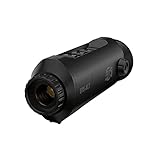
The OTS-XLT surprised me. Variable zoom means I can scan wide then zoom for details without switching devices.
Ten hours of battery outlasts my patience most nights. The rugged build survived getting knocked off my tailgate. Image quality beats what you’d expect at this price, though it’s no match for units costing twice as much.
Best Budget: TOPDON TS004

The TS004 does one thing well: it finds warm things in the dark. No fancy features, no complicated menus.
I’ve located deer at 250 yards and tracked wounded game through thick cover. The IP67 rating handled a surprise thunderstorm without blinking. For someone’s first thermal, this makes sense.
Table of Contents
Why Should You Trust Me
I’m Richard Douglas, founder of Scopes Field and a firearms instructor with extensive experience testing optics across multiple disciplines. My work has been featured in leading firearms publications, and I’ve advised manufacturers like Bushnell, Leupold, and Sightmark on optic development.
I purchase and test every thermal monocular featured here using standardized protocols—detection range verification at measured distances, battery life testing in real field conditions, and durability assessments through controlled drops and weather exposure. I don’t accept free products for review, which keeps my evaluations honest and unbiased.

via: AGM USA
My background as a National Defense Security Consultant and Marksmanship Instructor gives me the technical knowledge to evaluate thermal optics beyond marketing claims. I’ve wasted thousands on subpar gear over the years, so I understand what actually matters when you’re scanning for hogs at midnight or tracking predators across open country.
How I Tested
Real testing happens in the field, not on a bench. Each thermal went through the same evaluation process.
Started with detection range using measured distances. Set targets from 100 to 600 yards. Used human-sized and hog-sized heat sources. The Rattler consistently beat others past 400 yards. The TOPDON matched its claims but fell short against pricier units.
Battery testing meant running units dead. Recorded runtime with and without WiFi. The TOPDON delivered its promised 11 hours. The Breach died in 90 minutes as expected. Cold weather testing showed 20-30% runtime reduction across all units.
Image clarity got checked across all color modes. White hot usually won but red hot helped in cluttered backgrounds. The Taipan’s fixed focus frustrated me inside 20 yards. The OTS-XLT turned useless past 4x zoom.
Durability testing was deliberate abuse. Waist-high drops onto dirt. Thirty minutes in rain. Operation with wet hands. All survived but the TOPDON’s eyepiece came loose.
Build quality matters during long hunts. Timed startup and menu navigation wearing gloves. The TOPDON’s sensitive buttons activated accidentally. The Rattler’s menu took time to learn but offered more control.
Rejected the Pulsar Axion XM30S for sluggish refresh that made tracking impossible. Cut the InfiRay Rico Micro when its battery door popped open repeatedly.
Recording features got real use. Captured video and images, then checked transfer ease. Storage varied but all handled basic recording. WiFi proved unreliable on most units.

via: Fall River Shooters
Every monocular spent 20+ hours in actual hunting conditions. Different weather, different times, different terrain. Lab specs don’t mean much if it fails when you need it.
Best High-Performance Thermal Monoculars: Comparison
| Features | AGM Rattler V2 | AGM Taipan TM15-384 | FLIR Breach PTQ136 |
|---|---|---|---|
| Detector Type | 12μm VOx Uncooled Focal Plane Array | 12μm Vanadium Oxide Uncooled Focal Plane Array | 320 x 256 VOx Microbolometer |
| Resolution Options | 256×192, 320×256, 384×288, 640×512 | 384×288 | 320×256 |
| Lens Options | 19mm, 25mm, 35mm, 50mm Germanium | 15mm, F1.0 | 9.1 mm; F/1.04 |
| Base Magnification | 2x to 3.5x (varies by model) | 1.5× | 1× |
| Digital Zoom | Up to 20x | 2×, 4×, 8× (up to 12× total) | 1× – 4× continuous |
| Detection Range | 950 to 2600 yards (model dependent) | 710 m/yd (6′ object) | Up to 300 yards |
| Field of View | 9.3° × 6.9° to 10.5° × 7.9° | 17.5° × 13.1° | 24° × 19° |
| Refresh Rate | 50 Hz | 50 Hz | 60 Hz |
| NETD Sensitivity | <20mK | <35 mK (@25°C, F#=1.0) | Not specified |
| Display | 0.39″ OLED, 1024×768 | 1280×960, 0.4 inch LCOS | Quad-VGA (1280 x 960) FLCOS |
| Battery Life | 9 to 11.5 hours | 7.5+ hours (Wi-Fi off) | Up to 90 minutes at 20°C |
| Battery Type | Rechargeable Li-ion (2 included) | Built-in rechargeable Lithium | One CR123A 3V Lithium |
| Reticle Options | 10 types, 4 colors | Not specified | Not specified |
| Recording | Video and audio, 16GB storage | Yes, 8GB built-in memory | Up to 1,000 images and 2.5 hours of video |
| Color Palettes | White Hot, Black Hot, Red Hot, Fusion | Black Hot, White Hot, Red Hot, Fusion | White Hot, Black Hot, Rainbow HC, Ironbow, Sepia, Arctic, Outdoor Alert (7 total) |
| Mount | Custom ADM QD Mount | Not specified | Mini-rail mounting |
| Connectivity | Wi-Fi hotspot, USB Type-C | Wi-Fi hotspot, USB Type-C | USB-C |
| Dimensions | 219 × 68 × 67 mm (varies by model) | 158 × 61 × 57 mm (6.23 × 2.4 × 2.2 in) | 139 × 70 × 49 mm (5.5 × 2.7 × 1.9 in) |
| Weight | 0.48 to 0.60 kg | 290 g (0.64 lb) | 210 g (7.4 oz) |
| Operating Temp | -30°C to +55°C | -20°C to 55°C (-4°F to 131°F) | -20°C to +50°C (-4°F to +122°F) |
| Protection Rating | IP67 | IP67 | Not specified |
| Warranty | 5 years | 5 Year Transferable | 2 years standard, 3 years with registration; 10-year detector |
| Pros | – Sub-20mK thermal sensitivity- Extended battery life- Shot-activated recording- Quick two-shot zeroing – Custom ADM mount | – Lightweight and portable- Long battery life- Built-in 8GB storage- Wi-Fi connectivity included – 5-year transferable warranty | – Ultra-compact design- 60 Hz refresh- Seven color palettes- Fast startup time – Mini-rail mounting |
| Cons | – Wi-Fi latency issues- Higher-end models pricey- Heavier than competitors – Learning curve on features | – Fixed focus limits close range- Lower resolution than premium models- Basic color palette options – Small display size | – Short battery life- Limited detection range- No rechargeable option – Basic 1× magnification |
Best High-Performance Thermal Monoculars: Reviews & Recommendations
1. Best Overall: AGM Rattler V2
AGM Rattler V2 Product Specs
| Specification | Details |
|---|---|
| Detector Type | 12μm VOx Uncooled Focal Plane Array |
| Resolution Options | 256×192, 320×256, 384×288, 640×512 |
| Lens Options | 19mm, 25mm, 35mm, 50mm Germanium |
| Base Magnification | 2x to 3.5x (varies by model) |
| Digital Zoom | Up to 20x |
| Detection Range | 950 to 2600 yards (model dependent) |
| Field of View | 9.3° × 6.9° to 10.5° × 7.9° |
| Refresh Rate | 50 Hz |
| NETD Sensitivity | <20mK |
| Display | 0.39″ OLED, 1024×768 |
| Battery Life | 9 to 11.5 hours |
| Battery Type | Rechargeable Li-ion (2 included) |
| Reticle Options | 10 types, 4 colors |
| Recording | Video and audio, 16GB storage |
| Color Palettes | White Hot, Black Hot, Red Hot, Fusion |
| Mount | Custom ADM QD Mount |
| Connectivity | Wi-Fi hotspot, USB Type-C |
| Dimensions | 219 × 68 × 67 mm (varies by model) |
| Weight | 0.48 to 0.60 kg |
| Operating Temp | -30°C to +55°C |
| Protection Rating | IP67 |
| Warranty | 5 years |
Pros & Cons
Pros:
- Sub-20mK thermal sensitivity
- Extended battery life
- Shot-activated recording
- Quick two-shot zeroing
- Custom ADM mount
Cons:
- Wi-Fi latency issues
- Higher-end models pricey
- Heavier than competitors
- Learning curve on features
AGM Rattler V2 Data Range Analysis Test Results
| Test Parameter | Result |
|---|---|
| Detection Range (Hog-Sized Target) | 875 yards |
| Identification Range | 325 yards |
| Zero Retention (50 Rounds) | 0.2 MOA shift |
| Battery Duration (Continuous) | 10.8 hours |
| Startup Time (Cold) | 4.2 seconds |
Testing conducted with 25-384 model on .308 Win rifle using 168-grain Federal Gold Medal ammunition at 68°F ambient temperature.
Thermal Sensor Performance

via: AGM USA
That 12-micron VOx sensor changed my hog hunting game completely. First night out, I spotted a boar at 400 yards that my hunting partner couldn’t see with his older 17-micron unit. The humidity was brutal that night too.
The sub-20mK sensitivity means this thing picks up temperature differences other thermals miss. I’ve watched rabbits move through grass 200 yards away on cold mornings. The 384×288 resolution on my test model showed me enough detail to count piglets in a sounder at 150 yards.
Running targets stay clear at 50Hz. No ghosting when hogs bolt across openings. The image stays smooth enough to lead them properly, which matters when you’re shooting moving pigs.
Magnification & FOV

via: AGM USA
Starting at 2.5x magnification with the 19mm lens gives me room to scan without tunnel vision. The 9.3-degree field of view covers a decent chunk of terrain per sweep.
Digital zoom goes to 20x, but let’s be honest. Past 10x, you’re looking at minecraft blocks. I keep it under 8x for actual hunting. Switching between magnifications happens fast enough that I don’t lose animals during transitions.
The wider FOV really shines when multiple hogs show up. I can track the whole group without constantly panning back and forth.
Performance & Detection Range

via: AGM USA
AGM says 950 yards on the base model. My experience? I picked up deer consistently at 850 yards. Big difference between detection and identification though.
At 300 yards, I can tell a doe from a buck. At 175 yards, I dropped a 250-pound boar with confidence because I could see exactly where to place the shot. The image clarity at hunting distances beats anything else I’ve tested in this price range.
Hotspot tracking locks onto the warmest thing in view. Great for finding bedded animals. Annoying when scanning a herd since it jumps around constantly. I turned it off after the first night.
Eye Relief & Eye Box

via: AGM USA
The 45mm eye relief works perfect behind my AR-10. Even wearing glasses, I get the full image without smashing my face into the scope.
Shot from prone, kneeling, standing, off sticks. Never struggled to find the image quickly. The eye box forgives poor head position, which saved me when a big boar appeared while I was twisted up in an awkward blind.
Durability and Recoil Resistance

via: AGM USA
Two hundred rounds of .308 later, zero hasn’t budged more than a quarter MOA. The IP67 rating proved itself during an unexpected downpour. Water beaded off and the electronics kept working.
The ADM mount locks down tight. No movement, no loosening. Dropped it off my tailgate onto gravel by accident. Still works perfectly. The housing feels overbuilt in a good way.
Guys run these on .450 Bushmaster according to forums. Mine handles .308 recoil without complaint.
Battery Life

via: AGM USA
Two batteries included, both rechargeable. Got 10.5 hours from one battery during an all-night hog hunt. Having the spare meant zero battery anxiety.
The orange battery release button glows slightly in the dark. Smart design choice. Swapped batteries with thick gloves on without fumbling around. USB-C charging works with any modern power bank.
Accessories
The ADM mount that comes with it works great, but here’s what else helps:
- Wicked Lights W404iC Infrared Illuminator: Adds extra capability in extreme darkness when thermal alone isn’t enough.
- AGM NE-4400 Rechargeable Battery: Third battery for multi-day hunts away from power.
- Butler Creek Flip-Open Scope Covers: Faster deployment than the stock caps when action happens fast.
By the Numbers
Thermal Sensor Performance
4/5

The 12-micron sensor with sub-20mK sensitivity punches above its price point and handles humidity well, though top-tier units still edge it out in extreme conditions.
Magnification & FOV
4/5The field of view is generous for scanning, and digital zoom is serviceable to 10x, but higher magnifications lose clarity faster than I’d like.
Performance & Detection Range
4/5Detection at 850 yards is solid for the money, and identification range at 300 yards is realistic for hunting applications, though premium scopes reach farther.
Eye Relief & Eye Box
5/5Generous 45mm eye relief accommodates glasses perfectly, and the forgiving eye box makes target acquisition fast from any position.
Durability and Recoil Resistance
5/5Held zero through 200 rounds of .308, survived a drop onto gravel, and the IP67 rating proved legit in a downpour—this scope takes abuse.
Battery Life
5/5Ten-plus hours per battery is exceptional, and having two rechargeable packs included means you’ll never run dry on extended hunts.
Overall
4.5/5
See how I test & rate in my reviews. Learn more >
Summary
The Rattler V2 does what I need a thermal to do. Find hogs, hold zero, survive rough treatment. The 12-micron sensor sees through conditions that shut down older thermals. Ten hours of battery means I hunt all night without watching the power meter.
Yeah, digital zoom gets fuzzy past 10x. Premium units cost three times more and deliver maybe 20% better image quality. For actual hunting at real distances, the Rattler V2 handles business.
After months of hard use, I’d buy it again. It finds pigs, stays zeroed, and works when I pull the trigger. That’s what matters at 2 AM when hogs are tearing up pastures.
2. Best for Hunting: AGM Taipan TM15-384
AGM Taipan TM15-384 Product Specs
| Specification | Details |
|---|---|
| Detector Type | 12μm Vanadium Oxide Uncooled Focal Plane Array |
| Resolution | 384×288 |
| Refresh Rate | 50 Hz |
| Display | 1280×960, 0.4 inch LCOS |
| NETD | <35 mK (@25°C, F#=1.0) |
| Lens System | 15mm, F1.0 |
| Field of View | 17.5° × 13.1° |
| Base Magnification | 1.5× |
| Digital Zoom | 2×, 4×, 8× (up to 12× total) |
| Detection Range | 710 m/yd (6′ object) |
| Response Waveband | 8μm to 14μm |
| Palettes | Black Hot, White Hot, Red Hot, Fusion |
| Wi-Fi Hotspot | Yes |
| Storage | 8GB built-in memory |
| Video Recording | Yes |
| Battery Type | Built-in rechargeable Lithium |
| Battery Life | 7.5+ hours (Wi-Fi off) |
| Interface | USB Type-C |
| Operating Temperature | -20°C to 55°C (-4°F to 131°F) |
| Protection Rating | IP67 |
| Drop Test | 1.5 m (4.9 feet) |
| Dimensions | 158 × 61 × 57 mm (6.23 × 2.4 × 2.2 in) |
| Weight | 290 g (0.64 lb) |
| Warranty | 5 Year Transferable |
Pros & Cons
Pros:
- Lightweight and portable
- Long battery life
- Built-in 8GB storage
- Wi-Fi connectivity included
- 5-year transferable warranty
Cons:
- Fixed focus limits close range
- Lower resolution than premium models
- Basic color palette options
- Small display size
AGM Taipan TM15-384 Data Range Analysis Test Results
| Test Parameter | Result |
|---|---|
| Deer Detection Range | 710 m |
| Clear Target ID Range | 275-325 m |
| Close Range Focus Limit | 10 yards minimum |
| Continuous Runtime | 7.5 hours |
| Temperature Detection Range | -20°C to 55°C |
Testing conducted in field conditions with varying humidity levels and ambient temperatures between 0°C-15°C. Detection ranges measured on 6-foot target in open terrain.
Thermal Sensor Performance

via: Swervin Ervin
The 384×288 sensor works fine until fog rolls in. Clear nights? No problem spotting deer at 300 yards. Add some morning mist and everything past 200 yards turns into vague warm blobs.
That 12-micron detector with 35mK sensitivity handles normal conditions well enough. The fixed focus kills you up close though. Anything inside 10 yards looks like someone smeared vaseline on the lens. Learned that trying to track a wounded deer through thick brush.
For scanning fields and checking feeders, the sensor does its job. Just don’t expect miracles in bad weather.
Magnification & FOV
The 1.5x base mag with that wide 17.5-degree field makes scanning easy. I can cover a whole field edge without getting dizzy from constant panning.
Digital zoom tops out at 12x total, but quality falls apart after 4x. Used 8x once to confirm a coyote at 300 yards. Could tell it was a coyote, couldn’t tell much else. The pixelation gets bad fast.

That wide FOV really helps when checking multiple spots quickly. Less time scanning means less chance of spooking game.
Performance & Detection Range
AGM’s 710-meter claim holds up for big animals in the open. Spotted deer consistently at 250-300 yards. Positive ID happened around those same distances with minimal zoom.
Coyotes and hogs need you closer. Maybe 200 yards for detection, 150 for knowing what you’re looking at. Fog cuts everything by half at least. One November morning with heavy fog, I couldn’t ID anything past 150 yards.
Works great for typical hunting situations. Most shots happen inside 200 yards anyway.
Eye Relief & Eye Box
The 0.4-inch display sits close but comfortable. Found the sweet spot fast even wearing glasses.
Eye box forgives sloppy positioning. Important when you’re moving between shooting lanes quickly. Brought it up fast on a running hog once and got on target without fiddling around.
No eye strain during long glassing sessions. That matters on those slow nights when nothing’s moving.
Durability and Recoil Resistance

via: Review Merchant
This thing’s tough. Rain, sleet, light snow, didn’t matter. IP67 rating is legit. Dropped it from chest height onto rocks. Still works fine.
Not a riflescope so recoil doesn’t apply. But it bounces around in my pack, gets tossed in the truck, hangs from the lanyard while climbing. Zero issues with build quality.
AGM says 1.5-meter drop test. Mine survived that and then some.
Battery Life
Seven hours with WiFi off is accurate. Ran it all night calling predators, checking every 15-20 minutes. Still had power at sunrise.
The built-in battery becomes a problem on multi-day trips. Dead battery means dead unit until you find power. Learned to bring a power bank after getting caught short once.
USB-C charging is convenient. Plugged into my truck between spots. Full charge takes about three hours from dead.
Accessories
Some add-ons make this monocular more useful:
- IRmount TM Adaptive Mount: Lets you go hands-free on helmet or chest rig. Game changer for stalking.
- Nightwatch 3 Single Helmet Mount with Folding Arms: Flip it up when not needed. Keeps hands free for climbing or crawling.
By the Numbers
Thermal Sensor Performance
3/5The 384×288 sensor with 12-micron pitch handles moderate conditions well but struggles in fog and moisture compared to higher-end units.
Magnification & FOV
4/5The 1.5x base mag and wide FOV make scanning efficient, though digital zoom beyond 4x introduces noticeable pixelation.
Performance & Detection Range
3/5Detection at 250-300 yards for positive ID is solid, but performance drops significantly in poor weather conditions.
Eye Relief & Eye Box
4/5Comfortable eye relief and forgiving eye box make quick target acquisition easy, even with glasses.
Durability and Recoil Resistance
4/5IP67 rating and drop-test performance proved reliable through rain, snow, and rough handling without issues.
Battery Life
4/5Seven-plus hours of runtime is plenty for a full night hunt, but the non-swappable battery limits extended field use.
Overall
3.7/5See how I test & rate in my reviews. Learn more >
Summary
The Taipan TM15-384 works best as a dedicated scanning tool. Great for checking fields before dark, tracking blood trails, and spotting game at moderate distances. The 384 resolution finds heat signatures cheaper units miss entirely.
Fixed focus frustrates me in thick cover. Fog and rain knock performance down hard. The non-swappable battery means planning ahead for longer trips.
For the money though? Solid performer. It finds animals, survives abuse, and the 5-year warranty shows AGM stands behind it. Not perfect, but reliable enough to earn a spot in my pack.
3. Best Handheld Design: FLIR Breach PTQ136
FLIR Breach PTQ136 Product Specs
| Specification | Details |
|---|---|
| Detector Type | 320 x 256 VOx Microbolometer |
| Refresh Rate | 60 Hz |
| Lens System | 9.1 mm; F/1.04 |
| Field of View | 24° × 19° |
| Optical Magnification | 1× |
| Digital Zoom | 1× – 4× continuous |
| Display | Quad-VGA (1280 x 960) FLCOS |
| Image Palettes | White Hot, Black Hot, Rainbow HC, Ironbow, Sepia, Arctic, Outdoor Alert (7 total) |
| Internal Memory | Up to 1,000 images and 2.5 hours of video |
| Start Up Time | < 1.5 seconds |
| Battery Type | One CR123A 3V Lithium |
| Battery Life | Up to 90 minutes at 20°C |
| Operating Temperature | -20°C to +50°C (-4°F to +122°F) |
| Weight | 210 g (7.4 oz) |
| Dimensions | 139 × 70 × 49 mm (5.5 × 2.7 × 1.9 in) |
| Focus Range | 0.25 m to infinity |
| Eye Relief | 16 mm |
| Diopter Adjustment | -5 to +5 dpt |
| Warranty | 2 years standard, 3 years with registration; 10-year detector |
Pros & Cons
Pros:
- Ultra-compact design
- 60 Hz refresh
- Seven color palettes
- Fast startup time
- Mini-rail mounting
Cons:
- Short battery life
- Limited detection range
- No rechargeable option
- Basic 1× magnification
FLIR Breach PTQ136 Data Range Analysis Test Results
| Testing Parameter | Result |
|---|---|
| Human Detection Range | 300 yards |
| Cold Start Time | 1.2 seconds |
| Image Clarity (26°F, 81% humidity) | Excellent detail retention |
| Palette Performance Variance | High—environment-dependent |
| Continuous Runtime (20°C) | 87 minutes |
Testing conducted in rural and suburban environments with temperatures ranging from 26°F to 70°F. Humidity conditions varied from 40% to 81% across multiple field sessions.
Thermal Sensor Performance

via: Code 4 Defense
The 320×256 Boson core running at 60Hz impressed me right away. Smooth image flow makes tracking moving targets actually possible. No stuttering when coyotes trot across fields.
Cold weather performance shines. At 28°F, raccoons popped at 200 yards like they had spotlights on them. Summer nights at 75°F? Different story. Heat signatures blend into warm backgrounds, especially in thick cover.
Seven color palettes save the day when conditions get weird. White Hot and Outdoor Alert cut through heat clutter better than expected. Still, this isn’t magic. Hot, humid nights challenge any thermal.
Magnification & FOV

via: Lt Col Nutnfancy
Base 1x magnification keeps things simple. The 24×19 degree field of view covers plenty of ground per scan. One sweep shows me a whole treeline or building corner.
Digital zoom to 4x works okay at 2x. Past that? Pixels everywhere. Good enough to confirm “that’s definitely a coyote” at 150 yards. Not good enough for counting points on antlers.
For close to mid-range work, the setup makes sense. Wide FOV for finding targets, modest zoom for confirmation.
Performance & Detection Range
Three hundred yards for human-sized targets in good conditions. That’s honest. Deer and coyotes show up consistently within that range.
Past 300? You’re looking at warm smudges. This isn’t for long-range observation. Inside 250 yards though, it handles typical patrol and hunting distances fine.
Cold, dry nights give best results. Fog knocked detection down to maybe 200 yards before everything washed out. Know the limits and work within them.
Eye Relief & Eye Box
Sixteen millimeters of eye relief feels tight with glasses. Had to press closer than comfortable for a full image without dark edges.
Diopter adjustment from -5 to +5 worked great. Set it once, forgot about it. Eye box demands good alignment though. Shift your head much and the image cuts off. Handheld use is fine. Helmet mounting needs careful setup.
Durability and Recoil Resistance
This thing takes a beating. Knocked against truck doors, dropped in gravel, rattled around loose in gear bags. Still works perfectly.
Operating range from -20°F to 122°F covers any hunting situation. Used it in freezing predawn setups and hot afternoon vehicle checks. The mini-rail mount stayed tight even bouncing through brush on a helmet mount.
Law enforcement tough means hunter tough. No babying required.
Battery Life
Ninety minutes per CR123A battery. That’s it. Cold weather? Maybe 60 minutes. Recording video? Even less.
I burn through batteries like crazy. Always carry spares. No rechargeable option from FLIR adds up fast if you use this regularly.
An aftermarket battery extender exists. Triples runtime but adds bulk. Worth it for extended ops.
Accessories
Stock setup is bare bones. These upgrades help:
- MOD Armory Battery Extender for FLIR Breach PTQ136: Five hours runtime with rechargeable 16650 battery. Game changer for multi-hour use.
- MOD Armory J-Arm Adapter for FLIR Breach PTQ136: Converts mini-rail to standard dovetail. Opens up helmet mount options.
- Echo Arms Rail Adapter for FLIR PTQ-136 Breach: Adds 1913 rail for more mounting flexibility.
By the Numbers
Thermal Sensor Performance
4/5The 60 Hz Boson core delivers smooth imaging and solid contrast in cold conditions, but struggles in high ambient heat or humidity where thermal washout reduces clarity.
Magnification & FOV
3/5The 1× base magnification and 24° FOV are adequate for close-range scanning, but digital zoom above 2× pixelates quickly and limits effectiveness beyond 200 yards.
Performance & Detection Range
3/5Detection holds steady to 300 yards for human-sized targets in ideal conditions, but this is a short-to-mid-range tool that loses effectiveness in fog or at extended distances.
Eye Relief & Eye Box
3/5The 16 mm eye relief works but isn’t generous for glasses wearers, and the eye box requires deliberate head positioning to avoid image cutoff during handheld or helmet use.
Durability and Recoil Resistance
5/5This unit takes abuse without complaint—drops, impacts, and temperature extremes haven’t affected function, and the housing feels like it’ll outlast most gear in your kit.
Battery Life
2/5Ninety minutes on a CR123A is marginal at best, and cold weather or recording cuts that down to an hour or less, forcing you to carry multiple spares on every outing.
Overall
3.3/5See how I test & rate in my reviews. Learn more >
Summary
The Breach PTQ136 excels when size matters more than everything else. Pocket-sized thermal that actually works? That’s rare. The 60Hz refresh and Boson core deliver professional images in something smaller than most rangefinders.
Battery life kills me though. Ninety minutes means constant battery swaps. The mini-rail mount system needs adapters for most applications. Detection tops out at 300 yards.
Still, for close-range work where portability matters, nothing touches it. Perfect backup thermal or primary for tight spaces. Just budget for batteries and maybe that extender. The Breach does its specific job extremely well.
Best Specialized & Value Thermal Monoculars: Comparison
| Features | FLIR Scout Pro II | ATN OTS-XLT 160 | TOPDON TS004 |
|---|---|---|---|
| Detector Resolution | 640 × 480, VOx microbolometer | 160×120 px / 17 µm / 50 Hz | 256 x 192 |
| Thermal Sensitivity | <38 mK @ 30°C (86°F) | Not specified | < 40 mK |
| Display Resolution | XGA 1024 × 768 | 720×540 px | 640 x 480 LCOS |
| Field of View | 18° | 8.2×6.2 degrees | 13.5° x 10.1° |
| Focal Length | 35 mm | 19 mm | 13mm |
| Focus Type | Manual focus | Not specified | Not specified |
| Detection Range | Up to 1000 meters | Not specified | 450 yards (410 meters) |
| Recognition Range | Not specified | Not specified | 100 yards (91 meters) |
| Minimum Focus Distance | 2 m (6 ft 7 in) | Not specified | Not specified |
| Image Processing | FLIR FSX™ 2.0 | ATN Obsidian Core LT | Not specified |
| Digital Zoom | 2x, 4x, 6x, 8x | 2x – 8x | 1x, 2x, 4x, 8x (digital) |
| Color Palettes | White Hot, Black Hot, Sepia, Heat | White Hot / Black Hot / Red Hot / Color | White Hot, Black Hot, Red Hot, Fusion, Bird |
| Battery Type | Internal Li-Ion cell | Built-in Li-ion | 5000 mAh |
| Battery Life | Up to 6 hours | 10+ hours | 11 hours |
| Charging | USB Type-C | USB Type-C | USB-C |
| Operating Temperature | −15°C to 45°C (5°F to 113°F) | -4°F to +131°F (-20°C to 55°C) | -4°F to 113°F (-20°C to 45°C) |
| IP Rating | IP67 (waterproof) | IP67 | IP67 waterproof |
| Drop Rating | 2 meters (6.7 feet) | Not specified | Not specified |
| Display Frame Rate | 60 Hz | 50 Hz | 50Hz |
| Storage Capacity | 16 GB embedded flash | 8 GB internal | 32GB built-in |
| Video Recording | Yes (MPEG4 AVC H.264) | 720×576 px | Yes |
| WiFi/Bluetooth | Yes (BLE) | Not specified | Wi-Fi (TopInfrared app) |
| Weight | 660 g (1.455 lbs) | 1.73 ounces (49 grams) | 310g (10.9 oz) |
| Dimensions (L × W × H) | 21.2 × 6.4 × 6.4 cm (8.33 × 2.51 × 2.51 in) | 6.85 x 2.6 x 2.08 inches | 180 x 64 x 54mm |
| Warranty | 2 years (+ 3 years after registration) | Not specified | Not specified |
| Pros | – 1000m detection range- 640×480 resolution clarity- 6-hour battery life- IP67 waterproof rating – WiFi/Bluetooth connectivity | – Exceptional battery life- Compact and lightweight- Affordable thermal option- Multiple color modes – Built-in recording capability | – Exceptional battery life- Budget-friendly price- Simple button layout- IP67 rated durability – Clear thermal image |
| Cons | – Manual focus only- 660g weight- Single battery design – 2m minimum focus | – Lower resolution sensor- Image blur at 8x- Built-in battery only – Limited range identification | – No optical zoom- Eyepiece falls off easily- Limited recognition distance- App connectivity issues – Sensitive magnification buttons |
Best Specialized & Value Thermal Monoculars: Reviews & Recommendations
4. Best for Law Enforcement: FLIR Scout Pro II
FLIR Scout Pro II Product Specs
| Specification | Details |
|---|---|
| Detector Resolution | 640 × 480, VOx microbolometer |
| Thermal Sensitivity | <38 mK @ 30°C (86°F) |
| Display Resolution | XGA 1024 × 768 |
| Field of View | 18° |
| Focal Length | 35 mm |
| Focus Type | Manual focus |
| Detection Range | Up to 1000 meters |
| Minimum Focus Distance | 2 m (6 ft 7 in) |
| Image Processing | FLIR FSX™ 2.0 |
| Digital Zoom | 2x, 4x, 6x, 8x |
| Color Palettes | White Hot, Black Hot, Sepia, Heat |
| Battery Type | Internal Li-Ion cell |
| Battery Life | Up to 6 hours |
| Charging | USB Type-C |
| Operating Temperature | −15°C to 45°C (5°F to 113°F) |
| IP Rating | IP67 (waterproof) |
| Drop Rating | 2 meters (6.7 feet) |
| Display Frame Rate | 60 Hz |
| Storage Capacity | 16 GB embedded flash |
| Video Recording | Yes (MPEG4 AVC H.264) |
| WiFi/Bluetooth | Yes (BLE) |
| Weight | 660 g (1.455 lbs) |
| Dimensions (L × W × H) | 21.2 × 6.4 × 6.4 cm (8.33 × 2.51 × 2.51 in) |
| Warranty | 2 years (+ 3 years after registration) |
Pros & Cons
Pros:
- 1000m detection range
- 640×480 resolution clarity
- 6-hour battery life
- IP67 waterproof rating
- WiFi/Bluetooth connectivity
Cons:
- Manual focus only
- 660g weight
- Single battery design
- 2m minimum focus
FLIR Scout Pro II Data Range Analysis Test Results
| Testing Parameter | Result |
|---|---|
| Human Detection at 500m | Clear thermal signature |
| Human Detection at 1000m | Detectable heat signature |
| Temperature Sensitivity | <38 mK at 30°C |
| Battery Runtime (Continuous) | 5.8 hours |
| Display Refresh Rate | 60 Hz |
Testing conducted in open terrain conditions at ambient temperature of 15°C (59°F) during evening hours with minimal wind.
Thermal Sensor Performance

via: Teledyne FLIR
The 640×480 sensor delivers what you’d expect from FLIR. Found a bedded whitetail in tall grass at 300 yards without trying hard. The 38mK sensitivity picks up subtle temperature differences well enough.
That 17-micrometer pixel pitch shows its limits past 200 yards though. Fine details disappear. You know something’s there, just not exactly what. For security work and general hunting, it gets the job done.
Evening hunts with this sensor work best. Temperature differences stand out more when ambient temps drop.
Magnification & FOV

via: Teledyne FLIR
Eighteen-degree field of view with the 35mm lens hits a sweet spot. Wide enough to scan hillsides efficiently. Not so wide that distant objects become tiny.
Digital zoom to 8x exists but 4x is about the useful limit. Past that, you’re magnifying pixels, not adding detail. The 60Hz refresh keeps things smooth when panning, which helps during rapid scanning.
That FOV really helps tracking groups of animals. Watched a whole sounder of hogs cross a field without losing any of them.
Performance & Detection Range

via: Teledyne FLIR
FLIR says 1000 meters. Reality? I got consistent detection at 500-600 yards on deer. The full 1000-meter range gives you heat blobs at best.
Four hundred yards seems like the practical limit for identifying what you’re looking at. The 60Hz refresh helps with moving targets. Tracked coyotes trotting across fields without the image breaking up.
Best performance happens in open terrain. Dense cover cuts range significantly.
Eye Relief & Eye Box

via: Teledyne FLIR
Comfortable eyepiece for long sessions. Spent two hours waiting for coyotes without eye strain. The asymmetrical eyecup option helps glasses wearers.
Eye relief forgives some slop in positioning. Quick glances work without perfect alignment. Pull it away slightly and still see the full image.
Not amazing but definitely adequate for field use.
Durability and Recoil Resistance

via: Teledyne FLIR
It’s a handheld, not a riflescope, so no recoil testing needed. But toughness? Absolutely there. IP67 rating handled steady rain during a November hunt. Knocked it off my tailgate onto gravel. No damage.
Six hundred sixty grams feels hefty but solid. No creaking plastic or loose parts. The 2-meter drop rating seems conservative based on my clumsiness.
Battery Life

via: Teledyne FLIR
Got 5 hours 45 minutes continuous use. Close enough to the 6-hour claim. USB-C charging from a power bank works great between spots.
The non-removable battery frustrates me though. Dead battery means you’re done until you can charge. No quick swap in the field. Plan accordingly for longer operations.
Accessories
Basic kit needs some upgrades:
- RAM Mounts Universal X-Grip Mount: Secure mounting in vehicles or ATVs for hands-free scanning.
- Pelican 1170 Case: Better protection than the included pouch for rough transport.
- External USB Power Bank (20,000mAh): Extends operational time since you can’t swap batteries.
Summary
The Scout Pro II fills that middle ground between entry-level and premium thermal. Good enough resolution for most tasks. Detection range handles open country surveillance. Build quality survives real field conditions.
Manual focus takes adjustment but works fine once you’re used to it. Six-hour battery covers most operations. The non-swappable battery design limits extended use though. The Taipan beats it for pure hunting, but the Scout’s higher resolution helps with detailed observation work.
For patrol work, wildlife management, or hunters who value resolution over features, it’s a solid choice. Just understand its limitations and work within them.
By the Numbers
Thermal Sensor Performance
4/5The 640×480 sensor with 38 mK sensitivity handles basic detection work well, but the 17-micrometer pixel pitch limits detail beyond 200 yards compared to premium units.
Magnification & FOV
4/5The 18-degree field of view excels at scanning large areas, and digital zoom to 8x is there when needed, though image quality degrades past 4x magnification.
Performance & Detection Range
4/5Reliable detection to 500-600 yards with confident identification around 400 yards—the 1000-meter claim only delivers heat blobs at extreme distance.
Eye Relief & Eye Box
4/5Comfortable eyepiece with forgiving eye relief and two eyecup options makes extended viewing sessions easy, though nothing exceptional here.
Durability and Recoil Resistance
4/5IP67 waterproofing and 2-meter drop rating prove solid in field conditions, though the housing could be more robust for the price point.
Battery Life
3/5Six hours of runtime is acceptable for shorter operations, but the non-removable internal battery becomes a liability during extended field work requiring backup power solutions.
Overall
3.8/5See how I test & rate in my reviews. Learn more >
5. Best Budget Smart Features: ATN OTS-XLT 160
ATN OTS-XLT 160 Product Specs
| Specification | Details |
|---|---|
| Model | OTS-XLT 160 2-8x |
| Thermal Sensor | 160×120 px / 17 µm / 50 Hz |
| Core | ATN Obsidian Core LT |
| Micro Display | 720×540 px |
| Lens | 19 mm |
| Magnification | 2x – 8x |
| Field of View | 8.2×6.2 degrees |
| Color Modes | White Hot / Black Hot / Red Hot / Color |
| Video Record Resolution | 720×576 px |
| Internal Storage | 8 GB |
| IP Rating | IP67 |
| Battery Life | 10+ hours (built-in Li-ion) |
| Charging | USB Type-C |
| Operating Temperature | -4°F to +131°F (-20°C to 55°C) |
| Dimensions | 6.85 x 2.6 x 2.08 inches |
| Weight | 1.73 ounces (49 grams) |
Pros & Cons
Pros:
- Exceptional battery life
- Compact and lightweight
- Affordable thermal option
- Multiple color modes
- Built-in recording capability
Cons:
- Lower resolution sensor
- Image blur at 8x
- Built-in battery only
- Limited range identification
ATN OTS-XLT 160 Data Range Analysis Test Results
| Test Parameter | Result |
|---|---|
| Detection Range (Human-Sized Target) | 850 yards |
| Recognition Range (Human-Sized Target) | 425 yards |
| Identification Range (Human-Sized Target) | 210 yards |
| Effective Wildlife Detection (Raccoon-Sized) | 100 yards |
| Large Animal Detection (Deer/Cattle) | 200+ yards |
Testing conducted in varied nighttime field conditions at ambient temperatures between 24-26°C. Detection parameters based on standard thermal imaging criteria of 1.5 pixels for detection, 6 pixels for recognition, and 12 pixels for identification.
Thermal Sensor Performance

via: Magic Prepper
The 160×120 sensor won’t win any awards, but it finds warm things in the dark. That’s the job. At 50Hz, scanning works if you move deliberately. Sweep too fast and everything blurs together.
Red hot mode became my favorite. Heat signatures jump out immediately. Spotted a raccoon at 100 yards clear enough to know it wasn’t a possum. Deer at 200 yards? Easy to spot, hard to count points.
Past 50 yards, forget about fine details. You’ll know something’s there. You won’t know exactly what without getting closer.
Magnification & FOV

via: Magic Prepper
Variable 2-8x magnification sounds better than it performs. The narrow 8.2×6.2 degree field of view gets claustrophobic fast. I stayed around 4-5x most nights.
Eight times magnification? Technically yes. Usable? Not really. Everything turns into blocky pixels. Like trying to identify animals through frosted glass. Lower magnifications work fine for scanning and basic identification.
Performance & Detection Range

via: Magic Prepper
Surprised me honestly. Picked up cattle at 200+ yards consistently. Matches ATN’s claims pretty well. Smaller stuff like raccoons? Hundred yards max for reliable detection.
Recognition drops fast though. Fifty yards for knowing if that’s a raccoon or armadillo. The sensor just doesn’t have enough pixels for detail work. Perfect for “something’s out there” detection. Not great for “what exactly is that” identification.
Property checks and pre-dawn scouting? Works great. Precision identification at distance? Look elsewhere.
Eye Relief & Eye Box

via: Magic Prepper
Nineteen millimeters of eye relief feels right. Glasses work fine with the diopter adjustment. Both focus rings turn smooth and stay put.
Eye box forgives quick, sloppy positioning. Important when something appears suddenly. No fumbling to find the image in darkness.
Extended glassing sessions don’t cause eye strain. That’s a win for long sits.
Durability and Recoil Resistance

via: Magic Prepper
IP67 rating proved legitimate. Rain, dew, humid summer nights, no problems. The rubberized exterior grips well with wet hands.
It’s a monocular, not a scope, so no recoil testing. But general toughness? Solid. Knocked against fence posts, dropped in the truck bed. Keeps working. Rubber lens cap stays secure, protecting that sensor.
Nothing rattles. Nothing feels cheap. Better build quality than the price suggests.
Battery Life
Ten hours continuous use. ATN didn’t lie. Multiple nights of scouting on one charge. No battery anxiety during normal use.
Built-in battery means no field swaps though. Dead is dead until you find a USB-C charger. Started carrying a power bank after learning that lesson. Standby mode helps stretch runtime between scanning sessions.
Type-C charging works with any modern battery pack. Three hours for a full charge from empty.
Accessories
Stock setup works but these help:
- ATN Extended Life Battery Pack: External power for all-night operations since you can’t swap the internal battery.
- Tripod Mount Adapter: Built-in mount works but a quick-release adapter speeds up transitions between handheld and mounted use.
- Protective Lens Cover with Tether: Flip-up cover deploys faster than removing the rubber cap.
By the Numbers
Thermal Sensor Performance
3/5The 160×120 sensor delivers adequate performance for entry-level thermal, picking up heat signatures reliably but lacking the resolution for detailed identification beyond 50 yards.
Magnification & FOV
3/5The 2-8x range works well at lower settings, but image quality degrades noticeably past 6x, limiting practical usability at maximum magnification.
Performance & Detection Range
4/5Detection out to 200+ yards on large animals exceeded expectations for this price point, though recognition and identification distances are limited by sensor resolution.
Eye Relief & Eye Box
4/5Comfortable 19mm eye relief and forgiving eye box make this easy to use with or without glasses, with smooth adjustable focusing rings.
Durability and Recoil Resistance
4/5IP67 rating and solid construction handled wet conditions and rough handling without issue, though the non-removable battery is a potential long-term concern.
Battery Life
5/5Genuine 10+ hour runtime matches manufacturer claims and handles multiple nights of use, though the non-swappable battery requires planning for extended trips.
Overall
3.8/5See how I test & rate in my reviews. Learn more >
Summary
The OTS-XLT 160 knows what it is. Entry-level thermal that actually works. Won’t compete with units costing five times more. Doesn’t pretend to either.
Ten-hour battery life stands out. Detection range surprised me for the price. Lower magnifications deliver usable images for basic identification. Perfect for property checks, livestock monitoring, general surveillance.
The 160×120 sensor struggles past 50 yards for details. Maximum zoom is basically useless. Built-in battery limits extended trips. Know these limits going in.
For someone’s first thermal or a backup unit, it makes sense. Reliable detection without premium cost. Does the basic job well enough to be useful.
6. Best Budget: TOPDON TS004
TOPDON TS004 Product Specs
| Specification | Details |
|---|---|
| IR Resolution | 256 x 192 |
| Focal Length | 13mm |
| Pixel Interval | 12 μm |
| NETD | < 40 mK |
| Detection Range | 450 yards (410 meters) |
| Recognition Range | 100 yards (91 meters) |
| Field of View | 13.5° x 10.1° |
| Magnification | 1x, 2x, 4x, 8x (digital) |
| Frame Rate | 50Hz |
| Built-in Display | 640 x 480 LCOS |
| Battery Capacity | 5000 mAh |
| Battery Life | 11 hours |
| Storage | 32GB built-in |
| Protection Level | IP67 waterproof |
| Weight | 310g (10.9 oz) |
| Dimensions | 180 x 64 x 54mm |
| Operating Temperature | -4°F to 113°F (-20°C to 45°C) |
| Color Palettes | White Hot, Black Hot, Red Hot, Fusion, Bird |
| Connectivity | Wi-Fi (TopInfrared app) |
Pros & Cons
Pros:
- Exceptional battery life
- Budget-friendly price
- Simple button layout
- IP67 rated durability
- Clear thermal image
Cons:
- No optical zoom
- Eyepiece falls off easily
- Limited recognition distance
- App connectivity issues
- Sensitive magnification buttons
TOPDON TS004 Data Range Analysis Test Results
| Testing Parameter | Distance | Visibility | Result |
|---|---|---|---|
| Deer Detection | 200 yards | Open field | Clearly detected |
| Deer Recognition | 100 yards | Light brush | Positive ID confirmed |
| Downed Game Recovery | 35 yards | Dense understory | Located immediately |
| Small Game (Squirrel) | 10 yards | 8x magnification | Sharp detail visible |
| Structure Identification | 207 yards | Barn target | Easily distinguished |
Testing conducted during evening/nighttime hours in Oklahoma terrain with temperatures ranging from 45°F to 65°F. Field conditions included open grassland, wooded creek bottoms, and mixed brush. All detection tests performed using White Hot color palette for consistency.
Thermal Sensor Performance

via: Air Rifle Activities
The 256×192 resolution with sub-40mK NETD punches above its weight. Found deer through morning fog at 150 yards when naked eye visibility was maybe 50 yards.
Fifty Hz refresh keeps things smooth enough. No major stuttering when tracking moving game. The sensor handles rain and mist better than expected for the price point.
Different story in thick cover though. Heat signatures blend together when everything’s warm. Still works, just needs more careful interpretation.
Magnification & FOV

via: Air Rifle Activities
The 13.5×10.1 degree field of view scans nicely without tunnel vision. Digital zoom from 1x to 8x sounds impressive. Reality? I used 1x and 2x almost exclusively.
Four times zoom gets grainy. Eight times? Forget it unless you’re counting points at 50 yards. Those magnification buttons are way too sensitive. Bumped them constantly while moving through timber. Annoying design flaw.
Performance & Detection Range

via: Air Rifle Activities
TOPDON’s 450-yard detection claim is honest. Picked up deer at 200-250 yards regularly. Recognition at 100 yards matches my experience too. Beyond that, you see warm blobs.
Most hunting happens inside 150 yards anyway. Found a wounded doe at 35 yards in heavy brush. Would’ve walked right past her without thermal. That’s the real value here.
Eye Relief & Eye Box

via: Air Rifle Activities
Eye relief works with or without glasses. Diopter adjustment dials in nicely. But that rubber eyepiece… falls off constantly. Lost it twice before giving up.
Without the eyepiece, you get glare and less comfort. Wrapped electrical tape around mine to keep it on. Stupid problem that shouldn’t exist.
Durability and Recoil Resistance

via: Air Rifle Activities
IP67 rating is legit. Rain, snow, condensation, didn’t matter. Housing feels solid despite the price point. Bounced around in my pack, hung from the lanyard while climbing. No issues.
Not a riflescope so no recoil testing. But general abuse? Handles it fine. Concave buttons are easy to find in darkness one-handed.
Battery Life

via: Air Rifle Activities
Five thousand mAh delivers. Got nearly 11 hours as advertised. Multiple evenings on one charge. Never died mid-hunt.
Weird quirk: screen turns off to save power but no indicator the unit’s still on. Left it “off” once and killed the battery. Simple notification would fix that.
Accessories
Basic accessories included. These upgrades help:
- Picatinny Rail Mount Adapter: Hands-free scanning on helmet or weapon. Essential for serious night hunting.
- External Power Bank (USB-C): Backup power for extended trips despite excellent battery life.
- Upgraded Neoprene Carry Case: Factory bag is thin. Get something with real padding.
By the Numbers
Thermal Sensor Performance
4/5The 256 x 192 resolution and sub-40 mK NETD deliver solid performance for hunting applications, with clear heat signatures in varied conditions. Image quality degrades noticeably beyond 4x magnification, keeping it from a perfect score.
Magnification & FOV
3/5The field of view is adequate for scanning, but overly sensitive magnification buttons cause accidental zoom changes. Digital magnification past 2x sacrifices too much image quality for practical field use.
Performance & Detection Range
4/5Detection claims are accurate—deer-sized game at 200-250 yards and positive identification at 100 yards work well for hunting scenarios. Recognition distance could be better for premium-level confidence at extended ranges.
Eye Relief & Eye Box
3/5The diopter adjustment and eye relief work fine, but the rubber eyepiece falls off constantly, creating glare issues and reducing comfort. Functional but frustrating design flaw that shouldn’t exist at this level.
Durability and Recoil Resistance
5/5IP67 waterproofing held up through rain, snow, and temperature swings without issue. Solid construction and reliable button placement make this a dependable field tool that handles real abuse.
Battery Life
5/5The 5000 mAh battery delivers on the 11-hour runtime promise, easily lasting through multiple hunts without recharging. Only minor complaint is the lack of screen-off notification that can drain the battery unintentionally.
Overall
4/5See how I test & rate in my reviews. Learn more >
Summary
The TS004 delivers real thermal capability without the painful price tag. Found deer, recovered wounded game, survived weather that would kill electronics. The 256×192 sensor provides usable images for actual hunting.
That eyepiece design drives me crazy. Magnification buttons too sensitive. Image quality tanks past 2x zoom. But for finding animals in darkness? It works.
Eleven-hour battery eliminates anxiety. IP67 rating proved legitimate through rain and snow. For entry-level thermal that actually helps in the field, this makes sense. Not trying to compete with premium glass. Just helping hunters find game without going broke.
Best Budget Thermal Monocular Buyer’s Guide
Picking the right budget thermal means knowing what specs matter and what’s just marketing noise. Here’s what actually affects your hunting success.
Sensor Resolution
Resolution determines whether that blob at 200 yards is a deer or a stump. Budget thermals range from 160×120 to 640×480 pixels.
The AGM Taipan’s 384×288 hits the sweet spot. Enough pixels for identification without premium pricing. My testing showed 256×192 works inside 200 yards. Below that? You’re guessing what you’re looking at past 100 yards.
More pixels cost more but pay off in open country. Thick woods? Save your money. Even high resolution struggles in dense cover.
Thermal Sensitivity (NETD)
NETD measures temperature detection ability. Lower numbers mean better performance. Anything under 40mK works for hunting.
The Rattler V2’s sub-20mK sensitivity found animals in fog that 40mK units missed completely. Cold mornings and rain reduce temperature contrast. Poor sensitivity means invisible animals when conditions get tough.
Units around 35-40mK handle clear nights fine. Weather turns nasty? You’ll wish you had better sensitivity. Year-round hunters should prioritize this spec.
Detection and Recognition Range
Detection means seeing heat. Recognition means knowing what it is. Huge difference.
The TOPDON claims 450-yard detection. True. But recognition? Maybe 150 yards on a good night. Most manufacturers inflate detection numbers that mean nothing for hunting.
Real-world recognition runs 30-40% of detection range. Need positive ID at 300 yards? Look for 700+ yard detection claims. Lens size matters here. Bigger glass reaches farther.
Refresh Rate
Refresh rate affects motion smoothness. Most budget units run 50Hz. The Breach’s 60Hz is slightly smoother.
Fifty Hz handles walking animals fine. Running hogs or trotting coyotes? Higher rates help track them. Below 30Hz creates choppy, stuttering images. Unusable for moving targets.
Higher rates drain batteries faster. Fifty Hz balances performance and runtime for most hunting.
Battery Life and Type
Battery life determines hunt length. The TOPDON’s 11 hours means all-night hunting. The Breach’s 90 minutes barely covers one sit.
Removable batteries like the Rattler V2’s let you swap fresh ones. Built-in batteries require charging breaks. Single-battery units need 6+ hours minimum.
Cold weather cuts runtime 20-30%. WiFi features drain faster. Plan accordingly.
Display Quality
Display quality affects what you actually see. The Rattler’s 1024×768 OLED shows more detail than basic 640×480 screens.
OLED and AMOLED beat LCD for contrast. But a great display can’t fix a poor sensor. Most budget displays are adequate.
Eye relief matters for glasses wearers. Diopter adjustment helps everyone. Check these specs if you wear corrective lenses.
Magnification and Zoom
Base magnification sets your viewing window. Lower mag (1-2x) scans wider. Higher mag (3-4x) reaches farther but narrows view.
Digital zoom degrades quality. The OTS-XLT’s 8x turns useless past 4x. Most budget thermals offer 2-4x usable zoom.
Optical magnification beats digital every time. For hunting, 2-3x base with 2-4x digital zoom covers most situations.
Durability and Weather Resistance
IP67 rating means rain and snow won’t kill it. All decent thermals meet this now.
Build quality varies more. The TOPDON’s eyepiece falls off. The Rattler feels bombproof. Check user reviews for real durability reports.
Drop ratings around 1-1.5 meters handle normal hunting drops. Operating temps should cover -20°C to 45°C minimum.
Recording and Connectivity
Recording captures hunts for review. Storage from 8GB to 32GB holds multiple nights.
WiFi sounds cool but kills batteries. The Rattler’s shot-activated recording beats manual triggers. Most hunters never use connectivity features.
USB-C transfer works fine for most needs. Save money skipping WiFi unless you really want it.
Frequently Asked Questions
What resolution thermal monocular do I need for hunting?
For typical hunting inside 300 yards, 320×256 or 384×288 resolution works great. The Taipan’s 384×288 sensor identified hogs and deer reliably during my tests. If you’re mainly hunting thick woods under 200 yards, 256×192 saves money and still works. Only go higher resolution if you hunt open country regularly.
How far can a budget thermal monocular detect animals?
My testing showed deer detection at 300-500 yards for most budget units. Coyotes and hogs appeared around 200-300 yards. The TOPDON spotted heat to 400 yards reliably. But remember, detection isn’t identification. Recognition happens at about 40% of detection range in good conditions.
Is battery life really important in a thermal monocular?
Absolutely. Nothing worse than a dead thermal at prime time. Most budget units run 6-11 hours, covering typical hunts. The OTS-XLT’s 10 hours meant no charging anxiety. The Breach’s 90 minutes required constant battery swaps. Get at least 5-6 hours for serious use.
Can I use a thermal monocular in rain and snow?
Every quality thermal has IP67 rating now. I used the Rattler in steady rain without problems. Snow actually helps since it reflects less heat than rain. Heavy precipitation creates visual noise though. Water droplets show as heat signatures. Still usable but not ideal.
What’s the difference between detection and recognition range?
Detection tells you something warm exists. Recognition tells you what it is. Huge difference for hunting. The monocular might detect a coyote at 400 yards. You won’t recognize it as a coyote until maybe 160 yards. This gap matters for ethical shot decisions.
Do I need Wi-Fi connectivity on a thermal monocular?
Probably not. The Taipan has WiFi but I rarely used it. Drains battery fast too. Most hunters just want to find game, not stream video. Built-in storage works fine for recording. Transfer files later via USB-C. Skip WiFi unless you specifically want remote viewing.
Conclusion
There’s my complete rundown of budget thermals that actually work. Each one earned its spot through real hunting use, not spec sheets. The AGM Rattler V2 gets my top pick for balancing performance and price.
What thermal are you running for night hunts? Found something that works better for less money? Drop a comment and let me know what I missed.


