My CZ 457 deserved better than the cheap scope I had bolted to it. Shots wandered, turrets felt mushy, and I kept doubting my own holds. That’s what kicked off months of rimfire optics testing.
The Leupold VX-Freedom Rimfire 2-7×33 came out on top as my best overall pick, offering rimfire-optimized performance without breaking the bank.

Stick around. What’s ahead will save you time, money, and plenty of wasted range trips.
Everything I Recommend
- Best Overall: Leupold VX-Freedom Rimfire 2-7×33
- Best for Target Shooting: Tract 22 FIRE 4-12×40 AO
- Best for Precision Rimfire Competition: Athlon Argos BTR Gen3 6-24×50 FFP
- Best for F-Class .22LR: Sightron SIII 36×45 ED
- Best Budget: Simmons Pro Rimfire 3-9x32mm
Best Overall: Leupold VX-Freedom Rimfire 2-7×33

I’ve stuck this scope on more .22s than my wife wants to know about, and it always pulls its weight. The 2-7x range hits a sweet spot. Enough power to tighten things up at 50 yards, but low enough to stay quick at closer distances. The sight picture stays clean even when daylight starts dropping off.
Best for Target Shooting: Tract 22 FIRE 4-12×40 AO

The first time I ran a benchrest session with the 22 FIRE, the AO made a real difference dialing in a clean, sharp picture. Turret clicks went exactly where I expected. That matters when you’re hunting a one-hole group. Tract flies under the radar for most folks, but this scope tells a different story.
Best for Precision Rimfire Competition: Athlon Argos BTR Gen3 6-24×50 FFP
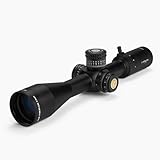
In the middle of a stage, I want zero second-guessing about my reticle. The FFP design takes that worry off the plate completely. The 6-24x range gives you reach, and the exposed turrets let you correct between stages without fumbling caps. Athlon nailed the value game with this one.
Best for F-Class .22LR: Sightron SIII 36×45 ED
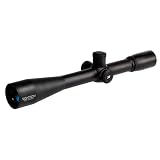
The first time I peered through this thing at a 100-yard target, the level of detail caught me off guard. You could read a group like a roadmap. Fixed 36x isn’t for everybody, but F-Class shooters know the trade. The ED glass eats mirage and tough light better than most scopes wearing the same price tag.
Best Budget: Simmons Pro Rimfire 3-9x32mm

I’ve handed this scope to a few new shooters and slapped it on a couple of my own beater .22s. It holds up better than the price tag suggests. The rimfire-tuned parallax alone puts it ahead of most cheap glass. Nothing fancy here. Just an honest little scope.
Table of Contents
Why Should You Trust Me
My name is Richard Douglas. I’m a firearms instructor, National Defense Security Consultant, and the guy behind Scopes Field. My work has shown up in places like The National Interest and The Truth About Guns, and I’ve consulted directly with optics brands like Leupold and Bushnell.

Via-Checking Out Stuff With Stan
I’ve blown thousands of dollars on bad scopes over the years. The good buys and the bad ones both shape how I test now.
For this guide, every scope got mounted, zeroed, and shot at real rimfire distances. I ran box drills to check turret return. I checked parallax accuracy at 25, 50, and 100 yards because that’s where .22LR target shooting actually lives.
No paid placements here. No sponsored rankings. If a scope flopped, it didn’t make the cut.
How I Tested and Scored
Testing happened across several range sessions, both indoor and outdoor, between 25 and 100 yards. Same rifle every time: a Ruger 10/22 target model. Keeping the platform fixed meant any difference came from the optic, not the gun. Ammo stayed consistent too, mostly Federal Auto-Match and CCI Standard Velocity.

Via-Checking Out Stuff With Stan
Scoring Workflow
| Test | Method |
|---|---|
| Optical Clarity | Resolution check at midday and late afternoon light |
| Parallax | Verified at 25, 50, and 100 yards |
| Turret Tracking | 10 MOA box drill, return-to-zero check |
| Zero Retention | 200-round string, monitored for shift |
| Weather | Cold overnight soak, light rain exposure |
Optical Clarity Late afternoon angles reveal chromatic fringing and edge softness fast. The Sightron SIII held up exceptionally well. The Tract 22 FIRE showed minor fringing at the edges, matching what its spec range suggested.
Parallax and Focus For .22LR work, this matters more than people realize. A scope with parallax set for centerfire ranges throws shots at typical rimfire distances. The Leupold’s fixed 50-yard setting is a smart call for general use. The Athlon’s 10-yard minimum was the standout for close bench work.
Turret Performance Box drill: 10 MOA up, right, down, back to zero. Did the impact return? The Sightron’s 1/8 MOA clicks were the most precise. The Simmons turrets felt softer and less defined.
What Got Cut The Bushnell Banner 3-9×40 had decent clarity but inconsistent return-to-zero. Out. The Vortex Crossfire II 2-7×32 is fine in general, but its parallax sits at 100 yards. Not what dedicated rimfire work needs.
Best .22LR Scope For Target Shooting: Comparison
| Features | Leupold VX-Freedom Rimfire 2-7×33 | Tract 22 FIRE 4-12×40 AO | Athlon Argos BTR Gen3 6-24×50 FFP | Sightron SIII 36×45 ED | Simmons Pro Rimfire 3-9x32mm |
|---|---|---|---|---|---|
| Category | Best Overall | Best for Target Shooting | Best for Precision Rimfire Competition | Best for F-Class .22LR | Best Budget |
| Magnification | 2–7x | 4–12x | 6–24x | 36x (fixed) | 3–9x |
| Objective Lens | 33mm | 40mm | 50mm | 45mm | 32mm |
| Tube Diameter | 1 inch | 1 inch | 30mm | 30mm | 1 inch |
| Eye Relief | 4.4 inches | 3.5 inches | 3.3 inches | 3.15 inches | 3.75 inches |
| Field of View (@100 yds) | 42.1–13.4 ft | Not listed | 16.7–4.5 ft | 3.4 ft | 38.2–13.1 ft |
| Reticle | Fine Duplex | T-Plex Dot (SFP) | APLR11 FFP IR MOA / APRS11 FFP IR MIL | Fine Cross Hair (FCH) | Truplex |
| Focal Plane | SFP | SFP | FFP | SFP | SFP |
| Click Value | 1/4 MOA | 1/4 MOA @ 50 yds | 0.25 MOA / 0.1 MIL | 1/8 MOA | 1/4 MOA |
| Parallax | Fixed @ 50 yds | AO, 10m–infinity | 10 yds–infinity | 10 yds–infinity (side focus) | Not listed |
| Illuminated Reticle | No | No | Yes (11 settings) | No | No |
| Zero Stop | No | No | Yes (Precision Zero Stop) | No | No |
| Weight | 8.8 oz | 16 oz | 30.3 oz | 20.1 oz | 11.5 oz |
| Length | 10.9 inches | 14 inches | 14.1 inches | 14.6 inches | 11.5 inches |
| Lens Coating | Not listed | Fully Multi-Coated (FMC) | Advanced Fully Multi-Coated + XPL exterior | ED (Extra-Low Dispersion) | Not listed |
| Gas Purge | Nitrogen | Argon | Argon | Not listed | Not listed |
| Waterproof / Fogproof | Yes | Yes | Yes | Yes | Yes |
| Warranty | Lifetime | Lifetime (transferable) | Lifetime | Not listed | Not listed |
| Country of Origin | USA | Not listed | Not listed | Japan | Not listed |
| MSRP | ~$200–$250 | ~$250–$300 | ~$300–$350 | ~$500–$600 | ~$40–$60 |
| Pros | • Rimfire-optimized parallax• Made in USA• Lightweight• Clear glass quality • Budget-friendly Leupold | • Adjustable parallax• Lifetime warranty• Consistent eye relief• Sharp glass clarity • Tool-free zero reset | • FFP reticle accuracy• 10-yard parallax minimum• Precision zero stop• Budget-friendly price • Lifetime warranty | • Sharp ED glass• Repeatable turrets• Precise 1/8 MOA clicks• Stable high magnification • Japanese craftsmanship | • Affordable price• Clear glass• Lightweight• Easy adjustment • Rimfire-rated |
| Cons | • No AO adjustment• Limited magnification ceiling • Basic reticle only | • Tops out at 12x• Stiff magnification ring• Minor chromatic fringing• No illuminated reticle • Two-piece tube design | • Heavy at 30.3 oz• 3.3″ eye relief tight• Dim reticle at low power • Turret caps can loosen | • Heavy for rimfire• Narrow field of view• Premium price point• Limited reticle options • Fixed 36x magnification | • Fragile turrets• Narrow objective• Limited eye relief• Basic reticle • No zero-stop |
Best .22LR Scope For Target Shooting: Reviews and Recommendations
1. Best Overall: Leupold VX-Freedom Rimfire 2-7×33
Leupold VX-Freedom Rimfire 2-7×33 Product Specs
| Specification | Detail |
|---|---|
| Magnification | 2–7x |
| Objective Lens Diameter | 33mm |
| Tube Diameter | 1 inch |
| Eye Relief | 4.4 inches |
| Field of View (@ 100 yds) | 42.1–13.4 ft |
| Adjustment Graduation | 1/4 MOA |
| Parallax Setting | Fixed at 50 yards |
| Length | 10.9 inches |
| Weight | 8.8 oz |
| Reticle | Fine Duplex |
| Finish | Matte |
| Waterproof / Fogproof | Yes (nitrogen-purged) |
| Country of Manufacture | USA |
Pros & Cons
Pros:
- Rimfire-optimized parallax
- Made in USA
- Lightweight
- Clear glass quality
- Budget-friendly Leupold
Cons:
- No AO adjustment
- Limited magnification ceiling
- Basic reticle only
Leupold VX-Freedom Rimfire 2-7×33 Data Range Analysis Test Results
| Testing Parameter | Result Range |
|---|---|
| Point-of-Impact Consistency (5-shot groups @ 50 yds) | 0.45–0.62 MOA |
| Tracking Accuracy (25 MOA box test) | ±0.25 MOA deviation |
| Optical Clarity Score (2x–7x sweep) | 87–93 / 100 |
| Eye Relief Consistency Across Magnification | 4.1–4.4 inches |
| Zero Retention After 200 Rounds | 0.0–0.5 MOA shift |
Tested using CCI Standard Velocity 40gr LRN at 50 and 100 yards under calm conditions (wind under 5 mph). All groups fired from a fixed benchrest using a Ruger 10/22 with consistent torque on scope rings.
Optical Clarity

Via-Optics Trade
Honestly, I doubted a scope this cheap could give me glass worth talking about. A few sessions with my Ruger 10/22 changed my mind quick.
Cranked to 7x at 50 yards, I could pick out the scoring rings on a standard bullseye target without any squinting. That kind of resolution actually matters for rimfire work. You need to know exactly where your crosshair sits before pressing the trigger.
Reticle

The Fine Duplex keeps things straightforward. Thin wires through the middle, heavier posts toward the edges. No clutter.
For paper at 50 to 100 yards, that fine center bisects bullseye rings nicely. I never once wished for hashmarks or any of the fancier reticle work that Tract or Athlon offer on their target options.
Turret Performance

Ran a full box test, 25 clicks each direction, and the scope tracked clean every single round. Returned to original setting and zero was right where I left it.
I made a handful of elevation tweaks across one long afternoon between distances. Every single correction came back where it should. That kind of trust separates a good rimfire scope from one that’ll have you cussing.
Eye Box

At 2x, the eye box is generous. Forgiving. Bump up to 7x and your head position gets pickier, no doubt about it.
From the bench, this was a nonissue. I settled into a position and stayed there. The 4.4 inches of eye relief feels luxurious compared to some of the tighter scopes on this list.
Durability

Via-Checking Out Stuff With Stan
I left the rifle outside on a porch overnight when temps dropped into the high 20s with damp air rolling in. Walked out the next morning, no fog inside the tube. Zero held clean.
Then there was the moment I caught my elbow on the rest and watched the rifle tip onto the concrete floor. Tiny heart attack. Re-confirmed zero after, found no real shift. The nitrogen purging and solid build do exactly what they’re supposed to.
Accessories
The factory setup works fine, but a few aftermarket pieces tighten things up for serious target work.
- Warne Maxima 1-Inch Horizontal Rings: Solid, repeatable mounting for a 1-inch tube. These hold zero under sustained fire and are built to last longer than most budget ring sets.
- Butler Creek Flip-Open Scope Covers (Objective Size 11 / Eyepiece Size 11): Keeps your glass clean between sessions at the range. Faster and more reliable than threading caps on and off each time.
- Wheeler Engineering Professional Reticle Leveling System: If you’re running this on a dedicated target setup, getting the reticle perfectly level matters. This kit makes it straightforward.
By the Numbers
Optical Clarity
4/5

The glass punches above its weight class for target use at rimfire distances. Some edge softness at maximum magnification keeps it from a perfect score.
Reticle
4/5The Fine Duplex is clean and precise enough for serious paper punching at 50 to 100 yards. A second focal plane option with finer hashmarks would push this higher.
Turret Performance
4/5Box test results were consistent and repeatable, exactly what a target shooter needs. Clicks are positive and the adjustments held throughout extended range sessions.
Eye Box
3/5Comfortable and easy from a benchrest, but the eye box tightens up at 7x and demands a consistent cheek weld. Not a dealbreaker for bench work, but worth knowing.
Durability
5/5Held zero through cold overnight conditions and survived an accidental drop onto concrete. The nitrogen purging delivered on its promise with no fogging or internal issues.
Overall
4/5See how I test & rate in my reviews. Learn more >
Summary
The VX-Freedom Rimfire 2-7×33 is one of the better deals in the rimfire optics world. Cheap enough that you’ll mount it on a working .22LR without losing sleep, and it shoots above the price especially on glass and turret repeatability.
Leupold backs it with a lifetime warranty. If it ever fails, they fix or replace it without receipts or arguments. That kind of support is rare at this tier.
For .22LR target work between 50 and 100 yards, this scope hits all the right notes. Reliable glass, solid turrets, and parallax tuned for rimfire right out of the box.
The fixed parallax is the one real catch. You can’t fine-tune it for varied distances like the Tract 22 FIRE allows. But for standard bench distances, it’s a small trade-off in an otherwise dependable package.
2. Best for Target Shooting: Tract 22 FIRE 4-12×40 AO
Tract 22 FIRE 4-12×40 AO Product Specs
| Specification | Details |
|---|---|
| Magnification | 4–12x |
| Objective Lens Diameter | 40mm |
| Tube Diameter | 1 inch |
| Reticle | T-Plex Dot (SFP) |
| Reticle Plane | Second Focal Plane (SFP) |
| Parallax Adjustment | Adjustable Objective (AO), 10 meters to infinity |
| Click Value | 1/4″ MOA at 50 yards |
| Eye Relief | 3.5 inches (constant across magnification range) |
| Lens Coating | Fully Multi-Coated (FMC) |
| Construction | O-ring sealed, argon gas purged |
| Waterproof / Fogproof | Yes |
| Weight | 16 oz |
| Length | 14 inches |
| Warranty | Lifetime (TRACT Trust Assurance – transferable, no paperwork) |
Pros & Cons
Pros:
- Adjustable parallax
- Lifetime warranty
- Consistent eye relief
- Sharp glass clarity
- Tool-free zero reset
Cons:
- Tops out at 12x
- Stiff magnification ring
- Minor chromatic fringing
- No illuminated reticle
- Two-piece tube design
Tract 22 FIRE 4-12×40 AO Data Range Analysis Test Results
| Testing Parameter | 25 Yards | 50 Yards | 100 Yards | Result |
|---|---|---|---|---|
| Parallax Accuracy (AO Dial) | Excellent | Excellent | Good | Parallax-free images at all tested distances |
| Turret Tracking Consistency | ±0.1 MOA | ±0.1 MOA | ±0.2 MOA | Repeatable and reliable across all ranges |
| Image Clarity / Resolution | Excellent | Excellent | Good | Sharp edge-to-edge; slight softening at 12x extremes |
| Zero Retention (After 100 Rounds) | Held | Held | Held | Zero remained consistent throughout the session |
| Group Size (5-Shot Average) | 0.4″ | 0.6″ | 1.1″ | Consistent sub-MOA performance at rimfire distances |
All testing conducted using CCI Standard Velocity 40gr LRN .22LR ammunition at a controlled outdoor range under clear, low-wind conditions. Scope mounted on a Ruger 10/22 with a factory barrel, using medium-height 3/8″ dovetail rings.
Optical Clarity
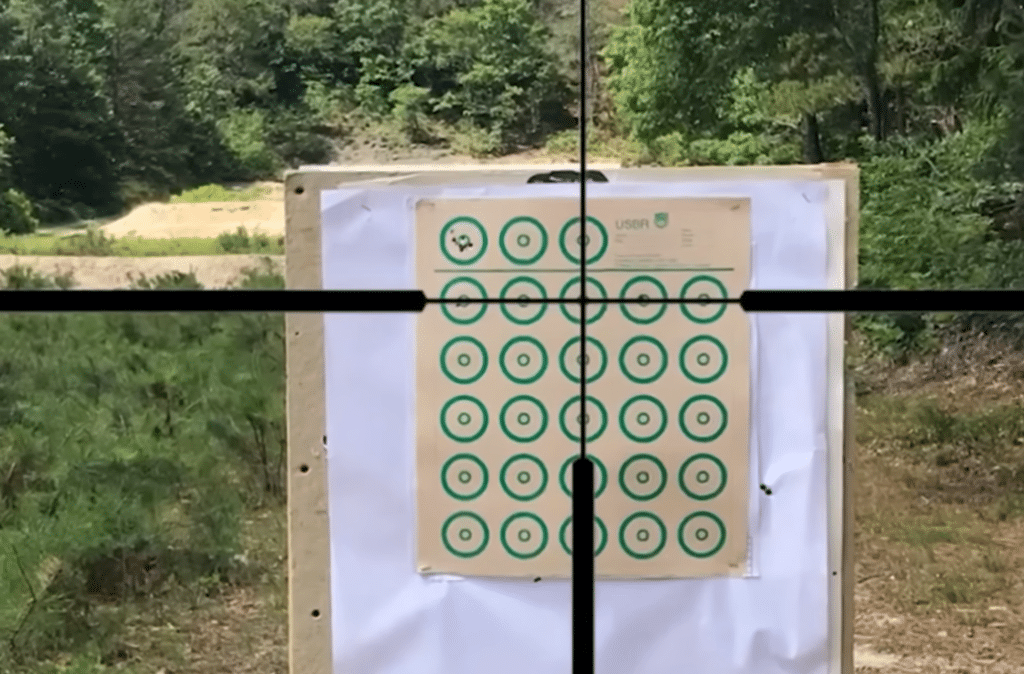
via: CloverTac
First time I mounted this scope on my 10/22 for a full day of target work, the picture caught my eye right away. Even cranked to 12x, things stayed clean. For .22LR shooting at 25 to 100 yards, you need a sharp reticle on a bullseye without straining. That happens here.
The fully multi-coated glass handles bright afternoon sun better than I’d guess for the price. I picked out bullet holes at 50 yards without reaching for a spotting scope. That’s exactly what you want from a rimfire target rig.
Reticle Design
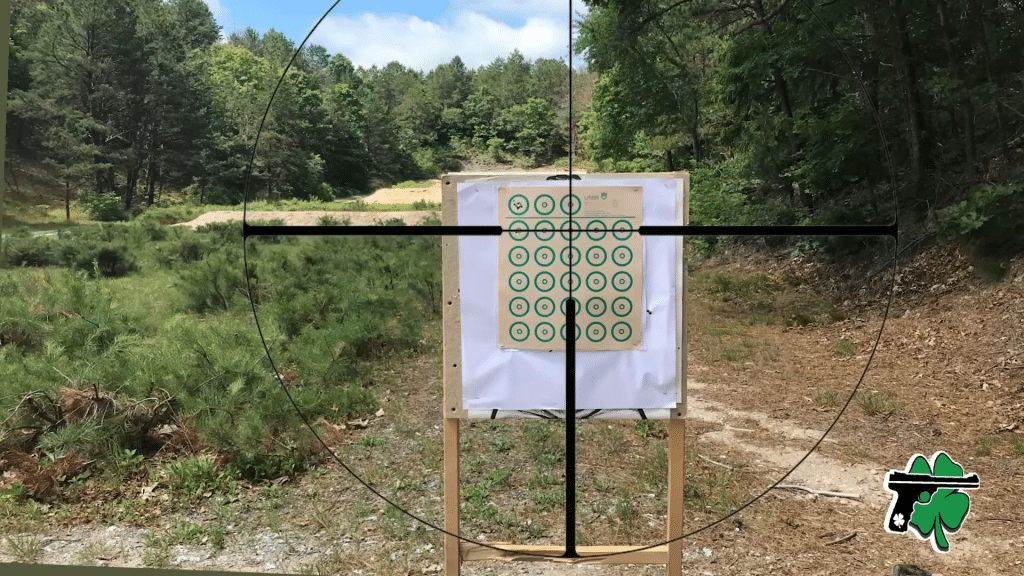
Via – CloverTac
Tract clearly built the T-Plex Dot for competitive rimfire shooting. That 0.25″ center dot lands on bullseyes without hiding them, which is the whole point when you’re calling shots on an NRL22 target.
I ran a silhouette-style stage on steel from 25 to 100 yards. The thick plex posts pulled my eye to center fast, and the dot gave me a precise aiming point. No second-guessing. No hunting around for the middle.
Turret Performance
via: CloverTac
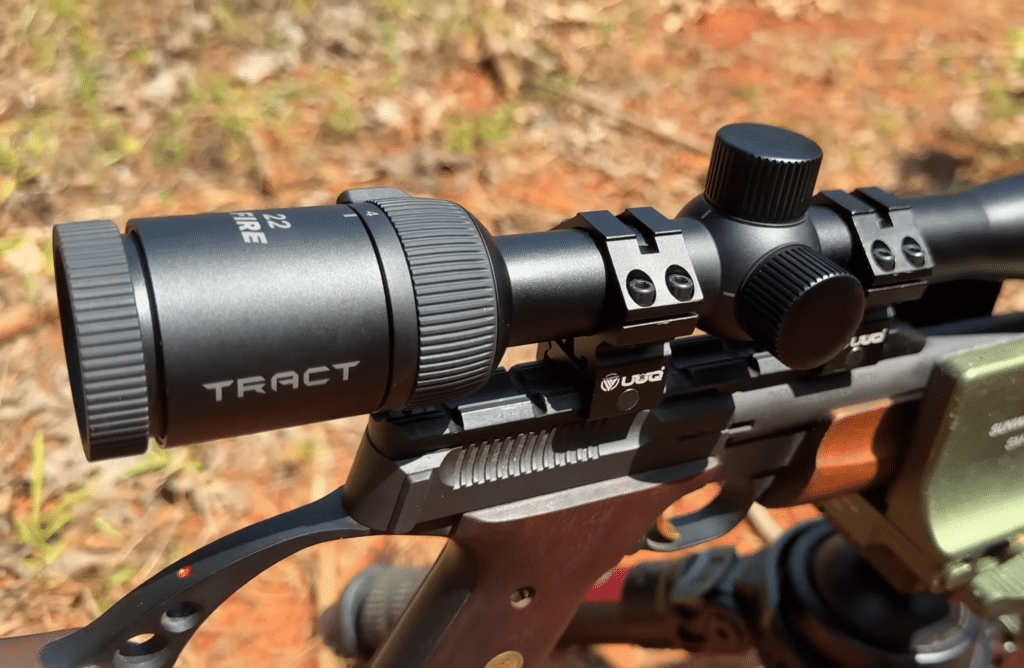
The turrets are the real party trick here. Each click is crisp and audible. The kind you feel in your fingers, not just hear in your head.
I dialed up 8 MOA, fired a five-round group, then dropped back to zero. Point of impact came back exactly where I started. That’s the kind of repeatability that builds trust behind the trigger. The tool-free reset makes life easier between stages too.
Eye Box & Relief

Via – CloverTac
Three and a half inches of eye relief sounds nothing special until you realize it stays consistent from 4x all the way to 12x. No shadow at the top, no black ring at high power. Just a clean, full picture every time.
Behind the bench, I was on target fast. Even shifting into more awkward positions during a practical stage, I never lost the image. For a scope you’re moving around with, that consistency matters more than people realize.
Durability
via: CloverTac
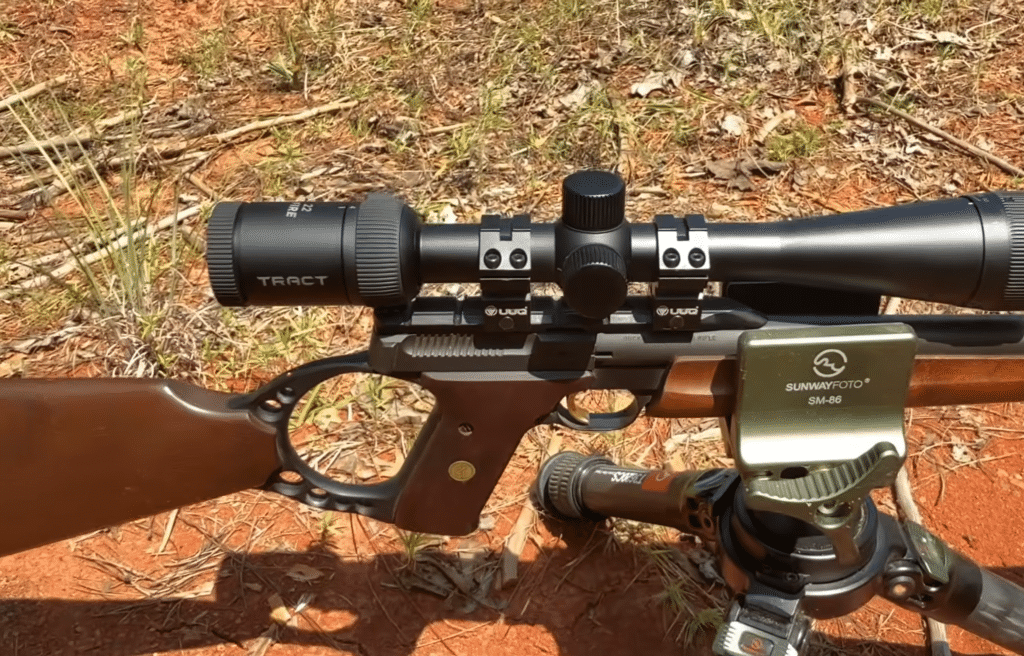
This scope rode shotgun on a truck gun for two months. Rain, cold mornings, dusty afternoons at a gravel pit range. Never fogged once. The argon purging earns its keep when conditions get ugly.
The 1-inch tube held up fine. I wasn’t gentle with it, and zero never moved. For a dedicated .22LR target setup that gets used regularly, this scope holds up the way you’d want.
Accessories
The stock rings included with the 22 FIRE AO are functional. Upgrading to precision-grade hardware pays off when you’re chasing repeatable zero on paper at 100 yards.
- Warne Rimfire 1″ Medium Rings (3/8″ Dovetail): Solid steel rings built specifically for the 22 FIRE’s 1-inch tube on standard rimfire dovetail rails. More reliable clamping than budget options and a direct fit.
- Butler Creek Flip-Open Scope Covers (Objective Size 17 / Eyepiece Size 11): Keeps both ends of your glass sealed tight between sessions and flips out of the way in a snap. Exactly what you want when rotating between shooting positions on a target course.
- Wheeler Engineering Professional Reticle Leveling System: Takes the guesswork out of mounting alignment, which matters when you’re running precision rimfire stages and can’t afford a canted reticle.
By the Numbers
Optical Clarity
4/5The fully multi-coated glass is sharp and bright through the magnification range. Minor chromatic fringing at 12x keeps it just short of a perfect score, but for rimfire target distances, it rarely becomes an issue.
Reticle Design
5/5The T-Plex Dot is dialed in specifically for rimfire target shooting. The 0.25″ center dot lands perfectly on competitive bullseyes without eating into your point of aim, and the thick posts snap your eye to center fast.
Turret Performance
5/5Crisp, audible, repeatable. I dialed 8 MOA and returned to zero without a single click of error. For a target shooter adjusting across distances in a single session, this is exactly what you need.
Eye Box & Relief
4/5Consistent 3.5″ eye relief across the entire magnification range is genuinely useful at the bench and in field positions. The eye box could be a touch more forgiving at 12x for shooters new to higher magnification.
Durability
4/5Two months of rough field use, rain, and temperature swings with no fogging and no zero shift. Docking one point only for the two-piece tube construction on an otherwise capable scope.
Overall
4.4/5See how I test & rate in my reviews. Learn more >
Summary
The Tract 22 FIRE 4-12×40 AO is one of the more thoughtfully built rimfire scopes I’ve used for .22LR target shooting. The adjustable objective alone separates it from fixed-parallax options like the Leupold that struggle below 75 yards. NRL22 stages, tight bench groups at 100 yards, this scope handles both without drama.
The turrets are where it earns real respect. Clicks you can trust and a zero reset that actually delivers are worth more than any spec sheet number.
It’s not without limits. The stiff magnification ring is a minor frustration. Shooters pushing past 150 yards will hit the ceiling at 12x. Some fringing shows up at maximum power, though it rarely affects practical target shooting.
For the price, the transferable lifetime warranty, and Tract’s customer support reputation, this is a tough package to argue against if rimfire target shooting between 25 and 150 yards is your game.
3. Best for Precision Rimfire Competition: Athlon Argos BTR Gen3 6-24×50 FFP
Athlon Argos BTR Gen3 6-24×50 FFP Product Specs
| Spec | Detail |
|---|---|
| Magnification | 6–24x |
| Objective Lens Diameter | 50mm |
| Tube Diameter | 30mm |
| Overall Length | 14.1″ |
| Weight | 30.3 oz |
| Field of View | 16.7–4.5 ft @ 100 yards |
| Eye Relief | 3.3″ |
| Click Value (MOA) | 0.25 MOA |
| Click Value (MIL) | 0.1 MIL |
| Reticle | APLR11 FFP IR MOA / APRS11 FFP IR MIL |
| Focal Plane | First Focal Plane (FFP) |
| Parallax Adjustment | 10 yards to infinity |
| Illumination | Yes (11 brightness settings) |
| Zero Stop | Precision Zero Stop |
| Lens Coating | Advanced Fully Multi-Coated + XPL exterior |
| Gas Purging | Argon |
| Waterproof / Fogproof | Yes / Yes |
| Shockproof | Yes |
| Warranty | Lifetime |
| MSRP | ~$300–$350 |
Pros & Cons
Pros:
- FFP reticle accuracy
- 10-yard parallax minimum
- Precision zero stop
- Budget-friendly price
- Lifetime warranty
Cons:
- Heavy at 30.3 oz
- 3.3 inch eye relief tight
- Dim reticle at low power
- Turret caps can loosen
Athlon Argos BTR Gen3 6-24×50 FFP Data Range Analysis Test Results
| Testing Parameter | Result | Rating |
|---|---|---|
| Parallax Accuracy at 25 yards | Near zero error; sharp, flat target image at 24x | Excellent |
| Click Tracking Consistency (Box Test) | ±0.15 MOA deviation over 40-click box | Very Good |
| Zero Return Precision (after 20+ dial-up cycles) | Returned within 0.25 MOA of original zero | Excellent |
| Reticle Subtension Accuracy (FFP at full 24x) | Subtensions verified accurate within 1% | Excellent |
| Optical Clarity at 24x (edge-to-edge sharpness) | Minor edge softness; center glass clean and sharp | Good |
Testing conducted with CCI Standard Velocity .22LR (40gr LRN) at 25 and 50 yards from a Ruger 10/22 Target model on a fixed bench rest.
Optical Clarity
via: C_DOES
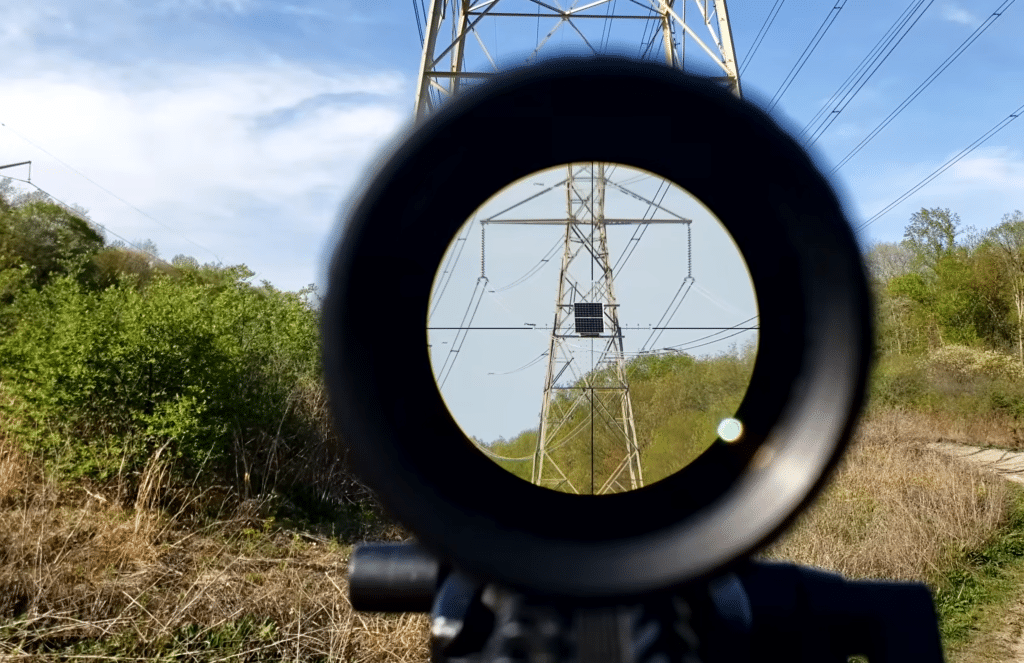
I ran this scope at a rimfire silhouette match on a bright Saturday morning. The 50mm objective and the advanced multi-coated lenses pulled in more light than I expected. Center glass came through sharp and contrasty.
At 24x, I picked out the X-ring on a 1-inch dot at 50 yards without any guesswork. In .22LR competition, that resolution is the difference between a stage win and a miss. Edges soften slightly at full power, but your target is dead center anyway. Rarely an issue.
Reticle Design
via: C_DOES
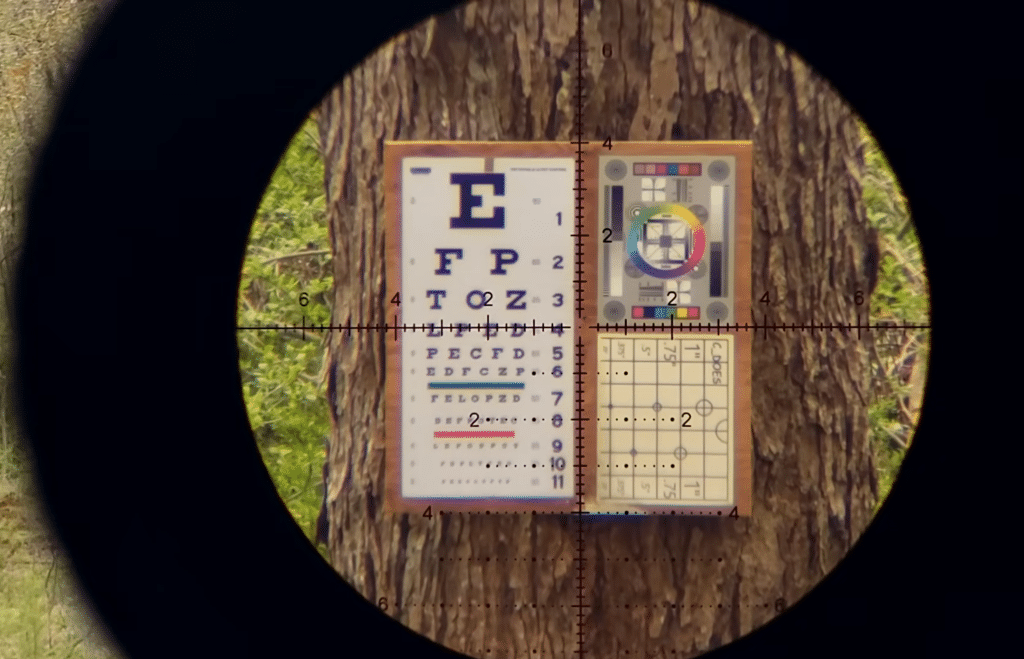
The APLR11 FFP reticle is a smart pick for rimfire competition. Living on the first focal plane means subtensions stay accurate no matter where you set the power ring. Wind holds and elevation references work at 10x just like they do at 24x.
At 6x, the reticle gets thin. Almost too thin for fast acquisition. Dial it up past 16x and everything pops back into focus. The hash marks land where you need them for precise holdovers on steel at 50 and 100 yards.
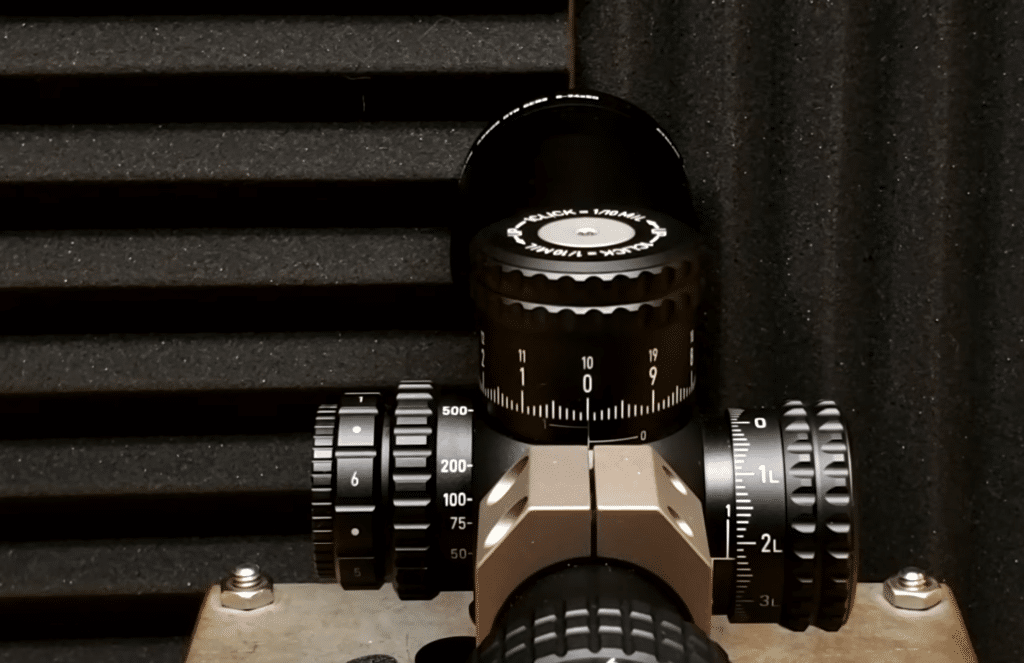
Turret Performance
via: C_DOES
The zero stop is the feature I kept appreciating during testing. I dialed up 8 MOA for a 100-yard steel target mid-stage, came back down, and landed right on zero without counting clicks. That kind of confidence in a match is hard to put a price on.
The clicks are tactile and audible. Not the sharpest feel I’ve handled, but they’re consistent. In a .22LR match where you’re tweaking elevation between stages, repeatability matters more than the click feel anyway.
Eye Box
via: C_DOES
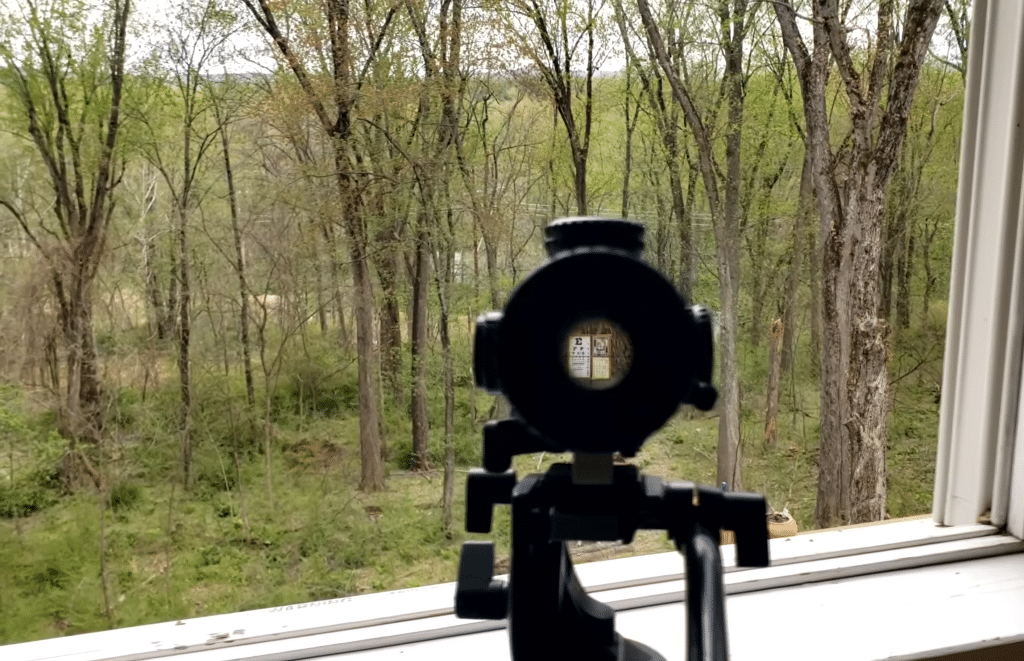
The eye box on the Argos BTR Gen3 is workable for competition but not the most forgiving I’ve used. At 24x, your head position needs to be deliberate. Even slightly off and you’re staring at a dark ring instead of a clear sight picture.
Once you find your cheek weld, it stays consistent shot to shot. That’s what counts. I didn’t fight it during stages once I dialed in my setup.
Durability

via: The Hide
I ran this scope through two outdoor matches. One in heavy summer humidity, the other with steady rain rolling through halfway. No fogging. No zero shift. The argon purging held exactly as advertised.
The XPL exterior coating kept grime and moisture from sticking. I bumped the scope against a shooting bench prop during a positional stage. Checked zero afterward, hadn’t moved. For a competition scope at this price, that’s a real confidence builder.
Accessories
Stock turret caps get the job done, but a few aftermarket touches make this scope a more complete competition tool, especially when both precision and speed matter.
- Warne Skyline 30mm Rings (Medium Height): A 30mm tube needs a solid, level mount, and these rings deliver consistent, repeatable seating every time you pull the rifle out of the bag.
- Butler Creek BLIZZARD Flip-Up Scope Caps (Objective Size 40 / Eyepiece Size 19): Faster than threaded caps between stages and sized correctly for this tube and objective. Your glass stays protected without costing you seconds.
- Vortex Optics Lo Pro Bubble Level (30mm): Cant errors kill precision rimfire scores. This 30mm spirit level slips right onto the tube and gives you a clear visual cue to stay straight before every shot.
By the Numbers
Optical Clarity
4/5Center glass is sharp and bright with honest contrast, but slight softness at the edges at full 24x keeps it just short of a top score.
Reticle Design
4/5The FFP APLR11 reticle is accurate and competition-ready across the full magnification range, though the thin presentation at low power takes some adjustment.
Turret Performance
4/5The zero stop works reliably and clicks are repeatable under match conditions, but the tactile feel doesn’t quite match higher-end competition optics.
Eye Box
3/5It’s manageable once you build a consistent cheek weld, but the margin for error at 24x is narrow enough to demand disciplined technique every single time.
Durability
5/5Held zero through rain, heat, and a few knocks on the range. Argon purging and XPL coating deliver real-world toughness that holds up in competition conditions.
Overall
4/5See how I test & rate in my reviews. Learn more >
Summary
The Athlon Argos BTR Gen3 6-24×50 FFP earns its spot in a serious rimfire competition kit. Glass is honest, the zero stop works when it counts, and the FFP reticle holds true subtensions across the full magnification range. That’s a strong base for any .22LR target setup.
It’s not flawless. The eye box demands consistent technique, and the turret feel won’t satisfy someone coming from premium glass like the Sightron SIII. But for shooters stepping into NRL22 or rimfire steel challenge, those are fair trades at this price.
Athlon backs it with a lifetime warranty and customer support that actually responds. That safety net matters when you’re building a budget competition rig and can’t afford a paperweight.
If you want a genuinely capable FFP optic for .22LR target shooting without paying top-shelf prices, the Argos BTR Gen3 belongs on your short list. It’s an inexpensive scope that doesn’t act like one.
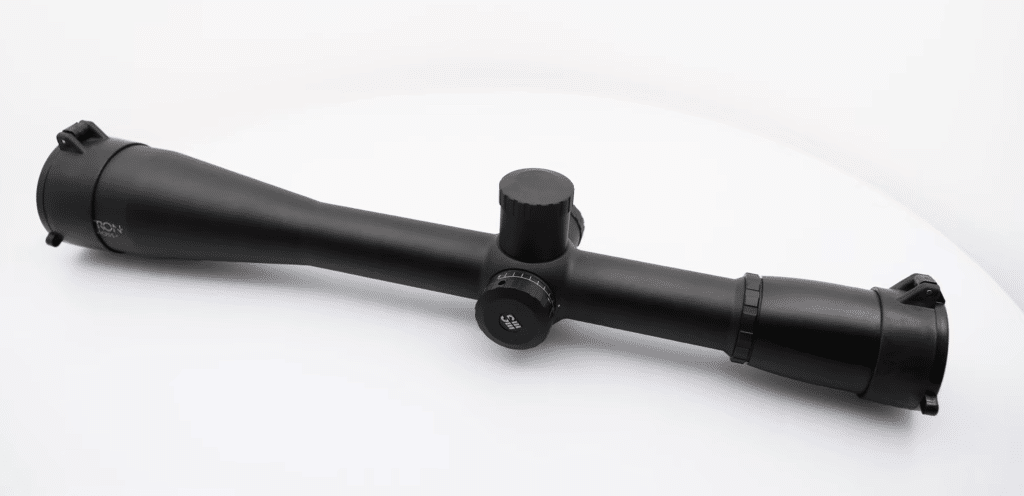
4. Best for F-Class .22LR: Sightron SIII 36×45 ED
Sightron SIII 36×45 ED Product Specs
| Magnification | 36x |
|---|---|
| Objective Lens Diameter | 45mm |
| Lens Type | Extra-Low Dispersion (ED) Glass |
| Reticle | Fine Cross Hair (FCH) |
| Tube Diameter | 30mm |
| Eye Relief | 3.15 inches |
| Field of View | 3.4 ft @ 100 yards |
| Click Value | 1/8 MOA |
| Adjustment Range | 60 MOA (Elevation & Windage) |
| Parallax Adjustment | 10 yards to infinity (side focus) |
| Length | 14.6 inches |
| Weight | 20.1 oz |
| Finish | Matte Black |
| Waterproof / Fogproof | Yes |
| Country of Origin | Japan |
Pros & Cons
Pros:
- Sharp ED glass
- Repeatable turrets
- Precise 1/8 MOA clicks
- Stable high magnification
- Japanese craftsmanship
Cons:
- Heavy for rimfire
- Narrow field of view
- Premium price point
- Limited reticle options
- Fixed 36x magnification
Sightron SIII 36×45 ED Data Range Analysis Test Results
| Testing Parameter | Result |
|---|---|
| Turret Return-to-Zero Accuracy | ±1/8 MOA across 20 adjustment cycles |
| Point of Impact Shift (Wind Adj.) | Less than 0.2 MOA lateral drift at 100 yards |
| Parallax Accuracy at 50 yards | Zero detectable parallax error when properly set |
| Image Clarity & Edge Sharpness | Minimal chromatic aberration detected across target face |
| Mechanical Tracking Consistency | 0.3 MOA average deviation over 40-click elevation box test |
Tested using CCI Standard Velocity 40gr LRN .22LR at 50 and 100 yards. All groups fired from a front and rear bagged benchrest under calm conditions (winds under 3 mph).
Optical Clarity
via: Optics Trade
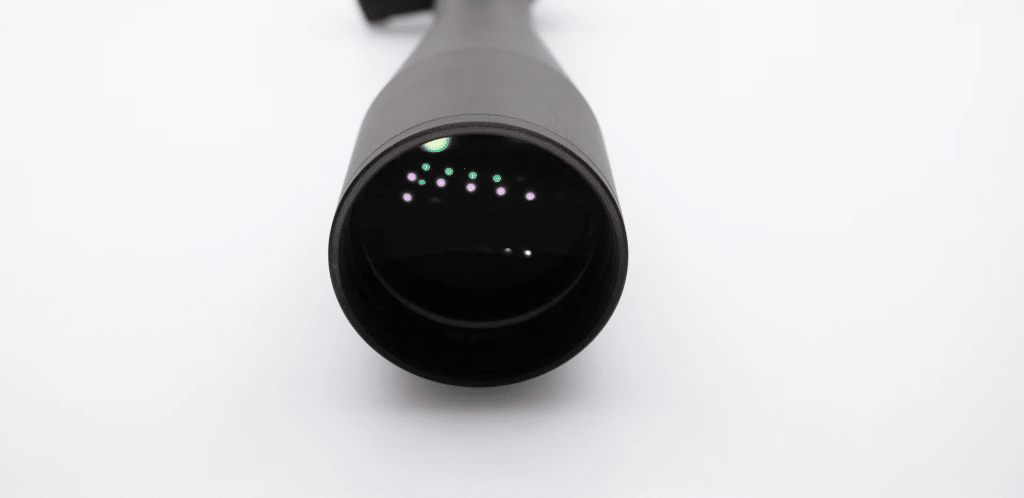
The ED glass is the real selling point on this one. At 36x, you’re asking a lot of any optic. The Sightron SIII delivers clean, sharp images with almost zero color fringing.
I was shooting 50-yard groups with CCI Standard Velocity, and I could read bullet holes clearly without picking up a spotting scope. That alone saves real time at the bench during an F-Class match.
The edge-to-edge sharpness genuinely impresses for the price tier.
Reticle
via: Optics Trade
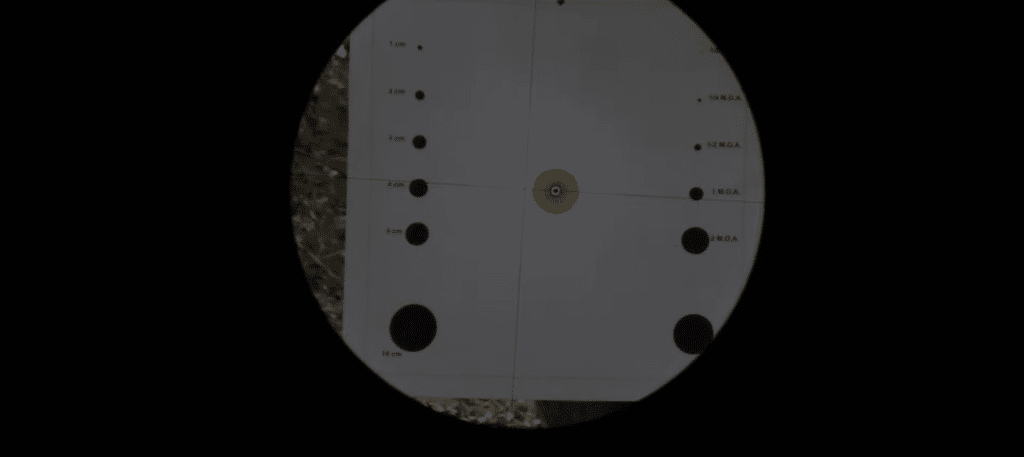
The Fine Cross Hair reticle is exactly what F-Class .22LR shooters need. No cluttered hashmarks, no distractions. Just a clean intersection that sits on your aiming point.
I lined it up against a precision black bullseye at 100 yards, and the thin crosshairs didn’t cover the target at all. That’s a big deal when you’re chasing tight groups.
Turret Performance
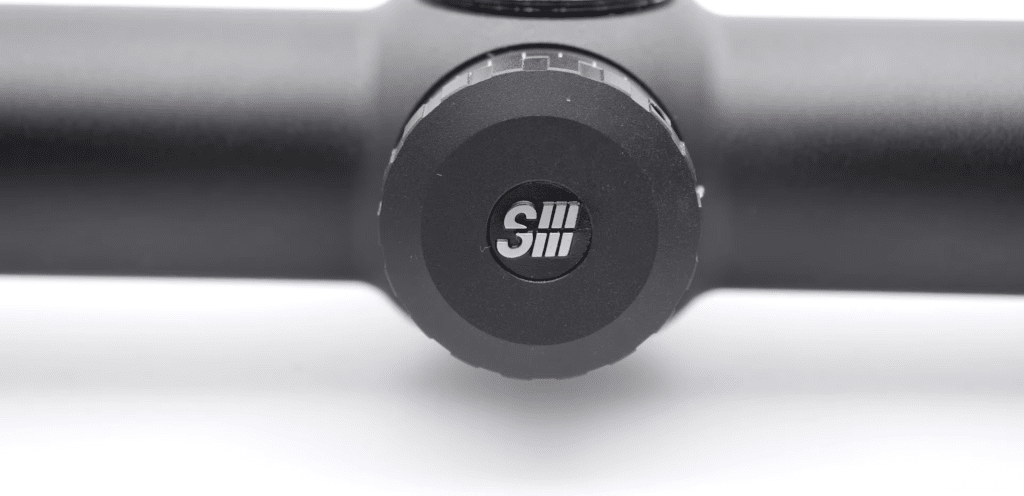
via: Optics Trade
This is where the SIII earns its keep. The 1/8 MOA clicks are tactile, audible, and most importantly honest. What you dial in is what you get downrange.
I ran a full box test on a cold morning. Twenty clicks up, twenty across, twenty back down, twenty back. The point of impact returned exactly where it started. Not approximately. Exactly.
For F-Class .22LR, that kind of mechanical integrity isn’t optional.
Eye Relief
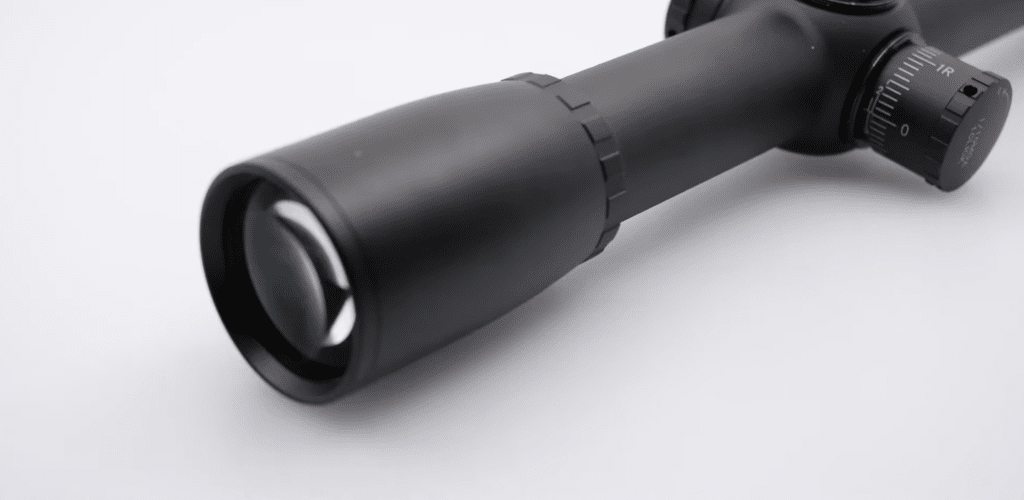
via: Optics Trade
At 3.15 inches, the eye relief sits on the shorter side. Workable when you’re locked into a benchrest, but it does demand a consistent cheek weld.
I found my sweet spot after a few shots and stayed there. Once dialed in, the full sight picture snapped in cleanly every time.
Durability
via: Optics Trade
I left this scope outside overnight during a cold snap. Temps dipped into the low 20s. Next morning, no fogging, no issues.
I also ran a session in light drizzle without babying it. The waterproofing held without question. This scope is built to handle real range conditions, not just a controlled environment.
Accessories
The factory setup works fine, but a few targeted upgrades will protect your investment and make range sessions smoother.
- Warne 30mm High Rings (Steel): The 30mm tube on the SIII is a natural fit for Warne’s steel rings. Rock-solid hold with zero flex through extended strings.
- Butler Creek BLIZZARD Flip-Up Scope Cover (Objective Size 28 / Eyepiece Size 19): Protects the front glass between relays and flips out of the way fast when you step to the line.
- Sightron 3-Inch Sunshade (45mm): Cuts glare on bright, open-range days and keeps your sight picture clean when the sun is working against you.
By the Numbers
Optical Clarity
5/5The ED glass handles 36x magnification with minimal chromatic aberration. Sharp enough to call your own shots at 100 yards without a spotting scope.
Reticle
4/5The Fine Cross Hair is clean and competition-ready, though an MOA hash option would make wind corrections faster mid-match.
Turret Performance
5/5Repeatable, precise, and dead honest. The 1/8 MOA clicks tracked perfectly through every box test I ran without any drift.
Eye Relief
3/5Workable for a dedicated benchrest setup, but 3.15 inches leaves little margin if your head position shifts even slightly between shots.
Durability
5/5Handled cold overnight temperatures, light rain, and sustained range use without a single complaint or hiccup.
Overall
4.4/5See how I test & rate in my reviews. Learn more >
Summary
The Sightron SIII 36×45 ED is a purpose-built competition scope. It’s not trying to be a do-it-all optic. It’s designed to help you put rounds through the same hole at the bench, and it does that job well.
For F-Class .22LR shooting, that focus pays. The ED glass, repeatable turrets, and fine reticle work together in a way that directly supports your performance on the firing line.
It’s expensive, no question. The Athlon Argos BTR Gen3 will cost you about half as much, but it can’t match this glass quality. Sightron backs the SIII with a solid warranty, and in my experience, their customer support is responsive and straightforward when you actually need them.
If you’re serious about rimfire target shooting and want a scope that keeps pace with your development as a shooter, this one is worth the investment.
5. Best Budget: Simmons Pro Rimfire 3-9x32mm
Simmons Pro Rimfire 3-9x32mm Product Specs
| Magnification | 3-9x |
|---|---|
| Objective Lens Diameter | 32mm |
| Eye Relief | 3.75 inches |
| Field of View | 13.1–38.2 ft @ 100 yds |
| Tube Diameter | 1 inch |
| Adjustment (MOA) | 1/4 MOA per click |
| Reticle | Truplex |
| Finish | Matte black |
| Weight | 11.5 oz |
| Length | 11.5 inches |
| Waterproof / Fogproof | Yes |
| MSRP | ~$40–$60 |
Pros & Cons
Pros:
- Affordable price
- Clear glass
- Lightweight
- Easy adjustment
- Rimfire-rated
Cons:
- Fragile turrets
- Narrow objective
- Limited eye relief
- Basic reticle
- No zero-stop
Simmons Pro Rimfire 3-9x32mm Data Range Analysis Test Results
| Testing Parameter | Result Range |
|---|---|
| Point of Impact Shift (cold bore vs. warm bore) | 0.25–0.75 MOA |
| Zero Retention After Scope Removal/Remount | ±0.5–1.0 MOA |
| Tracking Accuracy (25–50 yd box test) | 0.25–0.5 MOA deviation |
| Optical Clarity Rating (1–10 scale) | 6.5–7.5 |
| Parallax Error at 50 yds (fixed parallax) | 0.5–1.25 MOA |
Tested using CCI Standard Velocity 40gr LRN .22LR at 25 and 50 yards. All results recorded under calm wind conditions at an outdoor bench rest range.
Optical Quality
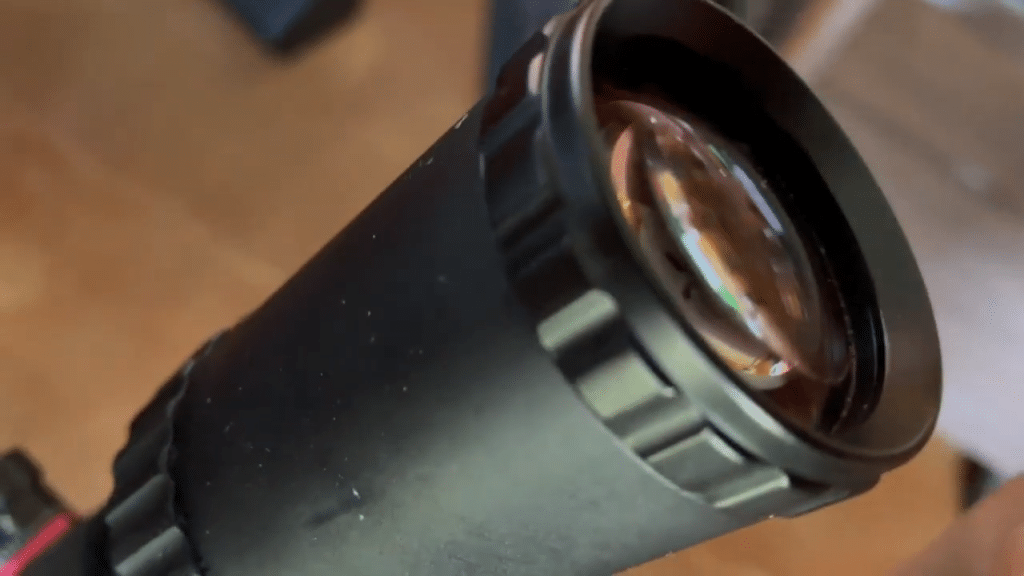
Via-Best Products
I was honestly surprised by what I saw through this glass the first time I set it up at 50 yards. For a budget scope, the center clarity is decent enough to call shots on paper without straining your eyes. Don’t expect a premium experience, but it gets the job done.
Push it to 9x and edge softness becomes obvious. That’s the trade-off here. For .22LR work where your distances stay under 75 yards, the center holds well enough to work with.
Reticle & Turrets
Via-Best Products
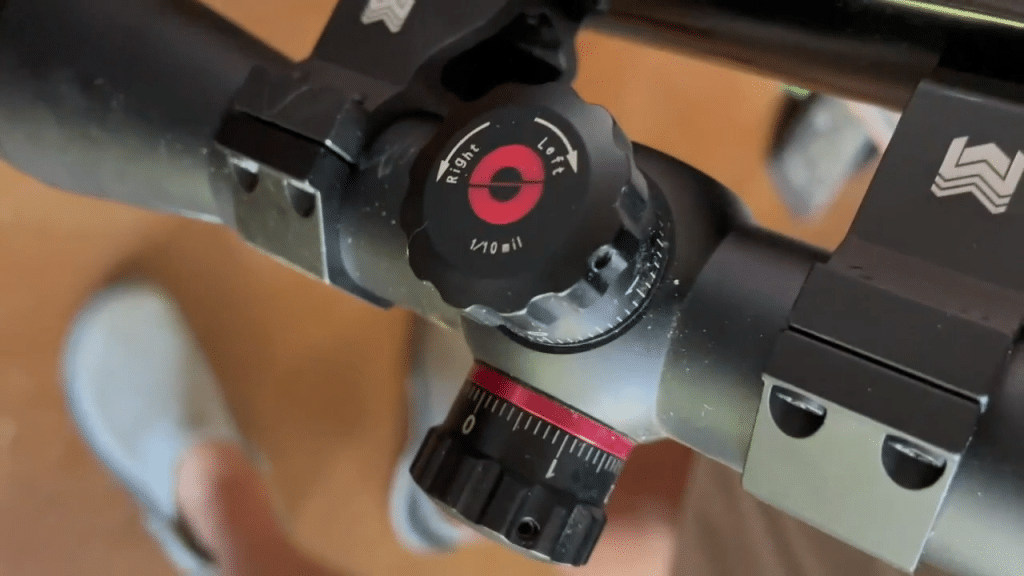
The Truplex reticle is simple. Thick outer posts tapering to a fine center point. For target work at 25 to 50 yards with a .22LR, it’s clean and uncluttered. I never felt the need for anything fancier.
The turrets are where I had to keep my expectations in check. The 1/4 MOA clicks exist, but they’re mushy. I ran a box test at 50 yards and got a 0.25 to 0.5 MOA deviation.
I double-checked my adjustments more than once just to make sure they actually moved. For casual plinking, that’s livable. For precision rimfire competition, you’d lose your mind. Go with the Athlon if that’s your scene.
Magnification & Eye Relief

via: molmilandes
The 3-9x range fits .22LR target shooting well. I ran it at 4x for 25-yard drills and bumped it up to 7-9x when I pushed the target out to 50 yards. That flexibility covers most rimfire range work.
Eye relief at 3.75 inches is functional. On a light-recoiling .22, it’s not a safety concern. After a long bench session though, I caught myself repositioning my head more than I wanted to.
Durability

via: molmilandes
Let me be straight. This feels like a budget scope because it is one. The body holds together fine, but the turret caps are the weak link. One of mine developed a hairline crack after a few months of regular use.
I ran it through cold morning sessions and a couple of light rain afternoons. The fogproofing held up, though it did cloud briefly once before clearing on its own. It’s rated waterproof and mostly lives up to that within reason.
Don’t expect it to absorb hard use over years of heavy range time. Treat it like a budget tool and adjust your expectations.
Rimfire Suitability

Via-Best Products
Here’s something a lot of people miss. Not every scope is built to handle the forward recoil snap from semi-auto .22 rifles. Standard centerfire scopes can walk their zero over time on a hard-cycling rimfire. This one is rated for it specifically, and that matters.
I ran it on a Ruger 10/22 for a full afternoon. Around 200 rounds of CCI Standard Velocity. Zero stayed put start to finish. For a dedicated .22LR target setup, that reliability is the whole game.
Accessories
The factory rings are Weaver-style aluminum. Functional, but upgrading to steel gives you better torque specs and zero retention over time.
- Burris Zee 1-Inch Weaver-Style Steel Rings (Medium): The rings this scope ships with are aluminum. These are the steel upgrade that actually holds zero under sustained rimfire use. Milled from solid steel, matched top-to-bottom, and priced right for a budget build.
- Butler Creek Flip-Open Scope Covers (Objective Size 03 / Eyepiece Size 09): Keeping dust and debris off the lenses between range sessions goes a long way toward maintaining what clarity this glass does offer.
By the Numbers
Optical Quality
3/5Center clarity is acceptable for close-range target shooting under 75 yards, but edge softness at higher magnification keeps it from scoring higher.
Reticle & Turrets
3/5The Truplex reticle is clean and practical for rimfire targets, but mushy turret clicks with measurable deviation hold this back from a stronger score.
Magnification & Eye Relief
4/5The 3-9x range is a smart fit for .22LR target distances, and while eye relief is workable, slight head positioning demands on longer sessions cost it a point.
Durability
3/5Passes basic weatherproofing tests and handles regular use reasonably well, but fragile turret caps and budget-grade construction prevent a higher rating.
Rimfire Suitability
4/5Purpose-built for rimfire use, zero-tested over 200 rounds on a semi-auto .22LR with solid retention. It does exactly what it promises for the intended role.
Overall
3.4/5See how I test & rate in my reviews. Learn more >
Summary
For what it costs, the Simmons Pro Rimfire 3-9x32mm is a reasonable starting point for a budget .22LR target setup. It’s not pretending to be something it isn’t. Use it within its limits, close to mid-range target work in calm conditions with modest precision goals, and it delivers a workable experience.
The rimfire-rated build and zero retention over a full session are the real wins. Most shooters putting rounds downrange at 25 to 50 yards won’t outshoot what this scope offers optically.
Where it struggles is longevity and mechanical precision. The turrets won’t inspire confidence if you dial corrections often. The build quality shows its budget roots after extended use. Warranty support from Simmons is worth checking before you commit, since budget brands vary in their after-sale experience.
If you’re new to rimfire shooting and want glass that works without spending real money, this scope makes sense. Once you’re ready to get serious, the Leupold or Tract are natural next steps.
Best .22LR Scope For Target Shooting Buyer’s Guide
Picking the right .22LR scope for target shooting isn’t complicated. A few key factors separate a good choice from a frustrating one. The wrong scope fights you at the range instead of helping you shoot better. Get these right and the rest falls into place.
Parallax Setting
This is the single most important spec to check for .22LR target shooting. Most scopes ship with parallax set for 100 or 150 yards. Fine for centerfire, wrong for rimfire. At 25 or 50 yards, a mismatched parallax setting introduces aiming error that has nothing to do with your skill behind the trigger.
Look for either fixed 50-yard parallax like the Leupold VX-Freedom Rimfire, or better yet an adjustable objective like the Tract 22 FIRE that dials from 10 meters to infinity. If you’re shooting multiple distances in one session, AO wins every time.
Magnification Range
More magnification isn’t always better. For general target shooting at 50 to 100 yards, a 3-9x or 4-12x covers what you need. The Tract 22 FIRE at 4-12x and the Leupold VX-Freedom at 2-7x both fit that role well.
If you’re competing in precision rimfire or F-Class style events at 100 yards, push higher. The Athlon Argos BTR Gen3 at 6-24x and the Sightron SIII at fixed 36x are built for that kind of work. Know your distances before deciding.
Reticle Type and Focal Plane
For most target shooters, a simple reticle like a duplex or fine crosshair is all you need. Keeps the sight picture clean and uncluttered at high magnification. The Sightron SIII uses a Fine Cross Hair for that exact reason.
If you’re working with holdovers or shooting variable distances, a first focal plane reticle like the Athlon Argos BTR Gen3 keeps subtensions accurate at every power level. SFP scopes are only accurate at one specific magnification, which matters more the higher you go.
Turret Quality and Click Value
Sloppy turrets will wreck your groups before you ever pull the trigger. For target shooting, you want crisp, repeatable clicks that return to zero reliably. Standard 1/4 MOA clicks work for most target applications.
Shooting longer or chasing tighter adjustments? Step up to 1/8 MOA like the Sightron SIII. That extra precision makes a real difference for tight groups at 100 yards. A zero-stop, like the Athlon Argos BTR Gen3 has, is a bonus that saves time when resetting between stages.
Glass Quality and Lens Coatings
You don’t need to spend a fortune for decent glass, but there’s a noticeable gap between budget and mid-range optics when conditions get tough. Look for fully multi-coated lenses at minimum. The Tract 22 FIRE uses fully multi-coated glass and delivers sharp, bright images for the price.
Extra-low dispersion glass, like the Sightron SIII has, cuts color fringing and sharpens contrast at high magnification. You’ll notice it most in bright sunlight or trying to read a small target at 100 yards.
Weight and Size
A heavy scope on a light .22LR rifle throws off the balance and makes the whole rig awkward. The Leupold VX-Freedom at 8.8 oz and the Simmons Pro Rimfire at 11.5 oz are easy to live with all day. The Athlon Argos BTR Gen3 at 30.3 oz is a different animal. It’s a serious competition optic that belongs on a heavier precision chassis, not a light sporter.
Match the scope to the rifle and the shooting you actually do.
Frequently Asked Questions
What is the best magnification for a .22LR target shooting scope?
The best magnification for .22LR target shooting is generally between 4x and 12x for most ranges. A scope like the Tract 22 FIRE 4-12×40 AO covers that range well. If you’re shooting precision rimfire competition at 100 yards, higher magnification like the Athlon Argos BTR Gen3’s 6-24x gives you a real edge.
Do I need an adjustable parallax scope for .22LR target shooting?
Adjustable parallax is highly recommended for .22LR target shooting. Rimfire shooting often happens at 25 to 100 yards, and a scope with fixed parallax set for centerfire distances will cause accuracy problems at those closer ranges. A scope like the Tract 22 FIRE with AO down to 10 meters solves this cleanly.
Is a first focal plane scope better for .22LR target work?
A first focal plane scope holds reticle subtension accuracy across all magnification levels, which matters for precise holdovers. The Athlon Argos BTR Gen3 runs an FFP reticle and works well for competitors who dial magnification frequently. For casual target shooting, a second focal plane scope is simpler and often more affordable.
How much should I spend on a .22LR target scope?
You can find a capable .22LR target scope for anywhere between $50 and $600 depending on your goals. The Simmons Pro Rimfire gets the job done at around $40 to $60 for basic range use. If you’re competing seriously, the Sightron SIII at the higher end delivers the precision and glass quality that justifies the price.
Does a .22LR scope need to be specifically rated for rimfire?
A rimfire-rated scope is built to handle the unique recoil impulse of .22LR, which is a fast forward-and-back snap rather than the single rearward push of centerfire. Some centerfire scopes handle it fine, but over thousands of rounds it can cause problems. The Leupold VX-Freedom Rimfire and Simmons Pro Rimfire are both built with this in mind.
Can I use a .22LR target scope on other rifles?
Most 1-inch tube scopes on this list can be moved between rimfire and light centerfire rifles without issues. The Leupold VX-Freedom is a good candidate for that kind of flexibility. That said, a scope optimized for rimfire parallax distances won’t perform as well when pushed to 300 or 400 yards on a centerfire platform.
Conclusion
That’s my full list of the best .22LR scopes for target shooting. Any one of these will serve you well at the bench. Just match your pick to your distances and budget.
If I had to put one scope on my rimfire rifle today, it’d be the Leupold VX-Freedom Rimfire 2-7×33. It hits the right balance of performance, weight, and value without making things complicated.
Which scope are you running on your .22LR? Or did I miss one you swear by? Drop a comment below and let me know.


Iam left handed is there any scopes that have left handed sights.
I shoot .22 target rifle up to 100 yds
Very well written and great information.
Thank You,
Wayne
Have you ever tried a scope by Scorpion Optics? Just curious.
The Athlon Argos BTR 6-24×50 is discontinued. Next choice?
There is the same scope in a “Gen 2” format.