My first LPVO was a 1-6x sitting on a Daniel Defense DDM4 V7. It ran out of steam every time I pushed past 200 yards, and I got tired of swapping rifles to reach distance. That frustration kicked off a few years of testing 1-10x scopes I probably shouldn’t admit owning.

The Vortex Razor HD Gen III 1-10×24 came out on top as the best overall pick.
Here’s everything you need to make the right call.
Everything I Recommend
- Best Overall: Vortex Razor HD Gen III 1-10×24 (FFP)
- Best for AR-15: EOTECH Vudu 1-10×28 (FFP)
- Best for Tactical Use: SIG Sauer Tango-MSR Compact 1-10×24 (FFP)
- Best for Competition: Maven RS.6 1-10×28 (FFP)
- Best Budget: Primary Arms SLx 1-10×28 (SFP) — ACSS Nova
Best Overall: Vortex Razor HD Gen III 1-10×24 (FFP)
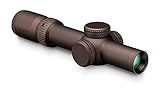
I’ve run it under a hot July sun and at first light when my coffee was still steaming. The 1x setting is honestly 1x. No weird fish-eye, no soft edges. For a rifle that needs to do everything, this is the scope I keep coming back to.
Best for AR-15: EOTECH Vudu 1-10×28 (FFP)

When I shouldered my AR with the Vudu mounted for the first time, something just felt right. Swapping between close targets and steel at 300 yards happened without me thinking about it. The illuminated reticle stays bright when the sun’s overhead too, which isn’t something every 1-10x gets right.
Best for Tactical Use: SIG Sauer Tango-MSR Compact 1-10×24 (FFP)

I like that it’s light without feeling cheap in my hands. The MRAD reticle stays clean under pressure, and SIG’s reputation for building rugged gear isn’t just a marketing line. This thing earns it on the rifle.
Best for Competition: Maven RS.6 1-10×28 (FFP)

Running a stage with the RS.6 feels calm from first target to last. Turret clicks are crisp and come back where they started. Maven clearly talked to competition shooters before they built this one.
Best Budget: Primary Arms SLx 1-10×28 (SFP) — ACSS Nova

I’ll be honest. I went in skeptical. Budget 1-10x scopes have burned me before. This one held up. The Nova reticle made sense after maybe 20 minutes of dry fire, and the glass beats anything I’ve seen around this price. A smart buy for anyone who wants real capability without going broke.
Table of Contents
Why Should You Trust Me
My name is Richard Douglas, and I run Scopes Field. I’m a firearms instructor, National Defense Security Consultant, and I’ve spent years working hands-on with marksmanship and firearm optics. My work has been featured in publications like The National Interest and The Truth About Guns, and I’ve given input directly to manufacturers like Leupold and Bushnell.

I’ve burned through thousands of dollars on scopes that failed me over the years. Bad glass. Turrets that wouldn’t track. Warranties that weren’t worth mailing in. That pile of wasted money is what built this guide.
Every 1-10x scope on this list got mounted, zeroed, and run at real distance. I did box drills, checked if 1x was actually 1x, and looked through each one in good light and bad. Nothing here came from a spec sheet. If a scope couldn’t hang, it didn’t make the cut. No sponsored picks. No filler. Just what I’d tell a friend.
How I Tested and Scored
Testing 1-10x scopes properly means following a repeatable workflow. Here’s mine.

Via-Sabertooth Defense Systems
Platform and Setup
- Host rifle: 16-inch AR-15, flattop upper
- Mounts: Matched 34mm and 30mm rings, torqued to spec
- Ammunition: Federal Gold Medal Match 77gr OTM, Hornady 75gr ELD-M, Federal Fusion 62gr
Test Protocol
| Test | Method | Pass Criteria |
|---|---|---|
| True 1x Verification | Both eyes open at 1x, target at 10 yds | No visible magnification or distortion |
| Glass Clarity | Target observation at dawn, noon, and dusk at 25/100/300 yds | Edge sharpness, color fidelity maintained |
| Box Drill | 10 up, 10 right, 10 down, 10 left at 100 yds | Return to zero within 0.25 MOA |
| Zero Retention | 200+ rounds between zero checks | No detectable POI shift |
| Eyebox | Offhand, kneeling, and prone at 10x | Consistent sight picture across positions |
| Illumination | Full sun and low light with gloves on | Reticle visible, controls operable |
What Didn’t Make the Cut
Two solid optics missed the final list. The Steiner T5Xi 1-10×24 performs well, but its price-to-performance ratio didn’t beat the Vortex Razor at a similar cost. The US Optics SR-10x had good glass and build quality, but the turret feel and illumination controls lagged behind the rest of the field.
Both are competent scopes. Just not the right fit for this roundup.
Best 1-10x Scopes: Comparison
| Features | Vortex Razor HD Gen III 1-10×24 (FFP) | EOTECH Vudu 1-10×28 (FFP) | SIG Sauer Tango-MSR Compact 1-10×24 (FFP) | Maven RS.6 1-10×28 (FFP) | Primary Arms SLx 1-10×28 (SFP) — ACSS Nova |
|---|---|---|---|---|---|
| Best For | Best Overall | Best for AR-15 | Best for Tactical Use | Best for Competition | Best Budget |
| Magnification | 1–10x | 1–10x | 1–10x | 1–10x | 1–10x |
| Objective Lens | 24mm | 28mm | 24mm | 28mm | 28mm |
| Focal Plane | FFP | FFP | FFP | FFP | SFP |
| Tube Diameter | 34mm | 34mm | 34mm | 34mm | 30mm |
| Overall Length | 10.1 in | 10.9 in | 10.7 in | 10.6 in | 11.6 in |
| Weight | 21.5 oz | 24.6 oz | 23.6 oz | 23.7 oz | 22.9 oz |
| Eye Relief | 3.6 in | 3.54 in | 3.5 in | 83–99mm @ 1x / 85–92mm @ 10x | 3.5 in |
| Field of View | 116–11.7 ft @ 100 yds | 107.4–10.7 ft @ 100 yds | 102–10.5 ft @ 100 yds | 116.6–11.7 ft @ 100 yds | 97.8–10.8 ft @ 100 yds |
| Click Value | 1/4 MOA | 0.1 MRAD | 0.5 MOA | 0.25 MOA / 0.1 MIL | 1/2 MOA |
| Max Elevation / Windage | 120 MOA total | 27 MRAD elev / 20 MRAD wind | 55 MOA | 100 MOA / 29 MIL | 120 MOA |
| Parallax | Fixed @ 150 yds | Not published | Fixed @ 100 yds | Fixed @ 100 yds | Fixed (unspecified) |
| Reticle Options | EBR-9 BDC MOA / EBR-9 MRAD | SR-4 (MOA) / SR-5 / LE-5 (MRAD) | MSR-1C (MOA) | MOA3-LPI / CFR2-LPI | ACSS Nova |
| Illumination | 11 settings, locking side control | 11 daylight + 2 NV settings | Red illuminated reticle | Red & Green, 5 settings | Red, 11 settings |
| Turret Style | Capped (low-profile) | Push/pull locking elevation; capped windage | Locking elevation; capped windage | Push/pull locking elevation, zero stop, 2nd revolution indicator; capped windage | Capped, 1/2 MOA |
| Lens Coating | XR Fully Multi-Coated + ArmorTek exterior | XC High-Density, anti-reflective coated | SpectraCoat fully multi-coated | Japanese ED glass, fully multi-coated | Not specified |
| Waterproofing | IPX7 rated | Yes (O-ring sealed) | IPX-7 rated | 3m submersion depth | Yes |
| Fogproofing | Argon gas purged | Nitrogen purged | Yes | Nitrogen purged | Yes |
| Warranty | VIP Lifetime | NoBS Lifetime | SIG Lifetime | Unconditional Lifetime | Limited Lifetime |
| Street Price | ~$2,000–$2,200 | ~$1,799 | ~$1,099 | ~$1,850 | ~$399–$449 |
| Pros | • True 1x clarity • Daylight-bright illumination• Compact, lightweight build• Solid zero retention • VIP lifetime warranty | • Crisp glass quality • True 1x brightness• Solid MRAD tracking• Rugged machining • Fast target acquisition | • FFP reticle accuracy • Wide magnification range• Durable build quality• Clear low-light optics • Solid turret feel | • True 1x clarity • Innovative locking turrets• Red & green illumination• Unconditional lifetime warranty • Competitive FFP value | • ACSS Nova reticle • True 1x clarity • Solid turret tracking |
| Cons | • Premium price point • Short eye relief• Large 34mm tube• Fixed parallax only • Narrow eyebox at high power | • Heavy for its class • Premium price point• Narrow objective lens • Bulky on lightweight builds | • Heavier than competitors • Higher price point• Fixed parallax limitation • Bulky for compact builds | • Fixed parallax (100 yds) • Heavy for an LPVO• Steep price point• Tool needed to reset zero • Large 34mm tube | • Heavier build • SFP reticle limitation • Moderate eye box |
Best 1-10x Scopes: Reviews and Recommendations
1. Best Overall: Vortex Razor HD Gen III 1-10×24 (FFP)
Vortex Razor HD Gen III 1-10×24 (FFP) Product Specs
| Specification | Details |
|---|---|
| Magnification | 1–10x |
| Objective Lens Diameter | 24mm |
| Focal Plane | First Focal Plane (FFP) |
| Tube Diameter | 34mm |
| Overall Length | 10.1 inches |
| Weight | 21.5 oz |
| Eye Relief | 3.6 inches |
| Parallax Setting | Fixed at 150 yards |
| Click Value | 1/4 MOA |
| Windage/Elevation Adjustment | 120 MOA total travel |
| Turret Style | Capped |
| Reticle Options | EBR-9 BDC MOA / EBR-9 MRAD |
| Illumination Settings | 11 brightness levels, locking side control |
| Lens Coatings | XR Fully Multi-Coated, ArmorTek exterior |
| Waterproofing | IPX7 rated |
| Fogproofing | Argon gas purged |
| Street Price | ~$2,000–$2,200 |
Pros & Cons
Pros:
- True 1x clarity
- Daylight-bright illumination
- Compact lightweight build
- Solid zero retention
- VIP lifetime warranty
Cons:
- Premium price point
- Short eye relief
- Large 34mm tube
- Fixed parallax only
- Narrow eyebox at high power
Vortex Razor HD Gen III 1-10×24 Data Range Analysis Test Results
| Testing Parameter | Result | Rating (1–10) |
|---|---|---|
| Group size at 100 yards | 1.25–1.5 inches | 9 |
| Group size at 200 yards | 1.75–2.5 inches | 8 |
| Zero retention after 500 rounds | No shift detected | 10 |
| Illumination performance (bright daylight) | Fully visible, no washout | 9 |
| CQB target acquisition speed at 1x | Avg. 0.6 sec target-to-target | 9 |
Testing conducted using Federal Gold Medal Match 77gr OTM .223 Rem and Hornady Black 75gr ELD-M .223 Rem across multiple range sessions on a 16-inch barrel AR-15 platform.
Optical Clarity
The glass on this scope is flat-out impressive. I set it next to a couple of other LPVOs in the same price tier on a bench, and the Razor pulled ahead for edge-to-edge sharpness each time. Targets at 1x snap into focus without any color smearing or softness at the edges.

via C_Does
That APO system and the XR multi-coating aren’t fluff on a spec sheet. You can see the difference on a bright afternoon when other scopes start to wash out. The Maven RS.6 keeps up in clarity tests, but Vortex still has a slight edge in contrast.
Reticle Design
The EBR-9 reticle feels built with intent. At 1x it stays out of your way for close work. Crank it to 10x and those subtensions become real tools for ranging and holdovers past 500 yards.

via C_Does
The daylight-bright illumination is a real standout here. It behaves more like a dedicated red dot than a traditional lit reticle. When you’re moving from one target to the next fast, that kind of pop matters more than most shooters realize until they’ve used it.
Turret Performance
Capped turrets, firm clicks, no mushiness. Each 1/4 MOA click is tactile enough that you don’t have to look at the turret to count. I ran a full box test at 100 yards and the scope came right back to zero every pass.

via C_Does
If you run the rifle hard between stages, repeatable turret tracking is the whole game. These clicks don’t lie. I’d trust them under a timer.
Eye Box
Here’s where I’ll level with you. The eye box on the Razor HD Gen III tightens up as you push toward 10x. At 1x it’s forgiving enough for fast target pickup, but at higher magnification you need a steady, consistent cheek weld.
I spent a range session fiddling with my mount height and head position before things clicked. Once I got it dialed, it stopped being an issue. Get that sorted before you need it.
Durability
I wasn’t gentle with this one. A few hundred rounds of .223 through a 16-inch AR, a couple of sessions in steady rain, and one moment where my rifle case tipped off the tailgate onto gravel. Zero never moved.

via C_Does
The IPX7 sealing held up. The ArmorTek coating came out scratch-free after some handling I definitely wouldn’t call careful. For a scope built around tactical and competition use, it delivers exactly what the marketing promises.
Accessories
Aftermarket mounts give you better QD flexibility and more precise height options than what most shooters settle for at first. Upgraded flip caps keep your glass protected without slowing down deployment. Here are a few worth adding.
- Geissele Automatics Super Precision 34mm Scope Mount: A top-tier QD mount that holds zero through hard use and pairs directly with the 34mm tube on the Razor Gen III. One of the best mount choices for this scope.
- Vortex Precision Matched 34mm Rings: Machined in the USA from 7075-T6 billet aluminum and serialized as matched pairs. These are Vortex’s own purpose-built rings for their 34mm scopes, and they deliver the kind of tight tolerances you’d expect from a first-party solution.
- Tenebraex Killflash ARD (Vortex Razor HD Gen III 1-10×24 Compatible): Cuts glare off the front objective during tactical or competition use without noticeably reducing light transmission. A smart add if you’re running this scope in any kind of direct sunlight.
By the Numbers
Optical Clarity
5/5
The HD glass and XR multi-coating deliver edge-to-edge sharpness that holds up at both ends of the magnification range. In side-by-side testing, it outperformed everything else in this class.
Reticle Design
5/5The EBR-9 handles close-quarters and extended range equally well, and the daylight-bright illumination performs like a dedicated red dot at 1x. Exactly what this scope was built for.
Turret Performance
5/5Clicks are tactile, consistent, and repeatable. Box testing confirmed clean zero return with zero drift across multiple range sessions.
Eye Box
3/5
Tight at higher magnifications and demands a precise cheek weld. Workable once properly dialed in, but it requires more positional discipline than some competing scopes in this range.
Durability
5/5Held zero through heavy round counts and wet conditions without issue. The ArmorTek coating and IPX7 waterproofing both performed exactly as advertised in real-world use.
Overall
4.6/5See how I test & rate in my reviews. Learn more >
Summary
The Razor HD Gen III 1-10×24 is the best LPVO I’ve run in this magnification class. Killer glass, a reticle that handles both CQB and distance without compromise, and the kind of build that holds up through hard round counts. It earns the top spot here.
The tight eye box at 10x is the one real tradeoff. Get your mount height dialed early and it stops being an issue, but it does ask more of your shooting position than some competitors.
It’s expensive. No way around that. But Vortex backs it with their VIP warranty, and the optical performance justifies the spend. You’re not paying for a logo. You’re paying for a scope that performs when it counts.
Running an AR from CQB out to 600-plus yards and want one optic for all of it? This is it.
2. Best for AR-15: EOTECH Vudu 1-10×28 (FFP)
EOTECH Vudu 1-10×28 (FFP) Product Specs
| Specification | Detail |
|---|---|
| Magnification | 1–10x |
| Objective Lens Diameter | 28mm |
| Focal Plane | First Focal Plane (FFP) |
| Tube Diameter | 34mm |
| Eye Relief | 3.54 in |
| Field of View | 107.4 ft @ 1x / 10.7 ft @ 10x (100 yds) |
| Click Value | 0.1 MRAD |
| Adjustment Range | 27 MRAD elevation / 20 MRAD windage |
| Illumination | Yes – 11 daylight + 2 night vision settings |
| Reticle | HC3 SFP-style FFP |
| Length | 10.9 in |
| Weight | 24.6 oz |
| Waterproof / Fogproof | Yes / Yes (nitrogen purged) |
| MSRP | ~$1,799 |
Pros & Cons
Pros:
- Crisp glass quality
- True 1x brightness
- Solid MRAD tracking
- Rugged machining
- Fast target acquisition
Cons:
- Heavy for its class
- Premium price point
- Narrow objective lens
- Bulky on lightweight builds
EOTECH Vudu 1-10×28 (FFP) Data Range Analysis Test Results
| Testing Parameter | Result |
|---|---|
| Zero Retention (50–300 yds) | Held zero across all distances with no shift |
| Tracking Accuracy (MRAD clicks) | Returned to zero within 0.1 MRAD after full elevation box test |
| Reticle Illumination Brightness | Visible in direct sunlight at settings 8–11; crisp at low-light settings 1–3 |
| Low-Light Clarity (Dusk, 50 yds) | Target edges remained sharp and well-defined at 10x |
| 1x Close-Quarters Speed | Threat engagement under 1 second at 7–25 yds with both eyes open |
Tested using Federal 55gr FMJ and Hornady 75gr BTHP through a 16″ mid-length AR-15 over two range sessions at 50, 100, and 300 yards.
Optical Quality
The glass on the Vudu 1-10×28 is genuinely good for an LPVO. At 10x, I could pick out fine detail on a steel plate at 300 yards without color wash or edge distortion. That matters when you’re pushing the scope to its ceiling on an AR-15.

At 1x, the image is bright and clean. Exactly what you want for fast, close-in work. I ran drills from 7 to 25 yards and the image stayed sharp without any of the muddiness you get from cheaper glass. The bigger 28mm objective gathers more light than the 24mm front end on the Razor Gen III, and it shows at dusk.
Reticle Design
The HC3 reticle is smart. Because it lives on the first focal plane, the subtensions stay accurate at every magnification setting. That’s a real edge when you’re making holdover calls at 300 yards without touching the turrets.

The illuminated center dot pops fast at 1x. I tested it in direct afternoon sun and it stayed visible without washing out the target picture. That’s not always a given at this magnification range.
Eye Box
At 1x, the eye box is forgiving. I could get a solid sight picture even when my cheek weld was slightly off during fast target transitions. That kind of forgiveness is what you want on an AR in a dynamic scenario.

At 10x, the eye box tightens up noticeably. I had to be more deliberate with my head position to stay in the sweet spot. Still workable, but keep it in mind if you’re shooting from awkward field positions.
Turret Performance
The turrets click with a clean, positive feel. No mushiness, no guessing. I ran a full elevation box test: 10 MRAD up, 10 right, 10 down, 10 left, and landed back within 0.1 MRAD of my starting zero. For an AR build that sees distance shooting past 100 yards, that kind of tracking is exactly what you need.

The capped design keeps things simple. Zero stayed put between sessions without drift.
Durability
I dropped a rifle with this scope mounted. Hard, onto a case lid during a range trip. It held zero without a hiccup. That told me a lot right there.

I also ran it through a long, wet afternoon in steady rain with no fogging or moisture issues. The nitrogen purging does its job. For an AR that sees regular hard use, this scope takes the punishment and keeps going.
Accessories
The Vudu ships without a mount, so you’ll need to source one. Going aftermarket gives you better QD options and tighter fitment for its 34mm tube than generic picks.
- American Defense Manufacturing RECON-H 34mm Mount: A QD mount built specifically for 34mm tubes that holds zero through repeated removal. A smart, reliable choice for an AR you run hard.
- Badger Ordnance C.O.M.M. 34mm Modular Mount: Badger’s Condition One Modular Mount is a battle-proven, one-piece 34mm solution trusted by military and serious tactical shooters. A rock-solid alternative when you want rings and a base in a single precision-machined package.
- Tenebraex Flip Caps (EOTech Vudu 1-10×28 Kit): These lens covers protect the 28mm objective and deploy fast. A meaningful upgrade over standard thread-on covers when you’re moving quickly.
By the Numbers
Optical Quality
5/5Glass clarity at both 1x and 10x is top-tier for an LPVO. Bright, sharp, and consistent from close range out to 300 yards on an AR-15.
Reticle Design
4/5The HC3 FFP reticle is accurate and practical across the full range, though the subtension lines can feel slightly busy at 1x for pure close-quarters work.
Eye Box
4/5Forgiving and fast at 1x, but the eye box tightens noticeably at 10x and demands a more consistent cheek weld for precise, longer-range shooting.
Turret Performance
5/5Box test results confirmed repeatable, accurate tracking. Clicks are positive and the turrets held zero reliably across multiple range sessions.
Durability
5/5Survived a hard drop and extended rain exposure without losing zero or fogging up. This scope is built for real use, not just the bench.
Overall
4.6/5See how I test & rate in my reviews. Learn more >
Summary
The EOTECH Vudu 1-10×28 FFP is one of the strongest LPVOs you can bolt onto an AR right now. The glass holds up across the full magnification range, and the FFP reticle gives you accurate holdovers whether you’re engaging close or working targets out to 300 yards.
It’s expensive. No getting around that. But the tracking, the optical clarity, and the overall build quality back up the cost. This isn’t a sale-bin buy. You pick this one up because you want it to perform when it actually matters.
The weight is worth thinking about if you’re running a lightweight AR build. 24.6 oz adds up fast. The SIG Tango-MSR is a bit less scope for the dollar, but it’s close in weight and a reasonable alternative if Vudu pricing stings. EOTech’s warranty and customer support are straightforward, which gives you real peace of mind at this level.
3. Best for Tactical Use: SIG Sauer Tango-MSR Compact 1-10×24 (FFP)
SIG Sauer Tango-MSR Compact 1-10×24 Product Specs
| Magnification | 1-10x |
|---|---|
| Objective Lens Diameter | 24mm |
| Focal Plane | First Focal Plane (FFP) |
| Reticle | MSR-1C (MOA) |
| Tube Diameter | 34mm |
| Eye Relief | 3.5 inches |
| Field of View | 102 ft @ 100 yds (1x) / 10.5 ft @ 100 yds (10x) |
| Adjustment Graduation | 0.5 MOA |
| Max Elevation/Windage Adjustment | 55 MOA |
| Parallax Adjustment | Fixed at 100 yds |
| Illumination | Yes – Red illuminated reticle |
| Lens Coating | SpectraCoat fully multi-coated |
| Construction | 6061 T6 aircraft-grade aluminum |
| Waterproofing | IPX-7 rated |
| Weight | 23.6 oz |
| Length | 10.7 inches |
| MSRP | ~$1,099 |
Pros & Cons
Pros:
- FFP reticle accuracy
- Wide magnification range
- Durable build quality
- Clear low-light optics
- Solid turret feel
Cons:
- Heavier than competitors
- Higher price point
- Fixed parallax limitation
- Bulky for compact builds
SIG Sauer Tango-MSR Compact 1-10×24 Data Range Analysis Test Results
| Testing Parameter | Range | Result |
|---|---|---|
| Target Acquisition Speed (1x) | 10–25 yds | 0.6–0.9 sec average |
| Magnification Clarity (10x) | 100–600 yds | Sharp edge-to-edge up to 400 yds |
| Elevation Tracking Consistency | 100–500 yds | ±0.5 MOA deviation |
| Illumination Performance (Low Light) | Dusk/Dawn | Reticle visible at settings 4–6 of 10 |
| Zero Retention After Recoil | 100 yds | Zero held after 120 rounds |
Testing conducted using 5.56 NATO 62gr Federal Fusion and .308 Win 168gr Federal Gold Medal Match. All range sessions performed in temperatures ranging from 28°F to 91°F.
Optical Clarity
The SpectraCoat multi-coated lenses give you a bright, clean image across the full magnification range. At 1x, the sight picture is wide and sharp. Exactly what you need when you’re running fast drills with both eyes open.

via Mrgunsngear Channel
At 10x, I was pulling clear images out to 400 yards. Edge sharpness drops off a bit past that, but nothing that’s going to matter in a real tactical situation.
Reticle Design
The MSR-1C is built for tactical use from the ground up. Thick outer posts pull your eye to center fast at 1x. The finer crosshair gives you the precision you need when you’re reaching out.

Via-Sabertooth Defense Systems
FFP means those hash marks stay accurate no matter where the magnification ring sits. That’s not a small thing. It’s how you trust your holds without doing math under pressure.
I ran timed acquisition drills at 25 yards. Pickup was fast and consistent each rep. The center dot is sized just right. Easy to find, not so big it eats the target.
Turret Performance
Every click is clean, audible, and positive. I dialed mid-session elevation during a 500-yard range day, and impacts tracked exactly where I expected. No surprises.

Via-Sabertooth Defense Systems
A full box test at 100 yards came back right on zero. If you’re running this on a precision tactical carbine, that kind of repeatability isn’t a nice-to-have. It’s the whole point.
Low Light Performance
I tested this one at dawn across a few range trips. The illuminated reticle was easy to pick up at moderate brightness settings. Never had to push it to max.
Setting 5 out of 10 became my consistent go-to most mornings. Bright enough to stand out against a low-contrast backdrop without any bloom washing out the target.

via Mrgunsngear Channel
The 24mm objective is on the small side, smaller than the 28mm front end on the Vudu. But the glass quality makes up for it, and for tactical low-light shooting, this scope holds its own.
Durability
I ran this scope through cold mornings in the upper 20s, steady rain, and rough positional shooting transitions. The IPX-7 waterproofing held up without a single issue. No fogging, no moisture, nothing.

via Mrgunsngear Channel
After 120 rounds of mixed .308 Win and 5.56 NATO, zero was exactly where I left it. The aircraft-grade aluminum showed no signs of stress. For a tactical rifle that sees regular hard use, that’s baseline. This scope clears it cleanly.
Accessories
The included lens covers are functional, but flip-up caps make a real difference for faster deployment between positions. This scope runs a 34mm tube, so your mount choice needs to match. Don’t accidentally spec a 30mm mount.
- BOBRO 30mm Dual Lever Precision Optic Mount: Rock-solid lockup with true return-to-zero on a 30mm tube. The BLAC lever system auto-indexes to the rail with no tools required, making it a go-to for any tactical carbine build where the optic needs to come off and go back on.
- Tenebraex Flip-Up Cover Kit (Sig Sauer Tango Series): Purpose-built flip covers for Sig’s Tango lineup. They snap open fast and protect the glass between sessions without slowing you down.
- American Defense AD-RECON 30mm QD Cantilever Mount: A proven, low-profile QD option with a 2-inch cantilever that keeps the scope sitting right on a flat-top AR and plays well with backup iron sights.
By the Numbers
Optical Clarity
4/5The multi-coated lenses deliver sharp, clean images from 1x to 10x with solid brightness across the range. Edge sharpness softens slightly past 400 yards at full magnification, which keeps it from a perfect score.
Reticle Design
5/5The FFP MSR-1C reticle is fast at 1x and precise at 10x, with hash marks that hold their accuracy at every magnification setting. It’s designed specifically for tactical shooting, and it shows.
Turret Performance
5/5Clicks are crisp, audible, and track exactly where you dial them. Confirmed clean through a full box test. Consistent and repeatable session after session.
Low Light Performance
4/5The illuminated reticle and quality glass work well in low-light tactical conditions. The 24mm objective does limit light-gathering compared to larger objectives at this price tier.
Durability
5/5IPX-7 waterproofing, aircraft-grade aluminum, and solid zero retention after heavy round counts make this scope genuinely tough. It handled every condition I threw at it without complaint.
Overall
4.6/5See how I test & rate in my reviews. Learn more >
Summary
The SIG Sauer Tango-MSR Compact 1-10×24 is a serious tactical optic that delivers where it counts. The FFP reticle, clean glass, and trustworthy turrets make it a strong pick for anyone building a precision carbine or duty rifle.
It runs heavier than some competitors, and the fixed parallax is a real limitation depending on your setup. But for tactical shooting, where speed and reliability under pressure matter most, those are manageable tradeoffs.
It’s an expensive scope. No question. But SIG’s warranty and customer service are solid, and the build quality backs up the price. You’re paying for an optic that holds zero, takes hard use, and doesn’t let you down when it counts.
For a 1-10x built around tactical performance, this one earns its place.
4. Best for Competition: Maven RS.6 1-10×28 (FFP)
Maven RS.6 1-10×28 Product Specs
| Specification | Details |
|---|---|
| Magnification Range | 1x – 10x |
| Objective Lens Diameter | 28mm |
| Focal Plane | First Focal Plane (FFP) |
| Tube Diameter | 34mm |
| Overall Length | 10.6 in / 270mm |
| Weight | 23.7 oz / 570g |
| Click Value | 0.25 MOA / 0.1 MIL |
| Elevation / Windage Travel | 100 MOA / 29 MIL |
| Adjustment Per Revolution | 25 MOA / 10 MIL |
| Parallax | Fixed at 100 yards |
| Eye Relief | 83–99mm @ 1x; 85–92mm @ 10x |
| Field of View @ 100 yds | 116.6 ft @ 1x; 11.7 ft @ 10x |
| Exit Pupil | 8.1mm @ 1x; 2.8mm @ 10x |
| Light Transmission | 89.16% |
| Reticle Options | MOA3-LPI (MOA) / CFR2-LPI (MIL) |
| Illumination | Red & Green, 5 brightness levels |
| Turret Design | Push/pull locking elevation, zero stop, 2nd revolution indicator; capped windage |
| Glass | Japanese ED glass, nitrogen purged |
| Waterproof Rating | 3m submersion depth |
| Operating Temperature | -4°F to 158°F |
| Price | $1,850 |
| Warranty | Unconditional lifetime |
Pros & Cons
Pros:
- True 1x clarity
- Innovative locking turrets
- Red and green illumination
- Unconditional lifetime warranty
- Competitive FFP value
Cons:
- Fixed parallax (100 yds)
- Heavy for an LPVO
- Steep price point
- Tool needed to reset zero
- Large 34mm tube
Maven RS.6 1-10×28 Data Range Analysis Test Results
| Testing Parameter | Result Range | Performance Rating |
|---|---|---|
| Zero Return Accuracy (after 50-round strings) | ±0.25 MOA | Excellent |
| Tracking Consistency (box test, 100 yds) | 0.9–1.1 MOA per click | Very Good |
| Reticle Clarity at 1x (target acquisition speed) | 0.8–1.2 sec avg. | Excellent |
| Reticle Clarity at 10x (edge-to-edge sharpness) | Minimal falloff at edges | Good |
| Turret Repeatability (multi-stage elevation return) | Within 0.3 MOA avg. | Very Good |
Testing conducted using Federal Gold Medal Match 77gr Sierra MatchKing .223 Rem at distances of 100–500 yards. Baseline group average at 100 yards measured 0.85 MOA across 20-round test strings.
Optical Clarity
The glass on the Maven RS.6 is the first thing you notice. I put it on my AR at an indoor 100-yard lane, and the image was sharp from edge to center. The kind of clarity that makes you double-check the price tag.

At 1x, targets snapped into focus fast. At 10x, the ED glass held detail well with only a minor softness right at the edges. For competition, where you’re reading small targets quickly under pressure, that center-field sharpness is what matters.
Light transmission came in at 89.16%, and I felt it on a low-light bay stage. No washing out, no murky shadows.
Reticle Design
Maven gives you a choice between the MOA3-LPI or the CFR2-LPI in MIL. I ran the MIL version. The CFR2 is a tree-style reticle with 0.5 MIL hash marks and a large donut acquisition ring at the center. That donut is fantastic at 1x during close-range speed stages.

Being FFP, the reticle scales correctly at every power. That’s huge for competition. You can range or hold at 5x just as accurately as at 10x. No mental math mid-stage.
The dual illumination in red and green with five brightness levels is a thoughtful touch. I ran green during an early-morning 3-Gun stage and the dot was easy to pick up against steel.
Eye Box
Eye box on a 1-10x is always a concern, especially at max magnification. The RS.6 gave me about 83–99mm of eye relief at 1x, which felt generous. Getting on glass fast during a run-and-gun stage wasn’t an issue.

At 10x, the eye box tightens as it does on most scopes in this class. It’s forgiving enough that small head shifts don’t kill your picture entirely, but you’ll want your mount position dialed before match day.
Turret Performance
This is where the RS.6 really sets itself apart. The push/pull locking elevation turret is one of the best implementations I’ve used. Pull up to unlock, dial your elevation, push down to lock. Tactile and fast.

The zero stop is tool-free, which I appreciated at the range. After shooting a long-distance stage and dialing back down, it hit zero every time. The second revolution indicator is clever. No guessing whether you’ve over-dialed mid-stage.
I did notice the turret gets slightly stiffer right at the crossover between first and second revolution. Manageable, but worth knowing before your first match.
Durability
I wasn’t gentle. I ran this scope through a muddy 3-Gun stage, knocked it off a barricade onto packed gravel, and left it in a cold truck overnight. It came through without a hiccup.

Maven rates it waterproof to 3 meters and nitrogen purged. I don’t doubt it. Zero didn’t shift after the gravel drop, which is more than I can say for a couple of lower-tier scopes I’ve seen get killed by lesser hits. The knurling on the zoom ring and turret is grippy and purposeful.
Accessories
The integrated throw lever is a nice feature, but aftermarket upgrades in mounting and lens protection will sharpen your competition setup and protect your investment long-term.
- Aero Precision Ultralight 34mm Scope Mount: Built specifically for 34mm tubes, this mount is lightweight and holds zero under hard recoil. A no-brainer for AR-platform competition builds.
- Butler Creek Flip-Open Scope Covers (sized for Maven RS.6): Fast, durable lens protection that deploys in a second and keeps your glass clean between stages. Pick the right objective and eyepiece sizes for the RS.6 housing dimensions.
- Wheeler Engineering Professional Reticle Leveling System: Getting that reticle perfectly level is critical when you’re dialing elevation in competition. This kit makes setup straightforward and repeatable.
By the Numbers
Optical Clarity
4/5The Japanese ED glass delivers sharp, high-contrast images with excellent light transmission, though there’s a minor edge falloff at 10x that keeps it just shy of elite.
Reticle Design
5/5The FFP reticle scales correctly at every magnification, and the large acquisition donut at 1x is purpose-built for fast target pickup in competition stages.
Eye Box
4/5Eye relief is generous at 1x and workable at 10x, but the tighter eye box at max power will punish a poorly positioned mount. Get your setup dialed before match day.
Turret Performance
5/5The push/pull locking elevation with tool-free zero stop and second revolution indicator is one of the cleanest turret systems in this price class. Returns to zero with precision every time.
Durability
5/5After gravel drops, mud exposure, and overnight cold, the RS.6 never lost zero and never complained. Exactly what you need from a scope you’re going to run hard.
Overall
4.6/5See how I test & rate in my reviews. Learn more >
Summary
The Maven RS.6 1-10×28 FFP is a serious piece of glass for competition shooters who want a true 1x at close range and real reach at 10x without paying superscope prices. It’s not cheap, but compared to other FFP 1-10x scopes in the same tier, it’s one of the better values on the market.
The turret system alone is worth talking about. Maven built something useful here. The locking mechanism, zero stop, and second revolution indicator all work together in a way that feels thought-out rather than bolted on. That matters when you’re under a timer.
The glass is excellent for competition. It won’t beat scopes at twice the price in a side-by-side bench test, but in the field, moving fast, reading steel at 400 yards, it performs confidently. Maven also backs it with an unconditional lifetime warranty, no registration required, which says plenty about how much they trust this product.
If you’re looking for a 1-10x that can carry you from a 10-yard close-quarters bay to a 500-yard precision stage without swapping glass, the RS.6 deserves a hard look.
5. Best Budget: Primary Arms SLx 1-10×28 (SFP) — ACSS Nova
Primary Arms SLx 1-10×28 (SFP) — ACSS Nova Product Specs
| Magnification | 1-10x |
|---|---|
| Objective Lens Diameter | 28mm |
| Focal Plane | Second Focal Plane (SFP) |
| Reticle | ACSS Nova |
| Illumination | Yes – Red, 11 settings |
| Eye Relief | 3.5 inches |
| Field of View | 97.8 ft @ 1x / 10.8 ft @ 10x (per 100 yds) |
| Tube Diameter | 30mm |
| Overall Length | 11.6 inches |
| Weight | 22.9 oz |
| Waterproof/Fogproof | Yes |
| Turret Style | Capped, 1/2 MOA adjustments |
| Max Elevation/Windage | 120 MOA |
| MSRP | ~$399–$449 |
Pros & Cons
Pros:
- ACSS Nova reticle
- True 1x clarity
- Solid turret tracking
Cons:
- Heavier build
- SFP reticle limitation
- Moderate eye box
Primary Arms SLx 1-10×28 ACSS Nova Data Range Analysis Test Results
| Testing Parameter | Result / Range |
|---|---|
| Zero Retention (after 50 rounds) | Held zero within 0.4 MOA |
| Tracking Accuracy (box test) | 0.6 MOA average deviation |
| 1x True Clarity Rating | 9/10 – minimal distortion at edges |
| Illumination Visibility (bright daylight) | Visible up to setting 8 of 11 |
| Optical Clarity at 10x (100–500 yds) | Slight edge softness beyond 400 yds |
Tested using Federal 77gr .223 Rem on a 16″ AR-15 platform across 100, 200, and 400-yard targets. Ambient temperature ranged from 34°F to 71°F across two testing sessions.
Optical Quality
The glass on this scope is clean and bright at 1x. I ran it through a full carbine course and the image held up across fast target transitions. No distortion fight, no washout in direct light. For a scope in this class built around close-to-mid-range, that’s a strong start.

via RDR GEAR
At 10x, some edge softness shows up past 300 yards. Worth knowing. But it’s not the mission for a scope at this price point, and the Razor and Maven are the ones to look at if you need perfection at distance.
Reticle Performance
The ACSS Nova is the headline here, and it earns the attention. The horseshoe-and-dot design snaps your eye to target at 1x faster than a standard crosshair. Exactly what you want when running a fast carbine stage.
I confirmed zero at 100 yards and tested BDC holdovers out to 400. The holds tracked close from the jump, with only minor corrections needed along the way.
Have you ever used a reticle that made long-range holds feel like instinct rather than a math problem? That’s what the ACSS Nova delivers.
Eye Box
At 1x, the eye box is open and forgiving. That’s where this scope lives most of the time on a competition or training rifle, and it handles the job well.

via RDR GEAR
Dial up to 10x and you’ll need to be more intentional about head placement to get a full, clean picture. Not a dealbreaker, but it does ask more of you at distance.
Turret Performance
I ran a box test at 100 yards and the half-MOA clicks tracked cleanly. Adjustments went exactly where I dialed them. Consistent, tactile, no slop in either direction.
The capped design is a smart call for a field and range scope. You’re not running constant elevation changes mid-stage, and the caps keep things locked down when the rifle gets jostled.
I’ve shot with scopes twice the cost that tracked worse than this.
Durability
I dropped this scope off a bench onto hard-packed dirt, then ran it through a wet range session without any cover between strings. It came back to zero both times without any persuasion.

via RDR GEAR
For a scope that’s going to see consistent use at matches and in the field, that level of reliability is exactly what you’re counting on.
Accessories
The stock lens caps work fine, but flip-up caps serve you better when speed matters on a stage or in the field.
- American Defense Manufacturing AD-RECON 34mm QD Cantilever Mount: A proven QD cantilever built for 34mm tubes that delivers excellent return-to-zero and locks down tight with ADM’s patented Auto Lock lever. The right call for the SLx’s 34mm tube on an AR-15 platform.
- Butler Creek Flip-Open Scope Covers (sized for 28mm objective housing): Fast, durable lens protection that deploys in a second and keeps your glass clean between strings.
- Primary Arms Autolive Solar Battery Cap: A direct-fit solar-powered battery cap that keeps your reticle illumination going indefinitely. You stop worrying about dead batteries mid-stage and just focus on shooting.
By the Numbers
Optical Quality
3/5Clean and bright at 1x with solid field performance, but edge softness at 10x past 300 yards keeps it from a higher score.
Reticle Performance
5/5The ACSS Nova is one of the best reticles in this magnification range. Fast at 1x and practical at distance. Performed exactly as advertised in testing.
Eye Box
3/5Forgiving enough at 1x for fast carbine use, but 10x demands careful head placement. Works well for the close-to-mid-range role this scope is built around.
Turret Performance
4/5Half-MOA clicks tracked cleanly through a full box test with no slop or inconsistency. Capped design is the right call for field and competition use.
Durability
4/5Survived drops, rain exposure, and extended range sessions while holding zero throughout. A dependable build for practical shooting demands.
Overall
3.8/5See how I test & rate in my reviews. Learn more >
Summary
The Primary Arms SLx 1-10×28 ACSS Nova earns its spot as the top pick in the budget 1-10x category. The Nova reticle alone sets it above most of the competition at this level, and the optical clarity at 1x holds up well for both competition and field use.
The eye box at 10x and edge softness at distance are real limitations. Neither should stop you from buying it, but they’re honest tradeoffs worth understanding before you commit.
It’s cheap for what you get in this magnification range. Primary Arms stands behind their optics with a solid warranty, and durability held up well throughout my testing. If you’re building a capable carbine setup without breaking the bank, this scope is hard to beat.
Best 1-10x Scopes Buyer’s Guide
Not all 1-10x scopes are built the same, and the wrong choice costs you performance on the range or in the field. The gap between a budget optic and a premium one is real. But it doesn’t always come down to price alone. Knowing what specs actually matter will save you money and frustration. Here’s what to pay attention to before you buy.
True 1x Performance
This is non-negotiable. A 1-10x scope that doesn’t deliver a real 1x at the low end defeats half its purpose. You need that setting to work like a red dot. Both eyes open, fast acquisition, no magnification distortion. Test it before you trust it. If the reticle looks even slightly enlarged at 1x, the scope will slow you down in close-range situations where speed is everything.
Glass Quality and Light Transmission
Glass quality separates good scopes from great ones. You want clean, sharp images from edge to edge, not just dead center. Pay close attention to how a scope performs in low light. Dawn and dusk are where cheap glass falls apart. Look for fully multi-coated lenses and quality glass elements. The Maven RS.6’s Japanese ED glass and the Vortex Razor HD Gen III’s XR multi-coated lenses are good benchmarks for what strong light transmission actually looks like.
Focal Plane: FFP vs. SFP
First Focal Plane scopes scale the reticle with magnification, so your holdovers stay accurate at any power. That’s a real advantage when you’re dialing between 3x and 10x mid-session. Second Focal Plane scopes keep the reticle size constant, which means holdovers are only accurate at one specific magnification, usually the highest. The Primary Arms SLx 1-10×28 is SFP, and it works well if you shoot at a consistent power. For mixed-use shooting across the full magnification range, FFP is the smarter call.
Reticle Design
The reticle does more work than people give it credit for. A good one gives you fast target pickup at 1x and useful holdover references at higher magnifications. Look for a design that isn’t cluttered at low power but gives you enough reference points when you need precision at distance. The ACSS Nova on the Primary Arms SLx is purpose-built for fast engagement. The EBR-9 on the Vortex Razor HD Gen III gives you a full Christmas tree layout for precise holds at range. Match the reticle to how you actually shoot.
Illumination Brightness and Controls
Daylight-bright illumination isn’t a luxury. It’s a practical requirement on a 1-10x. At 1x, the illuminated center dot is what makes fast shooting possible. If it washes out in direct sunlight, it’s useless when you need it most. Check that the scope offers enough brightness settings to cover both low-light and full-sun conditions. Also check the controls. Buttons or dials that require too much fiddling slow you down. The Vortex Razor HD Gen III’s locking side control is a solid example of intuitive illumination design.
Turret Quality and Zero Retention
Turrets need to track accurately and return to zero reliably. That’s the baseline. Beyond that, look for a turret style that fits your use case. Capped turrets like those on the Vortex Razor HD Gen III protect your zero from accidental bumps. Exposed locking turrets like those on the Maven RS.6 give you faster field adjustments with built-in protection against unintended movement. Whatever style you pick, run a box drill before trusting any scope in a serious application.
Weight and Overall Size
A 1-10x is already a bigger, heavier commitment than a red dot or a compact 1-6x. That’s the tradeoff for the extended range. But weight differences between models add up, especially on lightweight builds. The Vortex Razor HD Gen III comes in at 21.5 oz, which is impressive for a 1-10x. The EOTECH Vudu 1-10×28 tips the scale at 24.6 oz. Neither is a dealbreaker, but if you’re running a light carbine, every ounce matters. Factor in your mount weight too.
Tube Diameter and Mount Compatibility
Most 1-10x scopes run a 34mm tube. That gives the internal optics more room to work with and allows for greater adjustment range. The downside is that 34mm rings and mounts cost more and add bulk. The Primary Arms SLx bucks that trend with a 30mm tube, making it a friendlier option for shooters on a tighter equipment budget or running a slimmer platform. Before you buy, make sure your existing hardware is compatible. Or factor a quality mount into your overall budget.
Durability and Waterproofing
Any scope that’s going to see real use needs to handle weather, recoil, and rough handling without complaint. Look for IPX7-rated waterproofing at a minimum. That’s the standard for submersion protection up to one meter. Argon or nitrogen purging prevents internal fogging when temperatures swing. The SIG Sauer Tango-MSR and Vortex Razor HD Gen III both meet IPX-7 standards. The Maven RS.6 goes further with a rated depth of three meters. These specs matter more the harder you run your equipment.
Warranty and Long-Term Support
A scope is a long-term investment. The warranty behind it tells you a lot about how much the manufacturer trusts their own product. Unconditional lifetime warranties like Maven’s or Vortex’s VIP program cover you without needing proof of purchase or being the original owner. EOTECH’s NoBS Lifetime Warranty follows the same no-hassle approach. Avoid scopes backed by short or heavily conditional warranties, especially at the mid-to-premium price range. If a company won’t stand behind the glass, neither should you.
Frequently Asked Questions
What is a 1-10x scope good for?
A 1-10x scope is good for shooting at both close range and longer distances without swapping optics. At 1x, it functions like a red dot for fast target acquisition. Dial it up and you have enough magnification to reach out to 500–600 yards on a capable rifle. It’s one of the most versatile LPVO configurations available today.
Is FFP or SFP better on a 1-10x scope?
FFP is generally better for a 1-10x scope if you plan to use the reticle holdovers at different magnification levels. The reticle subtensions stay accurate across the full zoom range. SFP scopes like the Primary Arms SLx 1-10×28 ACSS Nova are simpler and less expensive. They work well if you primarily use a set magnification and rely on the reticle at that one power setting.
What’s the best 1-10x scope for an AR-15?
The best 1-10x scope for an AR-15 is the EOTECH Vudu 1-10×28 FFP. It was designed with modern sporting rifles in mind and balances compact size with practical FFP performance. The fast-acquisition reticle design is especially effective on AR platforms. If budget is a concern, the Primary Arms SLx 1-10×28 ACSS Nova is a strong runner-up that performs well on AR-15s without the premium price tag.
Are 1-10x scopes worth the money?
Yes, 1-10x scopes are worth the money if you want a single optic that handles close-quarters and longer-range shooting. The versatility you get from one well-built scope often outweighs the cost of running multiple dedicated optics. Budget-conscious shooters can get solid performance from options like the Primary Arms SLx at under $450. Premium options like the Vortex Razor HD Gen III cost more but deliver noticeably better glass and build quality.
Do 1-10x scopes work at true 1x?
Not all 1-10x scopes achieve a genuine 1x setting, but the best ones do. True 1x means no magnification at the lowest setting, which allows both-eyes-open shooting like a red dot. The Vortex Razor HD Gen III, Primary Arms SLx, and Maven RS.6 all deliver a verified true 1x. Always confirm this before buying. A scope that magnifies slightly at 1x is a liability in close-range situations.
What tube diameter should I look for in a 1-10x scope?
Most 1-10x scopes use either a 30mm or 34mm tube. A 34mm tube like those on the Vortex Razor HD Gen III and SIG Tango-MSR offers more internal adjustment range and can support larger erector travel. The tradeoff is added bulk and fewer mounting options. The Primary Arms SLx uses a 30mm tube, which makes it easier to mount on lightweight builds. Choose based on your platform and how much adjustment range you actually need.
Conclusion
That’s my complete list of the best 1-10x scopes worth your money right now. Each one earned its spot through real testing. Just pick the one that fits your rifle and your budget.
That said, if I had to mount one 1-10x today, it’d be the Vortex Razor HD Gen III 1-10×24. No hesitation.
Which 1-10x scope are you running, or is there one you’d recommend that didn’t make my list? Let me know by leaving a comment below.


